Kumpulan update dan informasi terkini seputar SDGs.
2 SDG dipilih
Through supporting aquatic ecosystems through action policy campus food sustainably harvested, Telkom University commits under Rector’s Decree KR.331/ORG01/SPS-P3I/2024 to ensuring that food on campus from aquatic ecosystems is sustainably harvested, backed by a circular that keeps canteen waste out of waterways.
Telkom University keeps students well fed with free Jumat Berkah lunches every Friday, free iftar meals on Mondays and Thursdays, budget-friendly canteens and vending machines, campus-grown sorghum, and nutrition education with the Bandung Health Agency.
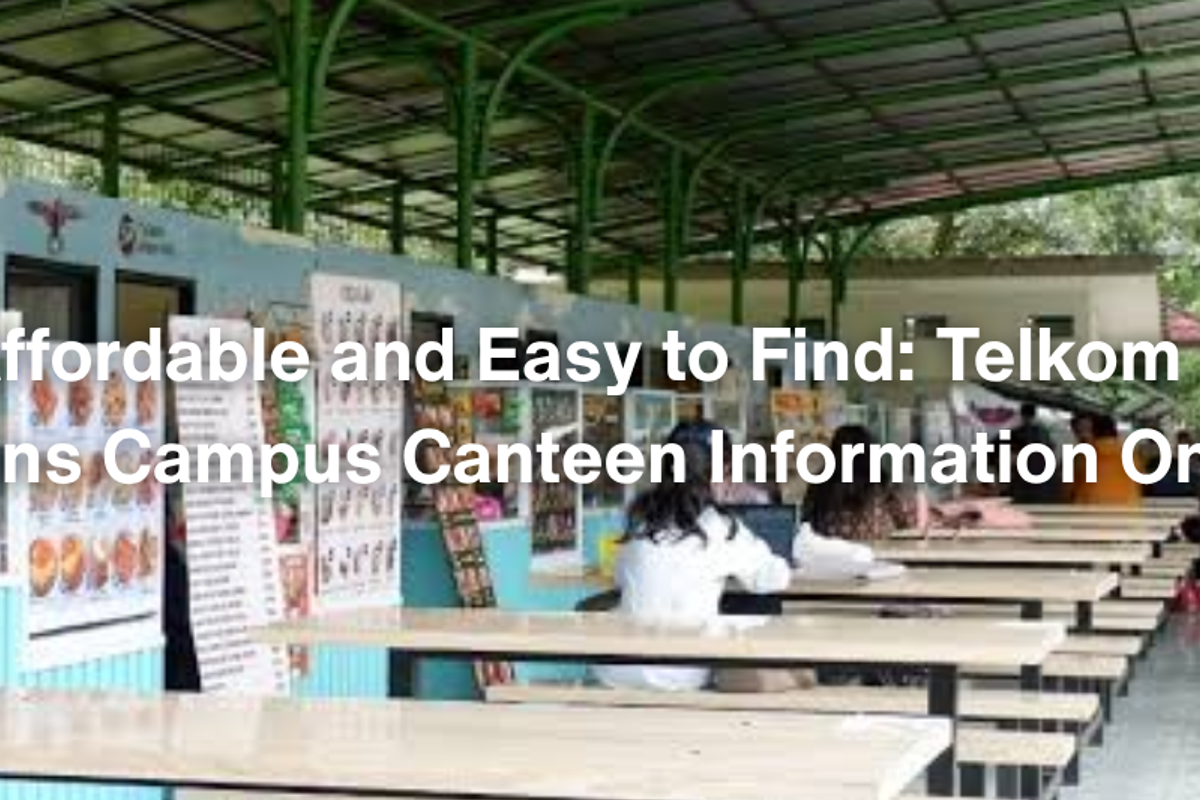
Telkom University provides healthy and affordable food choices for everyone on campus through selective tenant selection and canteen agreements that require healthy, clean and affordable food at agreed prices. The official canteen website (canteen.telkomuniversity.ac.id) lists canteens, tenants, menus, locations and price ranges.
Telkom University strengthened its student hunger interventions in 2025 through Jumat Berkah free meals and charity, healthy rebusan refreshments at university activities, balanced “4 sehat 5 sempurna” Ramadan meals with fruit, 61 canteen tenants across 7 campus locations, 24-hour vending machines, and sorghum outlets and free sorghum cereal in the faculties.
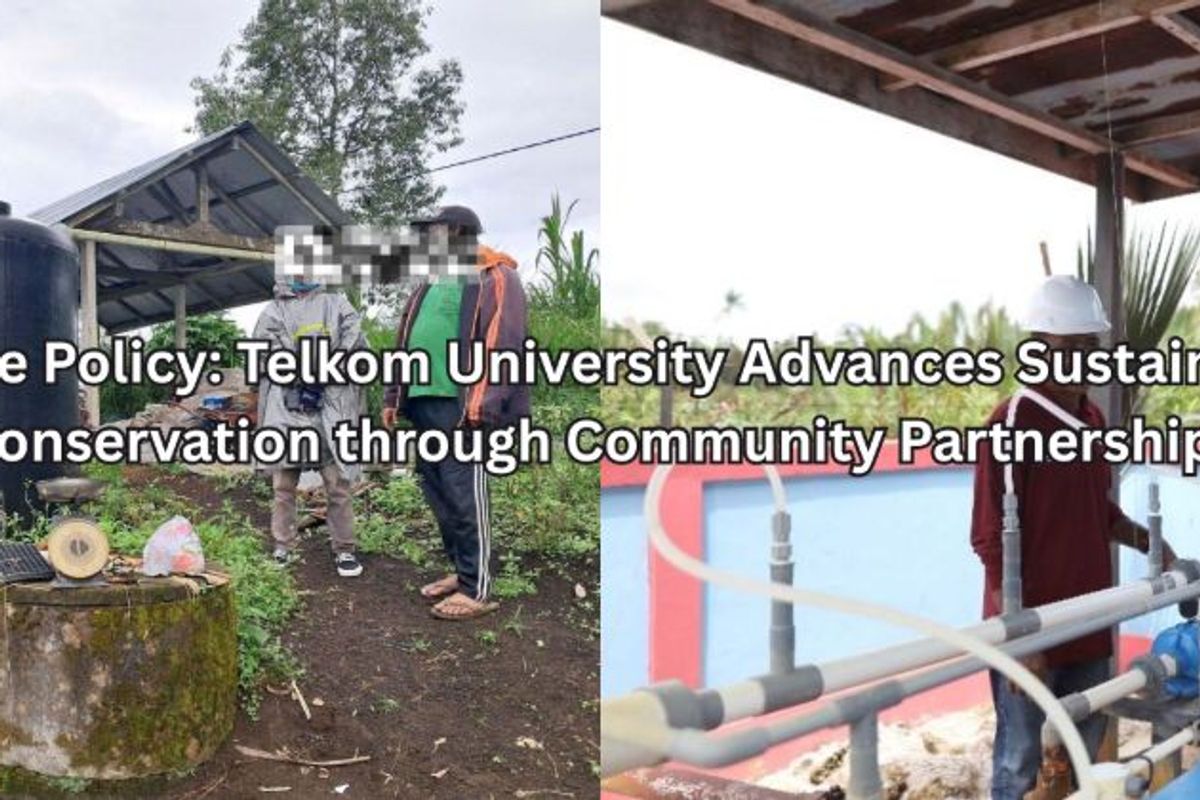
In 2025, Telkom University carried out 26 off-campus water conservation activities with farmers, villages and community groups. It installed IoT, LoRa and solar-powered drip and automatic irrigation, added water filtration and water-quality monitoring for fish farmers, and developed pipe-leak detection and digital water management for villages. It also evaluated community clean water facilities across Java through the Moneva SAB programme with PT Telkom Indonesia.
Aligned with SDG 2, Telkom University strengthens food security through sensor-based urban farming with a women farmers’ group in Bojongsoang, a Digital Twin system that increased rice field productivity by 22.8%, and affordable IoT aeroponics.
Aligned with SDG 12, Telkom University promotes responsible consumption and production through education, research, and community empowerment, from the BEDAS Maggot Education Center for organic waste processing to IoT-based hydroponic melon farming and sustainable fashion innovation.
Telkom University expands its international partnerships to strengthen data collection, research, and monitoring for the Sustainable Development Goals (SDGs). Through collaborations with universities and research institutions across various countries, the university develops technology-based solutions for environmental, agricultural, energy, and social challenges while supporting evidence-based decision-making and contributing to SDG 17: Partnerships for the Goals.
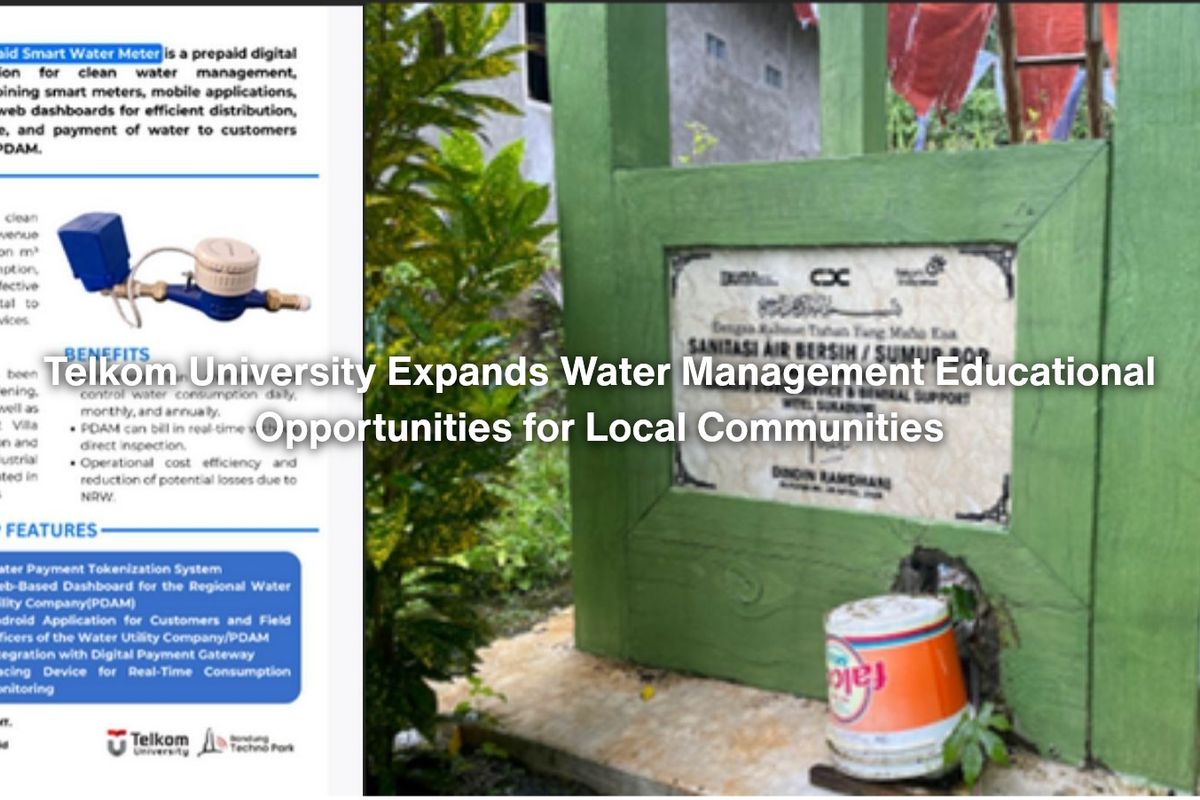
In 2025, Telkom University delivered 27 free water management educational activities for local communities. Villages learned to use automated flood pumps, water-level monitoring and early warning systems such as CITRA BANJIR and NotiFlood. Farmers adopted IoT and LoRa-based drip irrigation and solar-powered pumps, while fish farmers, BUMDes and community groups were trained in water filtration, water-quality monitoring and pipe-leak detection, and high school students learned to measure water levels with IoT sensors. The university also evaluated clean water facilities and provided sanitation education in communities across Java through the Moneva SAB programme with PT Telkom Indonesia.
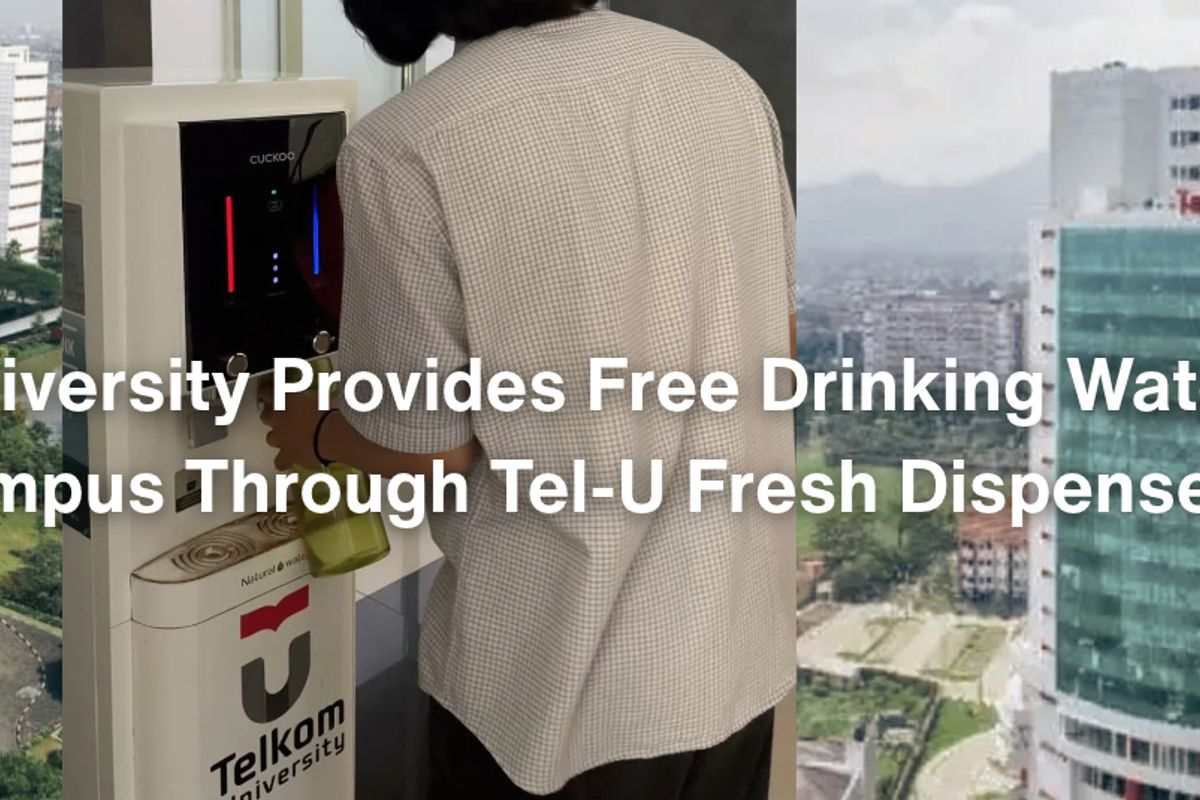
Telkom University provides free access to safe drinking water through more than 20 Tel-U Fresh dispensers across campus. Supported by a four-stage water filtration system, this initiative promotes healthy hydration, reduces single-use plastic waste, and encourages sustainable consumption in line with SDG 6: Clean Water and Sanitation and SDG 12: Responsible Consumption and Production.
Through its operational measures policy extensions services, Telkom University requires outsourced cleaning, catering, maintenance and procurement providers to separate and recycle waste, avoid single-use materials, use minimal packaging and report on their waste, with sustainability criteria built into their contracts.