Kumpulan update dan informasi terkini seputar SDGs.
2 SDG dipilih
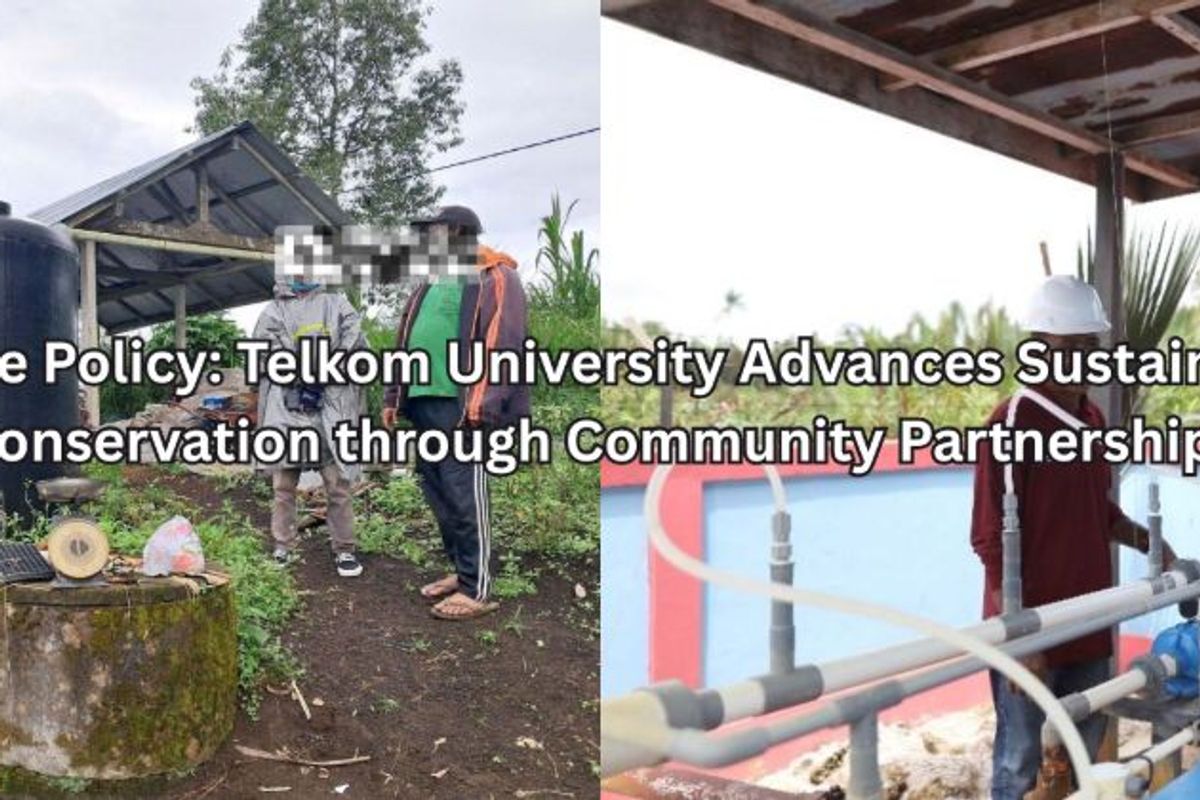
In 2025, Telkom University carried out 26 off-campus water conservation activities with farmers, villages and community groups. It installed IoT, LoRa and solar-powered drip and automatic irrigation, added water filtration and water-quality monitoring for fish farmers, and developed pipe-leak detection and digital water management for villages. It also evaluated community clean water facilities across Java through the Moneva SAB programme with PT Telkom Indonesia.
Aligned with SDG 2, Telkom University strengthens food security through sensor-based urban farming with a women farmers’ group in Bojongsoang, a Digital Twin system that increased rice field productivity by 22.8%, and affordable IoT aeroponics.
Aligned with SDG 15, Telkom University protects terrestrial ecosystems through drone-based biodiversity mapping in the Masigit Kareumbi Conservation Area, wildlife conservation storytelling through animation, and research on sustainable resource use.
Telkom University monitors water quality across its campus, from canal to lake, and brings IoT water monitoring to communities through SiMonA freshwater aquaponics in Bandung and Crab Houses in Cirebon and Surabaya.
Through its sustainable practices planning development new brownfield builds approach, Telkom University builds new facilities such as the Pendopo, pickleball and basketball courts on previously used land instead of green spaces, while preserving its historic Radio Malabar towers.
Telkom University makes sure every campus building meets national sustainability standards and passes an environmental impact assessment (AMDAL) with the Bandung Regency Government before construction. Bandung Techno Park, for example, was assessed on 13 environmental and social aspects.
Telkom University prioritises local and sustainable food sources. On 23 June 2025, it signed Kampung Sorgum website licence agreements with Sorgumology StartUp, Komunitas Halal Bandung and KWT Melati Sorgum. Its canteen agreements require local MSME tenants to serve healthy, halal food in degradable packaging, without Styrofoam or packaged drinks, and it is developing Smart Poultry Farming and the IoT- and solar-powered Crabhouse silvofishery programme.
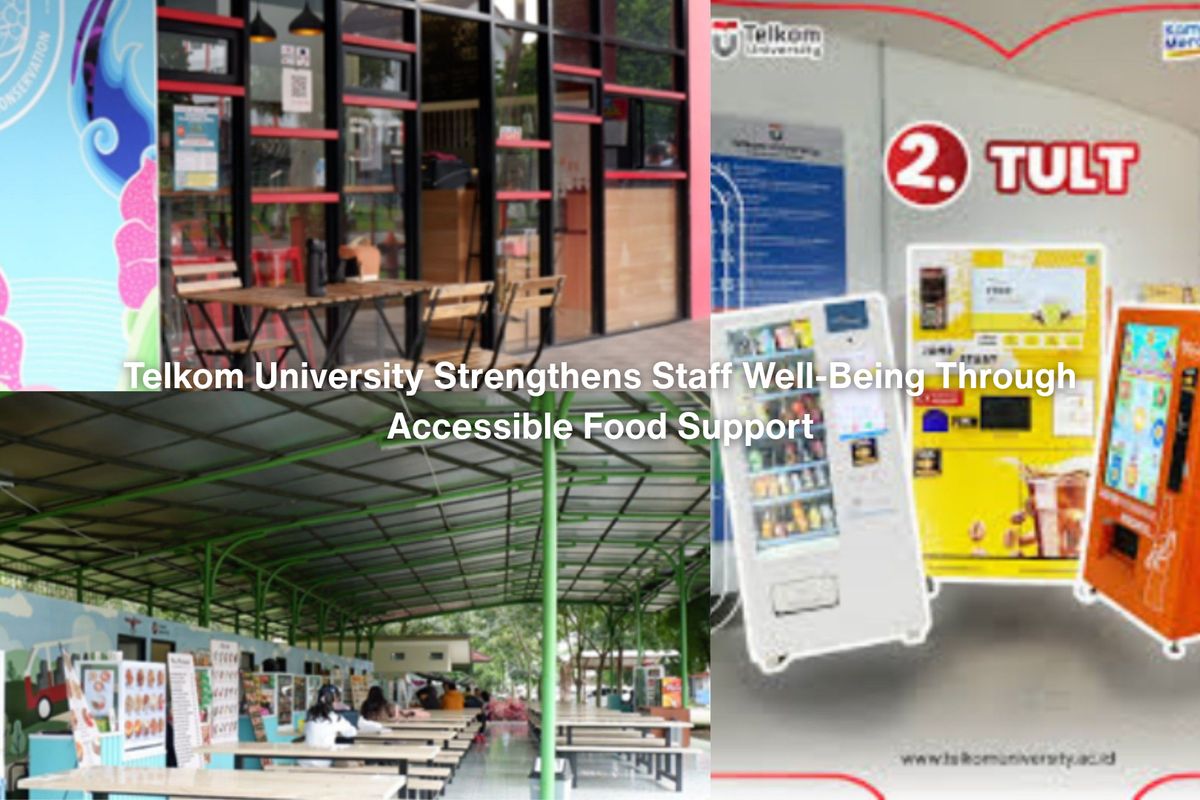
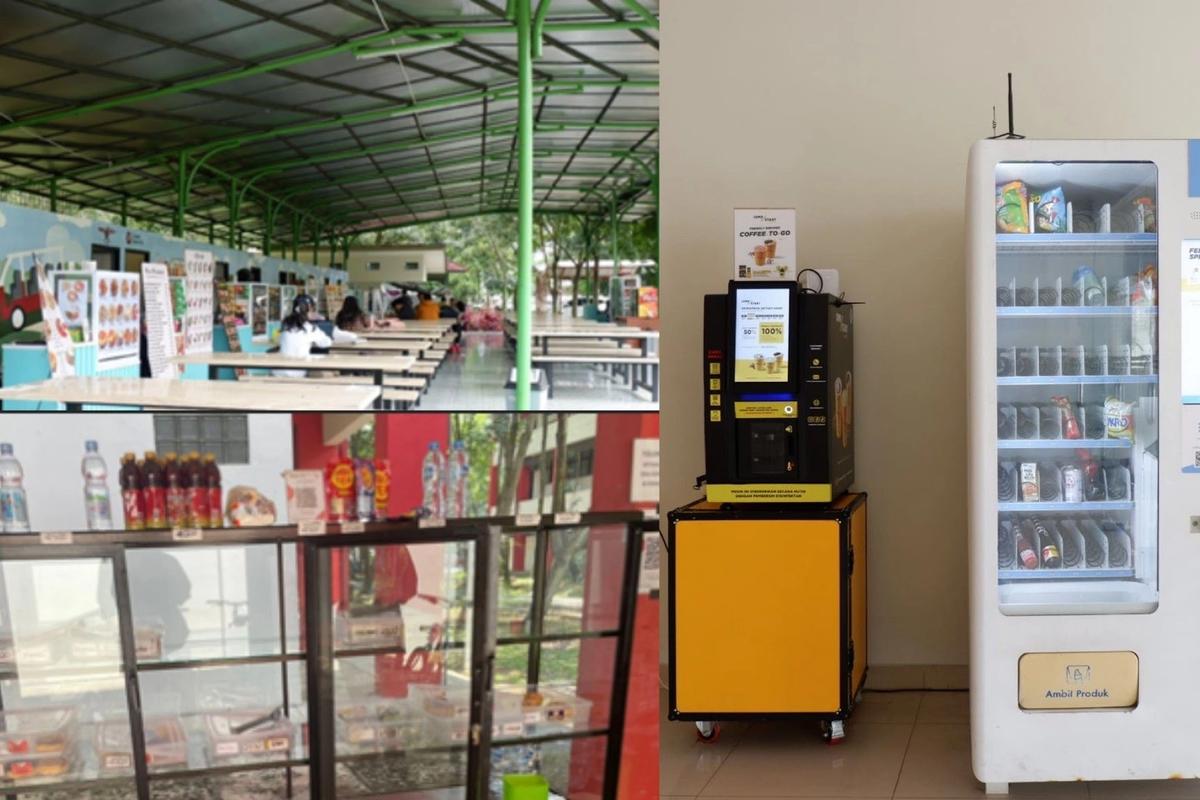
Telkom University supports employee welfare and food security through various workplace initiatives, including food tenants, office pantries, food banks, vending machines, meeting refreshments, and monthly meal allowances. These efforts aim to ensure convenient access to food while promoting a healthy and supportive working environment in line with SDG 2: Zero Hunger and SDG 3: Good Health and Well-Being.
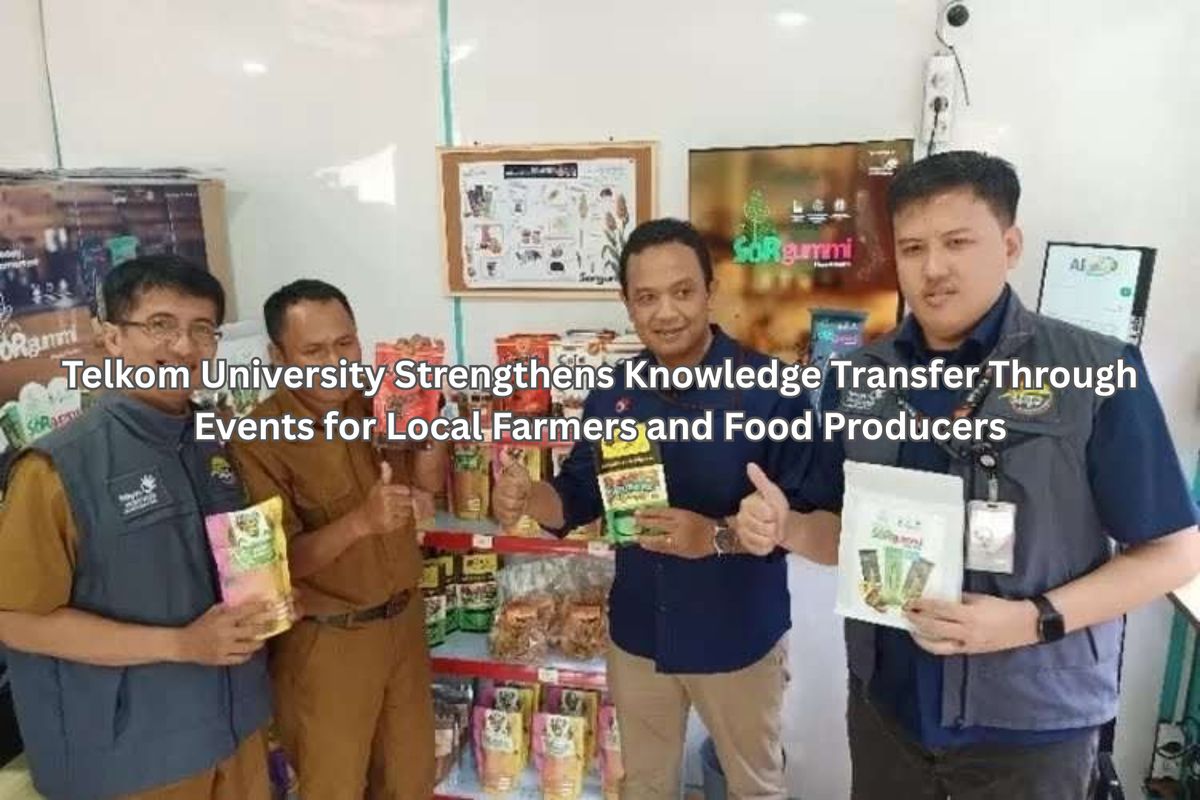
In 2025, Telkom University held at least 24 events for local farmers and food producers across West, Central and East Java, reaching farmer groups, fish farmers, livestock farmers and small food businesses. The events ran from pest and disease education at the Selaawi Agricultural Extension Centre and LoRa-based irrigation training to aquaculture business management, processing of fish, milk and coconut sugar, and halal certification support. They gave local producers practical skills and a place to connect with university experts and with one another, supporting SDG 2, SDG 12 and SDG 14.
Telkom University implements an integrated water management system through groundwater monitoring, rainwater harvesting, wastewater treatment, and water reuse initiatives. Supported by sustainable infrastructure and IoT technology, these efforts aim to conserve water resources, maintain water quality, and reduce environmental impacts in support of SDG 6: Clean Water and Sanitation.
Telkom University strengthens campus food security and student welfare through various initiatives, including free meal programs, affordable dining facilities, nutrition education, and local food innovation. These efforts promote access to safe and nutritious food while supporting SDG 2: Zero Hunger and SDG 3: Good Health and Well-Being.