Kumpulan update dan informasi terkini seputar SDGs.
3 SDG dipilih
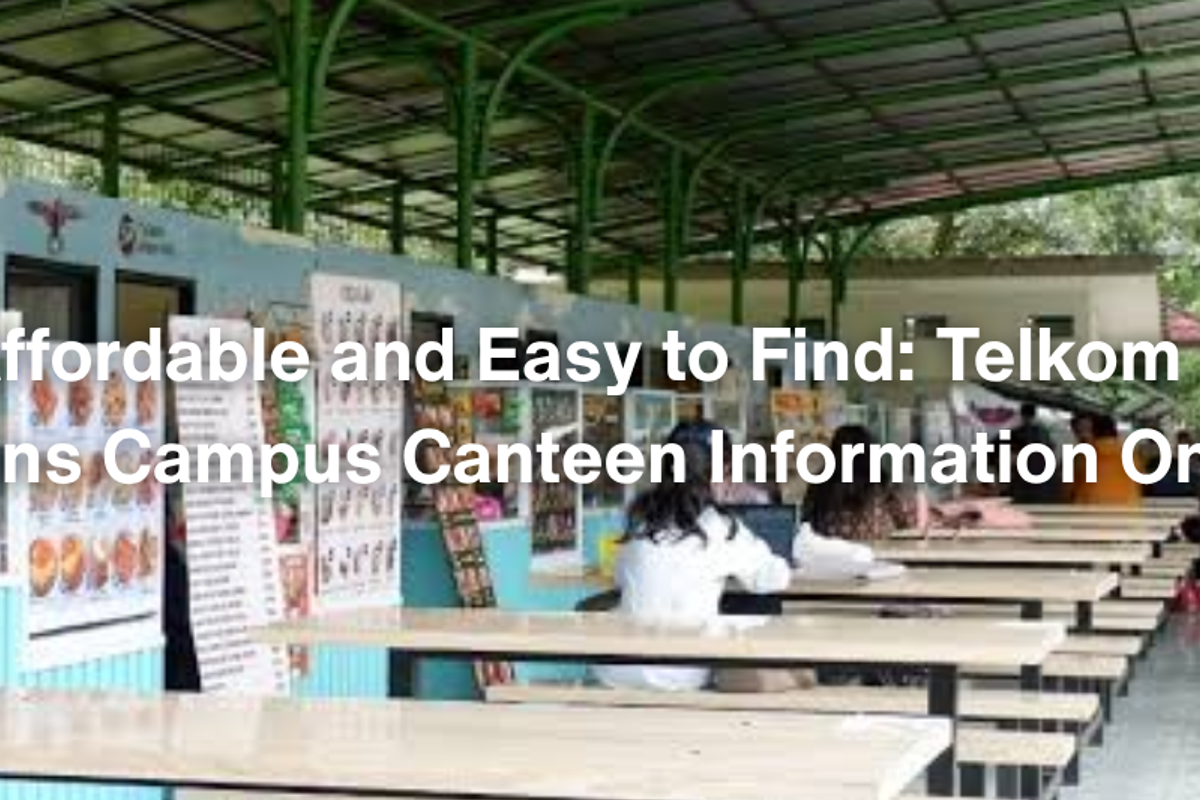
Telkom University provides healthy, diverse and affordable food for everyone on campus. Vendors are selected on food quality, hygiene, nutrition and menu diversity, including vegetarian, vegan and allergen-aware options. Canteen agreements require healthy, halal food in eco-friendly packaging, and food safety is backed by Bandung Regency Health Office hygiene certification and food handler training.
Telkom University keeps students well fed with free Jumat Berkah lunches every Friday, free iftar meals on Mondays and Thursdays, budget-friendly canteens and vending machines, campus-grown sorghum, and nutrition education with the Bandung Health Agency.
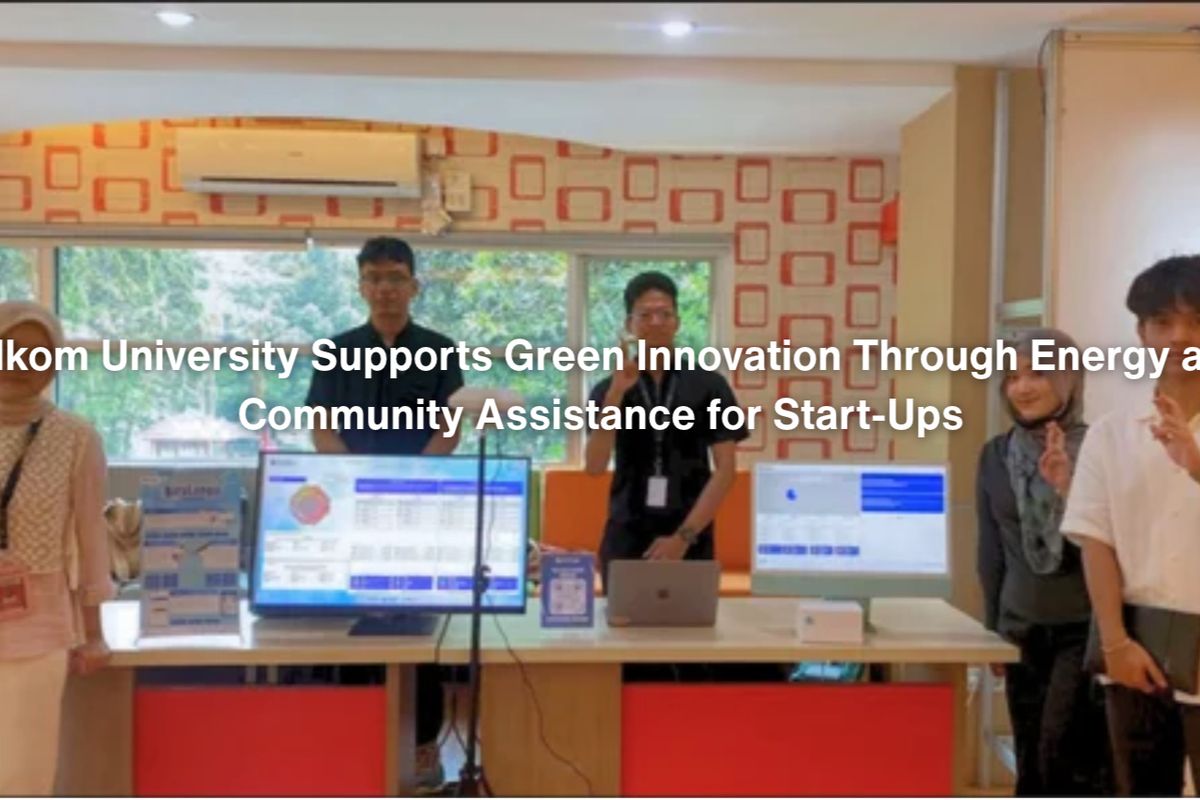
Telkom University provides energy and community assistance for start-ups through Bandung Techno Park innovation grants, a BRIN-funded carbon monitoring project with the university start-up PT Eskhalasi Langit Biru, a 2025 partnership with Hong Kong Cyberport to help start-ups reach overseas markets, and community service programmes. Together, these helped small enterprises adopt electric mobility, solar energy and waste-to-value technology.
Telkom University advances energy efficiency through its Digital Green Campus Masterplan by integrating smart energy management, renewable energy systems, and energy-efficient building technologies. With IoT-based monitoring, automated facilities, and 258,592 m² of smart building areas, the university strengthens its commitment to sustainable infrastructure and supports SDG 7: Affordable and Clean Energy, SDG 11: Sustainable Cities and Communities, and SDG 13: Climate Action.
Through its sustainable practices actions, Telkom University encourages greener travel on campus with an over-4 km walking network, the TelUtizen 10,000-steps challenge on Instagram, and electric shuttles that link buildings, car parks and dormitories.
Telkom University runs regular energy audits and reviews, supported by its IoT-based Intelligent Energy Management System and lecturer research, to find where energy waste is highest across campus. The findings have led to LED lighting, automated air conditioning control and rooftop solar power.
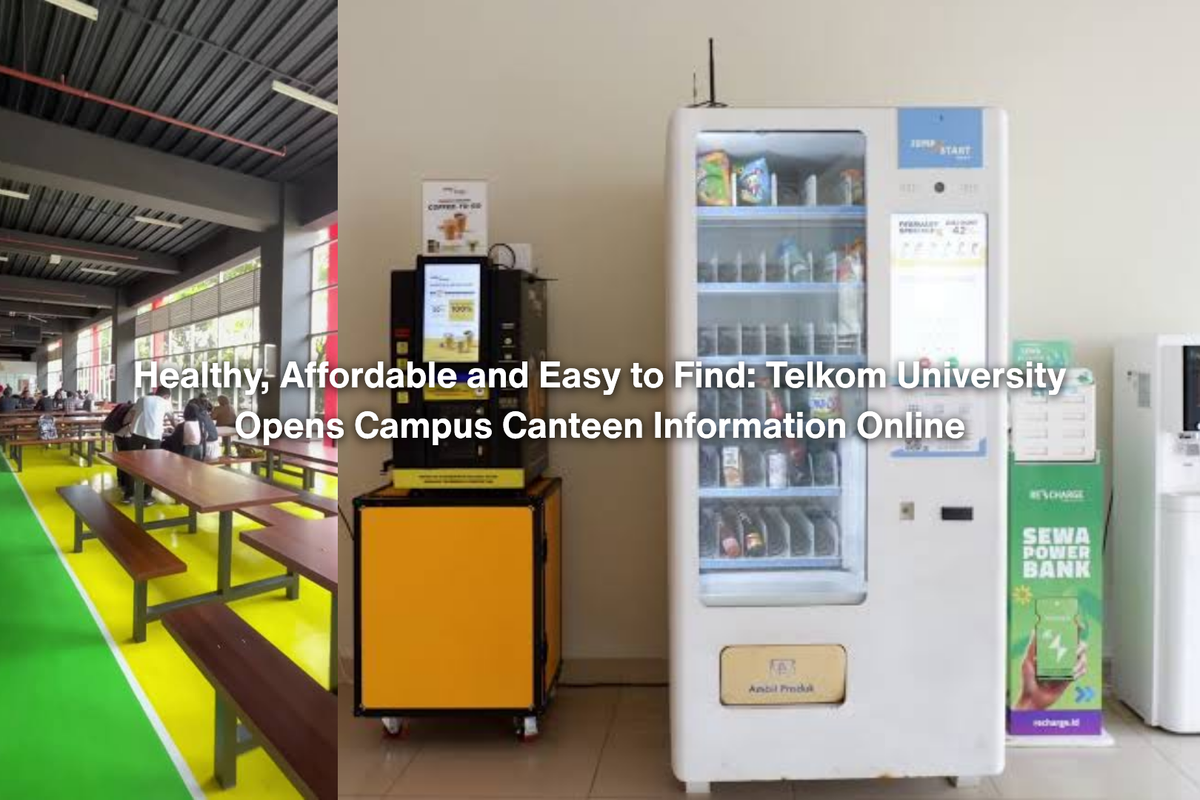
Telkom University provides healthy and affordable food choices for everyone on campus through selective tenant selection and canteen agreements that require healthy, clean and affordable food at agreed prices. The official canteen website (canteen.telkomuniversity.ac.id) lists canteens, tenants, menus, locations and price ranges.
Telkom University strengthened its student hunger interventions in 2025 through Jumat Berkah free meals and charity, healthy rebusan refreshments at university activities, balanced “4 sehat 5 sempurna” Ramadan meals with fruit, 61 canteen tenants across 7 campus locations, 24-hour vending machines, and sorghum outlets and free sorghum cereal in the faculties.
Telkom University backs its energy and community pledge renewable energy commitment and its Net Zero Emission 2030 target with a weekly car-free campus day, introduced by Rector’s Circular Letter in December 2025. It promotes the renewable energy transition beyond campus through community programmes and regional SDG policy engagement.
Telkom University supports clean energy policy through BRIN- and ministry-funded research, solar pilot projects with village governments, and international partnerships with UTP Malaysia and IEEE.
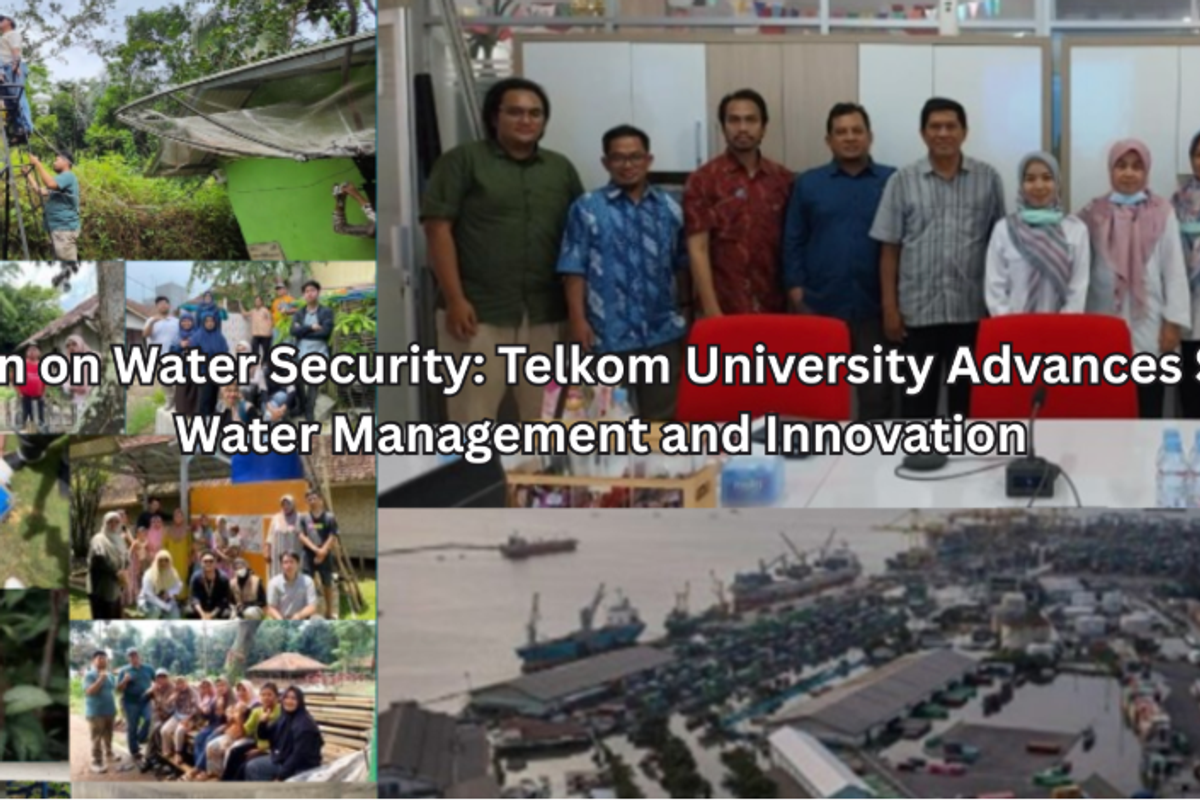
BANDUNG (22/02/25) Through cooperation on water security, Telkom University continues to strengthen its contribution to sustainable water management through technological innovation, campus infrastructure, community empowerment, and international partnerships. Supporting SDG 6: Clean Water and Sanitation and SDG 17: Partnerships for the Goals, these initiatives demonstrate the importance of collaboration in addressing water-related challenges and building a more sustainable future.
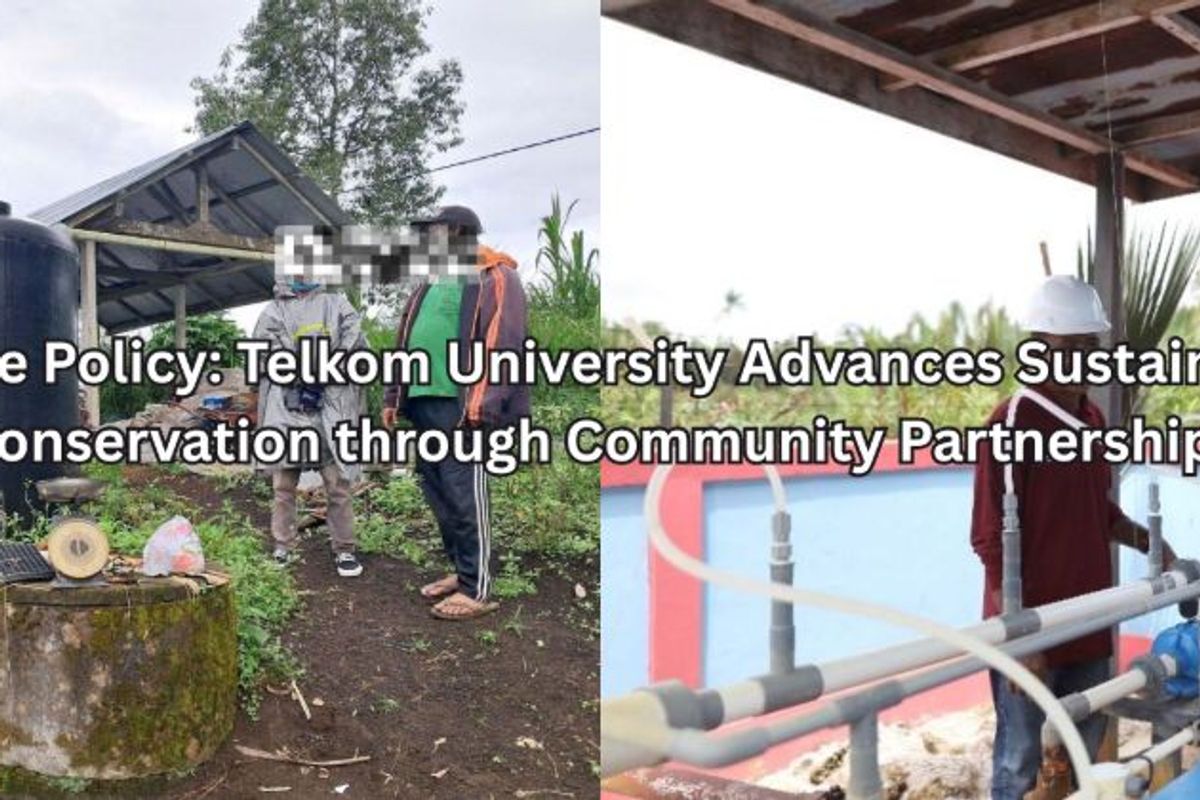
In 2025, Telkom University carried out 26 off-campus water conservation activities with farmers, villages and community groups. It installed IoT, LoRa and solar-powered drip and automatic irrigation, added water filtration and water-quality monitoring for fish farmers, and developed pipe-leak detection and digital water management for villages. It also evaluated community clean water facilities across Java through the Moneva SAB programme with PT Telkom Indonesia.