Kumpulan update dan informasi terkini seputar SDGs.
2 SDG dipilih
Aligned with SDG 4, Telkom University expands access to quality education through digital literacy and academic mentoring at SMAN 8 Balikpapan, public speaking training at MAN 1 Pangandaran, and AI-based research to improve learning.
Telkom University integrates sustainability into higher education through specialized courses, interdisciplinary learning, and energy-focused academic programs. By incorporating sustainability principles across its seven faculties and introducing the Bachelor of Energy Systems Engineering program, the university equips students with the knowledge and skills to address environmental and social challenges. Supported by cross-sector collaboration in line with SDG 17 (Partnerships for the Goals), these initiatives connect education with practical solutions for a more sustainable future.
Telkom University monitors water quality across its campus, from canal to lake, and brings IoT water monitoring to communities through SiMonA freshwater aquaponics in Bandung and Crab Houses in Cirebon and Surabaya.
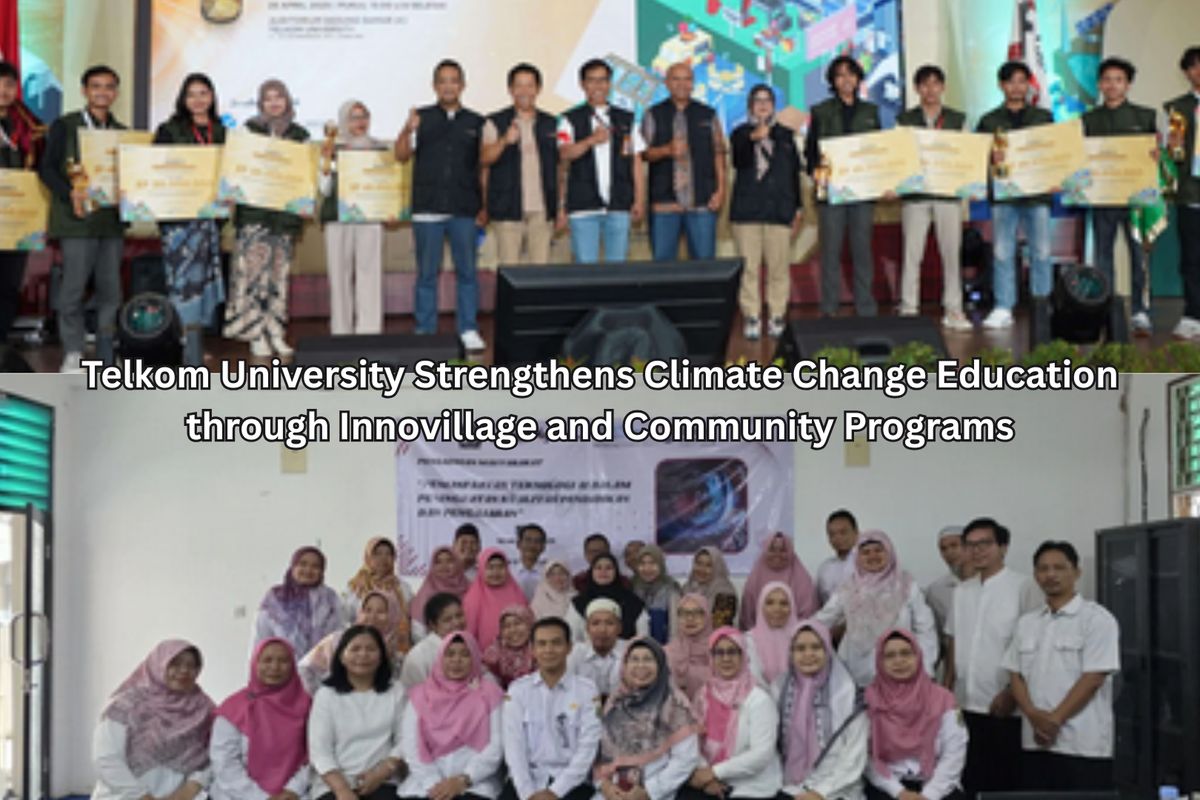
From kindergarten classrooms in Cianjur to a landslide-prone village in Banyumas, Telkom University is helping local communities understand climate change and prepare for it. In 2025, its lecturers and students ran local education programmes and campaigns on disaster risk, early warning, clean energy and waste reduction for children, teachers, village officials and residents. Together, these environmental education measures bring climate knowledge directly to the communities most exposed to its effects.
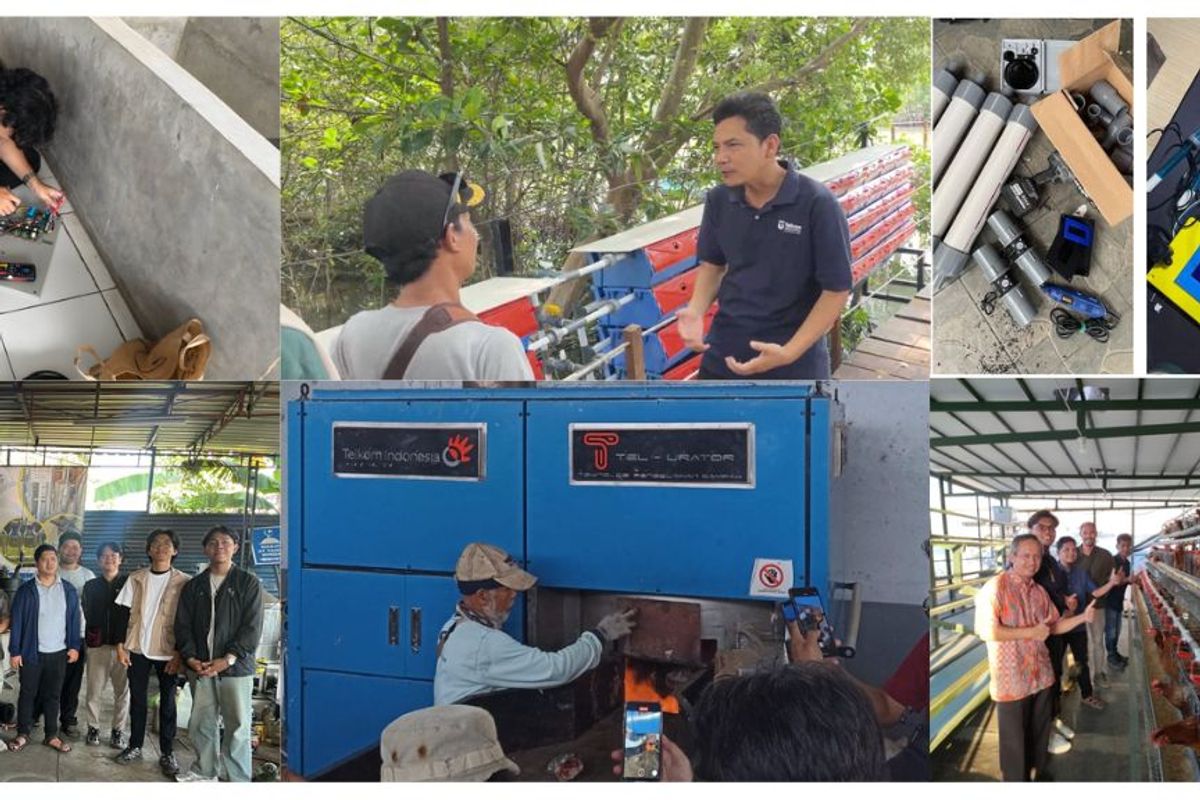
elkom University continues to foster the development of innovative technologies that address environmental challenges while promoting sustainable resource management. Through its integrated research and innovation ecosystem, the university has introduced several pioneering solutions across water management, sustainable agriculture, waste processing, and clean energy.
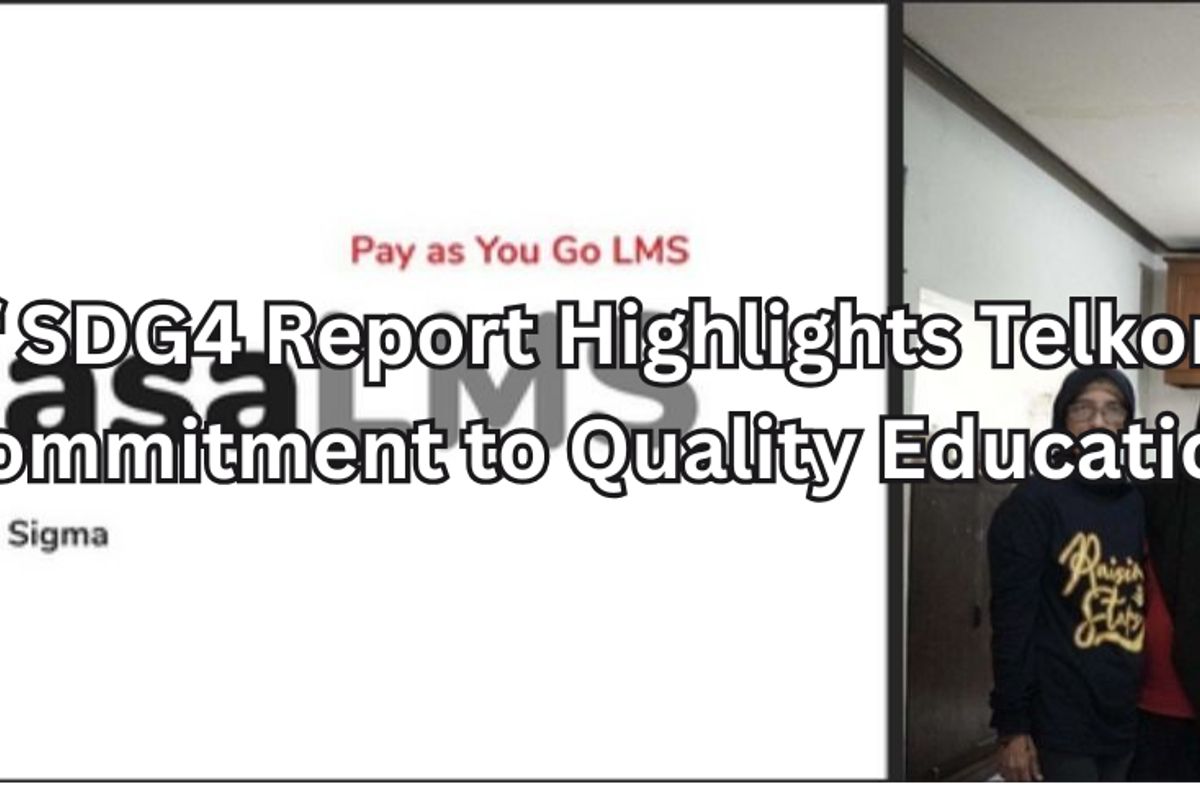
Telkom University’s SDGs Report 2025 highlights its commitment to inclusive and equitable education through collaborations that develop accessible digital learning platforms and assistive technologies. From ANGKASA LMS, developed with Telkom Sigma, to the Down Syndrome Tracker in partnership with POTADS West Java, these initiatives expand learning opportunities and support inclusive education through cross-sector collaboration, contributing to SDG 4 (Quality Education) and SDG 17 (Partnerships for the Goals).
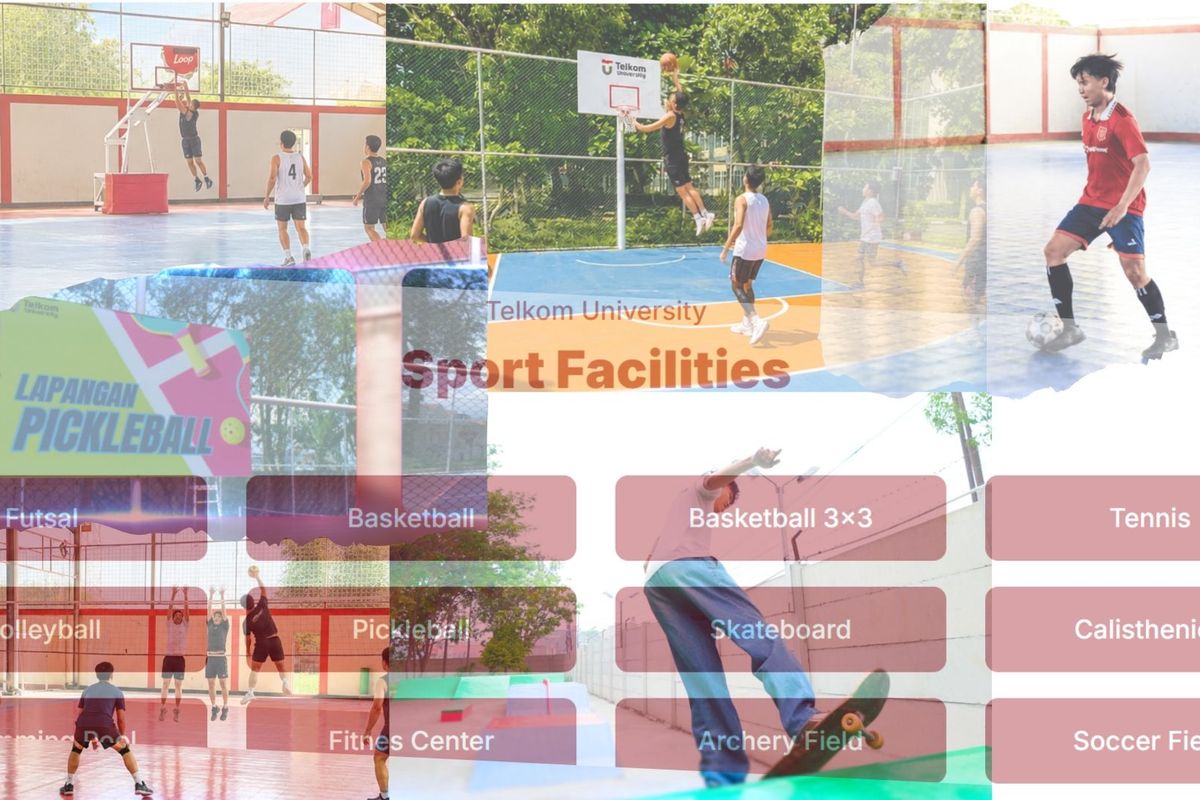
The Student Center Building features a multipurpose indoor sports court designed to accommodate various activities, including basketball, volleyball, and badminton. Beyond recreational use, this facility serves as a venue for friendly competitions and inter-faculty tournaments, fostering teamwork, sportsmanship, and stronger connections among students.
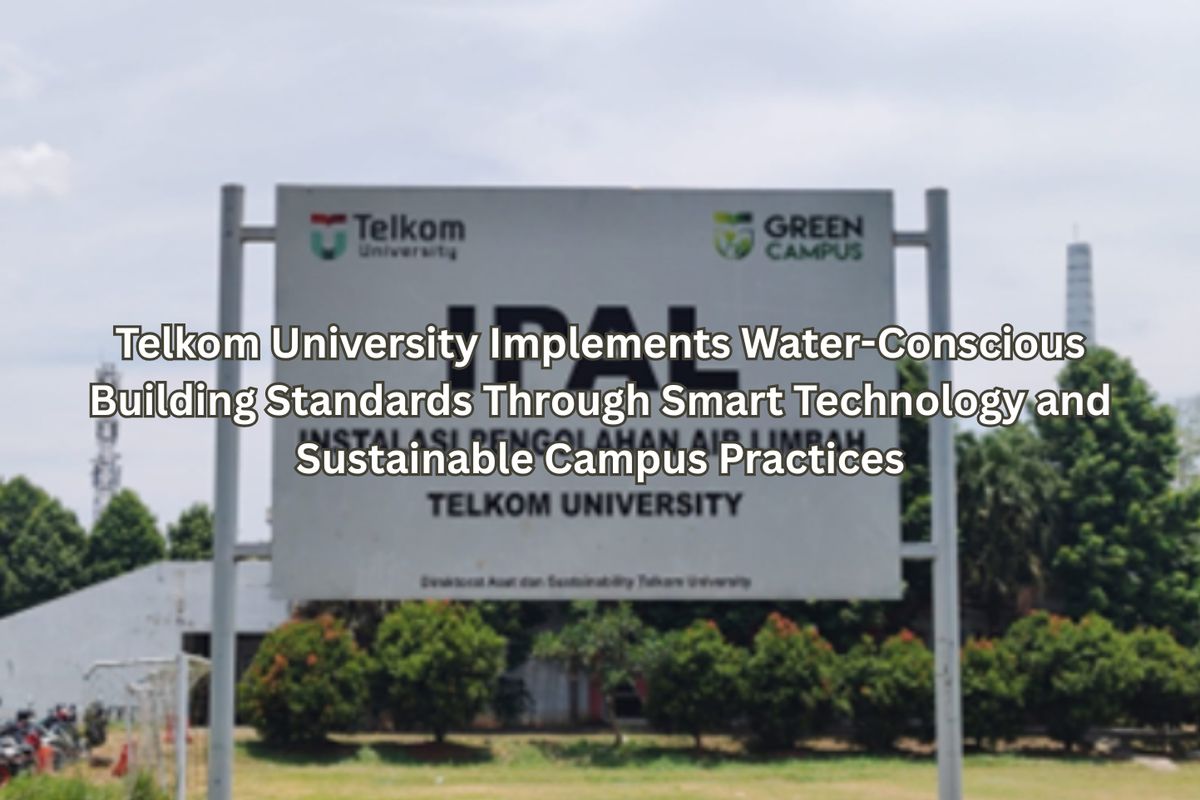
Telkom University applies water-conscious building standards, fitting new buildings with dual-flush toilets, installing sensor and push taps, and making showers standard in dormitories housing 7,000 students. Water-saving devices now make up 73% of campus fixtures, supported by rainwater harvesting and IoT monitoring.
Telkom University integrates environmental and social considerations into campus development through compliance with national regulations and Environmental Impact Assessments (AMDAL). By evaluating potential impacts on air and water quality, infrastructure, public health, and surrounding communities before construction begins, the university promotes responsible infrastructure planning in support of SDG 9: Industry, Innovation and Infrastructure, and SDG 11: Sustainable Cities and Communities.
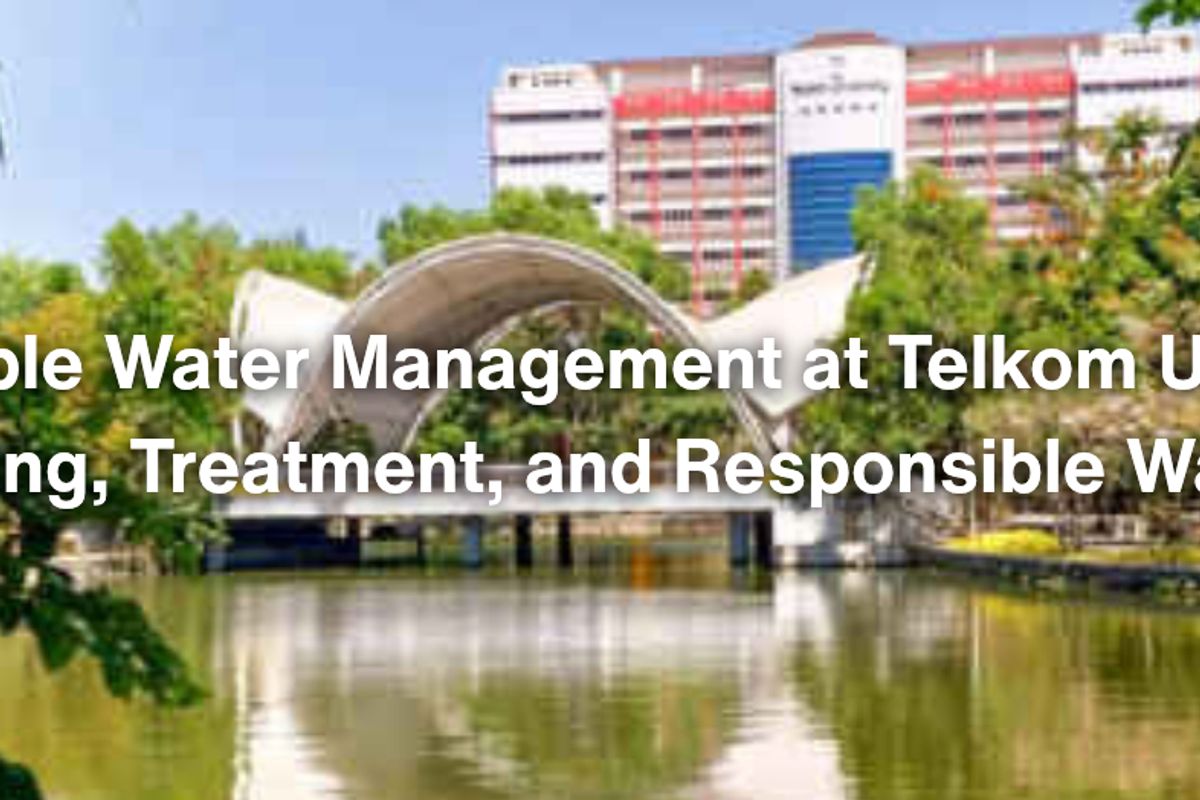
Telkom University implements an integrated water management system through groundwater monitoring, rainwater harvesting, wastewater treatment, and water reuse initiatives. Supported by sustainable infrastructure and IoT technology, these efforts aim to conserve water resources, maintain water quality, and reduce environmental impacts in support of SDG 6: Clean Water and Sanitation.
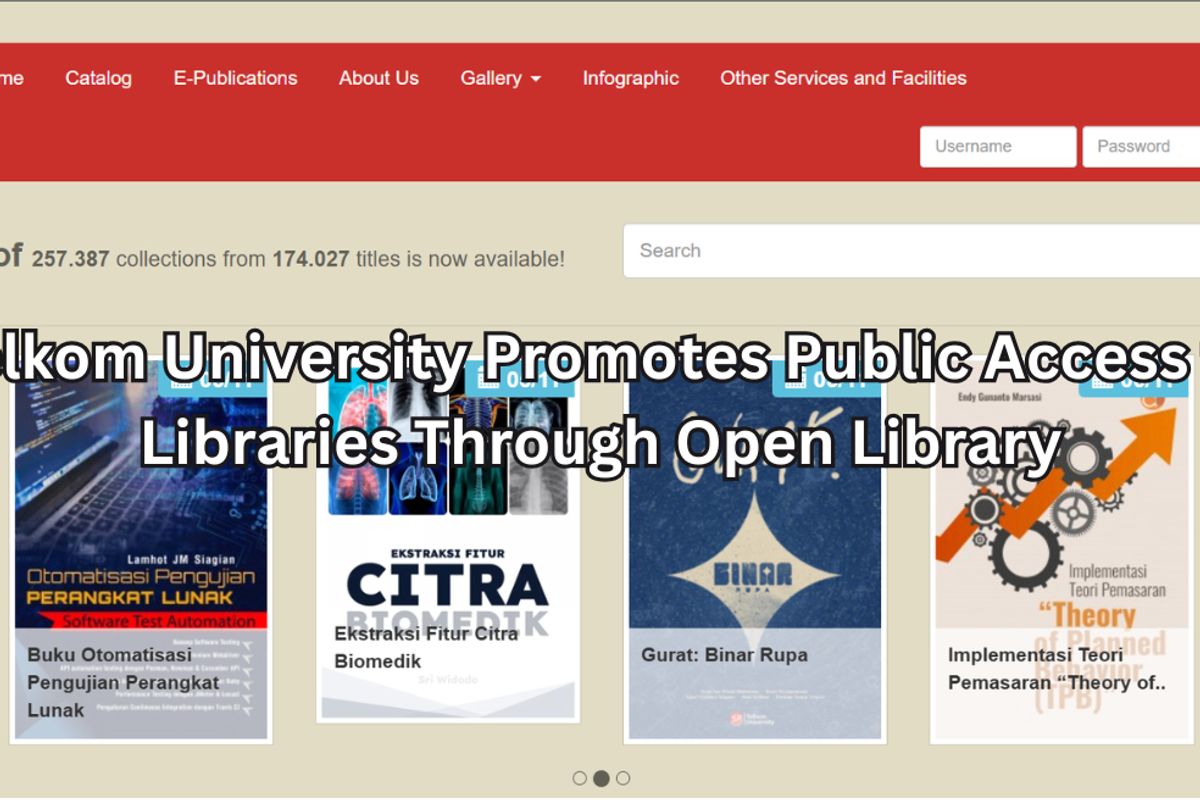
Telkom University expands access to education and knowledge through its Open Library, welcoming both university members and the general public to use designated library facilities and explore selected digital resources. By providing access to academic publications, course materials, and learning spaces, the initiative promotes inclusive education and lifelong learning in support of SDG 4 (Quality Education).