Kumpulan update dan informasi terkini seputar SDGs.
3 SDG dipilih
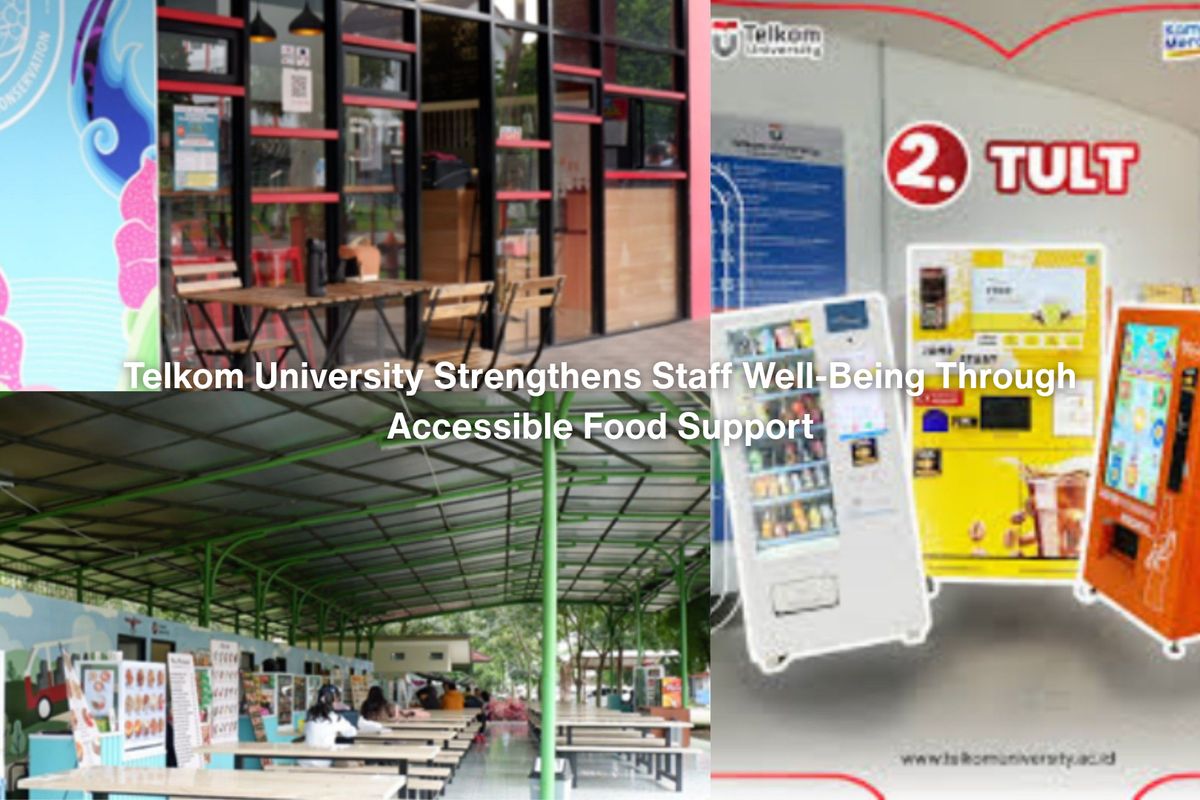
Telkom University strengthened its student hunger interventions in 2025 through Jumat Berkah free meals and charity, healthy rebusan refreshments at university activities, balanced “4 sehat 5 sempurna” Ramadan meals with fruit, 61 canteen tenants across 7 campus locations, 24-hour vending machines, and sorghum outlets and free sorghum cereal in the faculties.
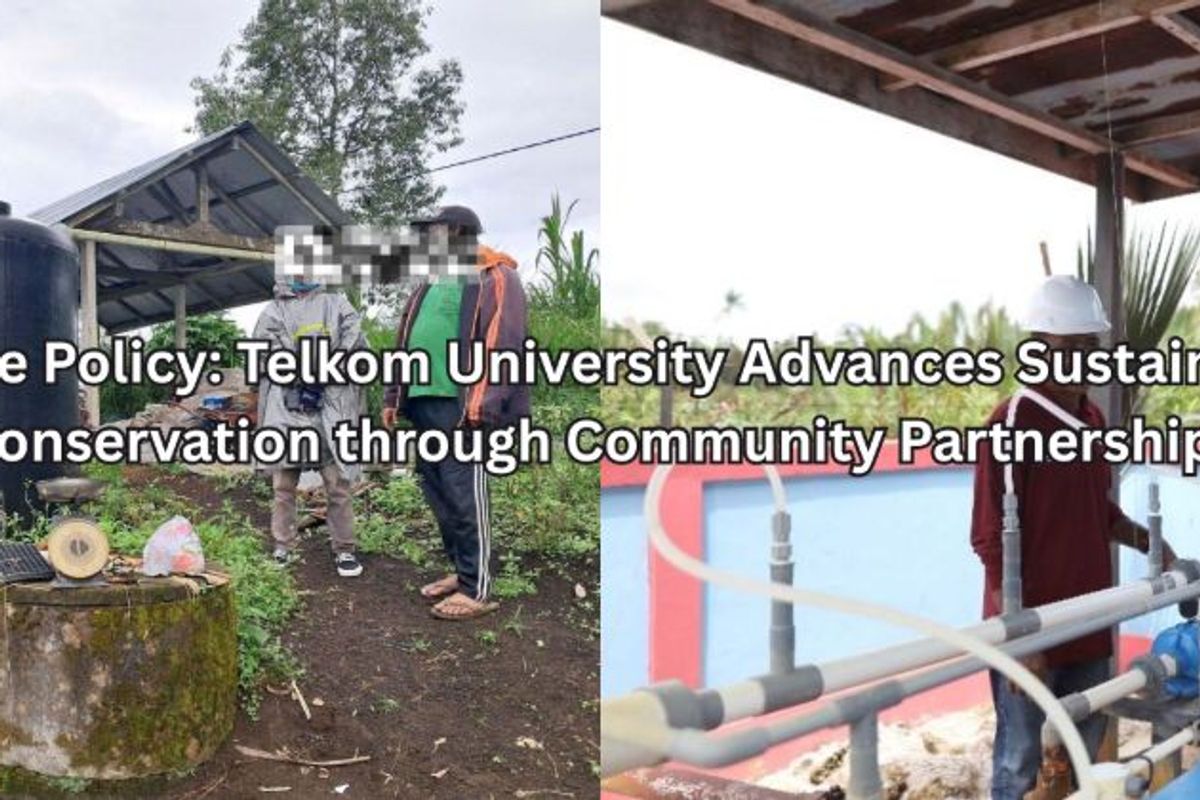
In 2025, Telkom University carried out 26 off-campus water conservation activities with farmers, villages and community groups. It installed IoT, LoRa and solar-powered drip and automatic irrigation, added water filtration and water-quality monitoring for fish farmers, and developed pipe-leak detection and digital water management for villages. It also evaluated community clean water facilities across Java through the Moneva SAB programme with PT Telkom Indonesia.
Aligned with SDG 2, Telkom University strengthens food security through sensor-based urban farming with a women farmers’ group in Bojongsoang, a Digital Twin system that increased rice field productivity by 22.8%, and affordable IoT aeroponics.
Aligned with SDG 5, Telkom University advances gender equality through METALANG, an infrared butterfly pea flower dryer for a women farmers’ group, and research on women’s digital entrepreneurship and social campaign design.
Aligned with SDG 8, Telkom University empowers local economies through MSME cooperative mentoring, solar-powered ecotourism in Ketenger Village, and research on ergonomic and sustainable workplaces.
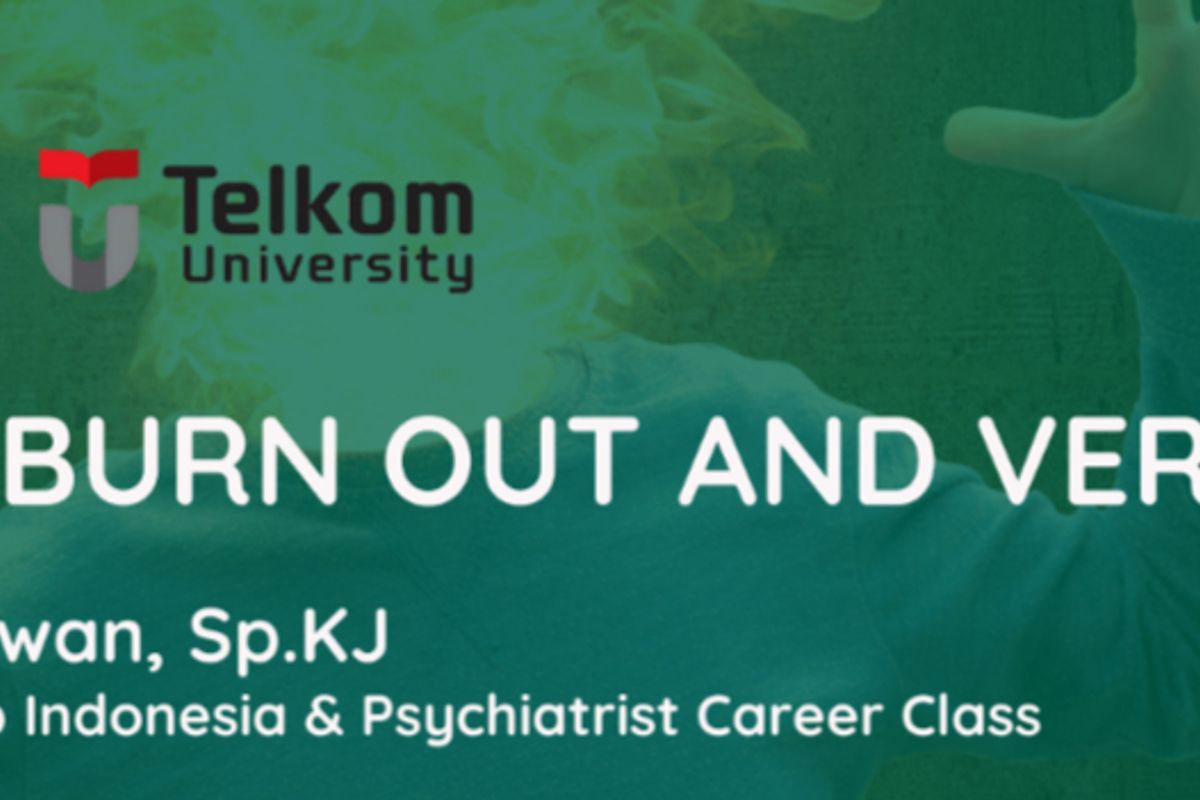
Telkom University strengthens mental health support for staff through its Employee Well-Being Program with Naluri: mental health talks, a burnout workshop with a psychiatrist, a DASS-21 assessment and nine batches of free private counselling across four campuses. This is complemented by BPJS Kesehatan coverage paid by the Foundation, giving staff access to psychiatrists and psychologists.
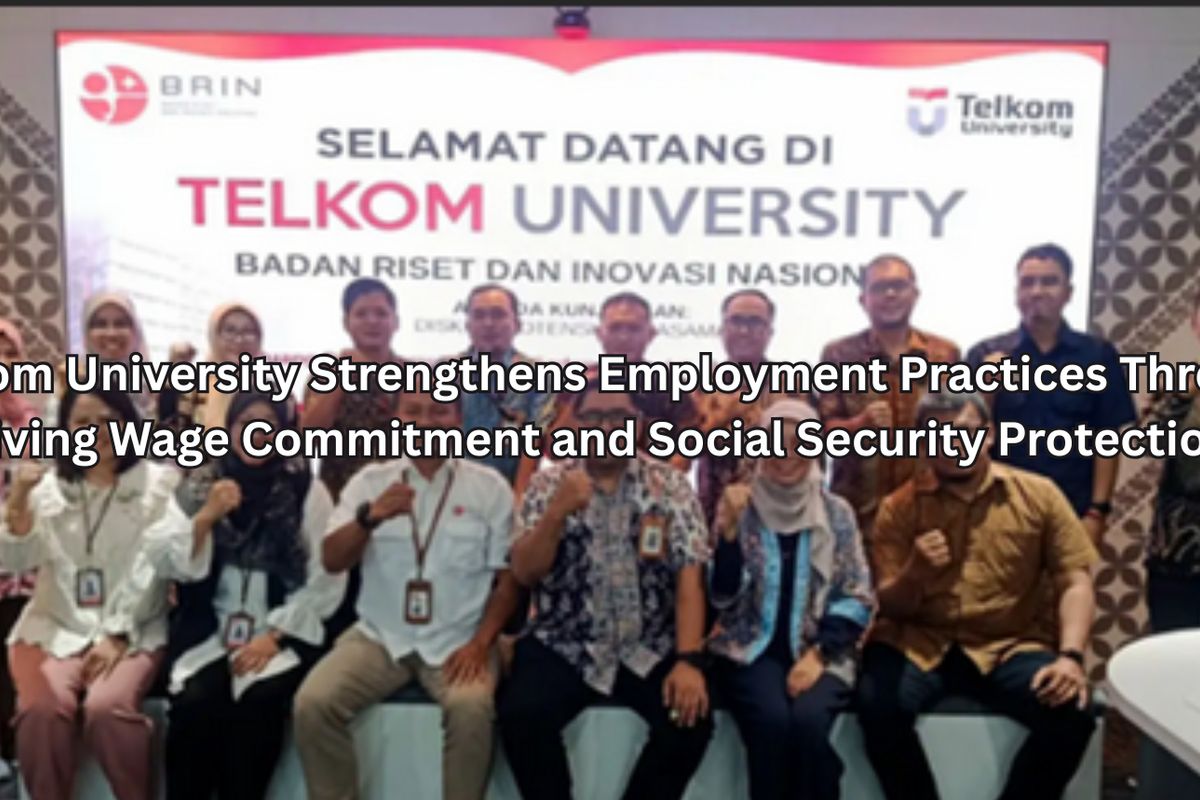
Telkom University’s employment practice living wage commitment ties the pay of all lecturers and staff to the regional minimum wage of Bandung Regency, which was IDR 3,757,284 per month in 2025. The commitment is carried out through the Telkom Education Foundation’s remuneration system and backed by full BPJS Ketenagakerjaan social security coverage.
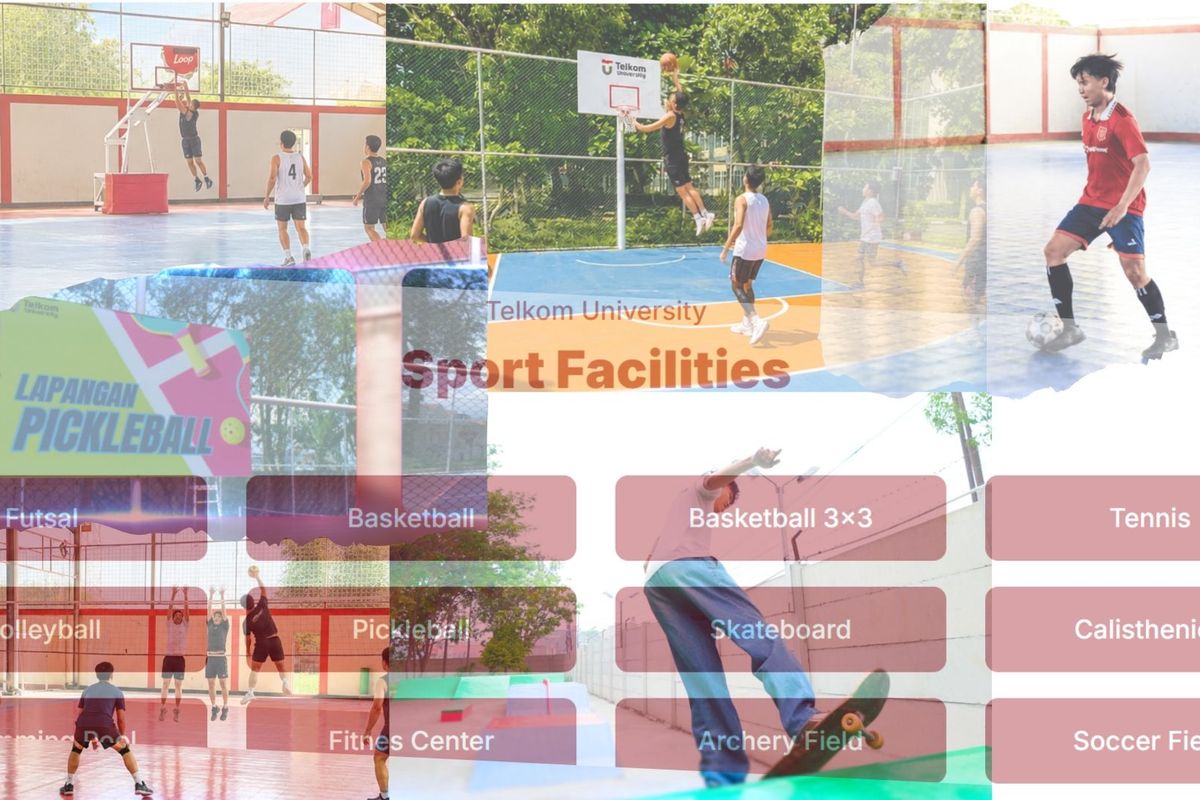
The Student Center Building features a multipurpose indoor sports court designed to accommodate various activities, including basketball, volleyball, and badminton. Beyond recreational use, this facility serves as a venue for friendly competitions and inter-faculty tournaments, fostering teamwork, sportsmanship, and stronger connections among students.
Telkom University has moved all salaries to the new YPT Payroll Application from August 2026. Employees can appeal unexplained pay discrepancies through an online form or by contacting the Payroll admin on WhatsApp at +62 821-2148-5066, and the Payroll Team verifies every report.
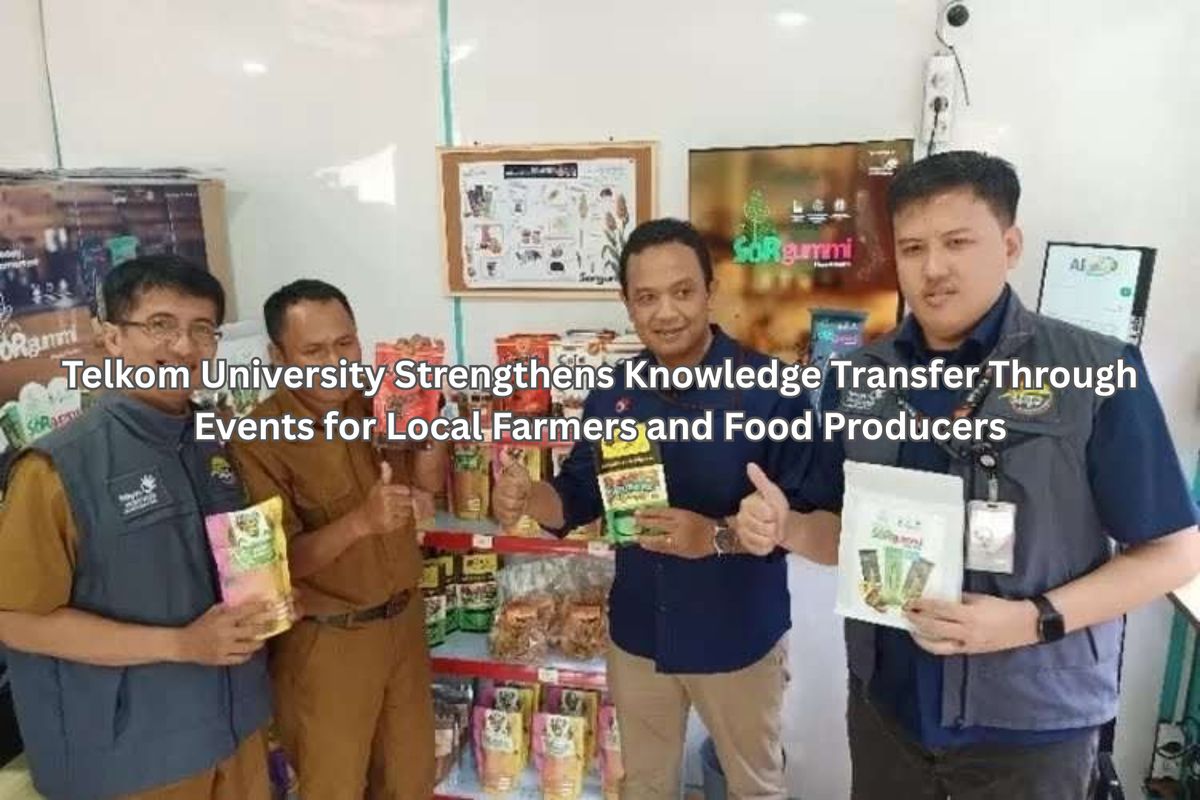
Telkom University prioritises local and sustainable food sources. On 23 June 2025, it signed Kampung Sorgum website licence agreements with Sorgumology StartUp, Komunitas Halal Bandung and KWT Melati Sorgum. Its canteen agreements require local MSME tenants to serve healthy, halal food in degradable packaging, without Styrofoam or packaged drinks, and it is developing Smart Poultry Farming and the IoT- and solar-powered Crabhouse silvofishery programme.
Telkom University supports employee welfare and food security through various workplace initiatives, including food tenants, office pantries, food banks, vending machines, meeting refreshments, and monthly meal allowances. These efforts aim to ensure convenient access to food while promoting a healthy and supportive working environment in line with SDG 2: Zero Hunger and SDG 3: Good Health and Well-Being.
In 2025, Telkom University held at least 24 events for local farmers and food producers across West, Central and East Java, reaching farmer groups, fish farmers, livestock farmers and small food businesses. The events ran from pest and disease education at the Selaawi Agricultural Extension Centre and LoRa-based irrigation training to aquaculture business management, processing of fish, milk and coconut sugar, and halal certification support. They gave local producers practical skills and a place to connect with university experts and with one another, supporting SDG 2, SDG 12 and SDG 14.