Kumpulan update dan informasi terkini seputar SDGs.
2 SDG dipilih
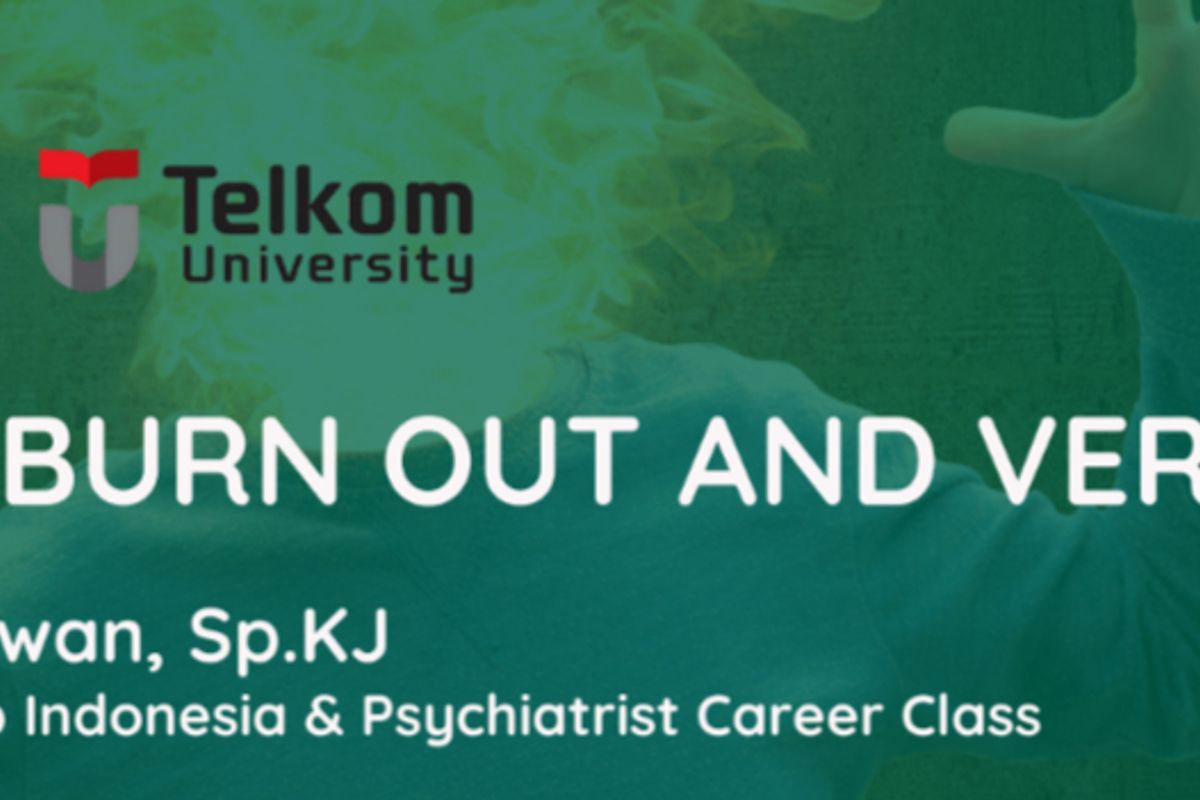
Telkom University strengthens mental health support for staff through its Employee Well-Being Program with Naluri: mental health talks, a burnout workshop with a psychiatrist, a DASS-21 assessment and nine batches of free private counselling across four campuses. This is complemented by BPJS Kesehatan coverage paid by the Foundation, giving staff access to psychiatrists and psychologists.
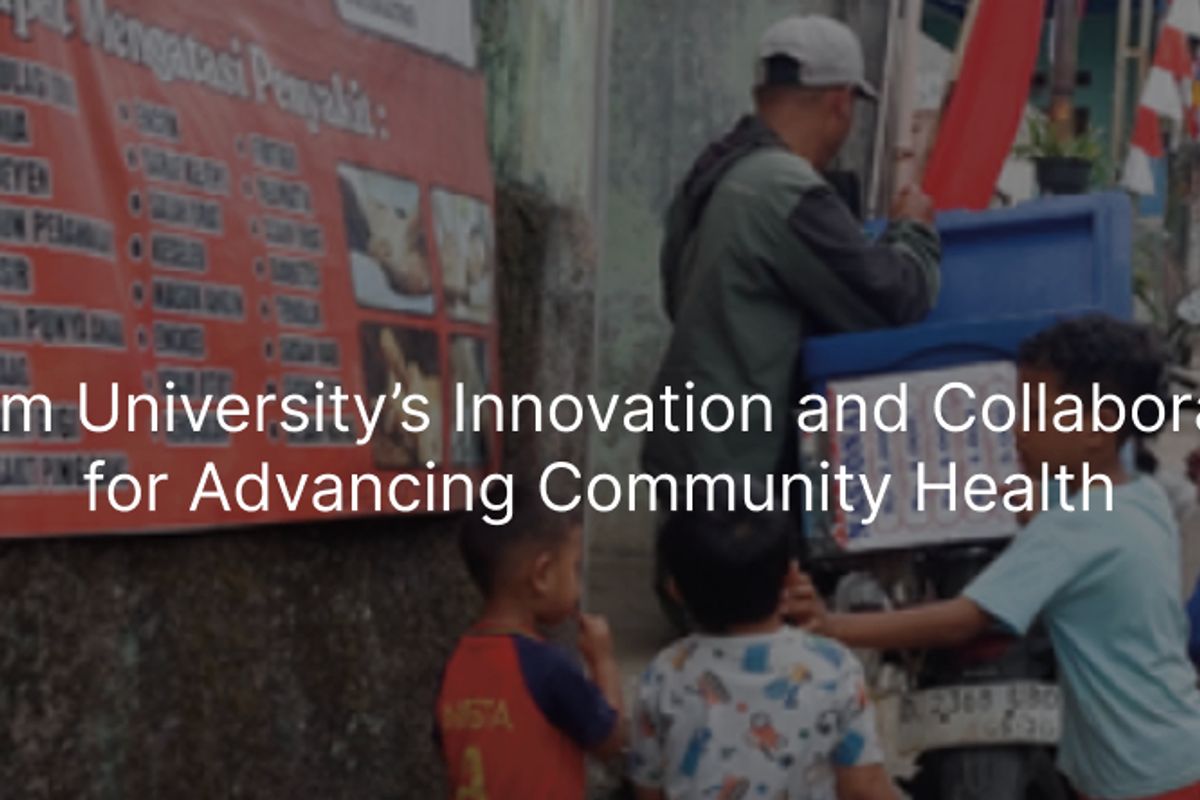
Telkom University’s SDGs Report 2025 highlights its contributions to public health through healthcare research, digital innovation, and community empowerment. From AI-assisted medical diagnostics to a digital stunting-monitoring dashboard that improved intervention processes by up to 30%, these initiatives demonstrate how technology and cross-sector collaboration can support community well-being, contributing to SDG 3 (Good Health and Well-being), SDG 8 (Decent Work and Economic Growth), and SDG 17 (Partnerships for the Goals).
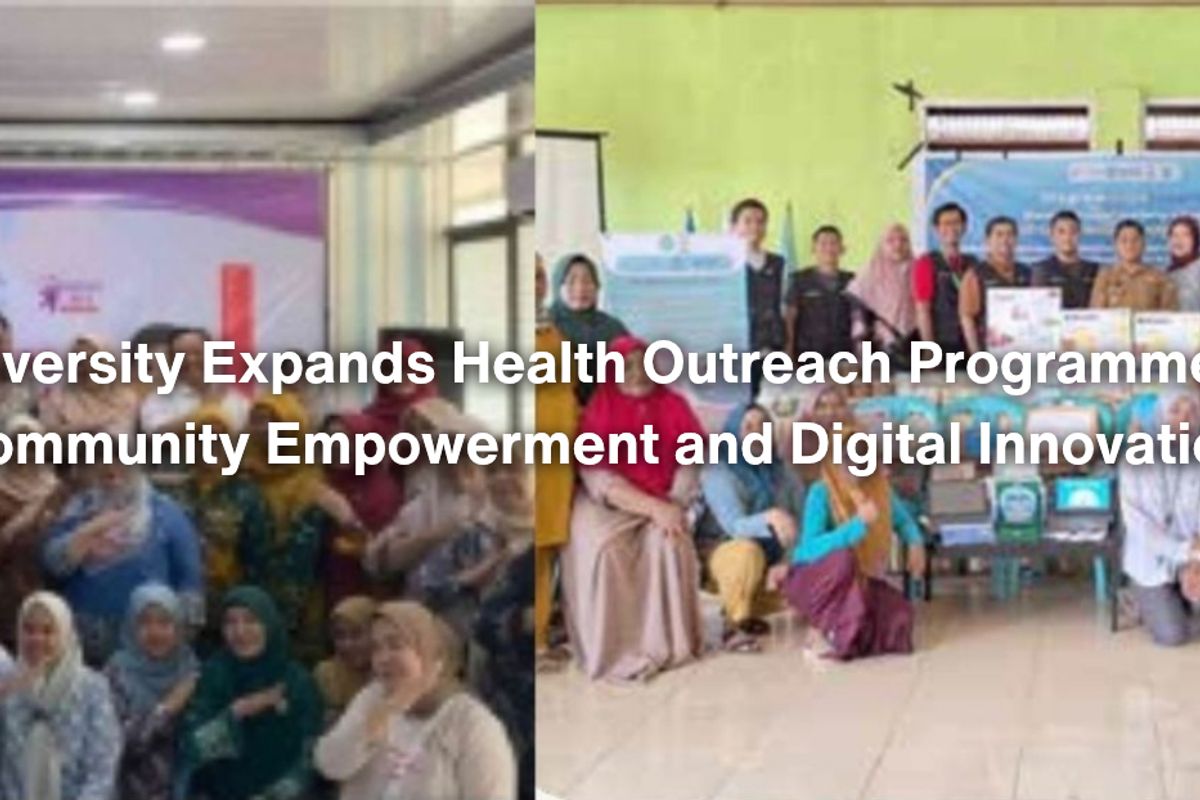
Telkom University expands its health outreach programmes with 50 health-focused community activities in 2025. They range from digital stunting monitoring with Posyandu cadres and hygiene education in schools to exercise videos for older adults, assistive technology for children with disabilities, and physiotherapy robots for stroke survivors, advancing SDG 3: Good Health and Well-being.
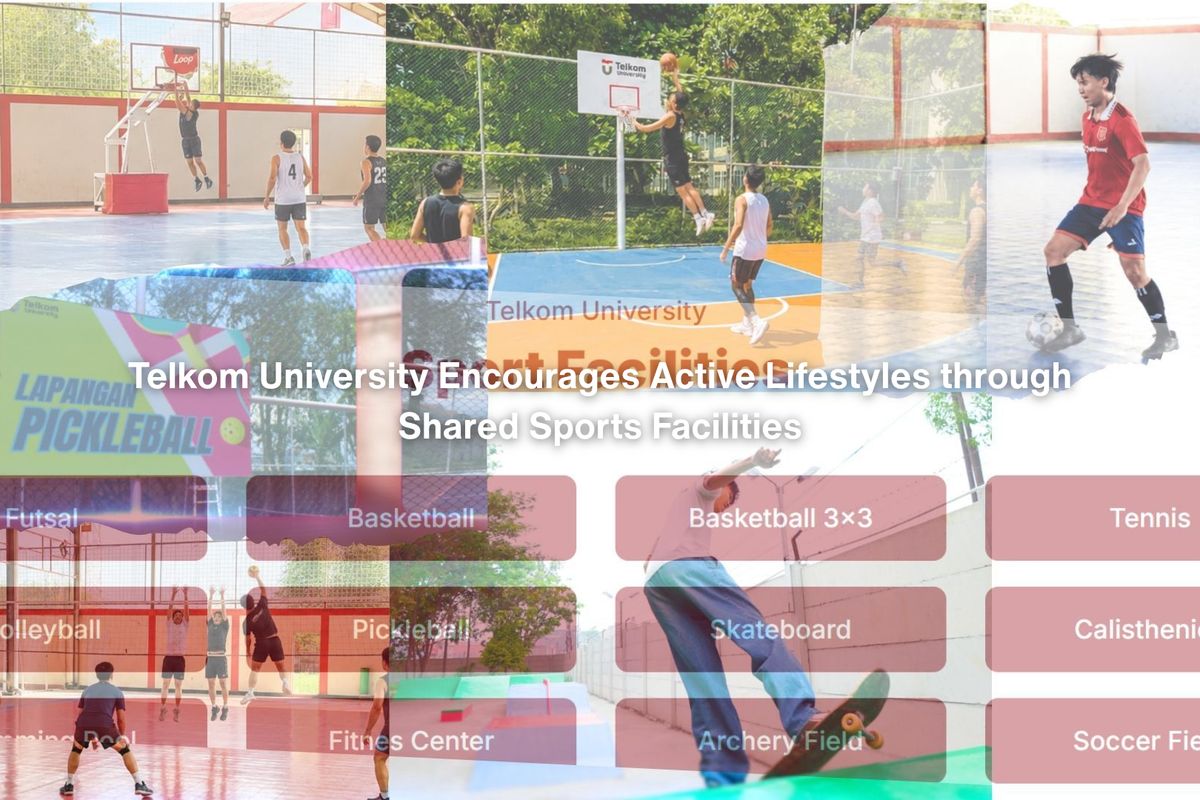
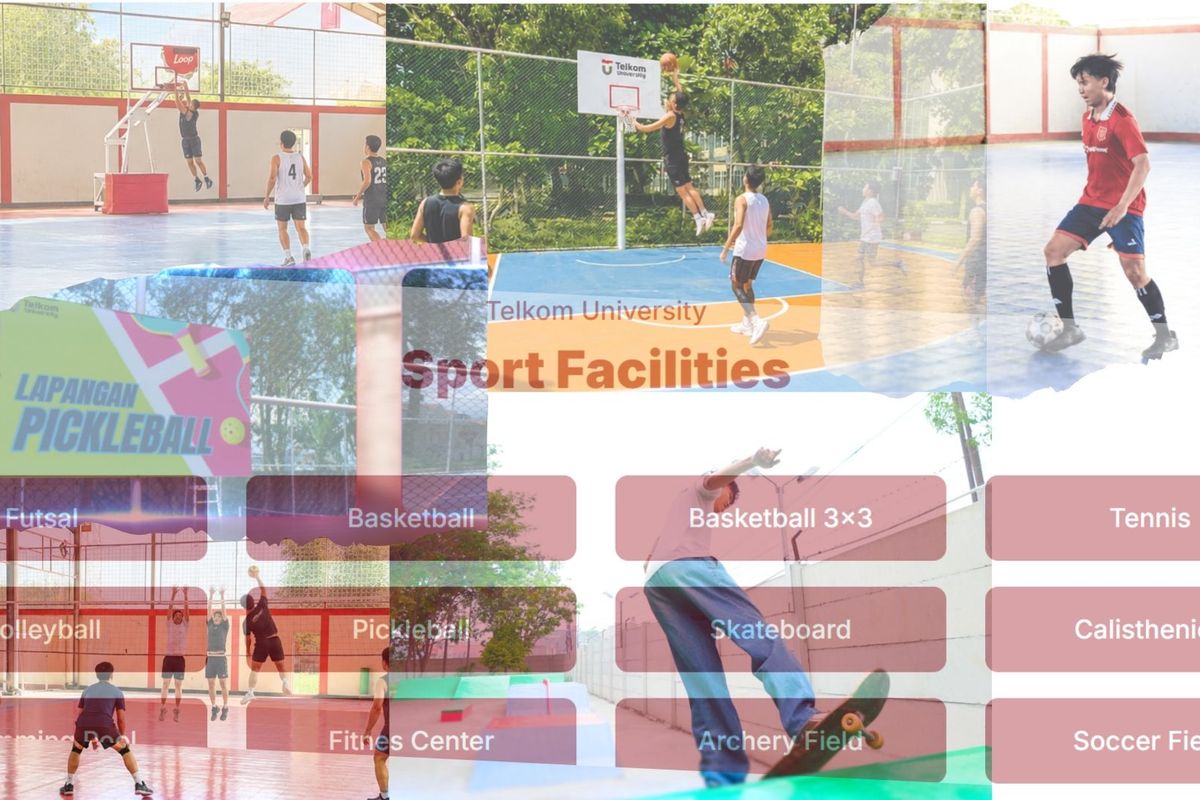
Telkom University promotes healthy and active lifestyles by providing diverse sports facilities for students, staff, and the surrounding community. Through the expansion of sports infrastructure in 2025 and shared-access initiatives with local schools, the university encourages physical activity, community engagement, and well-being in support of SDG 3: Good Health and Well-Being.
The Student Center Building features a multipurpose indoor sports court designed to accommodate various activities, including basketball, volleyball, and badminton. Beyond recreational use, this facility serves as a venue for friendly competitions and inter-faculty tournaments, fostering teamwork, sportsmanship, and stronger connections among students.
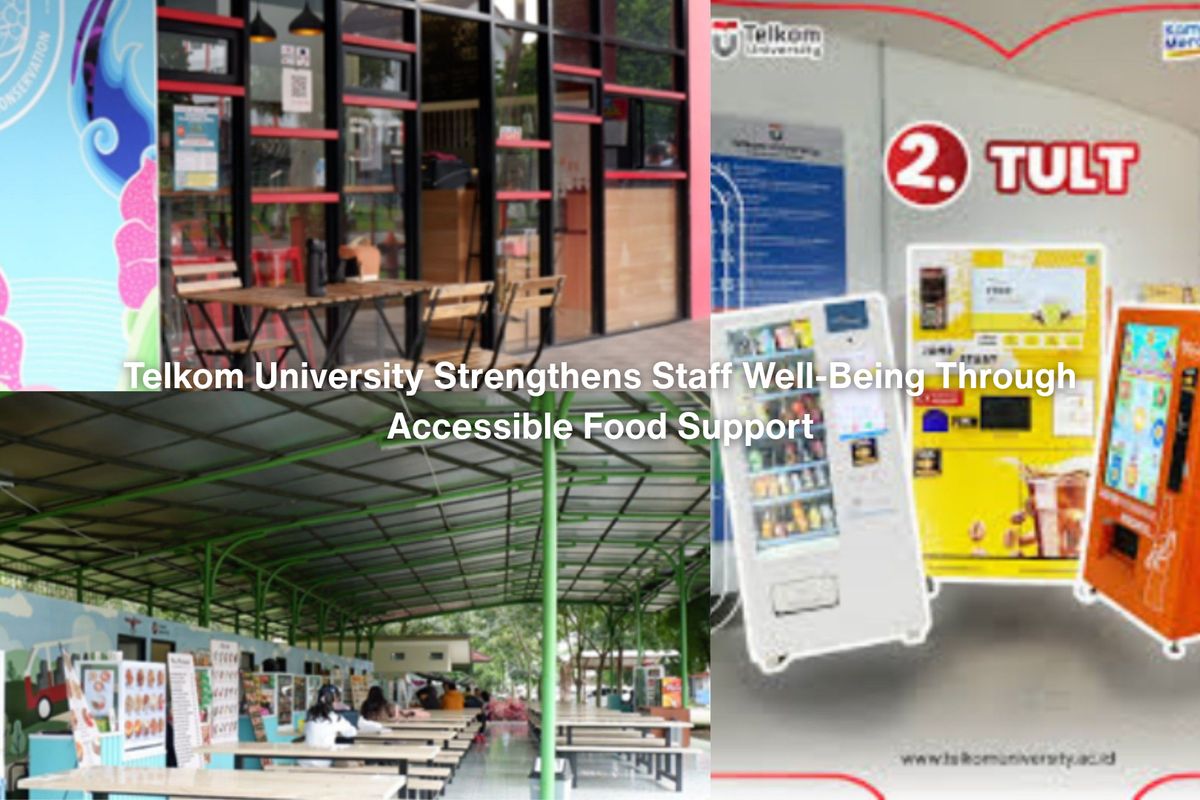
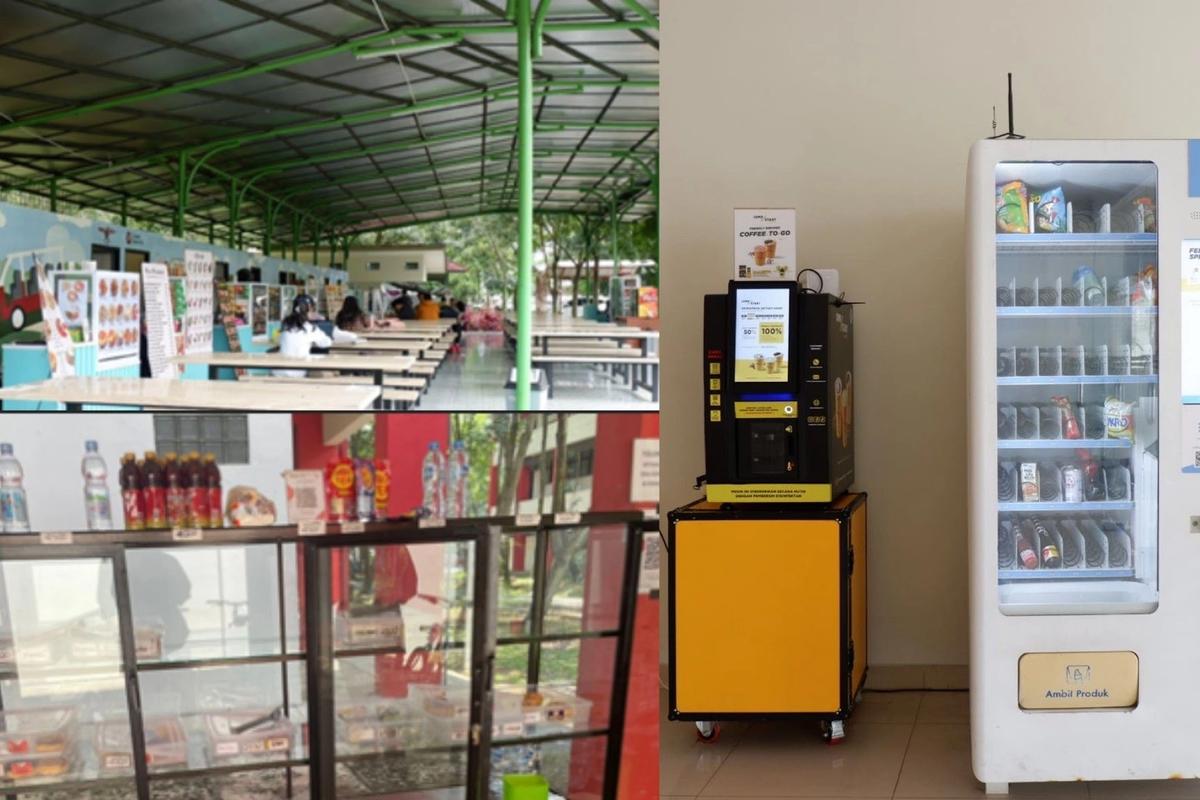
Telkom University supports employee welfare and food security through various workplace initiatives, including food tenants, office pantries, food banks, vending machines, meeting refreshments, and monthly meal allowances. These efforts aim to ensure convenient access to food while promoting a healthy and supportive working environment in line with SDG 2: Zero Hunger and SDG 3: Good Health and Well-Being.
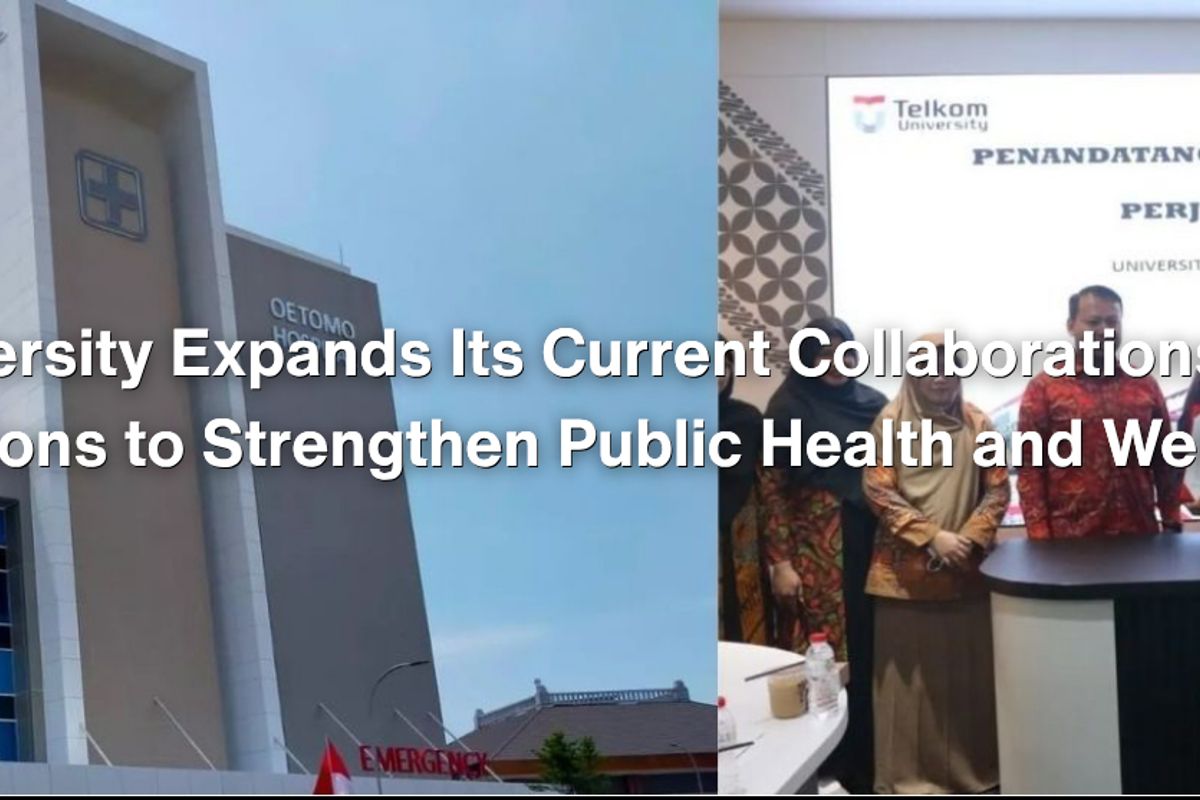
Telkom University strengthens current collaborations with health institutions through a partnership with RSUD Oto Iskandar Di Nata Soreang and a digital health research agreement with Yakes Telkom. It is also piloting its AI clinical copilot HeyAI with pharmacists and health facilities across Indonesia, and hosting the international IBITeC 2026 biomedical conference with IEEE, advancing SDG 3: Good Health and Well-being.
Telkom University strengthens campus food security and student welfare through various initiatives, including free meal programs, affordable dining facilities, nutrition education, and local food innovation. These efforts promote access to safe and nutritious food while supporting SDG 2: Zero Hunger and SDG 3: Good Health and Well-Being.
Telkom University gives all students access to health care through its student health insurance programme with TelkoMedika, a 24-hour campus clinic, confidential WhatsApp doctor consultations and referrals to partner hospitals. In January 2025, around 1,000 students joined the “Safe Campus Vibes” webinar on preventing sexual violence, which introduced the PPKPT hotline.
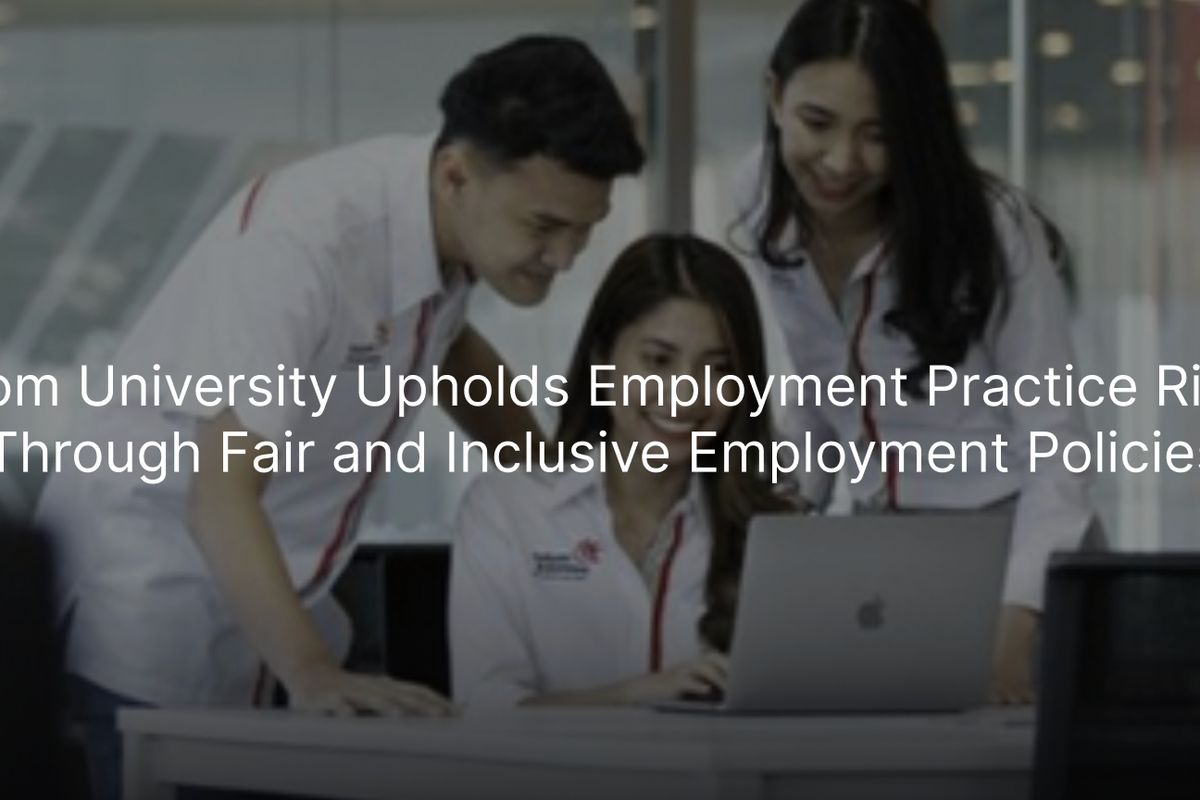
Telkom University upholds employment practice rights by recognising freedom of association and collective bargaining for all lecturers and staff, as set out in its Sustainable Development Strategic Program decree. Employees are represented by AKAR YPT, a union registered with the Bandung City Manpower Office, and women and international staff work under equal, transparent contracts.