Kumpulan update dan informasi terkini seputar SDGs.
3 SDG dipilih
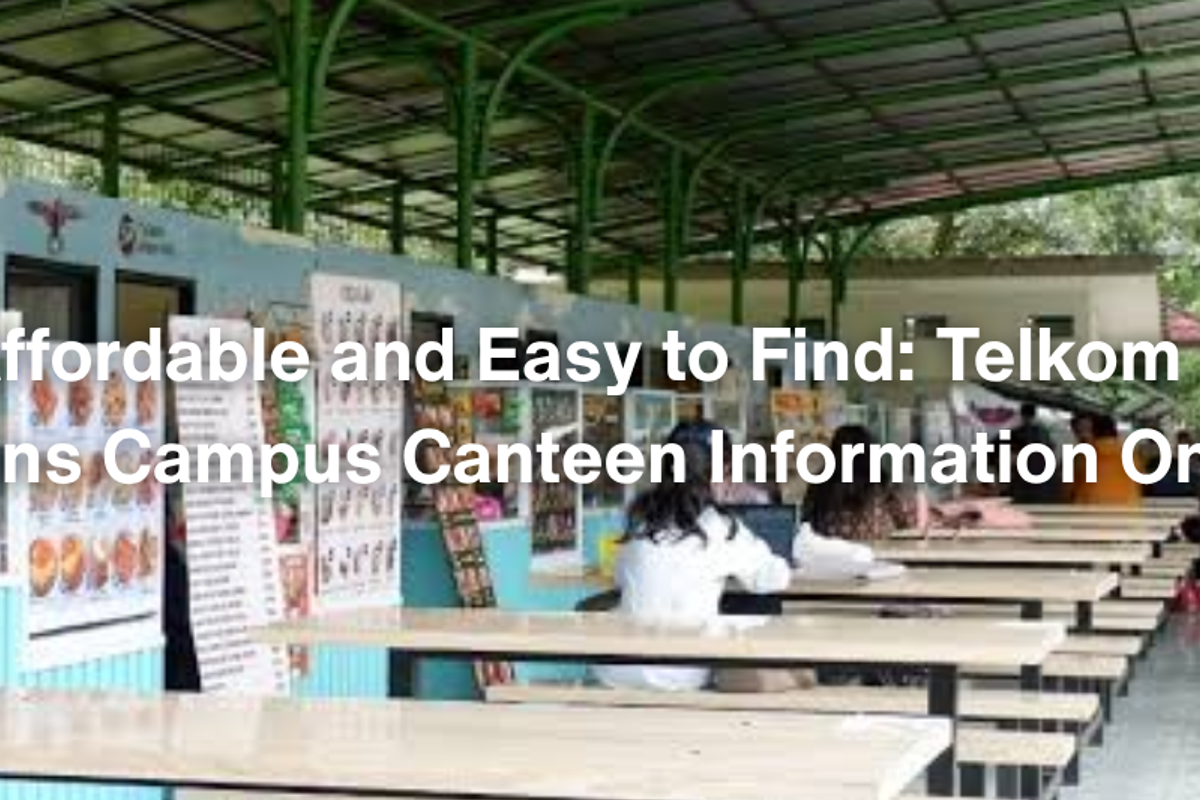
Telkom University provides healthy, diverse and affordable food for everyone on campus. Vendors are selected on food quality, hygiene, nutrition and menu diversity, including vegetarian, vegan and allergen-aware options. Canteen agreements require healthy, halal food in eco-friendly packaging, and food safety is backed by Bandung Regency Health Office hygiene certification and food handler training.
Telkom University keeps students well fed with free Jumat Berkah lunches every Friday, free iftar meals on Mondays and Thursdays, budget-friendly canteens and vending machines, campus-grown sorghum, and nutrition education with the Bandung Health Agency.
Through its sustainable practices actions, Telkom University encourages greener travel on campus with an over-4 km walking network, the TelUtizen 10,000-steps challenge on Instagram, and electric shuttles that link buildings, car parks and dormitories.
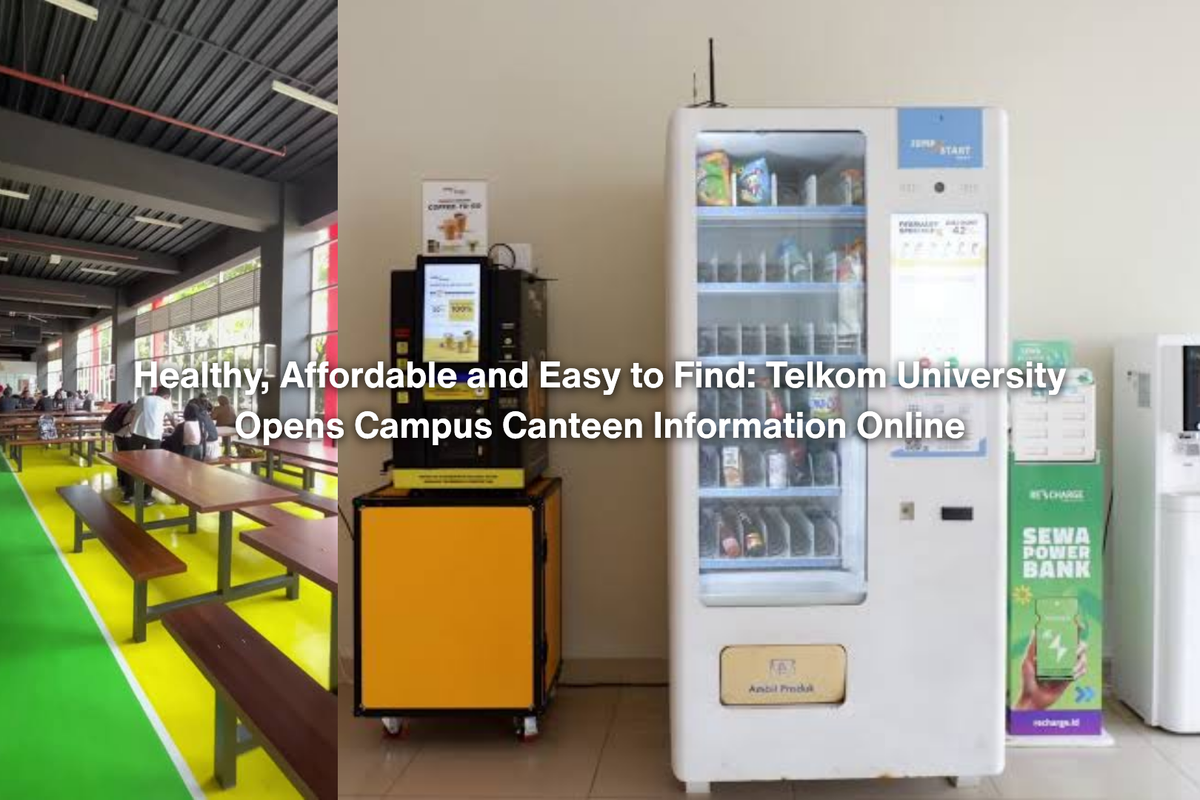
Telkom University provides healthy and affordable food choices for everyone on campus through selective tenant selection and canteen agreements that require healthy, clean and affordable food at agreed prices. The official canteen website (canteen.telkomuniversity.ac.id) lists canteens, tenants, menus, locations and price ranges.
Telkom University strengthened its student hunger interventions in 2025 through Jumat Berkah free meals and charity, healthy rebusan refreshments at university activities, balanced “4 sehat 5 sempurna” Ramadan meals with fruit, 61 canteen tenants across 7 campus locations, 24-hour vending machines, and sorghum outlets and free sorghum cereal in the faculties.
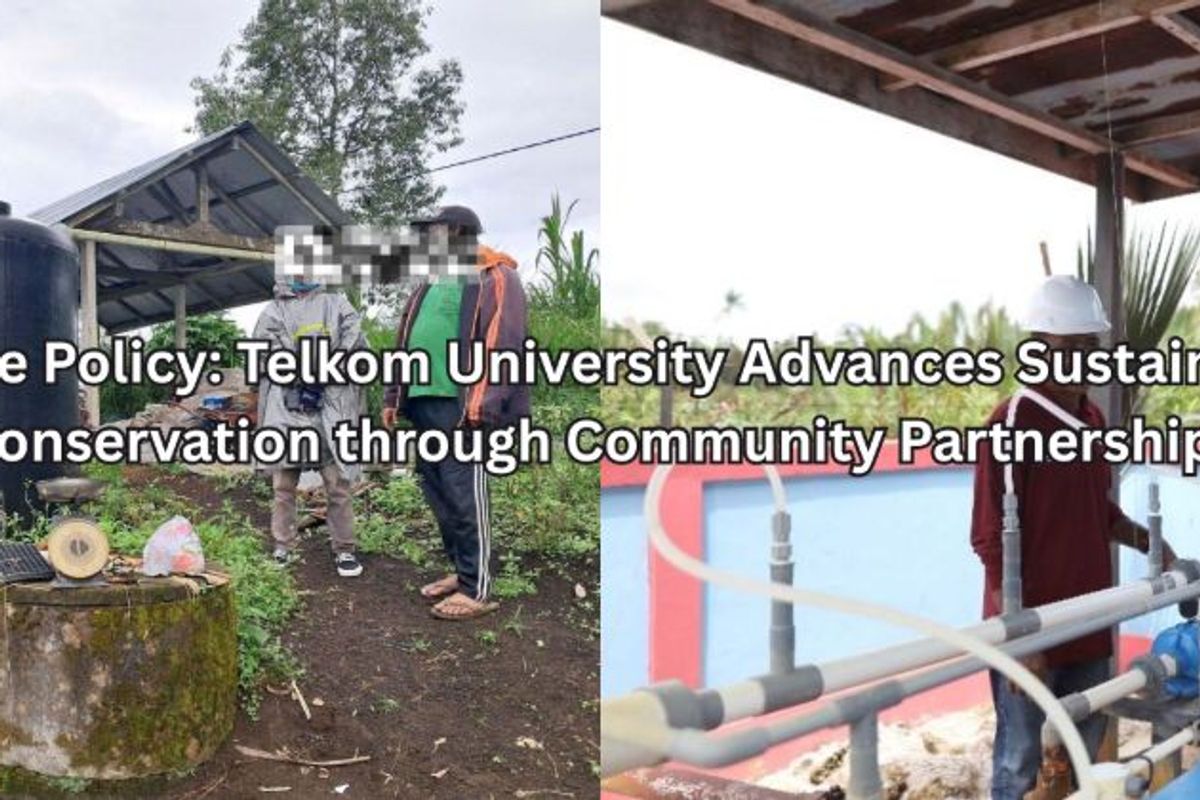
In 2025, Telkom University carried out 26 off-campus water conservation activities with farmers, villages and community groups. It installed IoT, LoRa and solar-powered drip and automatic irrigation, added water filtration and water-quality monitoring for fish farmers, and developed pipe-leak detection and digital water management for villages. It also evaluated community clean water facilities across Java through the Moneva SAB programme with PT Telkom Indonesia.
Aligned with SDG 2, Telkom University strengthens food security through sensor-based urban farming with a women farmers’ group in Bojongsoang, a Digital Twin system that increased rice field productivity by 22.8%, and affordable IoT aeroponics.
Aligned with SDG 3, Telkom University supports health and well-being through knowledge management mentoring at the Yakkum Rehabilitation Center for people with disabilities and EEG-based research to improve brain activity classification.
Telkom University strengthens mental health support for staff through its Employee Well-Being Program with Naluri: mental health talks, a burnout workshop with a psychiatrist, a DASS-21 assessment and nine batches of free private counselling across four campuses. This is complemented by BPJS Kesehatan coverage paid by the Foundation, giving staff access to psychiatrists and psychologists.
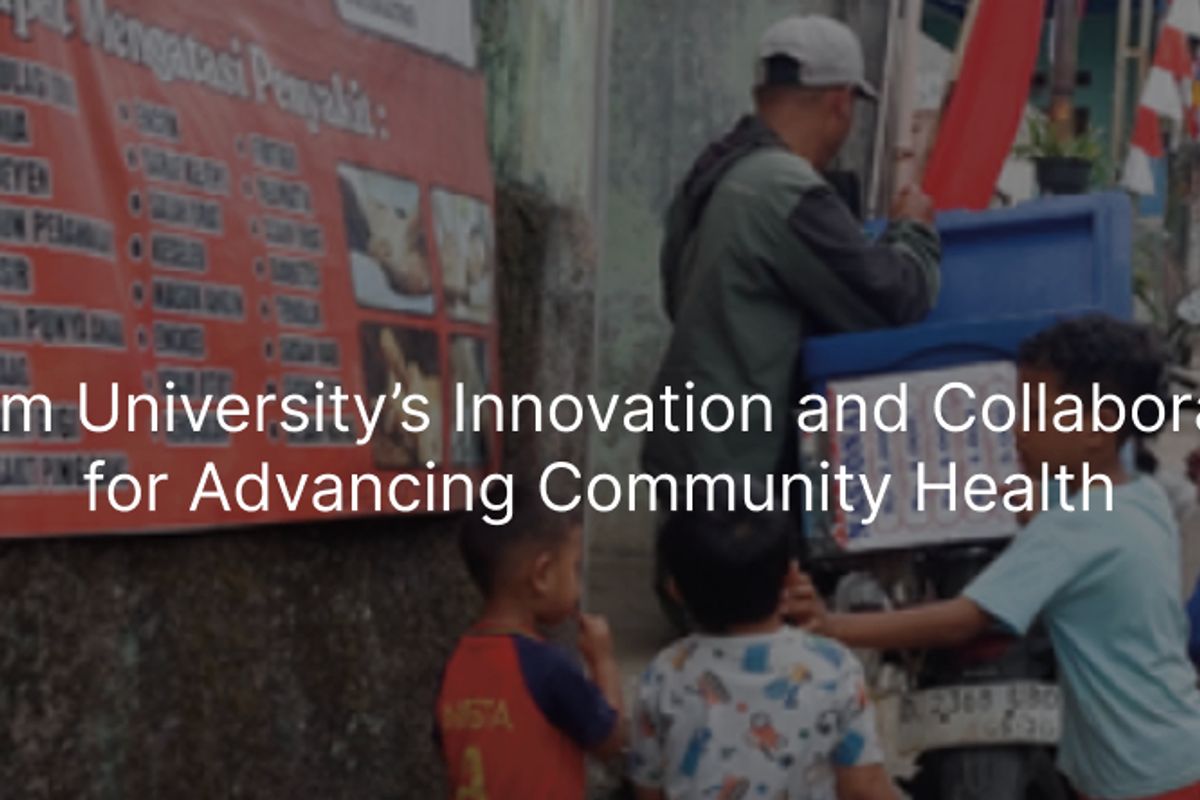
Telkom University’s SDGs Report 2025 highlights its contributions to public health through healthcare research, digital innovation, and community empowerment. From AI-assisted medical diagnostics to a digital stunting-monitoring dashboard that improved intervention processes by up to 30%, these initiatives demonstrate how technology and cross-sector collaboration can support community well-being, contributing to SDG 3 (Good Health and Well-being), SDG 8 (Decent Work and Economic Growth), and SDG 17 (Partnerships for the Goals).
Telkom University monitors water quality across its campus, from canal to lake, and brings IoT water monitoring to communities through SiMonA freshwater aquaponics in Bandung and Crab Houses in Cirebon and Surabaya.