Kumpulan update dan informasi terkini seputar SDGs.
1 SDG dipilih
Telkom University strengthens its commitment to carbon emission reduction through technological innovation, energy-efficient infrastructure, green mobility, and campus greening initiatives. Supported by automated building systems, vehicle-free policies, electric transportation, and environmental management programs, these efforts promote a lower-carbon campus while contributing to SDG 7: Affordable and Clean Energy, SDG 11: Sustainable Cities and Communities, and SDG 13: Climate Action.
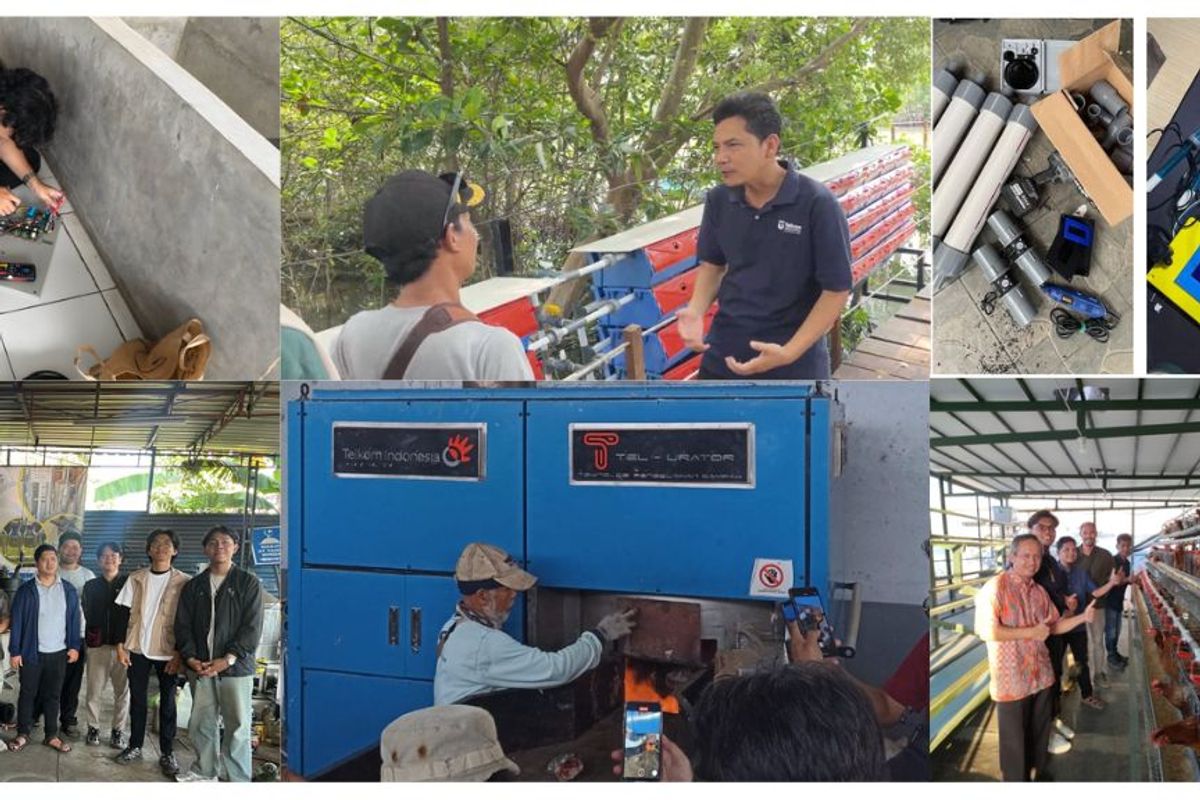
elkom University continues to foster the development of innovative technologies that address environmental challenges while promoting sustainable resource management. Through its integrated research and innovation ecosystem, the university has introduced several pioneering solutions across water management, sustainable agriculture, waste processing, and clean energy.
Telkom University is working alongside government agencies at every level, from West Java's provincial disaster management agency to village governments, to plan for floods, landslides and other climate-related disasters. Its researchers build the systems that help officials decide where to send relief supplies, when to warn residents and how to protect people before disaster strikes. The collaborations combine research and community service funded by the university, the Ministry of Higher Education, Science and Technology, regional government and international partners. They put the university's expertise in data, the Internet of Things (IoT) and artificial intelligence (AI) at the service of public disaster planning.
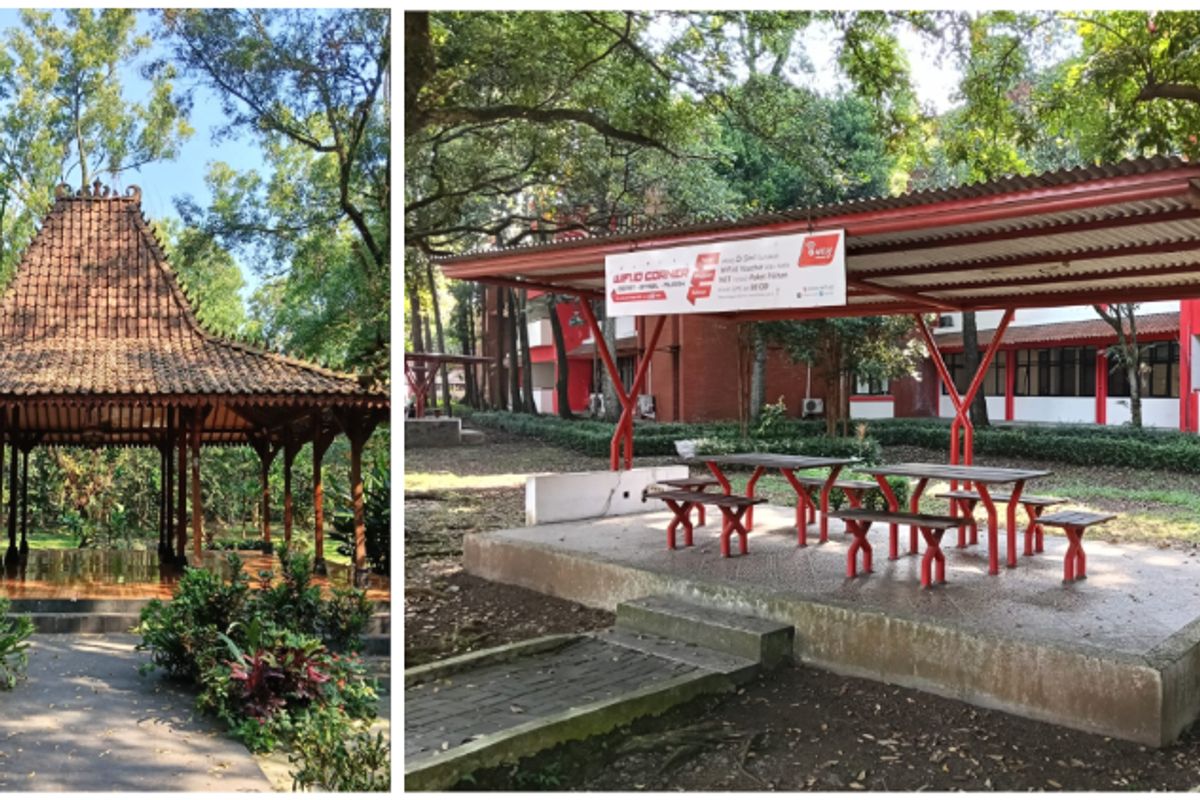
Through its sustainable practices planning development new brownfield builds approach, Telkom University builds new facilities such as the Pendopo, pickleball and basketball courts on previously used land instead of green spaces, while preserving its historic Radio Malabar towers.
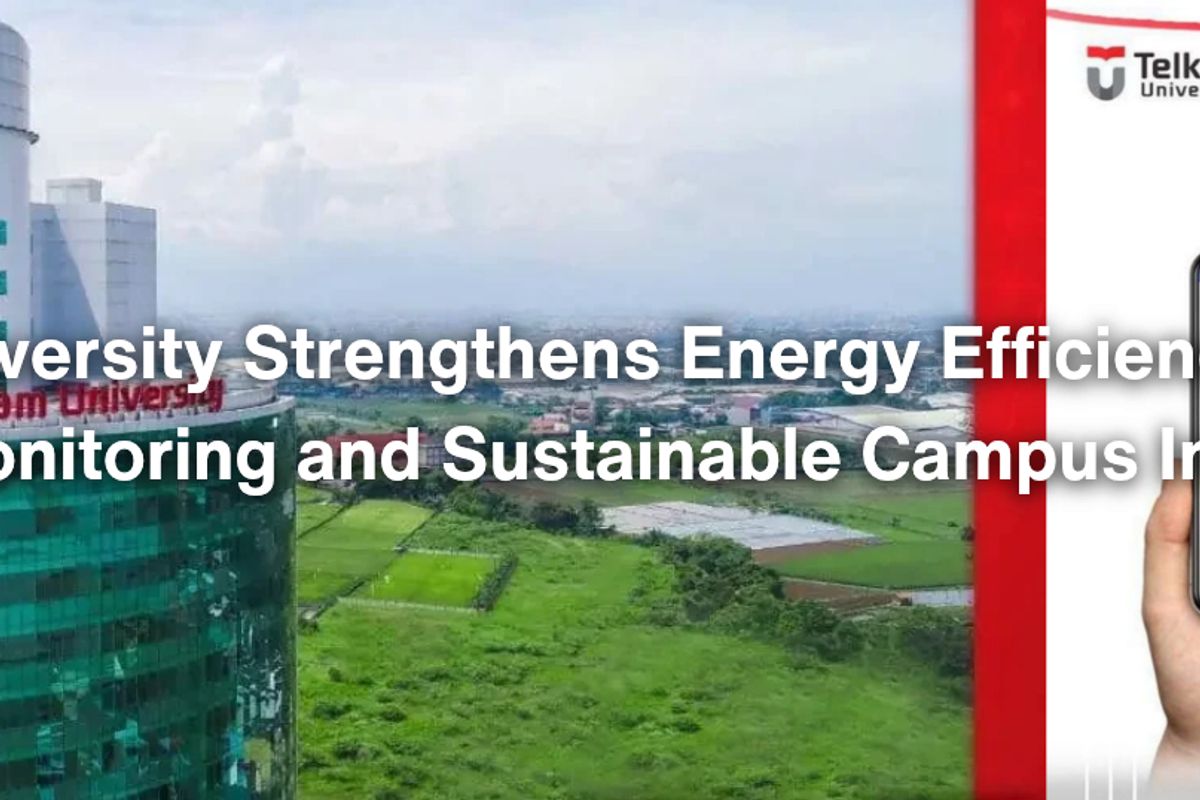
Telkom University strengthens energy efficiency through regular energy audits, IoT-based monitoring, smart building technologies, and renewable energy development. Supported by the Intelligent Energy Management System (IEMS), LED upgrades, and community-based energy initiatives, these efforts aim to reduce energy waste, improve campus operations, and support SDG 7: Affordable and Clean Energy, SDG 11: Sustainable Cities and Communities, and SDG 13: Climate Action.
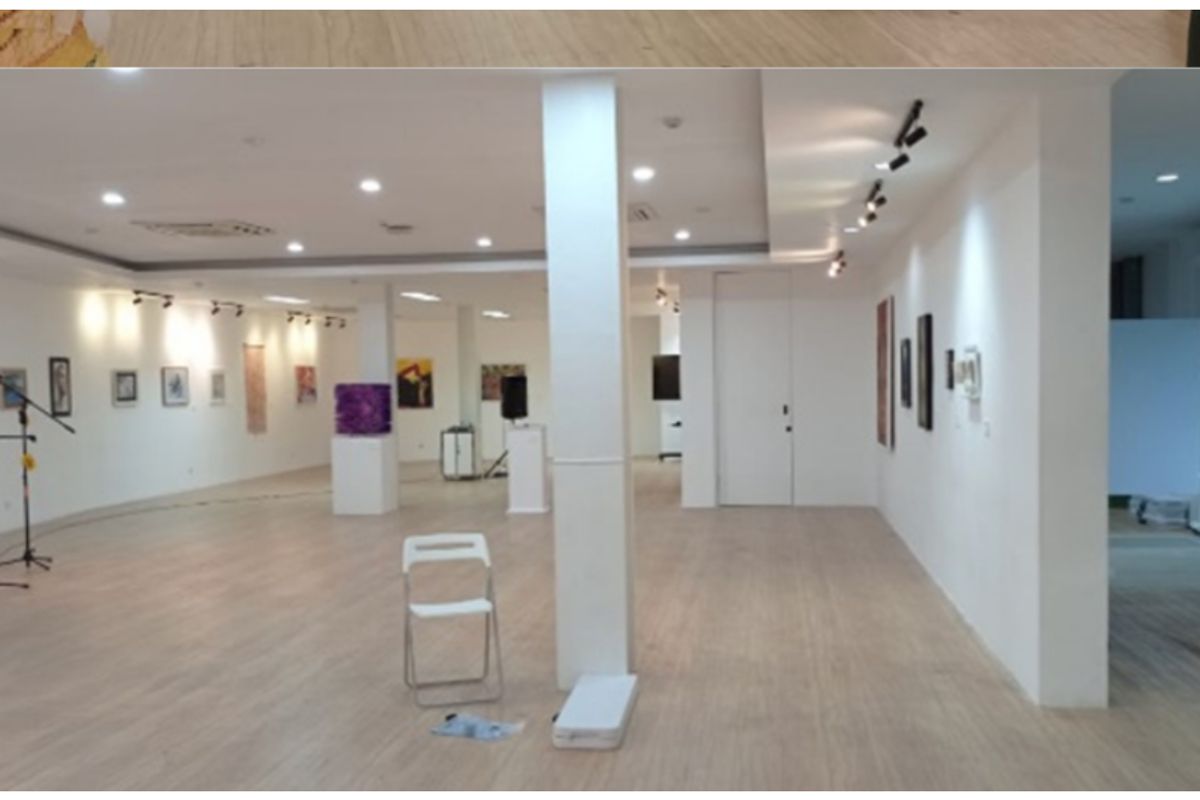
Telkom University continues to bring art closer to the public through two galleries run by its Faculty of Creative Industries. Gallery Idealoka and Gallery Ciptaloka give lecturers and students a place to present their creative work, and they give visitors from outside the campus a chance to enjoy it. Together, the two spaces turn the faculty into a meeting point between academic creativity and the wider community.
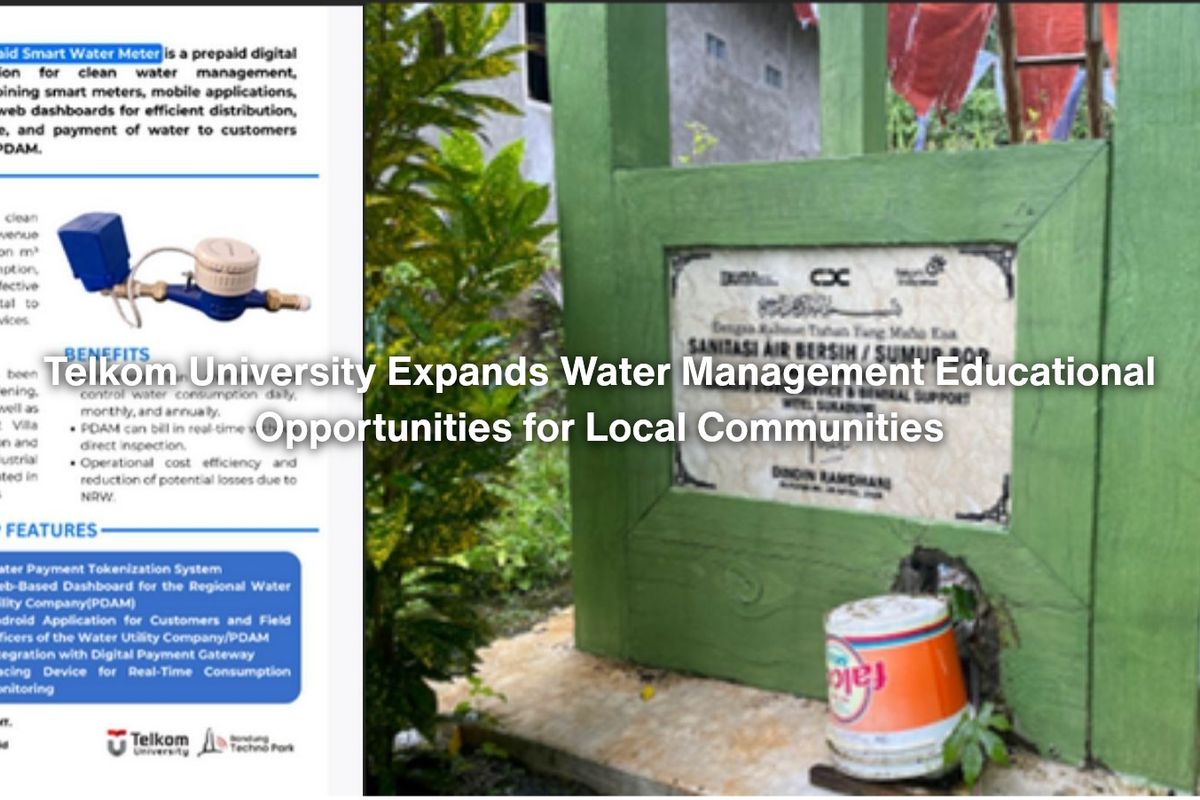
In 2025, Telkom University delivered 27 free water management educational activities for local communities. Villages learned to use automated flood pumps, water-level monitoring and early warning systems such as CITRA BANJIR and NotiFlood. Farmers adopted IoT and LoRa-based drip irrigation and solar-powered pumps, while fish farmers, BUMDes and community groups were trained in water filtration, water-quality monitoring and pipe-leak detection, and high school students learned to measure water levels with IoT sensors. The university also evaluated clean water facilities and provided sanitation education in communities across Java through the Moneva SAB programme with PT Telkom Indonesia.
Telkom University makes sure every campus building meets national sustainability standards and passes an environmental impact assessment (AMDAL) with the Bandung Regency Government before construction. Bandung Techno Park, for example, was assessed on 13 environmental and social aspects.
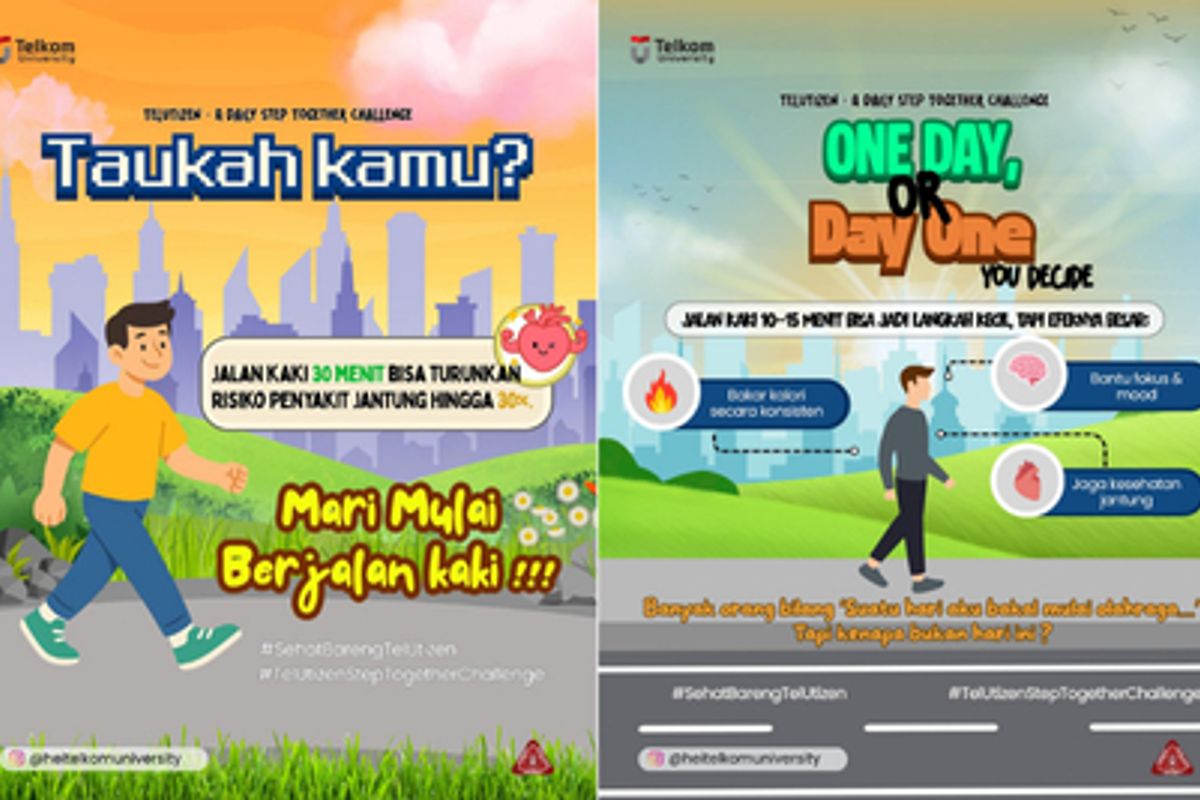
Telkom University promotes a pedestrian-friendly campus by providing interconnected, shaded walkways that encourage safe, comfortable, and accessible mobility. Supported by green infrastructure and the #SehatBarengTelUtizen campaign, initiatives such as the Daily Step Together Challenge encourage regular walking, healthier lifestyles, and reduced reliance on motorized transportation in support of SDG 3: Good Health and Well-Being and SDG 11: Sustainable Cities and Communities.
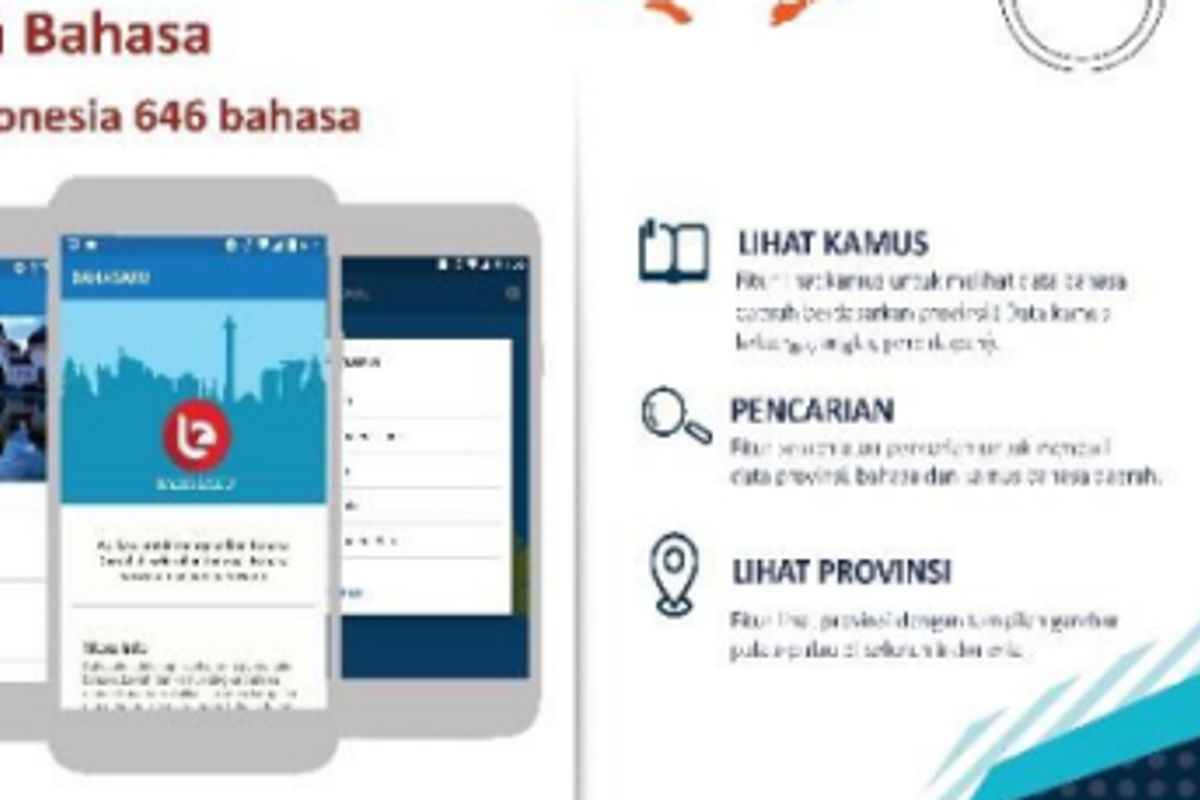
Telkom University utilizes digital innovation to preserve Indonesia’s cultural heritage through technology-based initiatives, including regional language learning applications, traditional script education, and interactive folklore platforms. By making local languages, traditional literature, and cultural stories more accessible to younger generations, the university supports cultural preservation and appreciation in the digital era, contributing to SDG 11: Sustainable Cities and Communities.
Telkom University's campus is more than a place for lectures and research. Its green and open spaces welcome everyone, from students to people living nearby, as places to relax, explore nature and learn how to care for the environment. By keeping these areas open to the public, the university turns its grounds into a living laboratory where environmental protection and education go hand in hand.
Telkom University integrates environmental and social considerations into campus development through compliance with national regulations and Environmental Impact Assessments (AMDAL). By evaluating potential impacts on air and water quality, infrastructure, public health, and surrounding communities before construction begins, the university promotes responsible infrastructure planning in support of SDG 9: Industry, Innovation and Infrastructure, and SDG 11: Sustainable Cities and Communities.