Kumpulan update dan informasi terkini seputar SDGs.
2 SDG dipilih
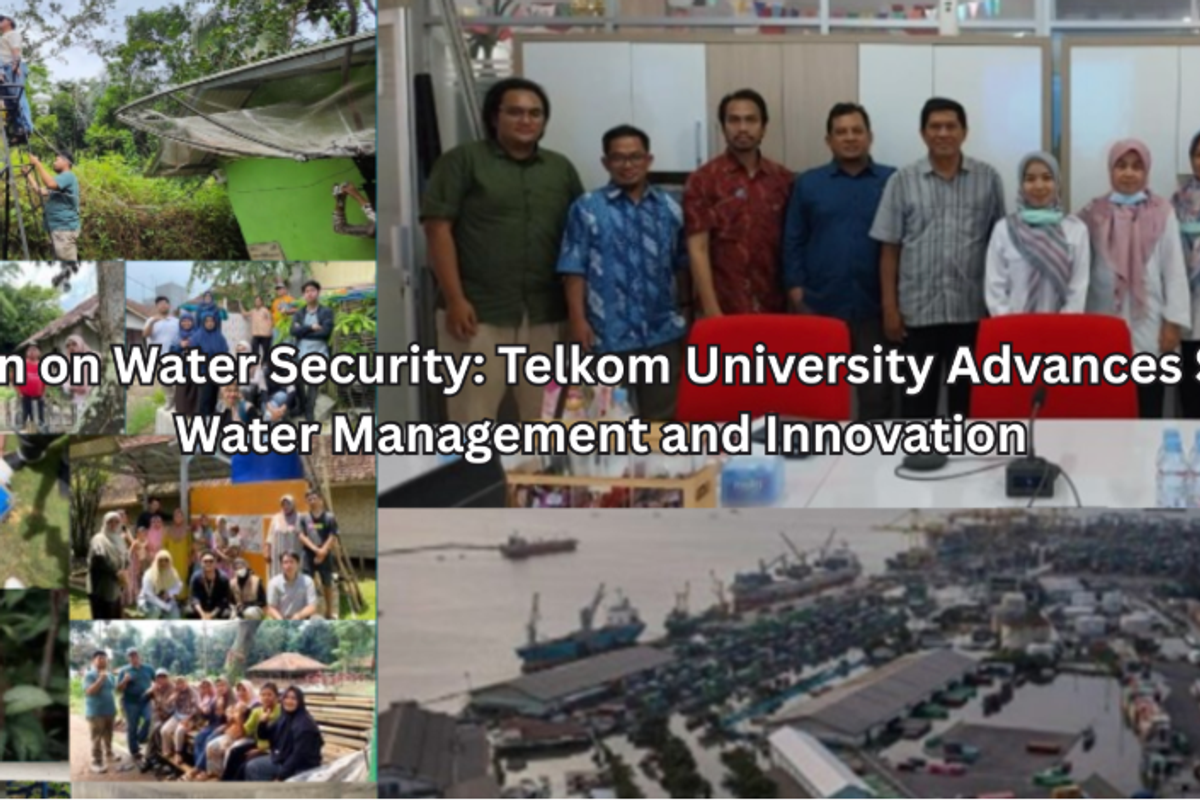
BANDUNG (22/02/25) Through cooperation on water security, Telkom University continues to strengthen its contribution to sustainable water management through technological innovation, campus infrastructure, community empowerment, and international partnerships. Supporting SDG 6: Clean Water and Sanitation and SDG 17: Partnerships for the Goals, these initiatives demonstrate the importance of collaboration in addressing water-related challenges and building a more sustainable future.
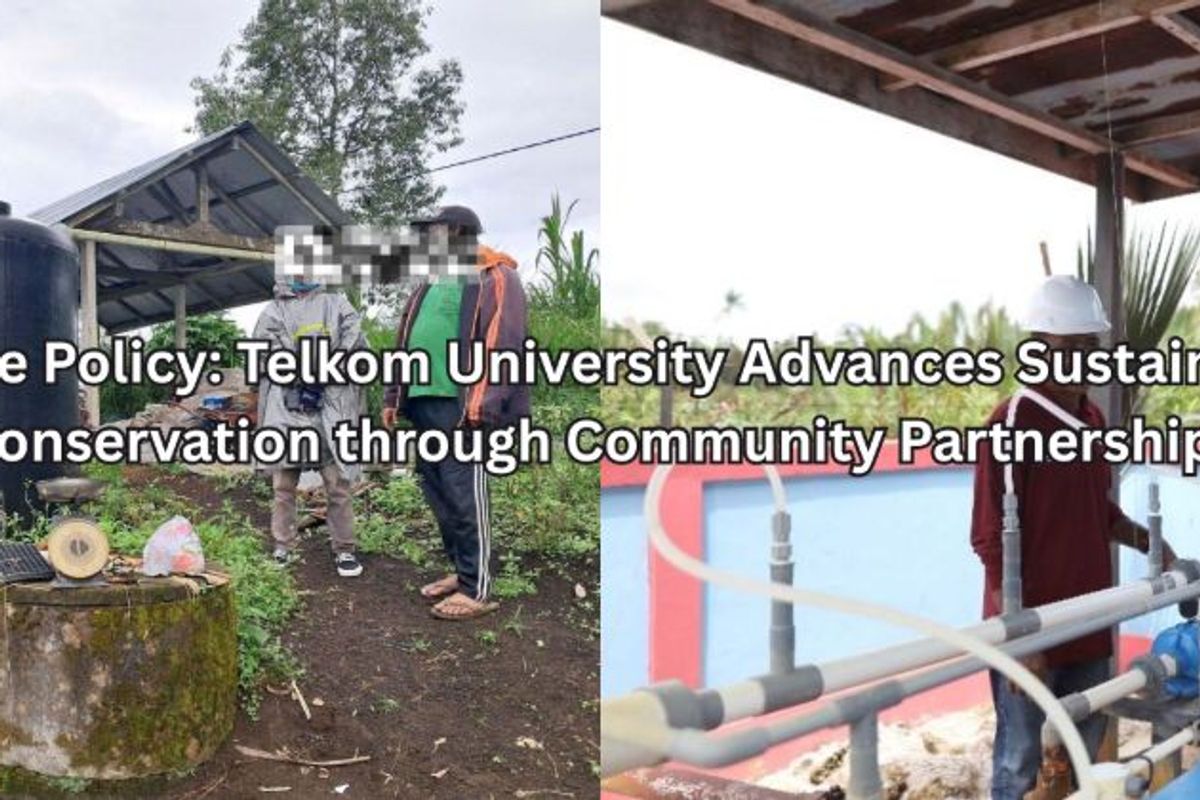
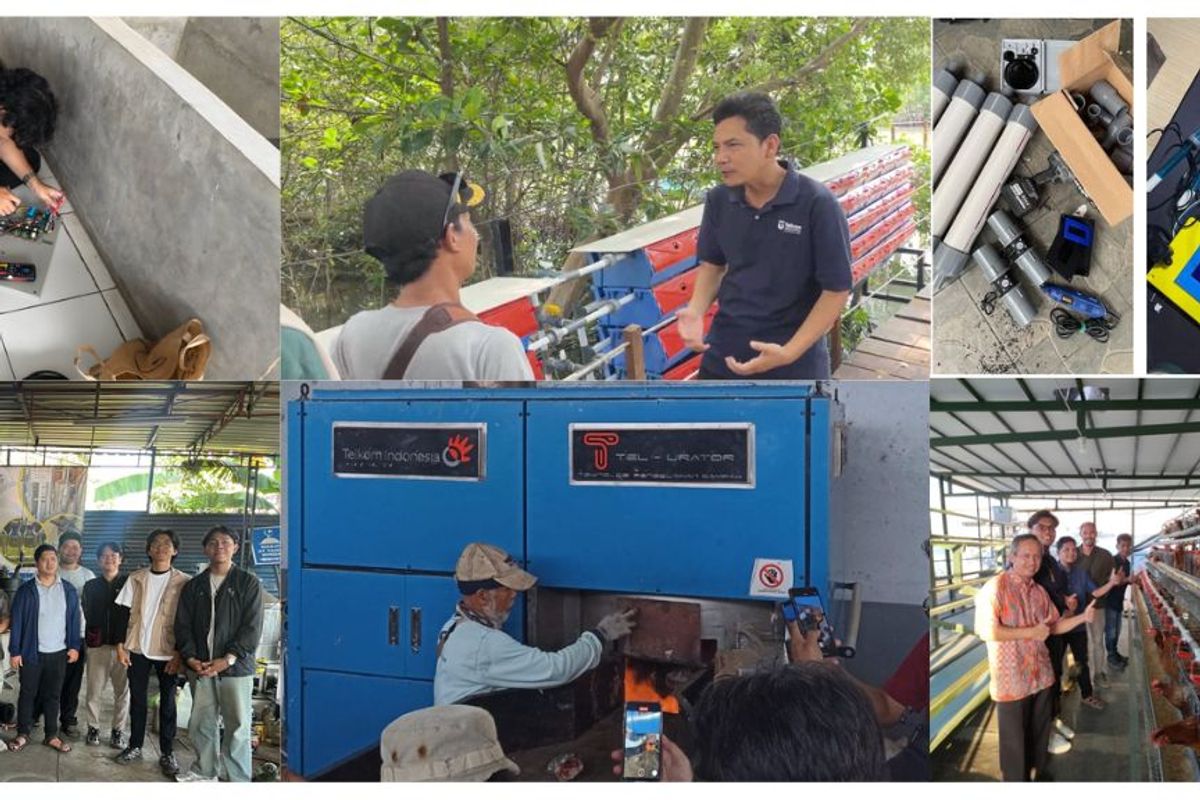
In 2025, Telkom University carried out 26 off-campus water conservation activities with farmers, villages and community groups. It installed IoT, LoRa and solar-powered drip and automatic irrigation, added water filtration and water-quality monitoring for fish farmers, and developed pipe-leak detection and digital water management for villages. It also evaluated community clean water facilities across Java through the Moneva SAB programme with PT Telkom Indonesia.
Aligned with SDG 2, Telkom University strengthens food security through sensor-based urban farming with a women farmers’ group in Bojongsoang, a Digital Twin system that increased rice field productivity by 22.8%, and affordable IoT aeroponics.
Aligned with SDG 11, Telkom University builds smart and resilient communities through real-time air quality monitoring in Jakarta and Surabaya, post-disaster recovery monitoring in Cianjur, and solar-powered digitalisation at an Islamic boarding school.
Floods, landslides and coastal surges give local governments little time to act. Telkom University is helping them see these risks coming. In 2024 and 2025, its lecturers and students built early warning and monitoring systems for village, district and provincial governments in West and Central Java, and shared the data and know-how needed to run them.
Telkom University expands its international partnerships to strengthen data collection, research, and monitoring for the Sustainable Development Goals (SDGs). Through collaborations with universities and research institutions across various countries, the university develops technology-based solutions for environmental, agricultural, energy, and social challenges while supporting evidence-based decision-making and contributing to SDG 17: Partnerships for the Goals.
Telkom University monitors water quality across its campus, from canal to lake, and brings IoT water monitoring to communities through SiMonA freshwater aquaponics in Bandung and Crab Houses in Cirebon and Surabaya.
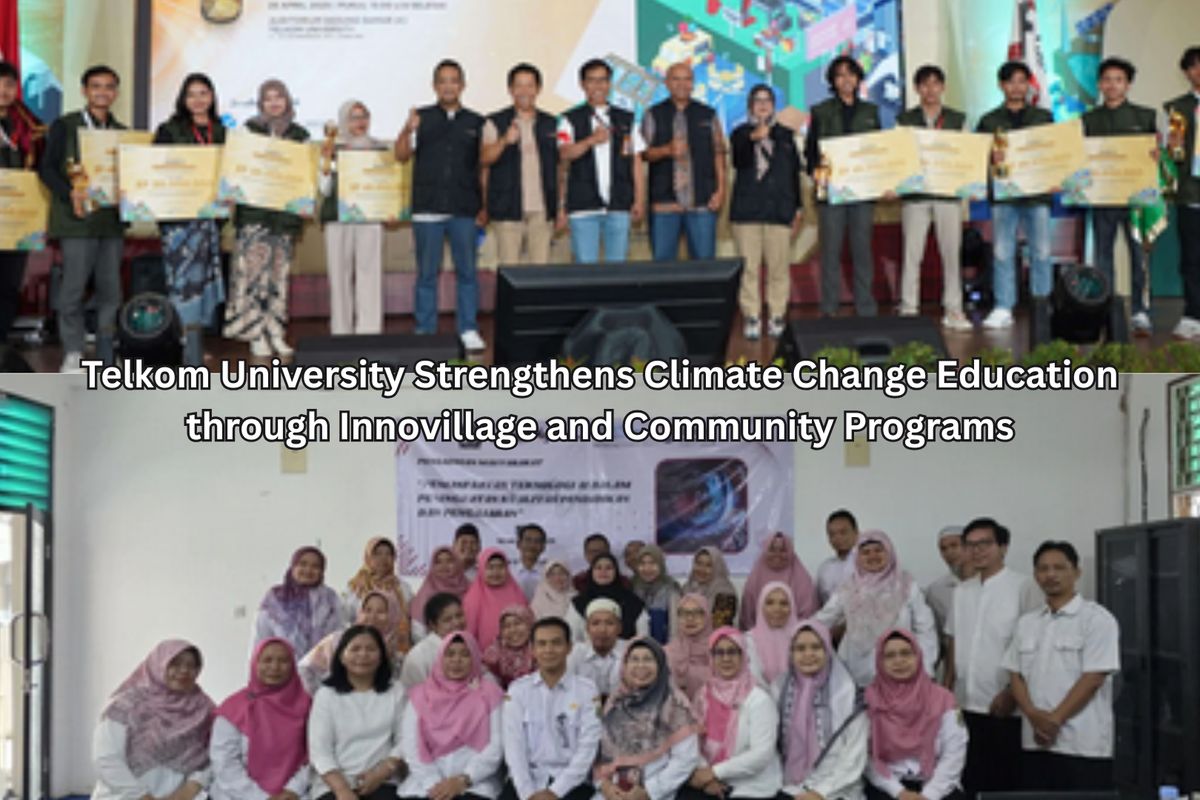
From kindergarten classrooms in Cianjur to a landslide-prone village in Banyumas, Telkom University is helping local communities understand climate change and prepare for it. In 2025, its lecturers and students ran local education programmes and campaigns on disaster risk, early warning, clean energy and waste reduction for children, teachers, village officials and residents. Together, these environmental education measures bring climate knowledge directly to the communities most exposed to its effects.
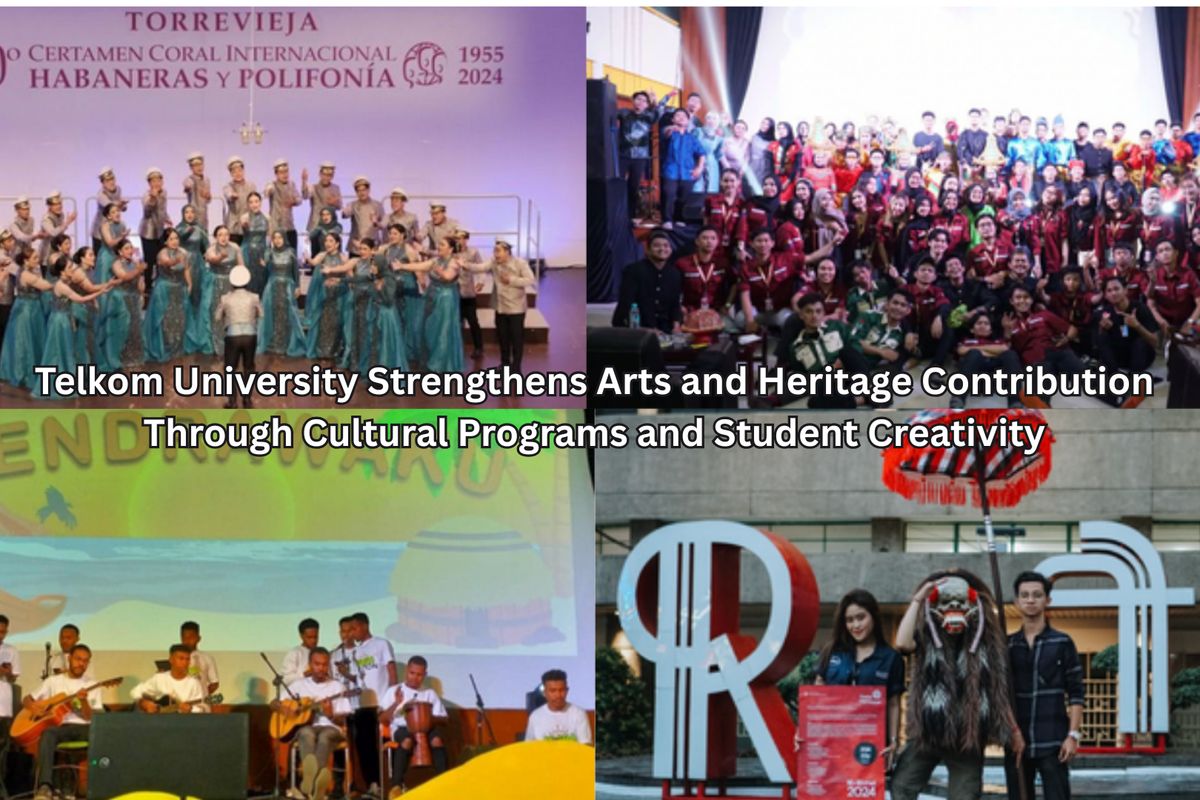
Telkom University strengthens arts and cultural heritage preservation through 32 public performances and cultural activities recorded from January to September 2025, spanning music, theater, dance, film, photography, and visual arts. By encouraging student creativity, celebrating Indonesia’s cultural diversity, and showcasing local traditions to wider audiences, these initiatives contribute to SDG 11 (Sustainable Cities and Communities) and support a vibrant, inclusive cultural environment.
Telkom University strengthens its commitment to carbon emission reduction through technological innovation, energy-efficient infrastructure, green mobility, and campus greening initiatives. Supported by automated building systems, vehicle-free policies, electric transportation, and environmental management programs, these efforts promote a lower-carbon campus while contributing to SDG 7: Affordable and Clean Energy, SDG 11: Sustainable Cities and Communities, and SDG 13: Climate Action.
elkom University continues to foster the development of innovative technologies that address environmental challenges while promoting sustainable resource management. Through its integrated research and innovation ecosystem, the university has introduced several pioneering solutions across water management, sustainable agriculture, waste processing, and clean energy.
Telkom University is working alongside government agencies at every level, from West Java's provincial disaster management agency to village governments, to plan for floods, landslides and other climate-related disasters. Its researchers build the systems that help officials decide where to send relief supplies, when to warn residents and how to protect people before disaster strikes. The collaborations combine research and community service funded by the university, the Ministry of Higher Education, Science and Technology, regional government and international partners. They put the university's expertise in data, the Internet of Things (IoT) and artificial intelligence (AI) at the service of public disaster planning.