Kumpulan update dan informasi terkini seputar SDGs.
2 SDG dipilih
Through its operational measures policy extensions supplier outsources, Telkom University requires suppliers of equipment, stationery and construction materials to reduce single-use materials and packaging, sort and recycle waste, and pass sustainability audits under its Green Procurement standards and the I-WANT strategic plan.
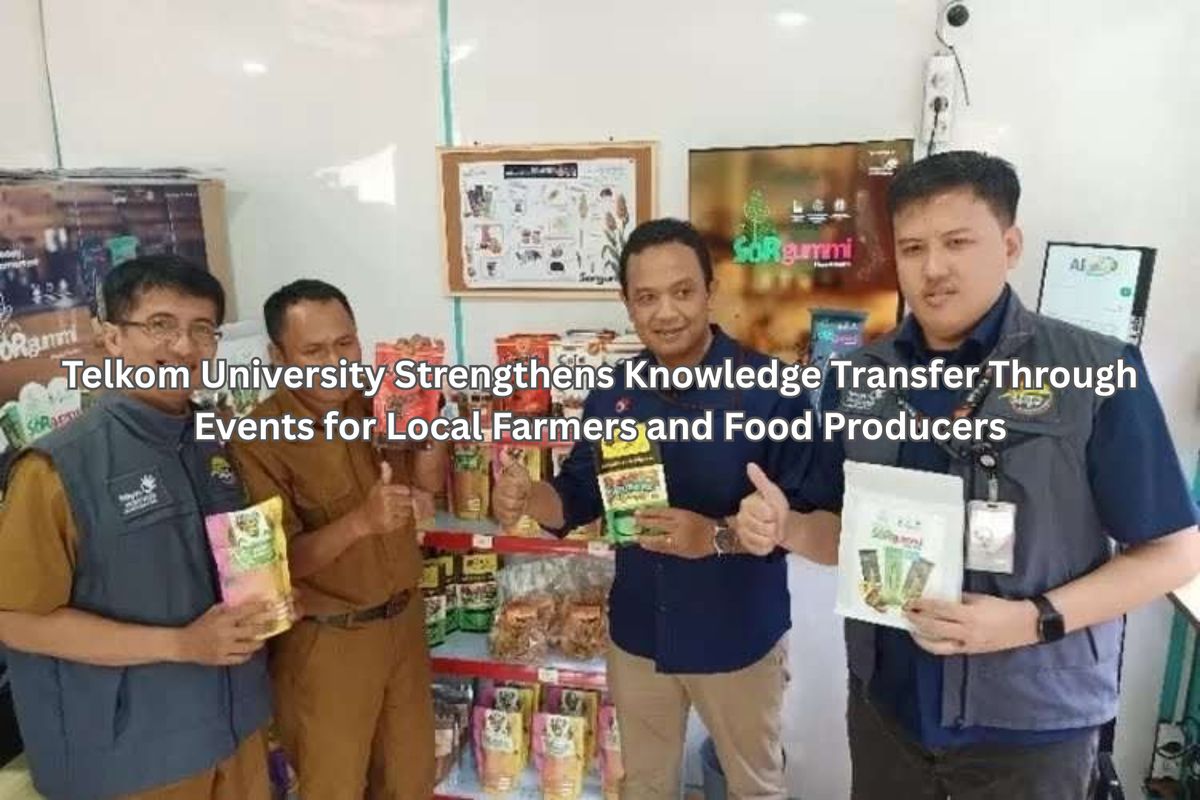
Telkom University prioritises local and sustainable food sources. On 23 June 2025, it signed Kampung Sorgum website licence agreements with Sorgumology StartUp, Komunitas Halal Bandung and KWT Melati Sorgum. Its canteen agreements require local MSME tenants to serve healthy, halal food in degradable packaging, without Styrofoam or packaged drinks, and it is developing Smart Poultry Farming and the IoT- and solar-powered Crabhouse silvofishery programme.
Through its operational measures policy minimisation disposable items, Telkom University limits plastic, paper and styrofoam under two Rector’s decrees, encourages refillable bottles, eco-bags and reusable cutlery, and provides separate recycling bins across campus.
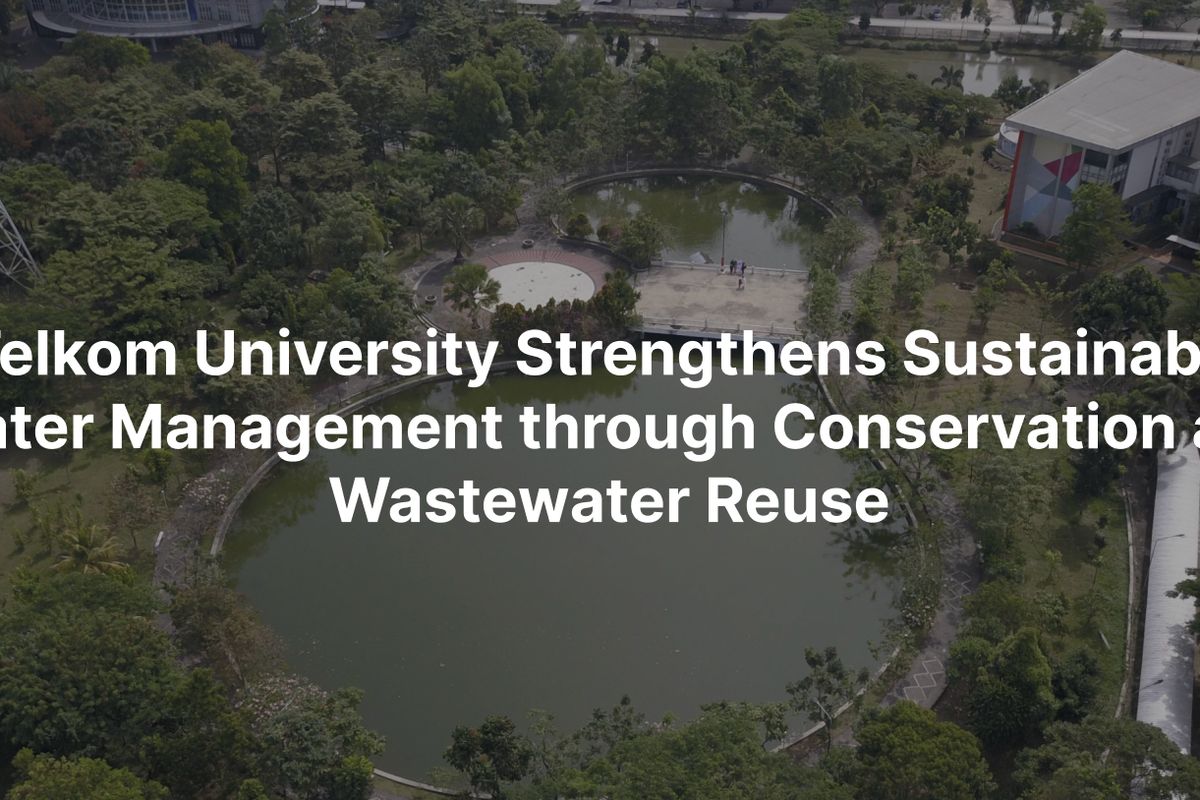
Telkom University’s water reuse policy, set out in rector decrees KR.963/2023 and KR.331/2024, commits the campus to maximising recycled water. Treated STP water, filtered canal water and harvested rainwater are reused for gardens, crops, fish ponds, a recycled-water car wash and greenhouse irrigation, reducing reliance on groundwater.
Through its Integrated Waste Management System (I-WANT), set by Rector's Decree in 2020 and guided by a 2024–2027 strategic plan, Telkom University sorts, weighs and reports its campus waste so it knows how much is recycled, composted or sent for final disposal, on the way to a Zero Waste Campus by 2030.
Laboratories, workshops and campus facilities produce some waste that cannot simply go in the bin. Chemical residues, contaminated liquids and other hazardous materials need special care to protect people, soil and water. Telkom University addresses this through its sustainability policies, which require hazardous liquid waste to be managed to proper standards through the campus's integrated wastewater treatment plant (IPAL), and which set rules to keep wastewater away from clean water supplies.
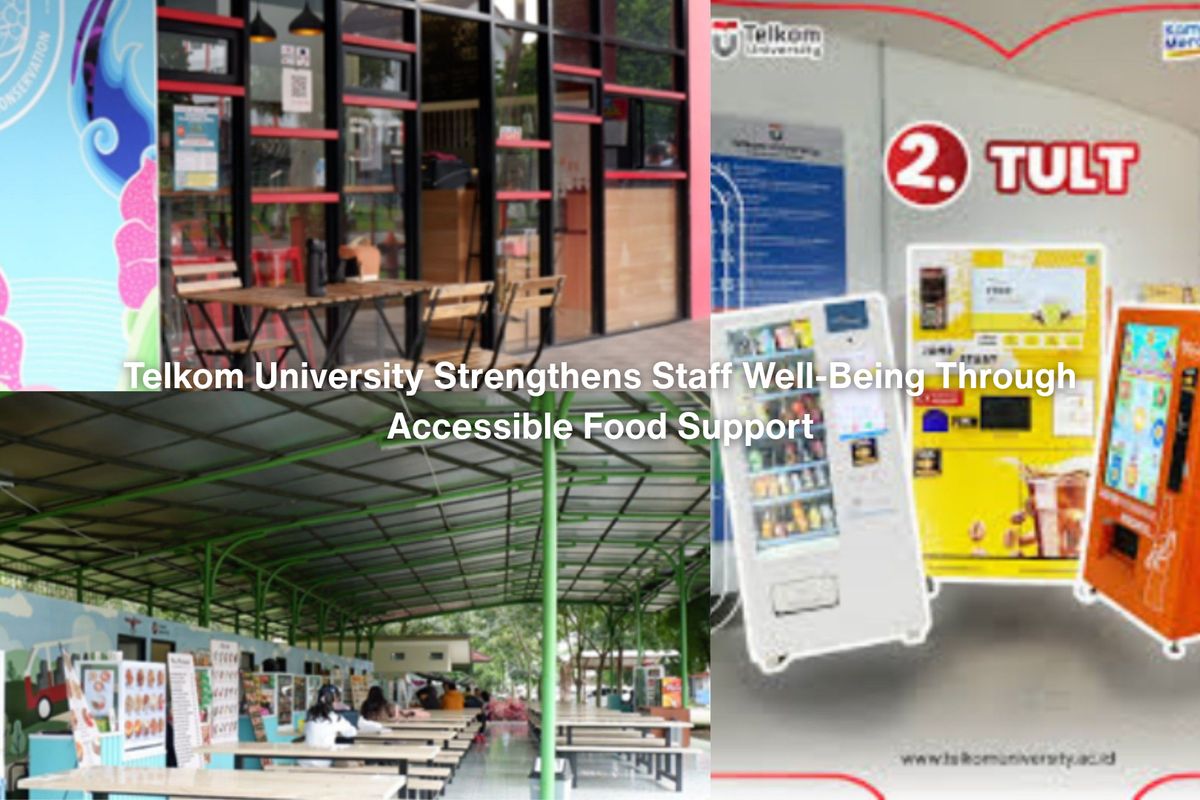
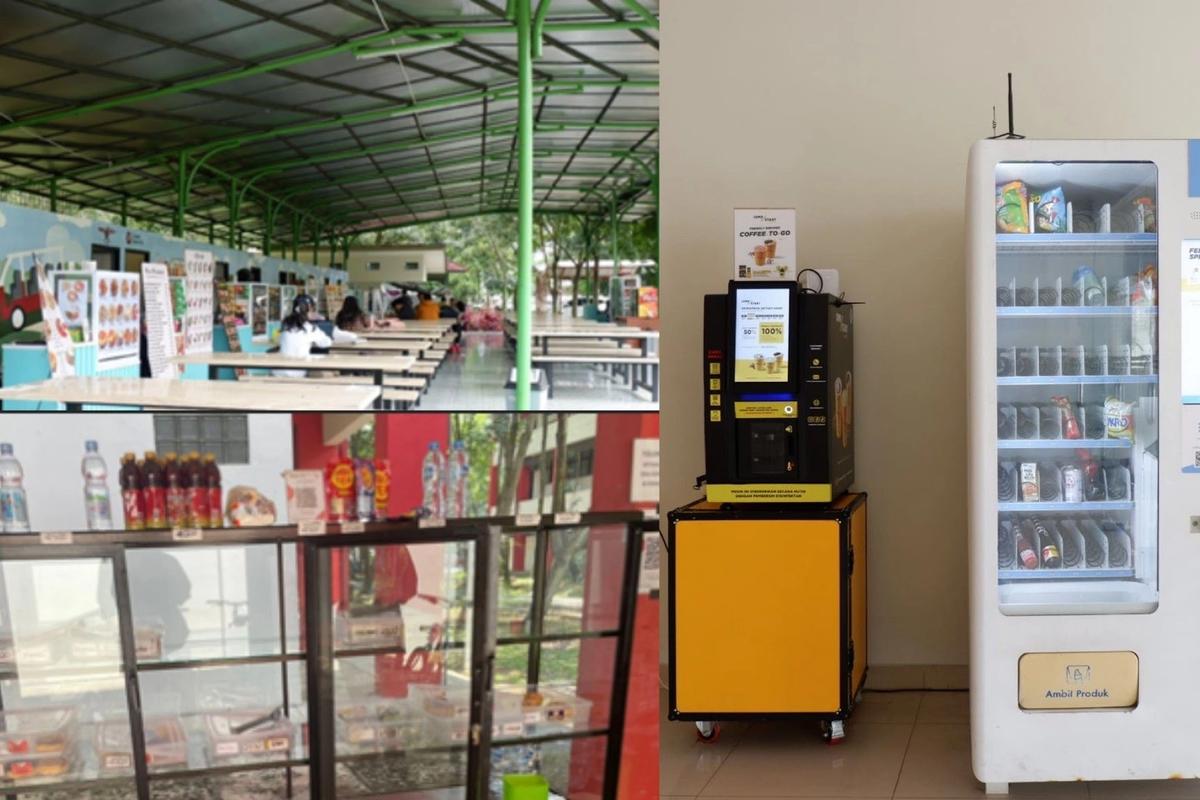
Telkom University supports employee welfare and food security through various workplace initiatives, including food tenants, office pantries, food banks, vending machines, meeting refreshments, and monthly meal allowances. These efforts aim to ensure convenient access to food while promoting a healthy and supportive working environment in line with SDG 2: Zero Hunger and SDG 3: Good Health and Well-Being.
In 2025, Telkom University held at least 24 events for local farmers and food producers across West, Central and East Java, reaching farmer groups, fish farmers, livestock farmers and small food businesses. The events ran from pest and disease education at the Selaawi Agricultural Extension Centre and LoRa-based irrigation training to aquaculture business management, processing of fish, milk and coconut sugar, and halal certification support. They gave local producers practical skills and a place to connect with university experts and with one another, supporting SDG 2, SDG 12 and SDG 14.
What ends up on a plate in a Telkom University canteen, and the supplies used across its campus, are shaped by a clear commitment: they should be sourced ethically and sustainably. Through two Rector's Decrees on sustainability, the university commits to a policy on the ethical sourcing of food and supplies, gives priority to local and sustainable products, and links these choices to its wider goals on responsible consumption, healthy food and environmental protection.
Two Rector's Decrees commit Telkom University to limiting plastic use, drawing up an action plan to reduce plastic waste and putting a plastic reduction policy in place, backed by waste sorting, recycling and a growing zero waste culture on campus.
Telkom University strengthens campus food security and student welfare through various initiatives, including free meal programs, affordable dining facilities, nutrition education, and local food innovation. These efforts promote access to safe and nutritious food while supporting SDG 2: Zero Hunger and SDG 3: Good Health and Well-Being.
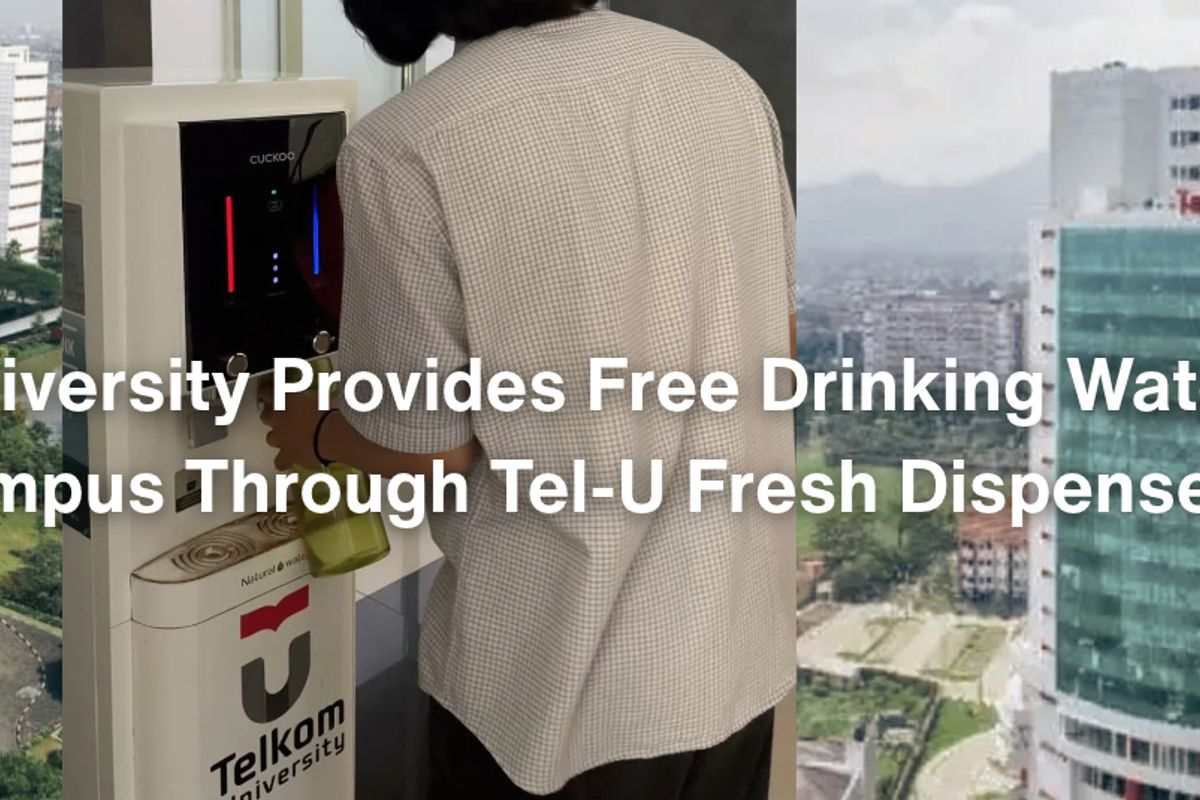
Telkom University ensures free drinking water is provided to students, staff and visitors through eight automated refill dispensers with four-stage filtration (Sedimentation, Pro Carbon, Natural and Nano Positive filters), supplied by tested deep-well water that meets drinking-water standards. This encourages reusable bottles and reduces single-use plastic waste.