Kumpulan update dan informasi terkini seputar SDGs.
1 SDG dipilih
Telkom University strengthens its commitment to carbon emission reduction through technological innovation, energy-efficient infrastructure, green mobility, and campus greening initiatives. Supported by automated building systems, vehicle-free policies, electric transportation, and environmental management programs, these efforts promote a lower-carbon campus while contributing to SDG 7: Affordable and Clean Energy, SDG 11: Sustainable Cities and Communities, and SDG 13: Climate Action.
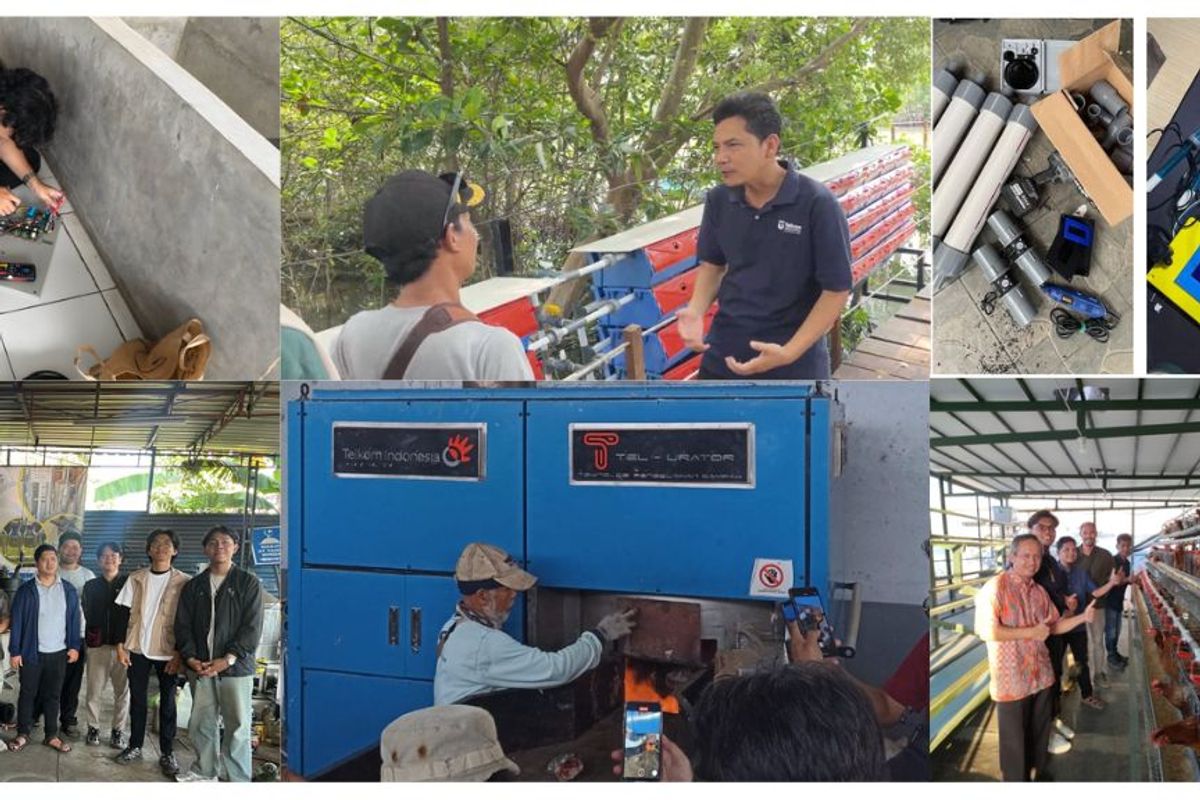
elkom University continues to foster the development of innovative technologies that address environmental challenges while promoting sustainable resource management. Through its integrated research and innovation ecosystem, the university has introduced several pioneering solutions across water management, sustainable agriculture, waste processing, and clean energy.
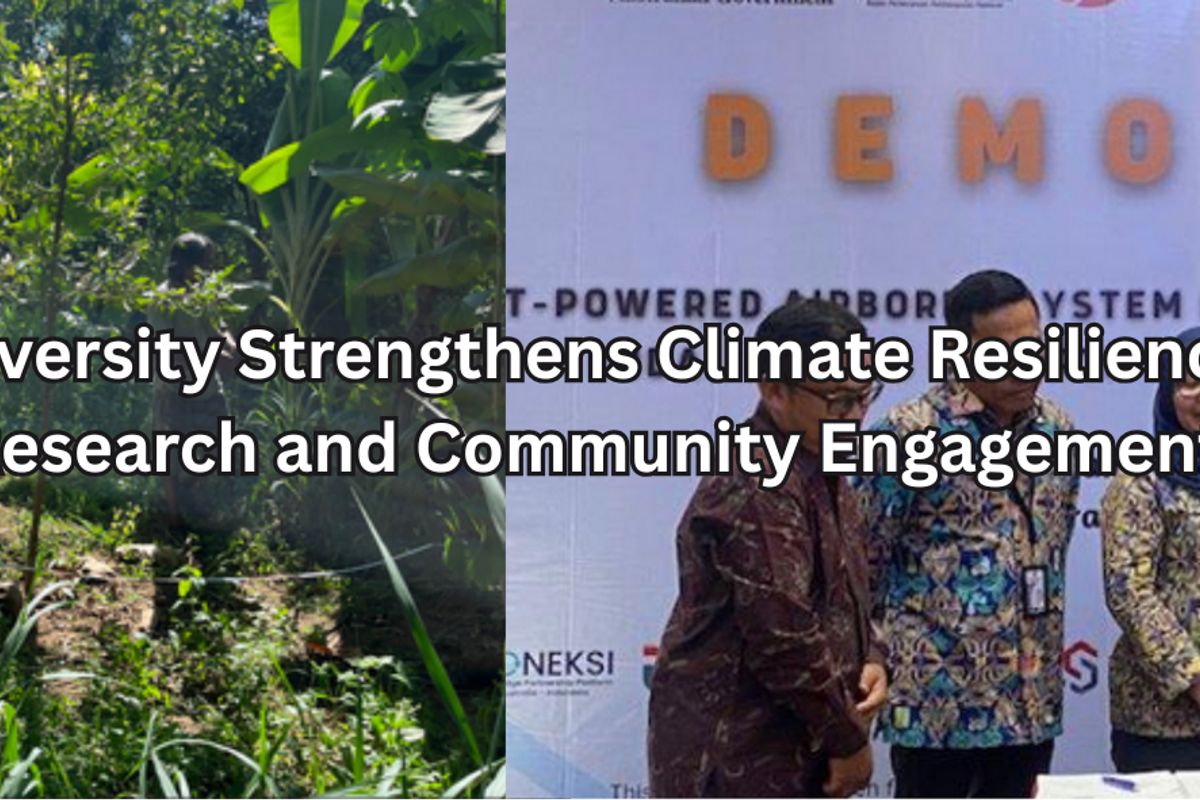
Telkom University is working alongside government agencies at every level, from West Java's provincial disaster management agency to village governments, to plan for floods, landslides and other climate-related disasters. Its researchers build the systems that help officials decide where to send relief supplies, when to warn residents and how to protect people before disaster strikes. The collaborations combine research and community service funded by the university, the Ministry of Higher Education, Science and Technology, regional government and international partners. They put the university's expertise in data, the Internet of Things (IoT) and artificial intelligence (AI) at the service of public disaster planning.
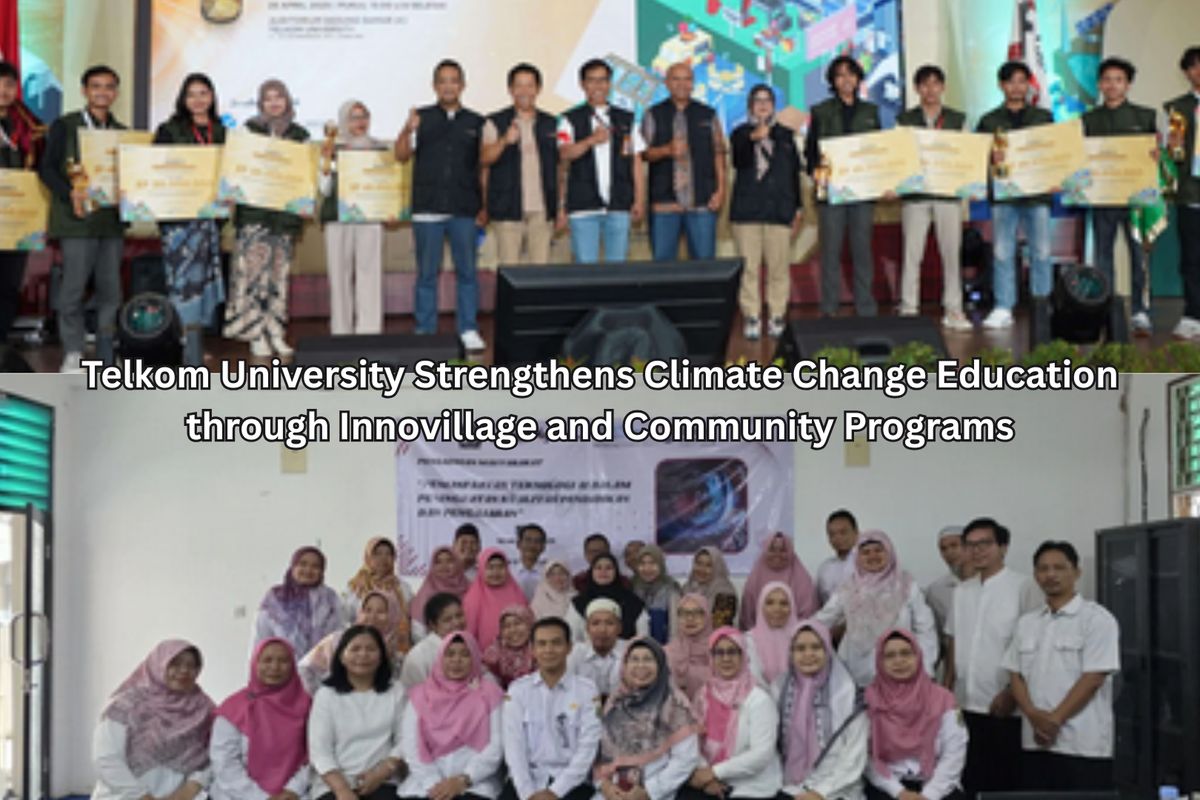
Telkom University recorded 86 local environmental education activities in 2025, focusing on climate change awareness, disaster risk reduction, renewable energy, waste management, recycling, and community greening. Through initiatives such as Innovillage and community service programs, the university combines technology, research, and public education to strengthen community resilience and promote sustainable environmental practices in support of SDG 13 (Climate Action).
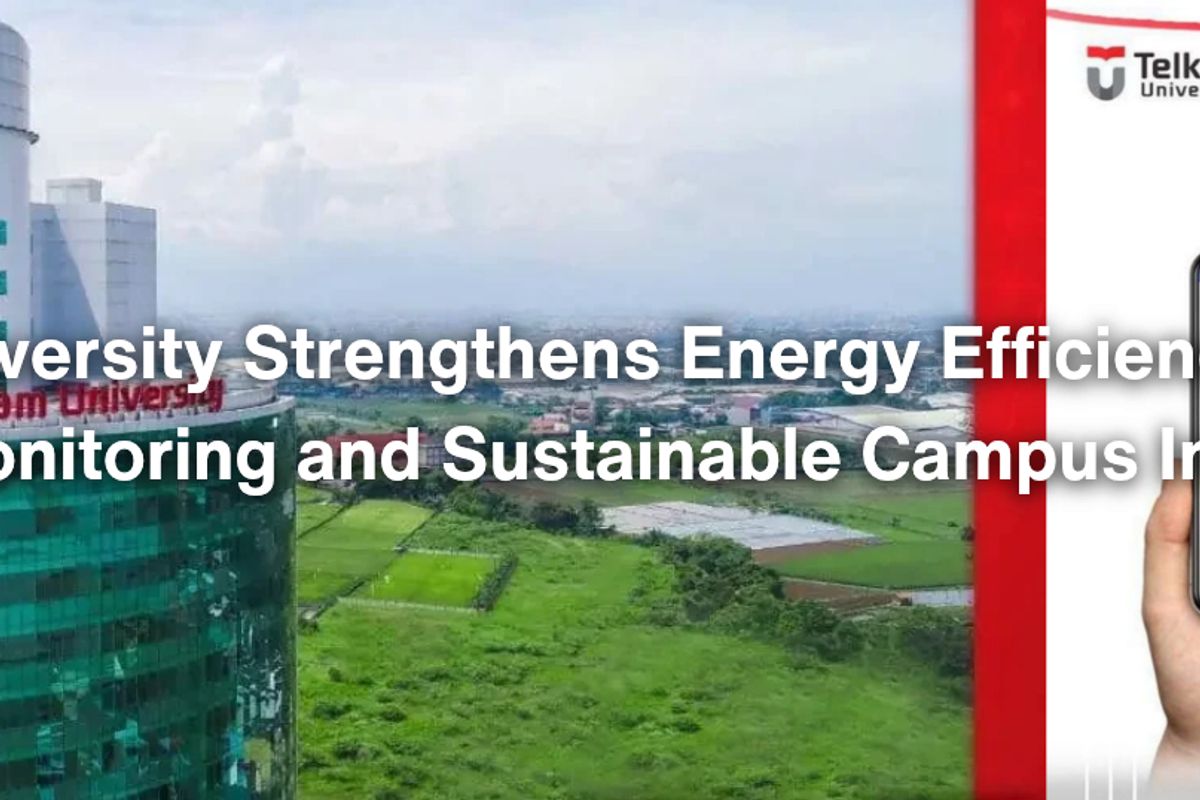
Telkom University strengthens energy efficiency through regular energy audits, IoT-based monitoring, smart building technologies, and renewable energy development. Supported by the Intelligent Energy Management System (IEMS), LED upgrades, and community-based energy initiatives, these efforts aim to reduce energy waste, improve campus operations, and support SDG 7: Affordable and Clean Energy, SDG 11: Sustainable Cities and Communities, and SDG 13: Climate Action.
Volume Organic Waste
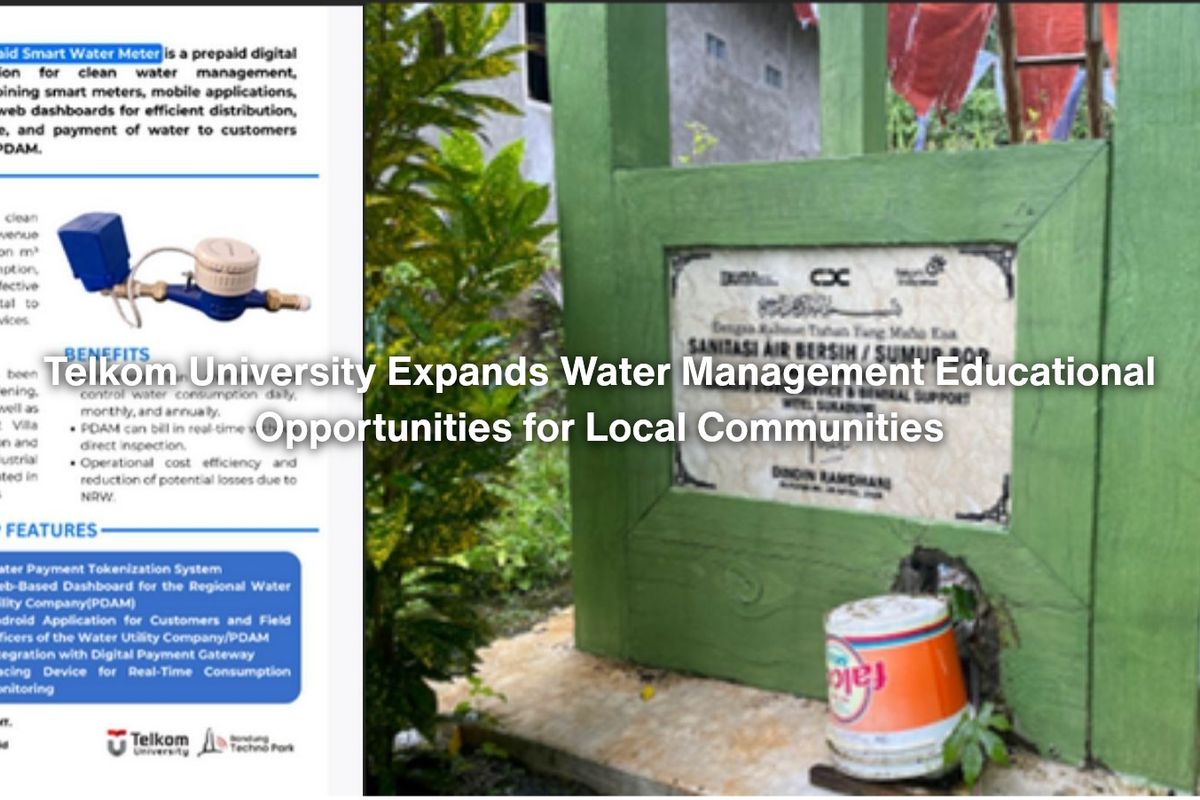
In 2025, Telkom University delivered 27 free water management educational activities for local communities. Villages learned to use automated flood pumps, water-level monitoring and early warning systems such as CITRA BANJIR and NotiFlood. Farmers adopted IoT and LoRa-based drip irrigation and solar-powered pumps, while fish farmers, BUMDes and community groups were trained in water filtration, water-quality monitoring and pipe-leak detection, and high school students learned to measure water levels with IoT sensors. The university also evaluated clean water facilities and provided sanitation education in communities across Java through the Moneva SAB programme with PT Telkom Indonesia.
Telkom University strengthens its commitment to climate action through research, community engagement, and strategic partnerships focused on climate mitigation, adaptation, and resilience. Through carbon stock measurements, technology-based environmental initiatives, and international research collaborations, the university promotes science-based solutions to address climate challenges and supports progress toward SDG 13: Climate Action.
Telkom University makes sure every campus building meets national sustainability standards and passes an environmental impact assessment (AMDAL) with the Bandung Regency Government before construction. Bandung Techno Park, for example, was assessed on 13 environmental and social aspects.
Through its university measures towards affordable clean energy policy divesting investments, Telkom University phases down coal and oil use under Rector’s Decree No. KR.331/ORG01/SPS-P3I/2024, holds fuel vehicle-free Fridays, and builds clean energy expertise through its Energy Systems Engineering programme.
Through its sustainable practices remote working policy, Telkom University applies a hybrid model of four office days and one remote day across all four campuses. It also allows work from anywhere around the Nyepi and Eid al-Fitr holidays, reducing commuting and energy use.
In 2025, Telkom University ran 43 energy and community programmes to learn clean energy. Activities ranged from household energy-efficiency education and solar panel installation in schools and pesantren to electric bicycle conversion training, solar-powered farming tools and a biogas digester for farmers, helping communities save energy and adopt renewable sources.