Kumpulan update dan informasi terkini seputar SDGs.
2 SDG dipilih
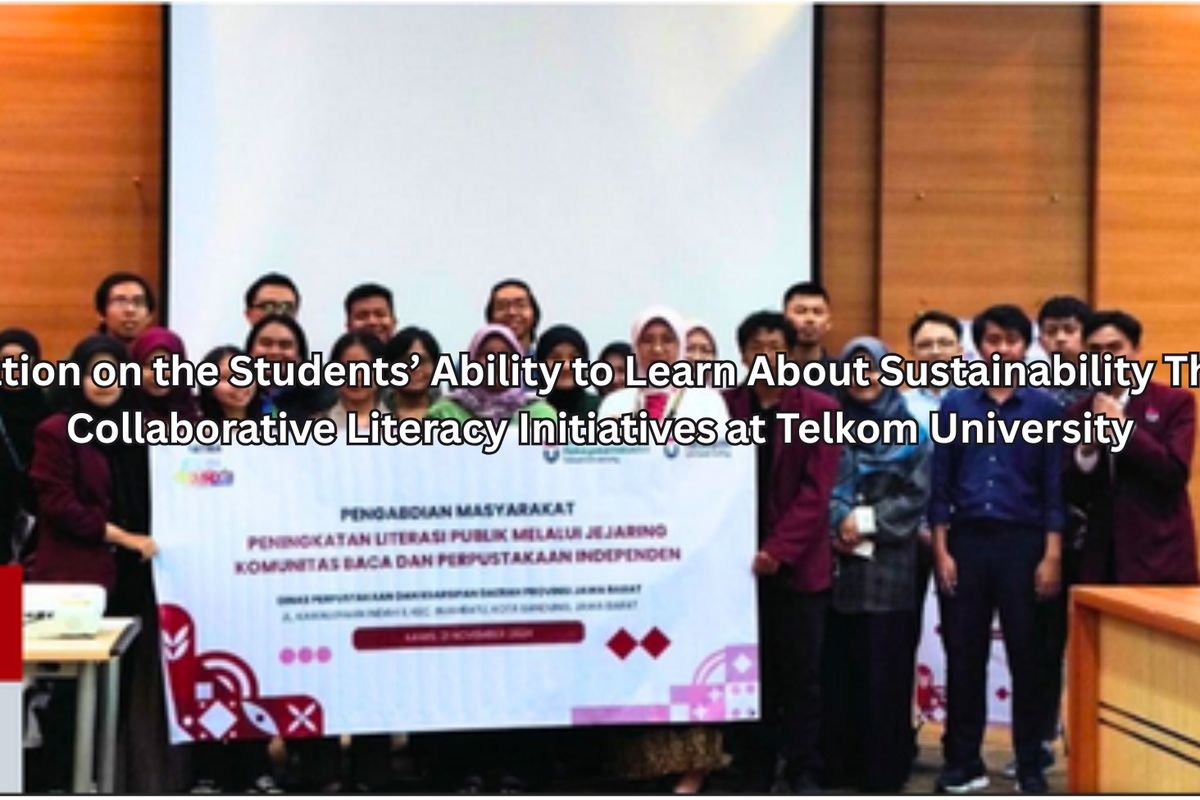
Telkom University promotes sustainability education and public literacy through community collaboration and SDGs-based learning. From developing the Salira Literacy Center Platform with independent libraries and reading communities across West Java to implementing project-based learning and structured assessments, the university connects education with real-world challenges, strengthens students’ understanding of sustainability, and expands access to knowledge in line with SDG 4 (Quality Education) and SDG 17 (Partnerships for the Goals).
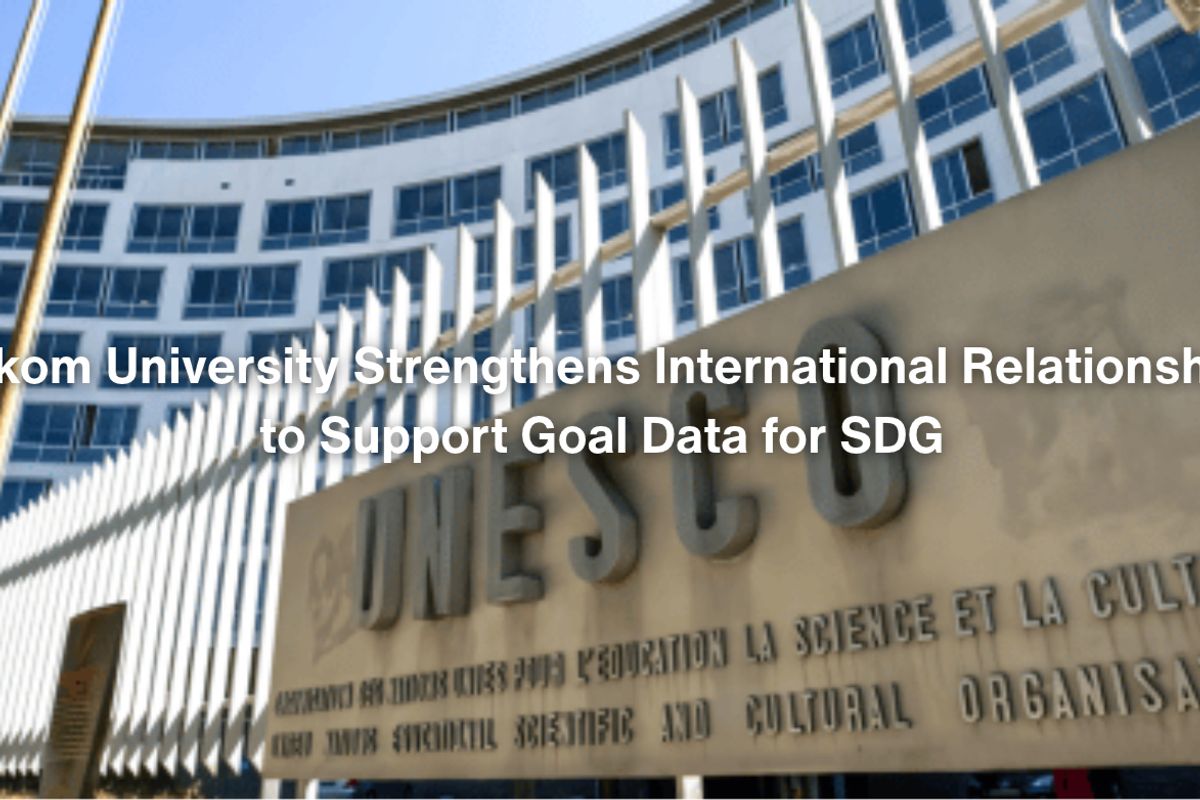
Telkom University strengthens SDG monitoring and evidence-based decision-making through international partnerships, joint research, and community-based data collection. With 144 international cooperation agreements across 23 countries and territories, the university collaborates on initiatives ranging from AIoT-based flood prediction and smart waste management to agricultural monitoring and disability inclusion research. By connecting data collection, technological innovation, and real-world applications, these collaborations support progress across multiple SDGs while reinforcing SDG 17 (Partnerships for the Goals).
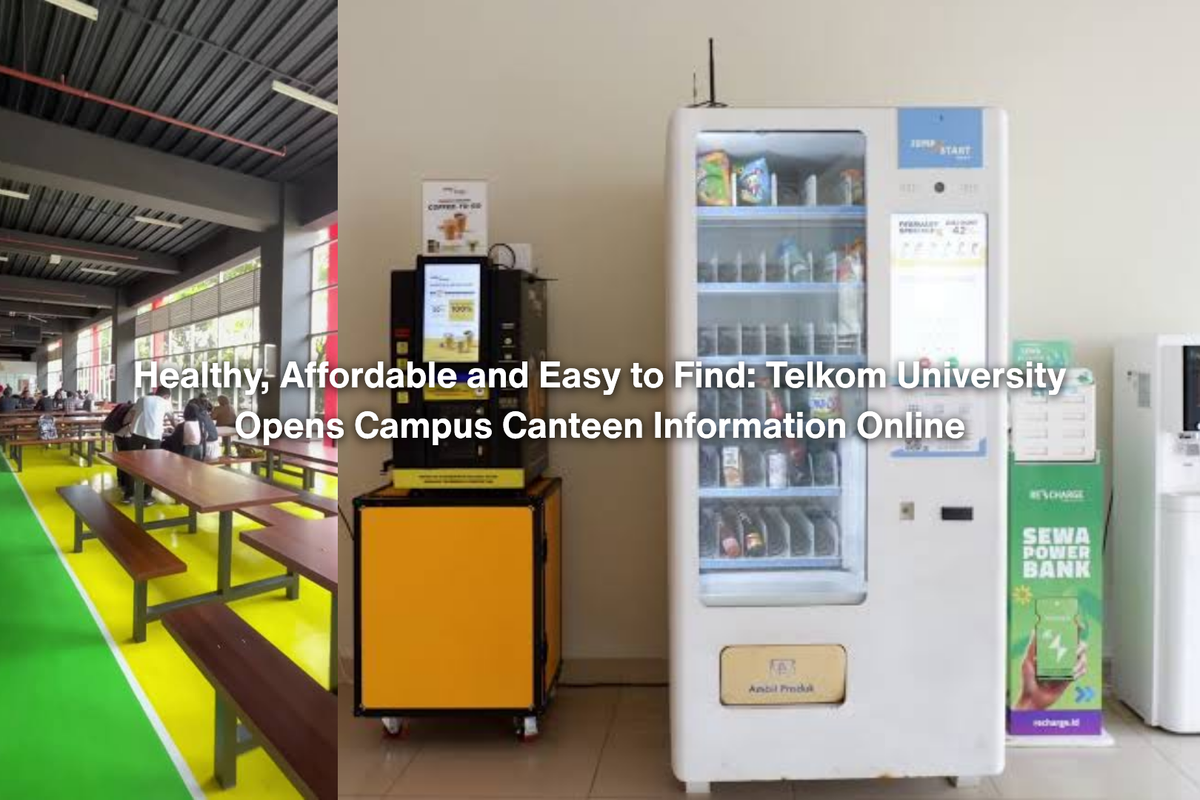
Telkom University supports its staff through integrated staff hunger interventions. These include more than 15 food tenants and canteens near offices, pantries in over 20 buildings, more than 10 vending machines that run 24 hours a day, and budgeted meeting refreshments ordered through Logas.id. Staff also receive a lunch facility guaranteed under Article 24 of YPT Remuneration Regulation No. PDB.0001/01/DGS-HK01/YPT/2023.
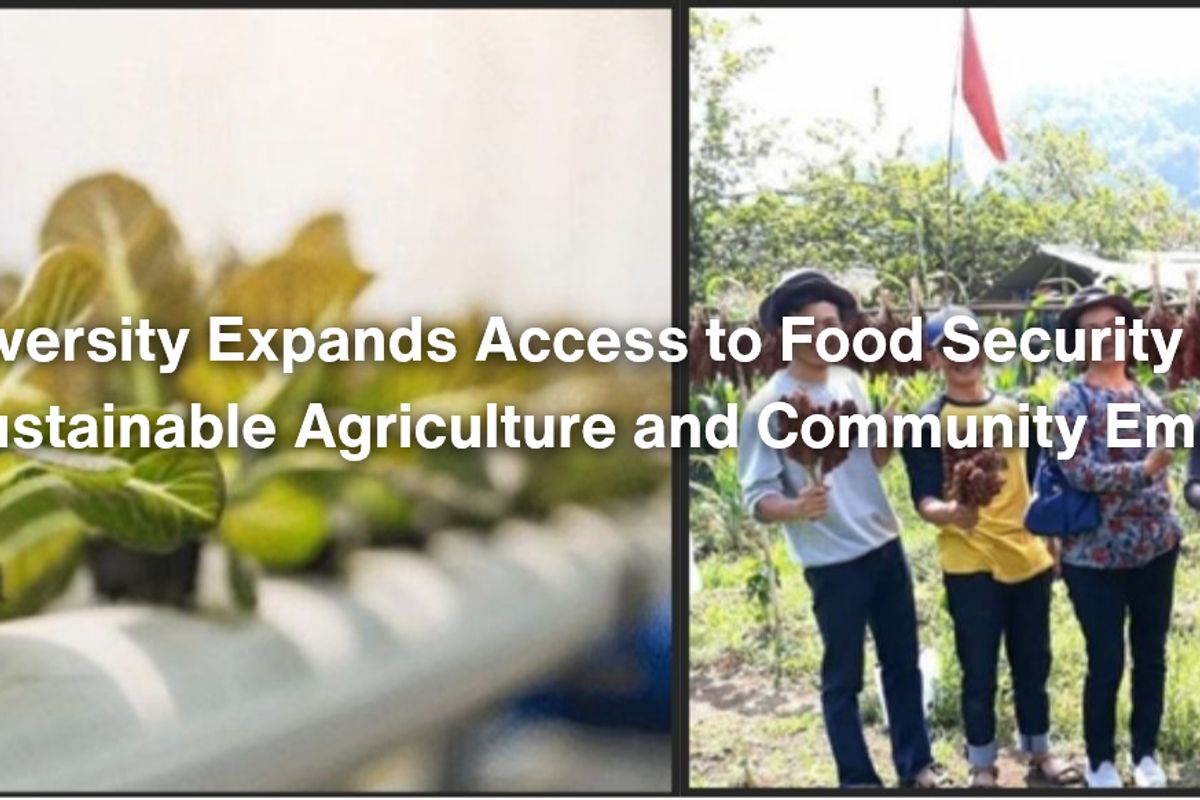
Telkom University opens its facilities, technology and expertise to local farmers and food producers. In 2025 this included SiMonA IoT aquaponics with Buruan SAE, which cut water use by 14.29% and fertiliser use by 98.33%, Teluphoenix greenhouses in Citeureup and Tarumajaya, a sorghum demonstration plot on campus with a new greenhouse built in October 2025, and stingless bee cultivation shared with Panghegar residents.
Telkom University expands access to food security knowledge through 161 food-related community programmes in 2025. The programmes bring smart irrigation, hydroponics, aquaponics, aquaculture technology and sorghum diversification to farmers, women farmer groups, fish farmers and food producers across Indonesia.
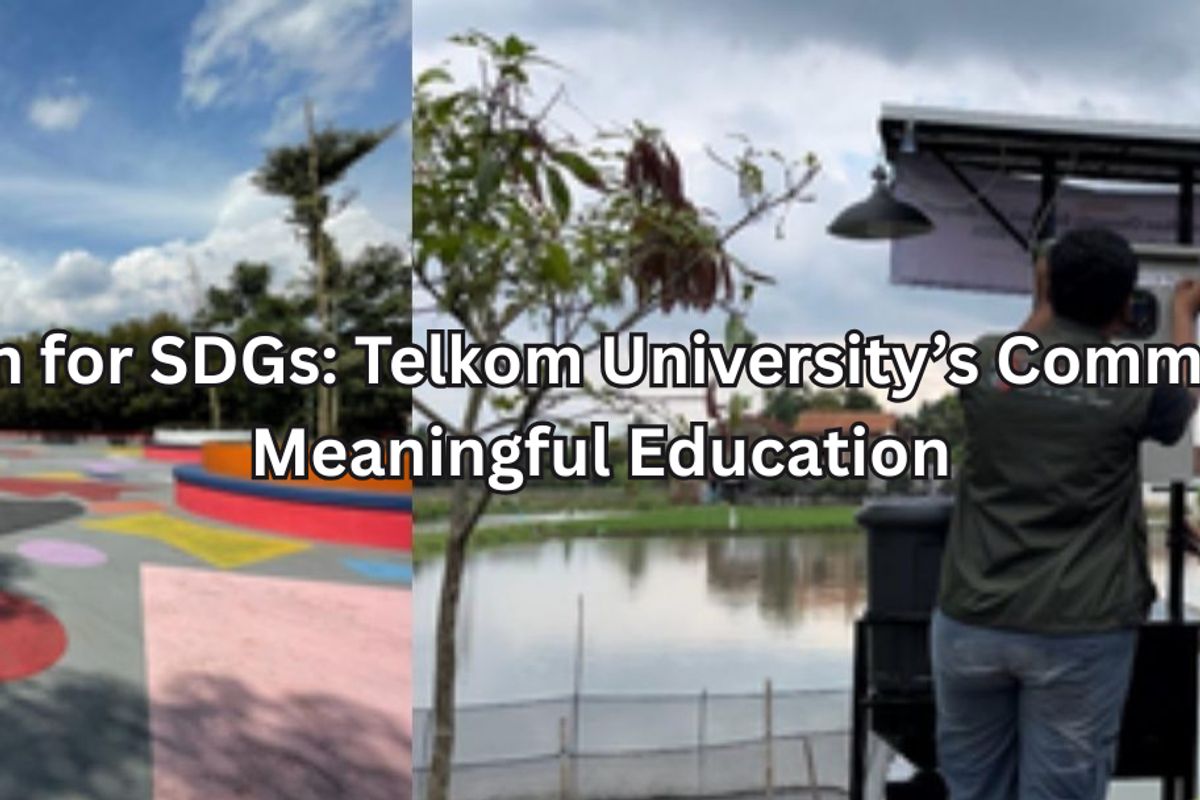
Telkom University promotes meaningful education for sustainable development by integrating practical learning, community engagement, and cross-sector collaboration into its academic ecosystem. Through the Independent Campus Program, which connects classroom learning with professional experience, and Innovillage, which empowers students to develop technology-based solutions for community challenges, the university equips students with practical skills, social awareness, and a sense of responsibility to contribute to the Sustainable Development Goals (SDGs).
Through Innovillage 2025, Telkom University and its partners selected the top 180 student social projects that bring education for SDGs to the wider community across Indonesia. The projects teach residents, vulnerable groups and disaster-affected villages practical skills in health, food, water, recycling and disaster preparedness.
Telkom University provides healthy, diverse and affordable food for everyone on campus. Vendors are selected on food quality, hygiene, nutrition and menu diversity, including vegetarian, vegan and allergen-aware options. Canteen agreements require healthy, halal food in eco-friendly packaging, and food safety is backed by Bandung Regency Health Office hygiene certification and food handler training.
Telkom University offers specific courses on sustainability across diploma, bachelor’s, master’s and doctoral programmes, such as Sustainable Fashion, Sustainability Marketing, Sustainable Hotel and Renewable Electrical Energy Systems. More than 1,000 courses are mapped to the SDGs.
Telkom University advances SDG 17 (Partnerships for the Goals) through collaboration with government institutions, NGOs, and international organizations to support sustainability education, digital innovation, and policy development. From contributing to UNESCO-led Education for Sustainable Development initiatives and presenting virtual reality technology at VR Expo Osaka to participating in regional ICT networks such as ASEAN IVO and the ITU Asia-Pacific Regional Development Forum, the university fosters knowledge exchange and cross-sector partnerships to address shared sustainability challenges at national, regional, and international levels.
Telkom University keeps students well fed with free Jumat Berkah lunches every Friday, free iftar meals on Mondays and Thursdays, budget-friendly canteens and vending machines, campus-grown sorghum, and nutrition education with the Bandung Health Agency.
Telkom University strengthens cross-sector partnerships with government institutions, NGOs, and international organizations to advance sustainable development policies. Through sustainability education initiatives, digital innovation, and regional ICT networks, the university promotes knowledge exchange and collaborative solutions to global challenges in support of SDG 17: Partnerships for the Goals.