Kumpulan update dan informasi terkini seputar SDGs.
3 SDG dipilih
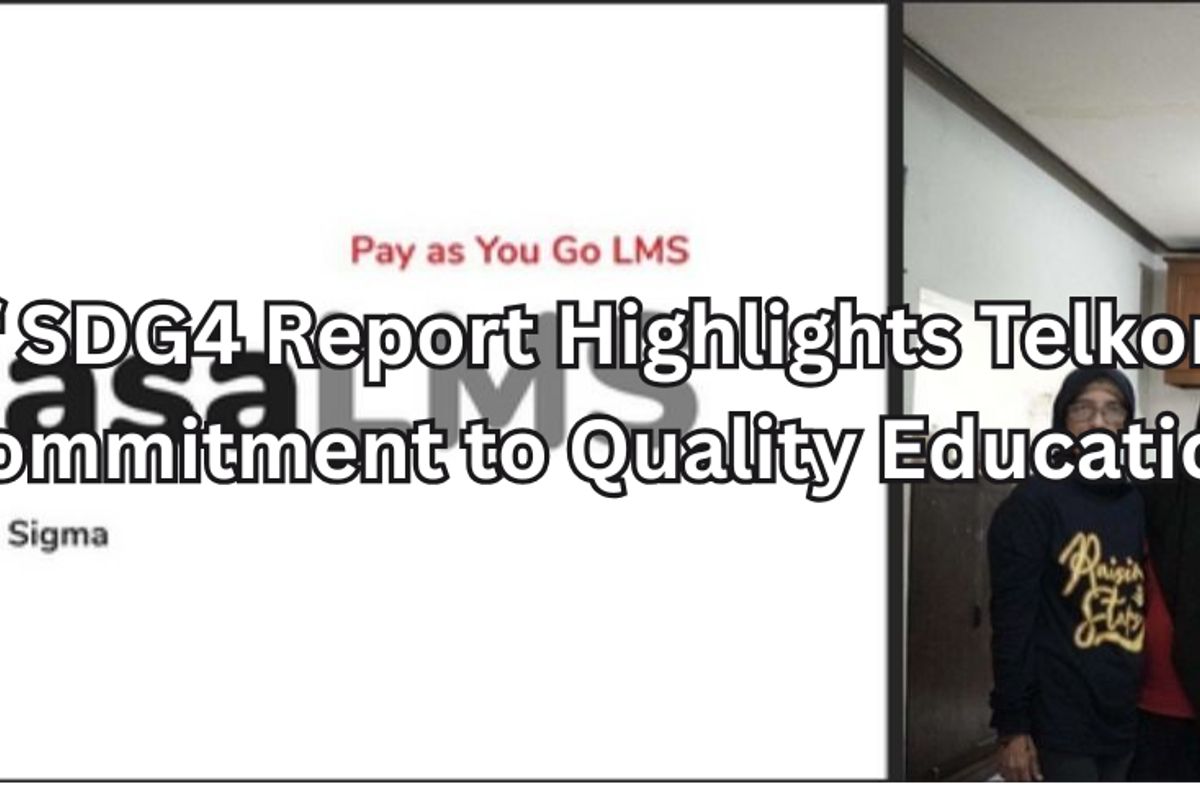
Telkom University’s SDGs Report 2025 highlights its commitment to inclusive and equitable education through collaborations that develop accessible digital learning platforms and assistive technologies. From ANGKASA LMS, developed with Telkom Sigma, to the Down Syndrome Tracker in partnership with POTADS West Java, these initiatives expand learning opportunities and support inclusive education through cross-sector collaboration, contributing to SDG 4 (Quality Education) and SDG 17 (Partnerships for the Goals).
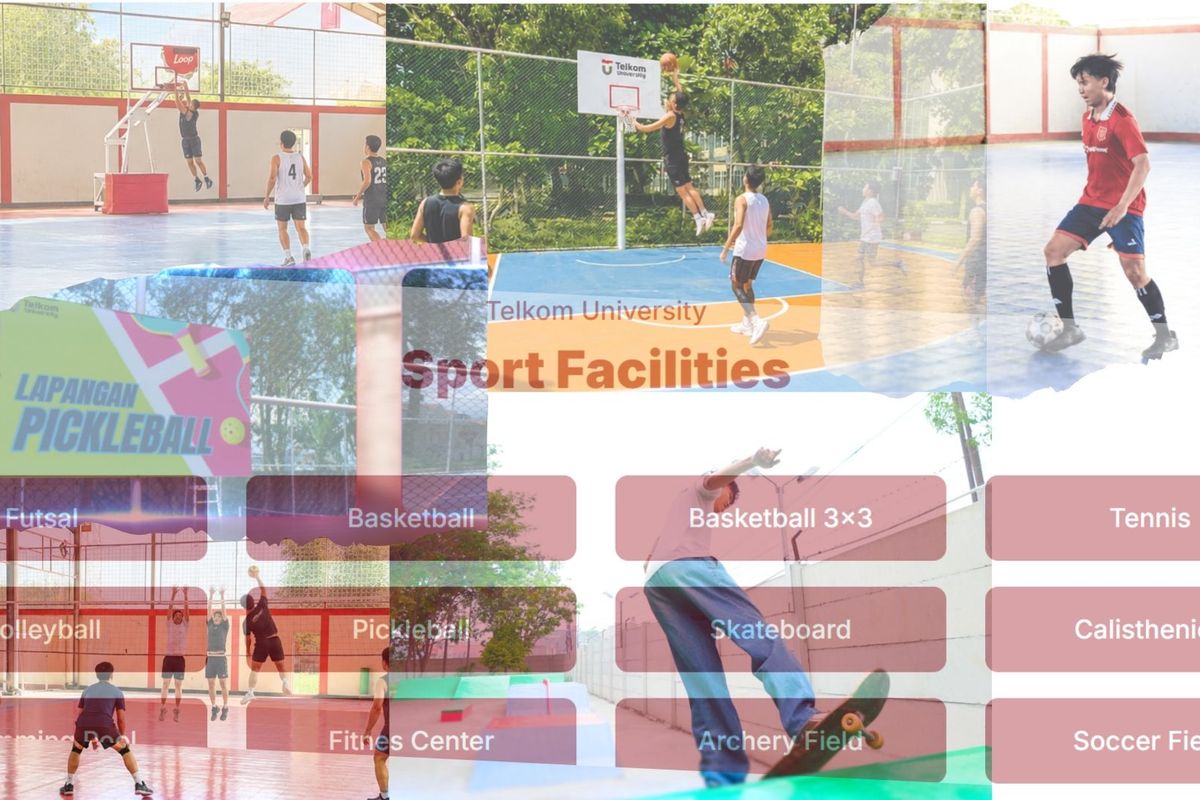
The Student Center Building features a multipurpose indoor sports court designed to accommodate various activities, including basketball, volleyball, and badminton. Beyond recreational use, this facility serves as a venue for friendly competitions and inter-faculty tournaments, fostering teamwork, sportsmanship, and stronger connections among students.
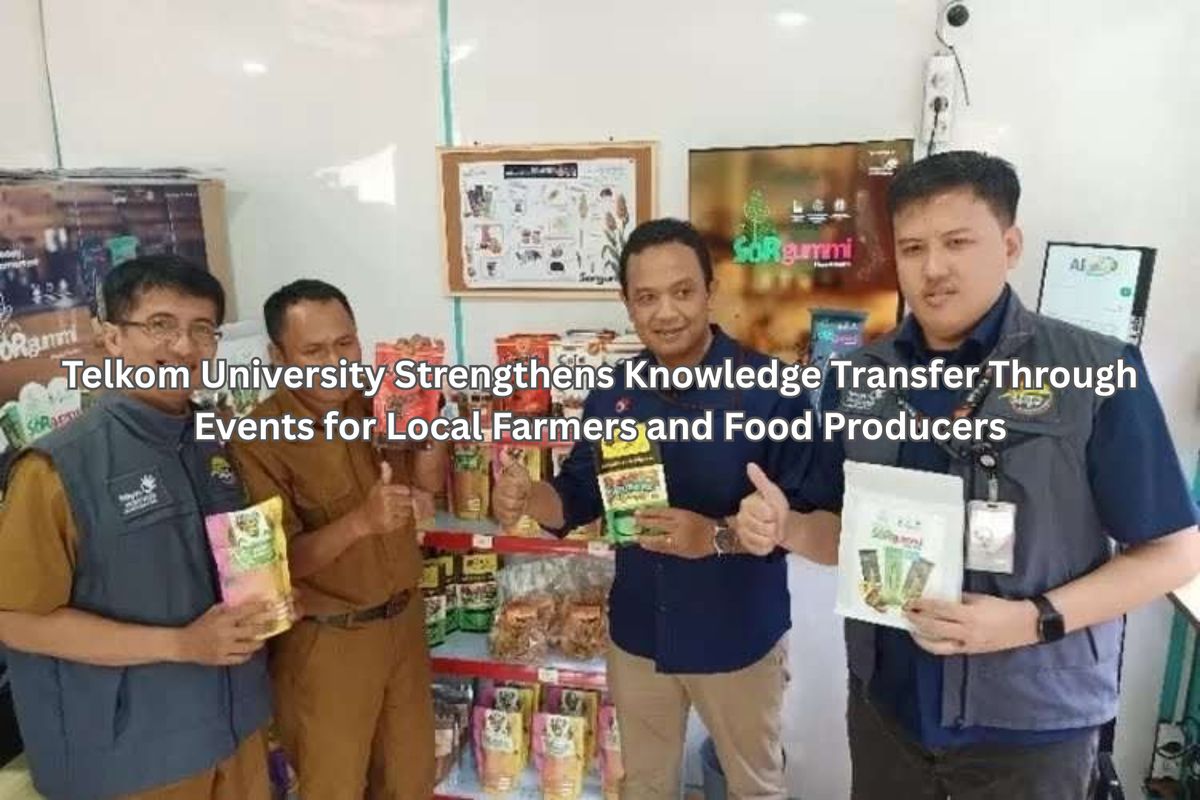
Telkom University prioritises local and sustainable food sources. On 23 June 2025, it signed Kampung Sorgum website licence agreements with Sorgumology StartUp, Komunitas Halal Bandung and KWT Melati Sorgum. Its canteen agreements require local MSME tenants to serve healthy, halal food in degradable packaging, without Styrofoam or packaged drinks, and it is developing Smart Poultry Farming and the IoT- and solar-powered Crabhouse silvofishery programme.
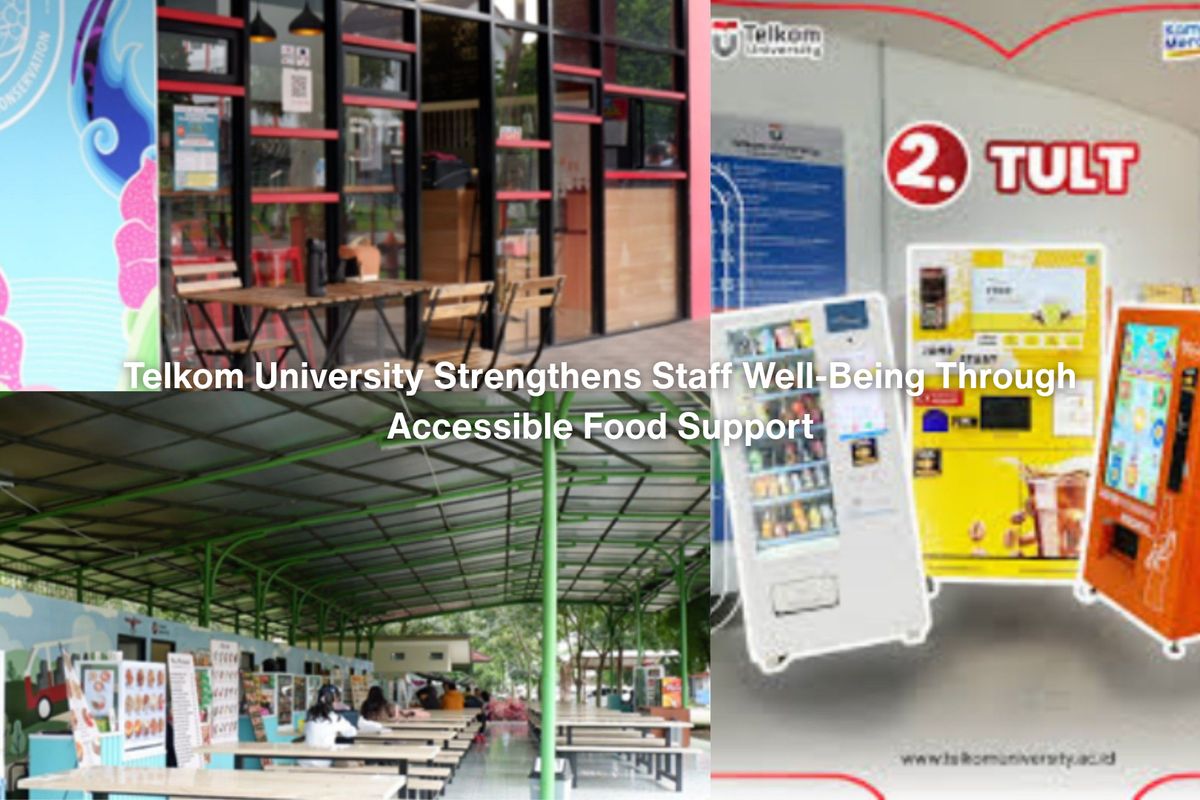
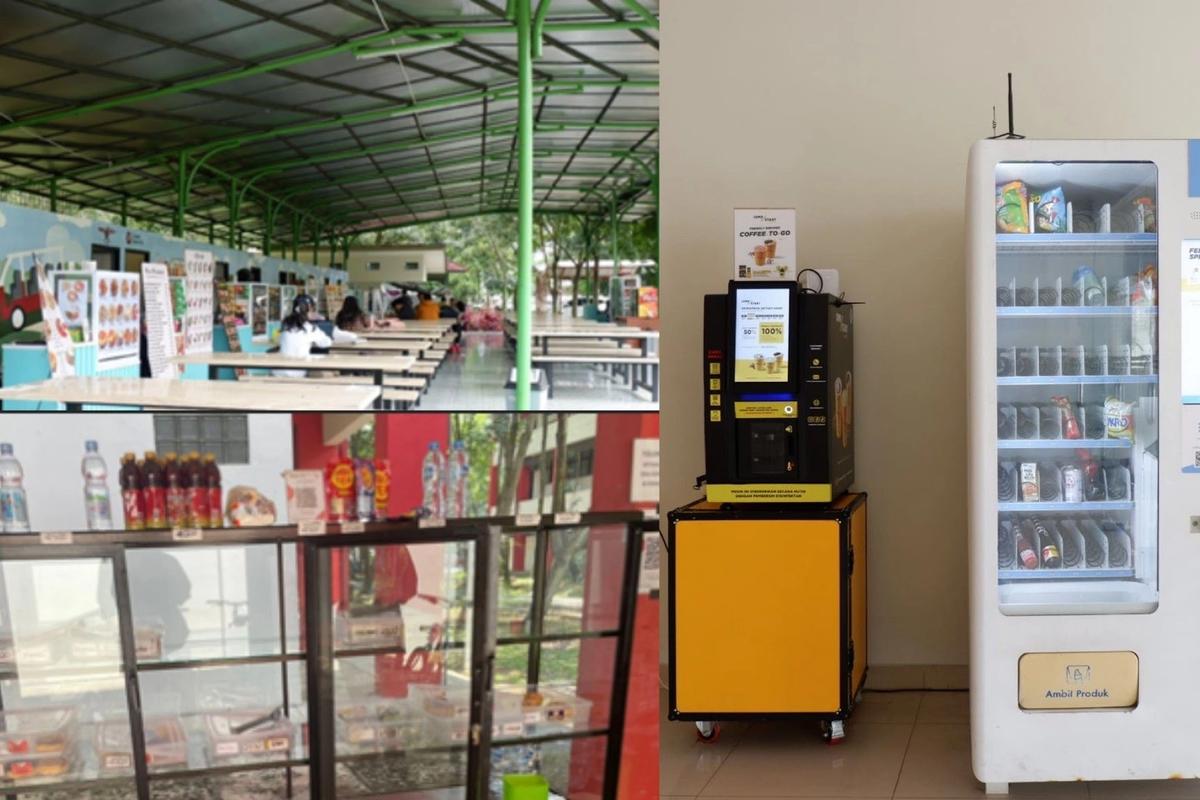
Telkom University supports employee welfare and food security through various workplace initiatives, including food tenants, office pantries, food banks, vending machines, meeting refreshments, and monthly meal allowances. These efforts aim to ensure convenient access to food while promoting a healthy and supportive working environment in line with SDG 2: Zero Hunger and SDG 3: Good Health and Well-Being.
In 2025, Telkom University held at least 24 events for local farmers and food producers across West, Central and East Java, reaching farmer groups, fish farmers, livestock farmers and small food businesses. The events ran from pest and disease education at the Selaawi Agricultural Extension Centre and LoRa-based irrigation training to aquaculture business management, processing of fish, milk and coconut sugar, and halal certification support. They gave local producers practical skills and a place to connect with university experts and with one another, supporting SDG 2, SDG 12 and SDG 14.
Telkom University strengthens campus food security and student welfare through various initiatives, including free meal programs, affordable dining facilities, nutrition education, and local food innovation. These efforts promote access to safe and nutritious food while supporting SDG 2: Zero Hunger and SDG 3: Good Health and Well-Being.
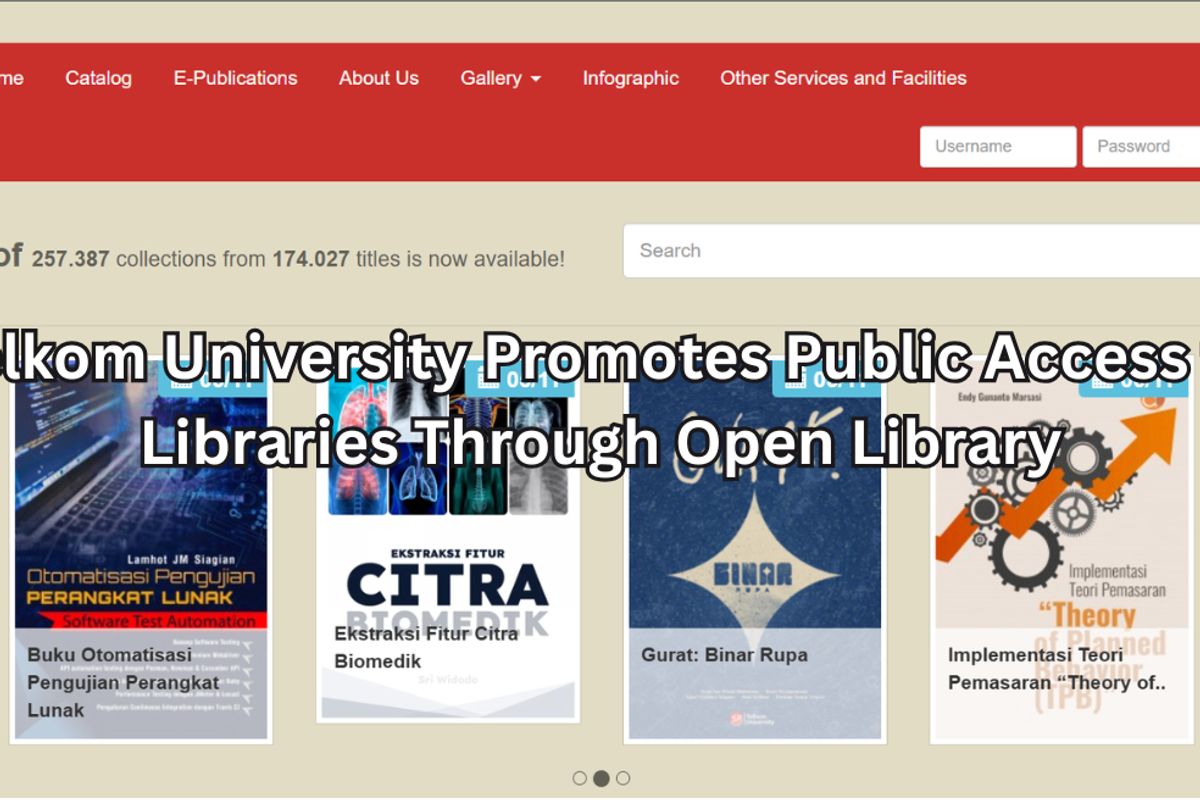
Telkom University expands access to education and knowledge through its Open Library, welcoming both university members and the general public to use designated library facilities and explore selected digital resources. By providing access to academic publications, course materials, and learning spaces, the initiative promotes inclusive education and lifelong learning in support of SDG 4 (Quality Education).
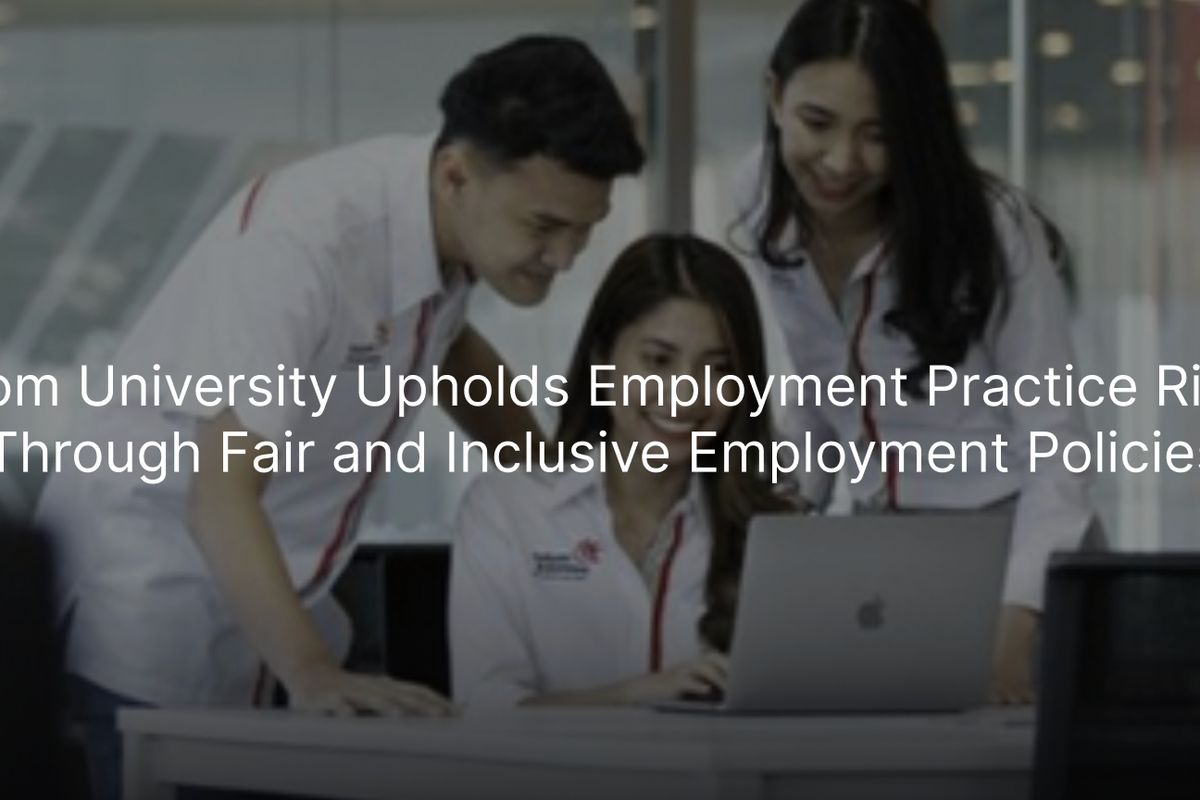
Telkom University upholds employment practice rights by recognising freedom of association and collective bargaining for all lecturers and staff, as set out in its Sustainable Development Strategic Program decree. Employees are represented by AKAR YPT, a union registered with the Bandung City Manpower Office, and women and international staff work under equal, transparent contracts.