Kumpulan update dan informasi terkini seputar SDGs.
3 SDG dipilih
Telkom University offers specific courses on sustainability across diploma, bachelor’s, master’s and doctoral programmes, such as Sustainable Fashion, Sustainability Marketing, Sustainable Hotel and Renewable Electrical Energy Systems. More than 1,000 courses are mapped to the SDGs.
Telkom University keeps students well fed with free Jumat Berkah lunches every Friday, free iftar meals on Mondays and Thursdays, budget-friendly canteens and vending machines, campus-grown sorghum, and nutrition education with the Bandung Health Agency.
Through maintaining local ecosystem watershed management strategy, Telkom University tailors water protection to each river, lake and coast. Its work includes flood monitoring, plastic recycling in the Citarum basin, species research in Lake Batur, and Crab House monitoring in Cirebon.
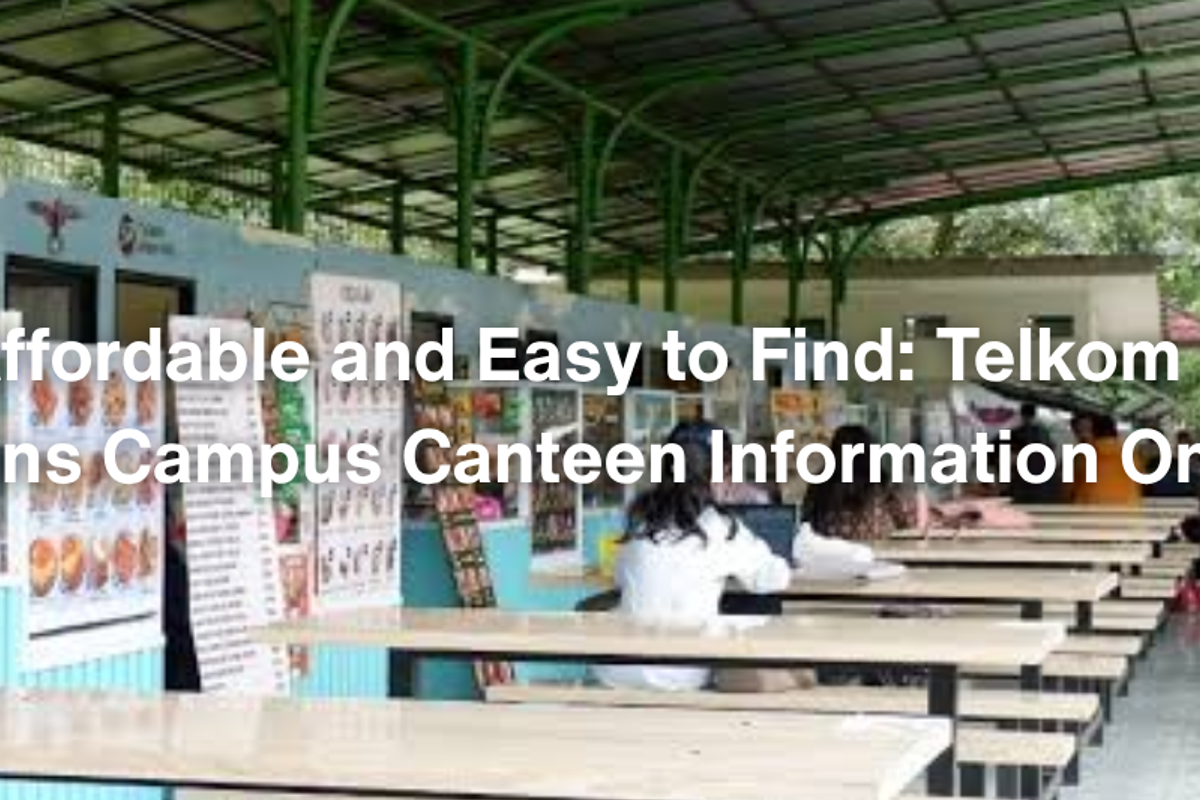
Telkom University provides healthy and affordable food choices for everyone on campus through selective tenant selection and canteen agreements that require healthy, clean and affordable food at agreed prices. The official canteen website (canteen.telkomuniversity.ac.id) lists canteens, tenants, menus, locations and price ranges.
Telkom University strengthened its student hunger interventions in 2025 through Jumat Berkah free meals and charity, healthy rebusan refreshments at university activities, balanced “4 sehat 5 sempurna” Ramadan meals with fruit, 61 canteen tenants across 7 campus locations, 24-hour vending machines, and sorghum outlets and free sorghum cereal in the faculties.
Telkom University ensures water in community utilises water extraction technologies sustainably. It draws from 11 metered deep wells with a dedicated recharge well, uses treated river-canal water by gravity flow for farming and the Situ Tekno reservoir, harvests rainwater as an alternative source, and recharges groundwater across 34% of the campus.
Telkom University ensures water in community utilises water extraction technologies sustainably, through campus infiltration wells, filtration and IPAL, Citarum River monitoring, and community training.
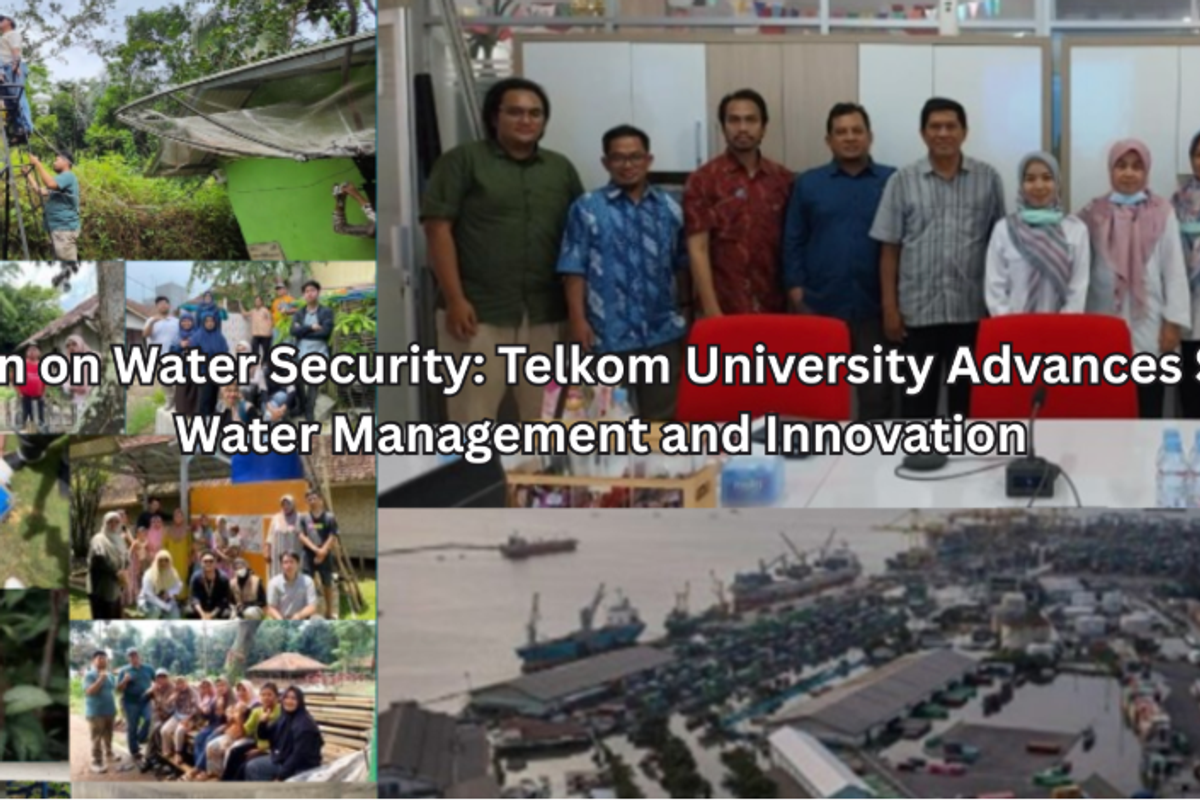
BANDUNG (22/02/25) Through cooperation on water security, Telkom University continues to strengthen its contribution to sustainable water management through technological innovation, campus infrastructure, community empowerment, and international partnerships. Supporting SDG 6: Clean Water and Sanitation and SDG 17: Partnerships for the Goals, these initiatives demonstrate the importance of collaboration in addressing water-related challenges and building a more sustainable future.
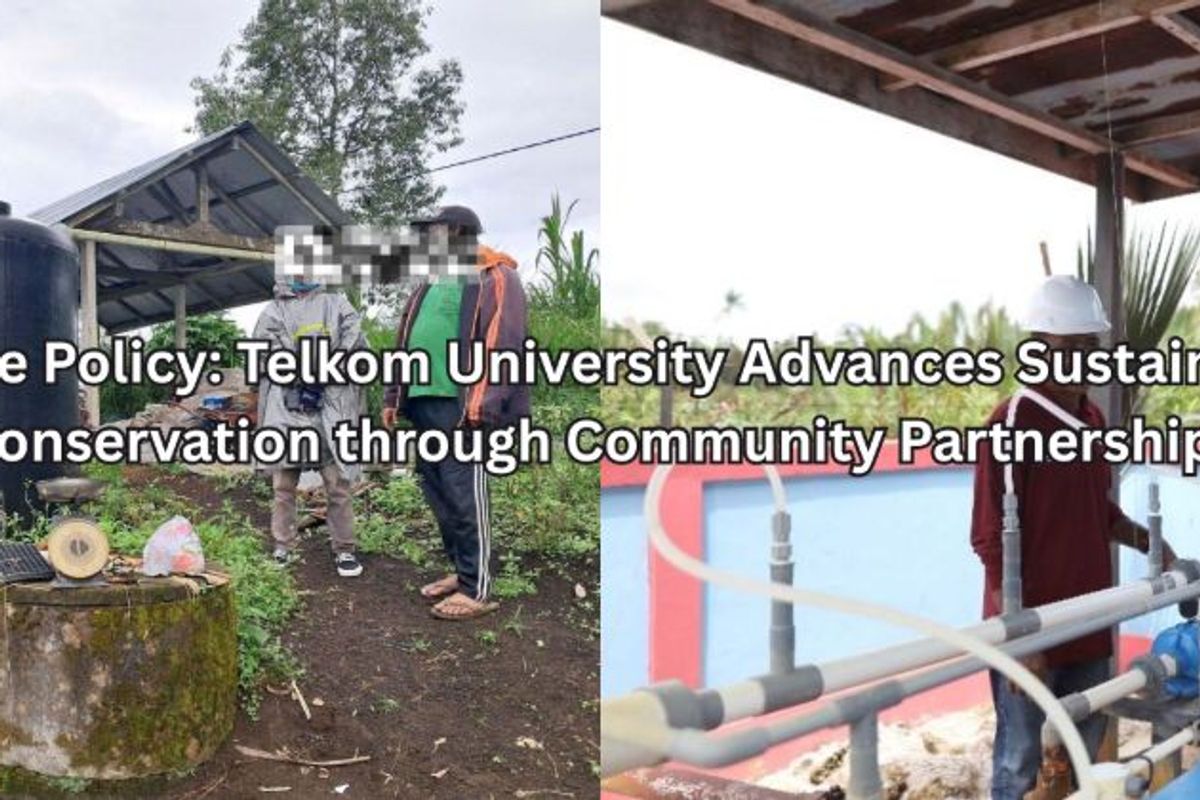
In 2025, Telkom University carried out 26 off-campus water conservation activities with farmers, villages and community groups. It installed IoT, LoRa and solar-powered drip and automatic irrigation, added water filtration and water-quality monitoring for fish farmers, and developed pipe-leak detection and digital water management for villages. It also evaluated community clean water facilities across Java through the Moneva SAB programme with PT Telkom Indonesia.
Telkom University embeds the SDGs across its curriculum through its Academic Guidelines, mapping 1,005 courses across seven faculties to the SDGs and offering SDG-focused learning through compulsory courses and Innovillage 2025.
Aligned with SDG 2, Telkom University strengthens food security through sensor-based urban farming with a women farmers’ group in Bojongsoang, a Digital Twin system that increased rice field productivity by 22.8%, and affordable IoT aeroponics.
Aligned with SDG 4, Telkom University expands access to quality education through digital literacy and academic mentoring at SMAN 8 Balikpapan, public speaking training at MAN 1 Pangandaran, and AI-based research to improve learning.