Kumpulan update dan informasi terkini seputar SDGs.
2 SDG dipilih
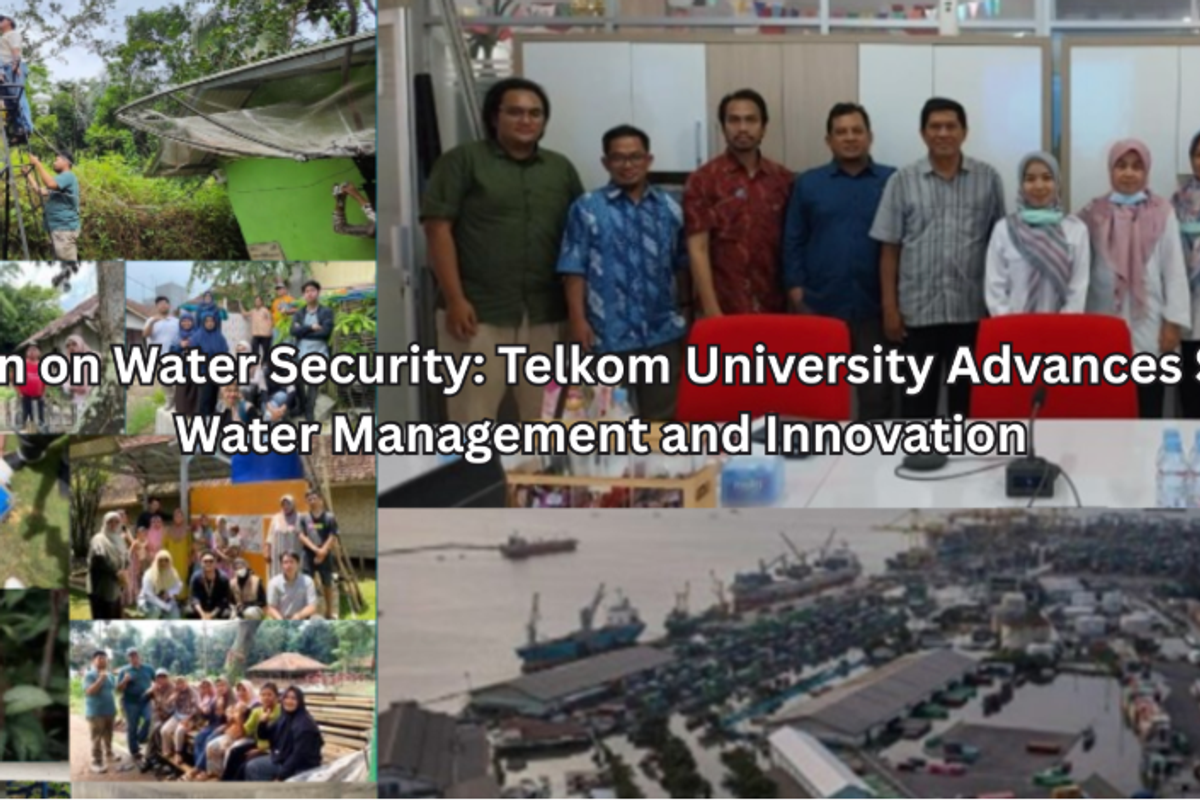
BANDUNG (22/02/25) Through cooperation on water security, Telkom University continues to strengthen its contribution to sustainable water management through technological innovation, campus infrastructure, community empowerment, and international partnerships. Supporting SDG 6: Clean Water and Sanitation and SDG 17: Partnerships for the Goals, these initiatives demonstrate the importance of collaboration in addressing water-related challenges and building a more sustainable future.
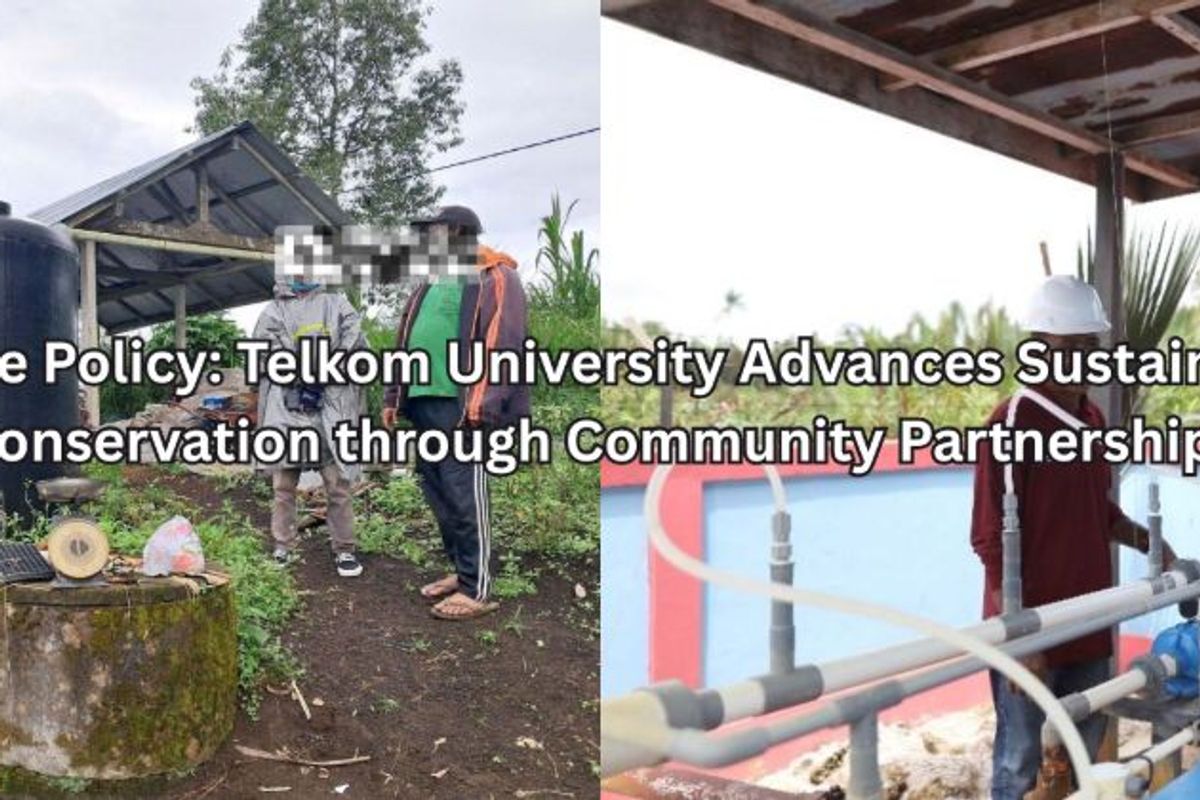
In 2025, Telkom University carried out 26 off-campus water conservation activities with farmers, villages and community groups. It installed IoT, LoRa and solar-powered drip and automatic irrigation, added water filtration and water-quality monitoring for fish farmers, and developed pipe-leak detection and digital water management for villages. It also evaluated community clean water facilities across Java through the Moneva SAB programme with PT Telkom Indonesia.
Aligned with SDG 3, Telkom University supports health and well-being through knowledge management mentoring at the Yakkum Rehabilitation Center for people with disabilities and EEG-based research to improve brain activity classification.
Aligned with SDG 6, Telkom University protects water resources by turning water hyacinth from the Batujai Dam in Central Lombok into organic fertiliser and by developing an IoT-based real-time water quality monitoring system for water treatment plants.
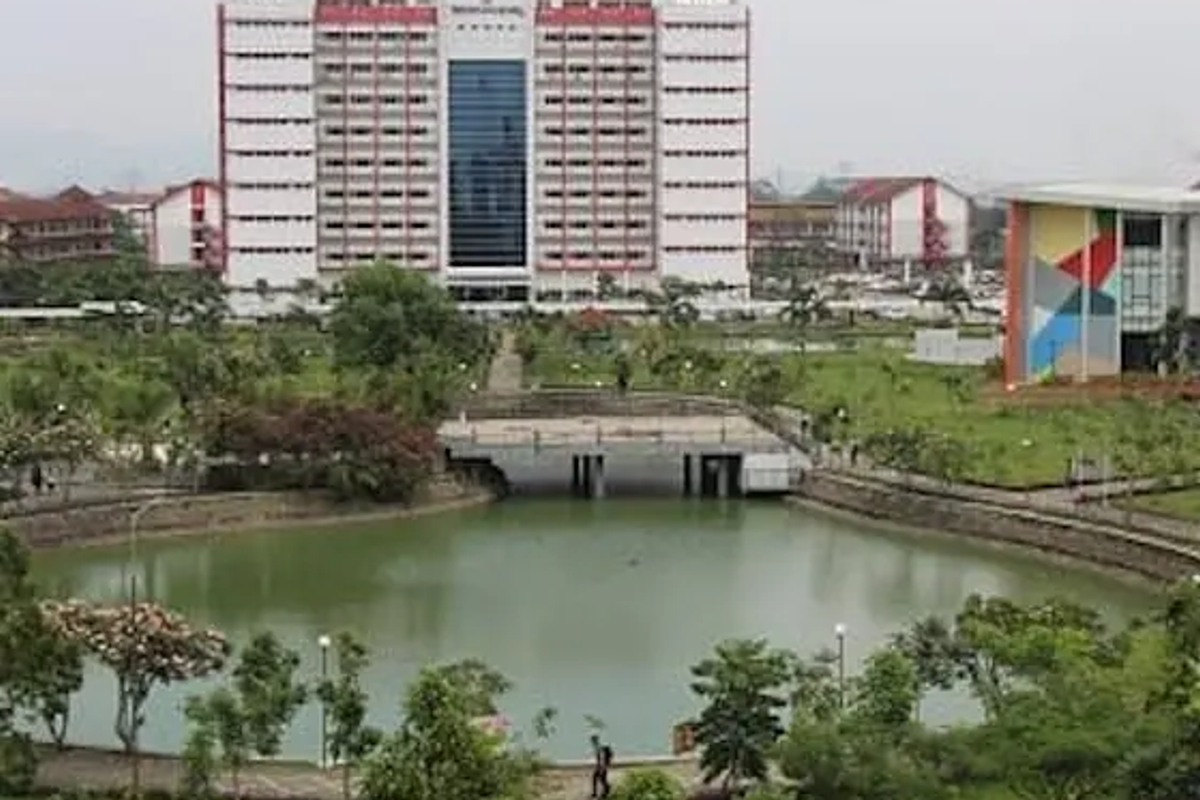
Water that enters Telkom University full of plastic and mud now leaves the campus clean. The university follows a staged plan to stop its 48-hectare campus in Dayeuhkolot, Bandung Regency, from physically, chemically or biologically altering the canal, lake and river that run through and past it. The campus sits on reclaimed rice fields, and a primary irrigation canal from the city of Bandung crosses it. The canal cannot be closed, and it arrives carrying farm and household waste from upstream. Rather than pass that burden downstream, the university treats the water in several stages before releasing it to the Cipurut River.
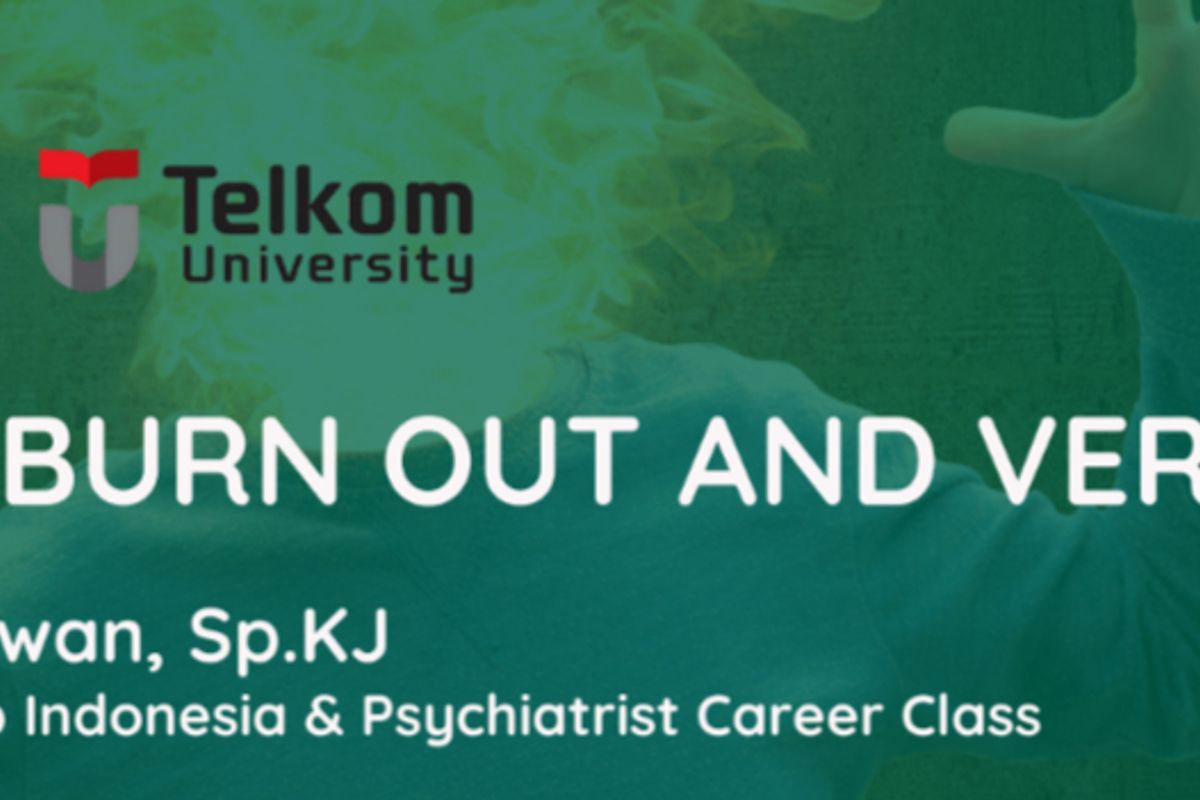
Telkom University strengthens mental health support for staff through its Employee Well-Being Program with Naluri: mental health talks, a burnout workshop with a psychiatrist, a DASS-21 assessment and nine batches of free private counselling across four campuses. This is complemented by BPJS Kesehatan coverage paid by the Foundation, giving staff access to psychiatrists and psychologists.
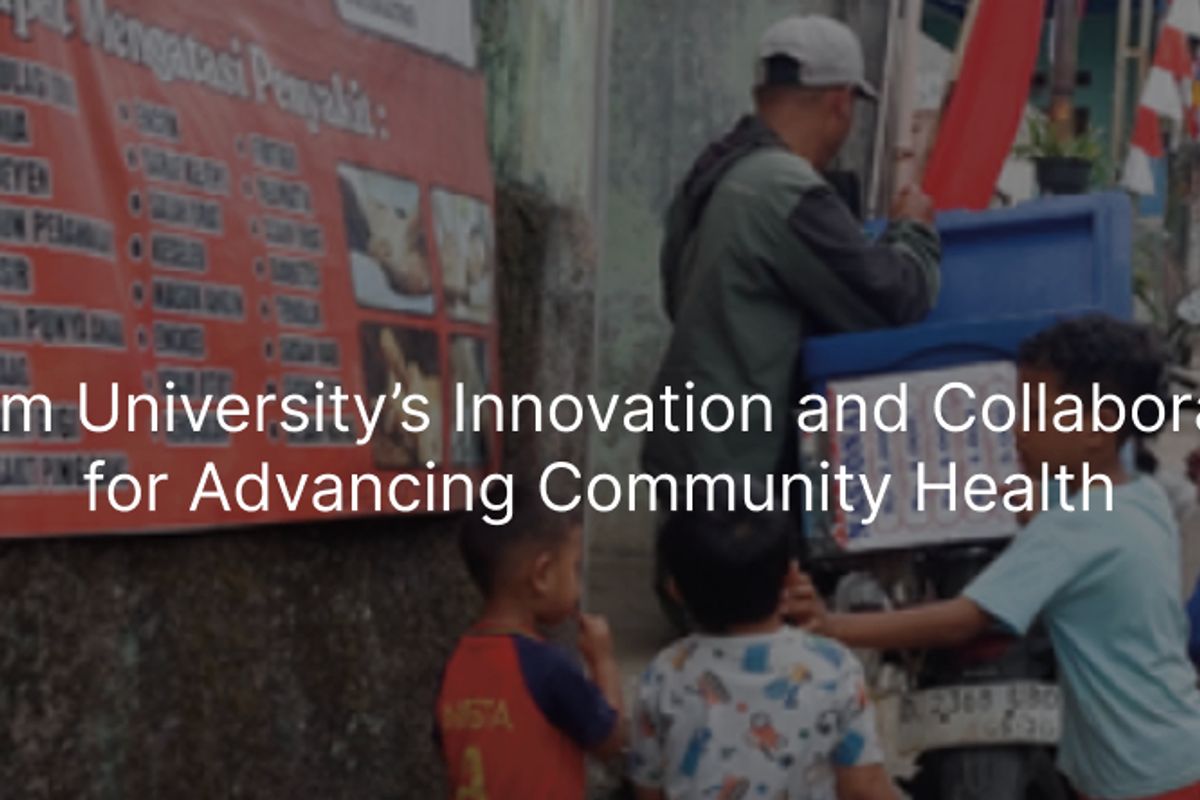
Telkom University’s SDGs Report 2025 highlights its contributions to public health through healthcare research, digital innovation, and community empowerment. From AI-assisted medical diagnostics to a digital stunting-monitoring dashboard that improved intervention processes by up to 30%, these initiatives demonstrate how technology and cross-sector collaboration can support community well-being, contributing to SDG 3 (Good Health and Well-being), SDG 8 (Decent Work and Economic Growth), and SDG 17 (Partnerships for the Goals).
Telkom University monitors water quality across its campus, from canal to lake, and brings IoT water monitoring to communities through SiMonA freshwater aquaponics in Bandung and Crab Houses in Cirebon and Surabaya.
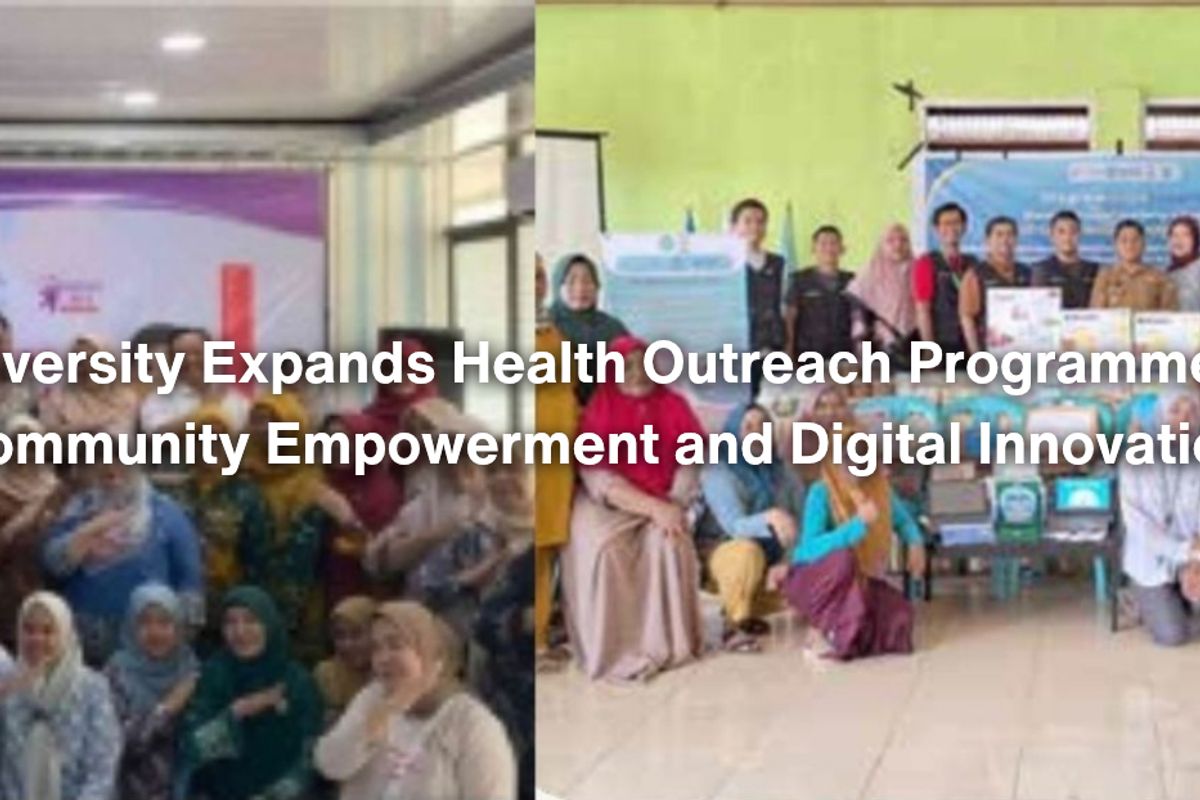
Telkom University expands its health outreach programmes with 50 health-focused community activities in 2025. They range from digital stunting monitoring with Posyandu cadres and hygiene education in schools to exercise videos for older adults, assistive technology for children with disabilities, and physiotherapy robots for stroke survivors, advancing SDG 3: Good Health and Well-being.
To ensure accurate and sustainable water resource management, Telkom University implements a comprehensive water measurement system across its campus. Each month, the volume of water extracted from individual artesian wells is recorded through water meters installed at each production site. These measurements are subsequently compiled to monitor overall water consumption throughout the university.
Rivers, canals and coastlines do not stop at a university's boundary, and neither does Telkom University's work to protect them. In 2024 and 2025, its lecturers and students worked side by side with riverbank residents, village governments, fishing communities and turtle conservation groups to look after the waters they share. The collaborations range from the Cikapundung River watershed, which feeds the irrigation canal running through the campus, to neighbouring villages in Dayeuhkolot and Bojongsoang and coastal communities in East Java, Yogyakarta and Lampung. They are funded through the university's community service grants, the Ministry of Education, Culture, Research and Technology, and Telkom Indonesia's Innovillage and CSR programmes.
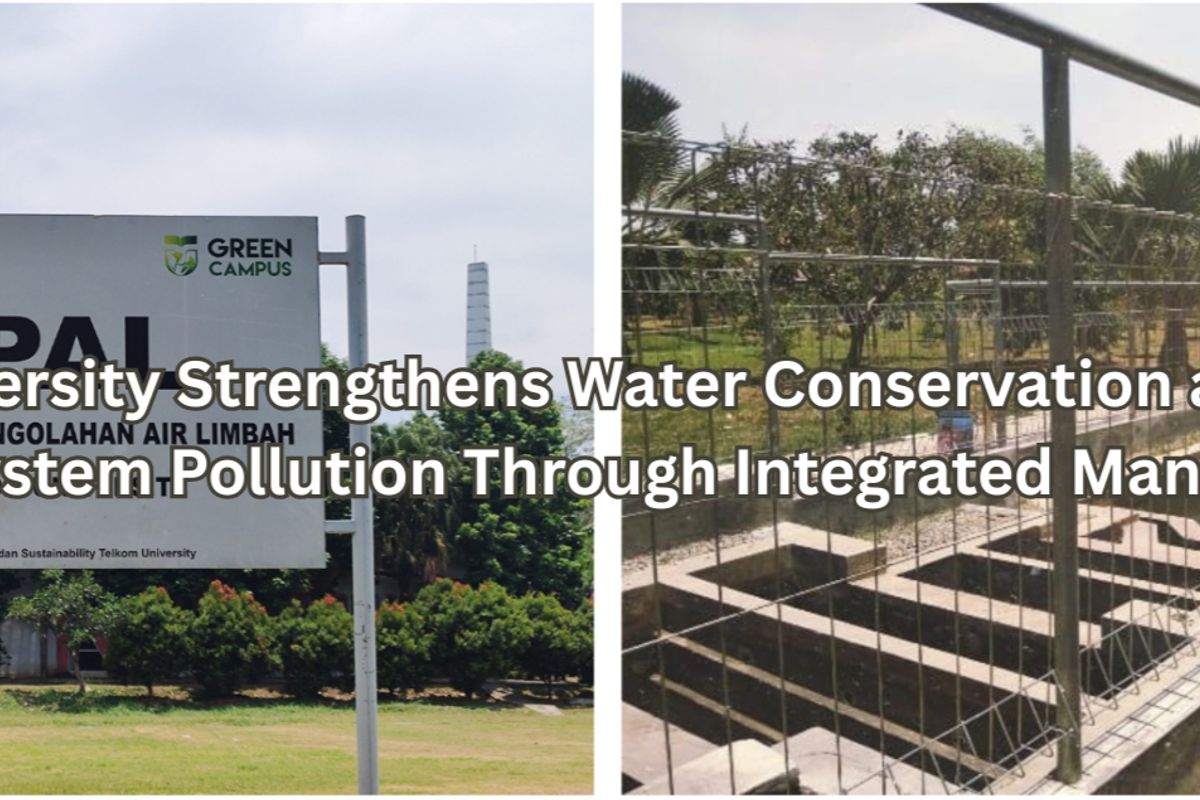
Telkom University prevents water system pollution by filtering river water through its campus IPAL and retention ponds before it reaches Situ Tekno, treating wastewater in 28 STP and IPAL units, and collecting used cooking oil and hazardous laboratory waste separately. Infiltration wells and biopores across 34% of the campus also reduce polluted runoff.