Kumpulan update dan informasi terkini seputar SDGs.
2 SDG dipilih
Telkom University ensures water in community utilises water extraction technologies sustainably. It draws from 11 metered deep wells with a dedicated recharge well, uses treated river-canal water by gravity flow for farming and the Situ Tekno reservoir, harvests rainwater as an alternative source, and recharges groundwater across 34% of the campus.
Telkom University ensures water in community utilises water extraction technologies sustainably, through campus infiltration wells, filtration and IPAL, Citarum River monitoring, and community training.
Telkom University supports clean energy policy through BRIN- and ministry-funded research, solar pilot projects with village governments, and international partnerships with UTP Malaysia and IEEE.
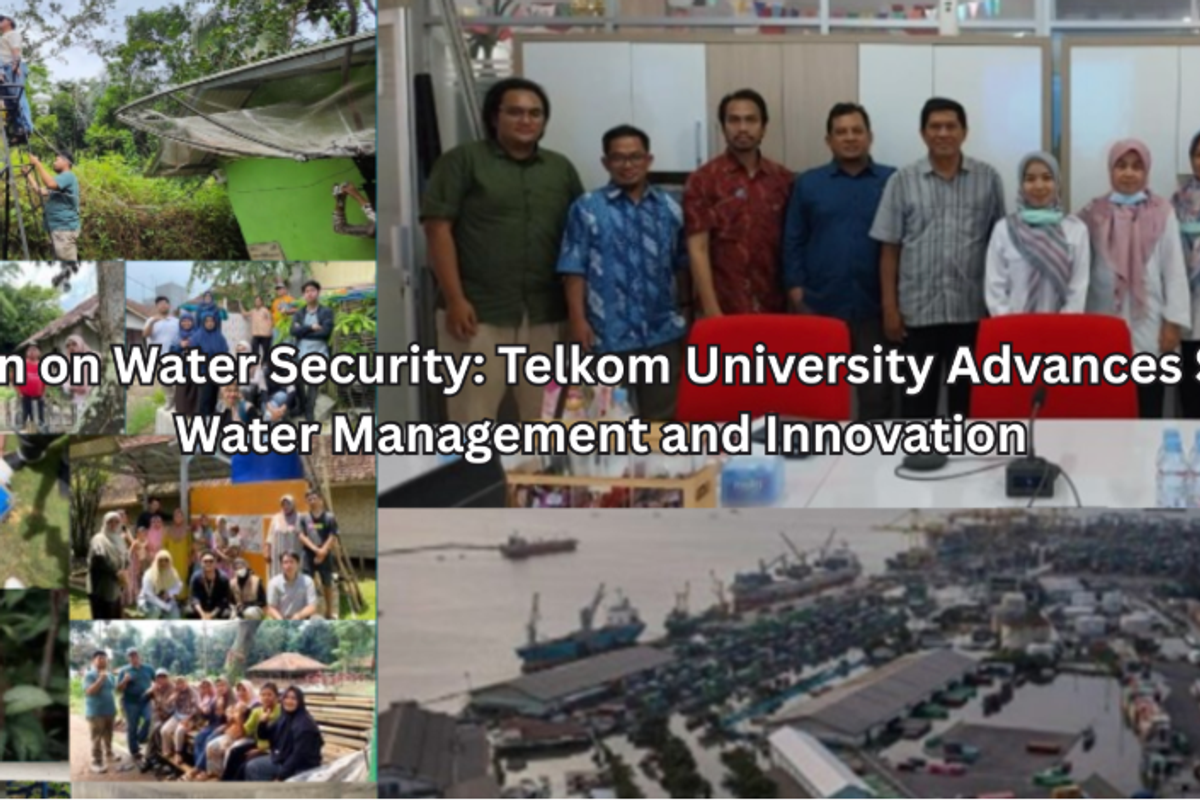
BANDUNG (22/02/25) Through cooperation on water security, Telkom University continues to strengthen its contribution to sustainable water management through technological innovation, campus infrastructure, community empowerment, and international partnerships. Supporting SDG 6: Clean Water and Sanitation and SDG 17: Partnerships for the Goals, these initiatives demonstrate the importance of collaboration in addressing water-related challenges and building a more sustainable future.
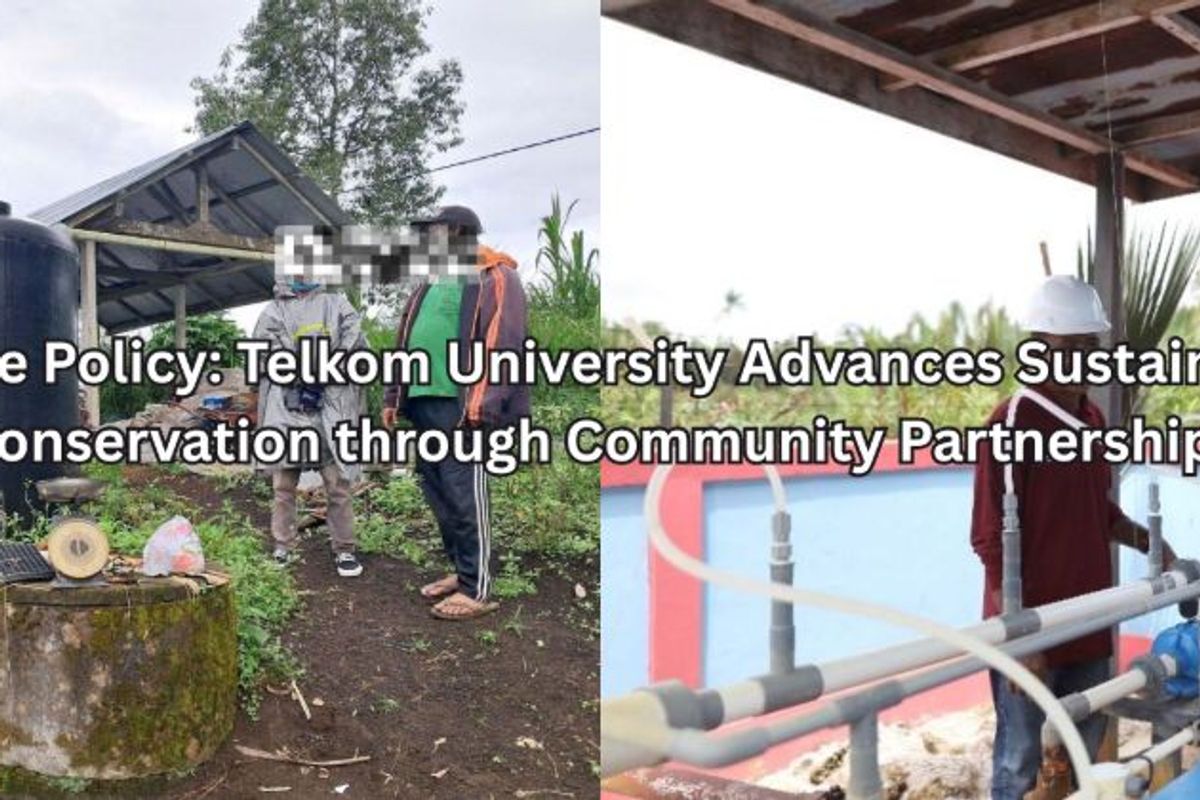
In 2025, Telkom University carried out 26 off-campus water conservation activities with farmers, villages and community groups. It installed IoT, LoRa and solar-powered drip and automatic irrigation, added water filtration and water-quality monitoring for fish farmers, and developed pipe-leak detection and digital water management for villages. It also evaluated community clean water facilities across Java through the Moneva SAB programme with PT Telkom Indonesia.
Aligned with SDG 6, Telkom University protects water resources by turning water hyacinth from the Batujai Dam in Central Lombok into organic fertiliser and by developing an IoT-based real-time water quality monitoring system for water treatment plants.
Aligned with SDG 7, Telkom University expands access to affordable and clean energy through a second-generation biodigester in Boyolali that turns organic waste into household biogas, and a solar-powered digital system at an Islamic boarding school.
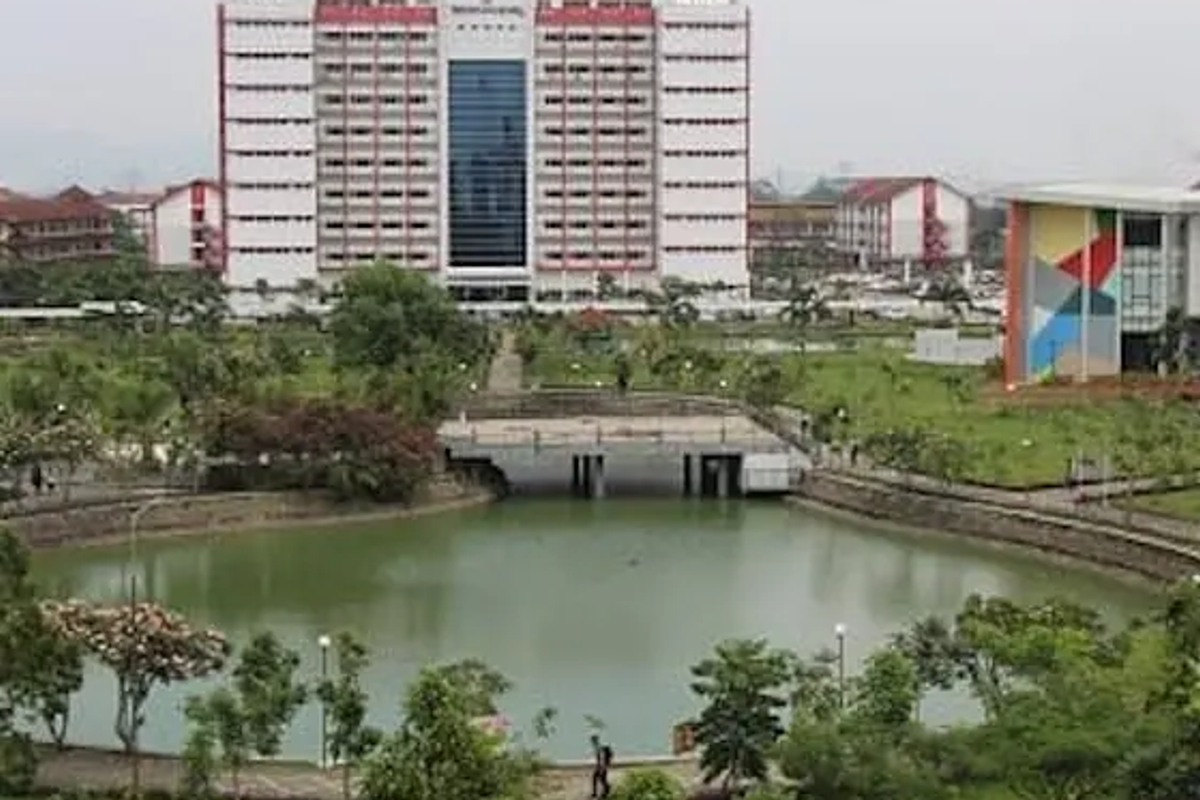
Water that enters Telkom University full of plastic and mud now leaves the campus clean. The university follows a staged plan to stop its 48-hectare campus in Dayeuhkolot, Bandung Regency, from physically, chemically or biologically altering the canal, lake and river that run through and past it. The campus sits on reclaimed rice fields, and a primary irrigation canal from the city of Bandung crosses it. The canal cannot be closed, and it arrives carrying farm and household waste from upstream. Rather than pass that burden downstream, the university treats the water in several stages before releasing it to the Cipurut River.
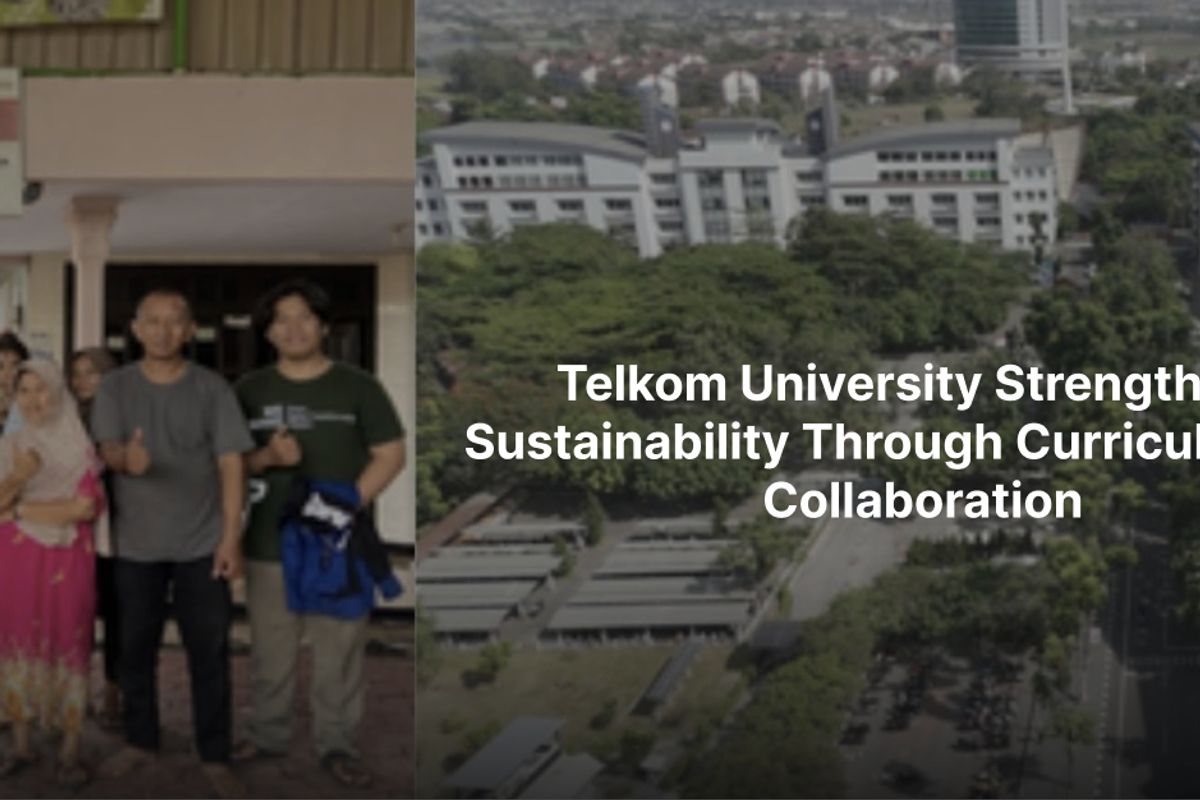
Telkom University integrates sustainability into higher education through specialized courses, interdisciplinary learning, and energy-focused academic programs. By incorporating sustainability principles across its seven faculties and introducing the Bachelor of Energy Systems Engineering program, the university equips students with the knowledge and skills to address environmental and social challenges. Supported by cross-sector collaboration in line with SDG 17 (Partnerships for the Goals), these initiatives connect education with practical solutions for a more sustainable future.
Telkom University monitors water quality across its campus, from canal to lake, and brings IoT water monitoring to communities through SiMonA freshwater aquaponics in Bandung and Crab Houses in Cirebon and Surabaya.
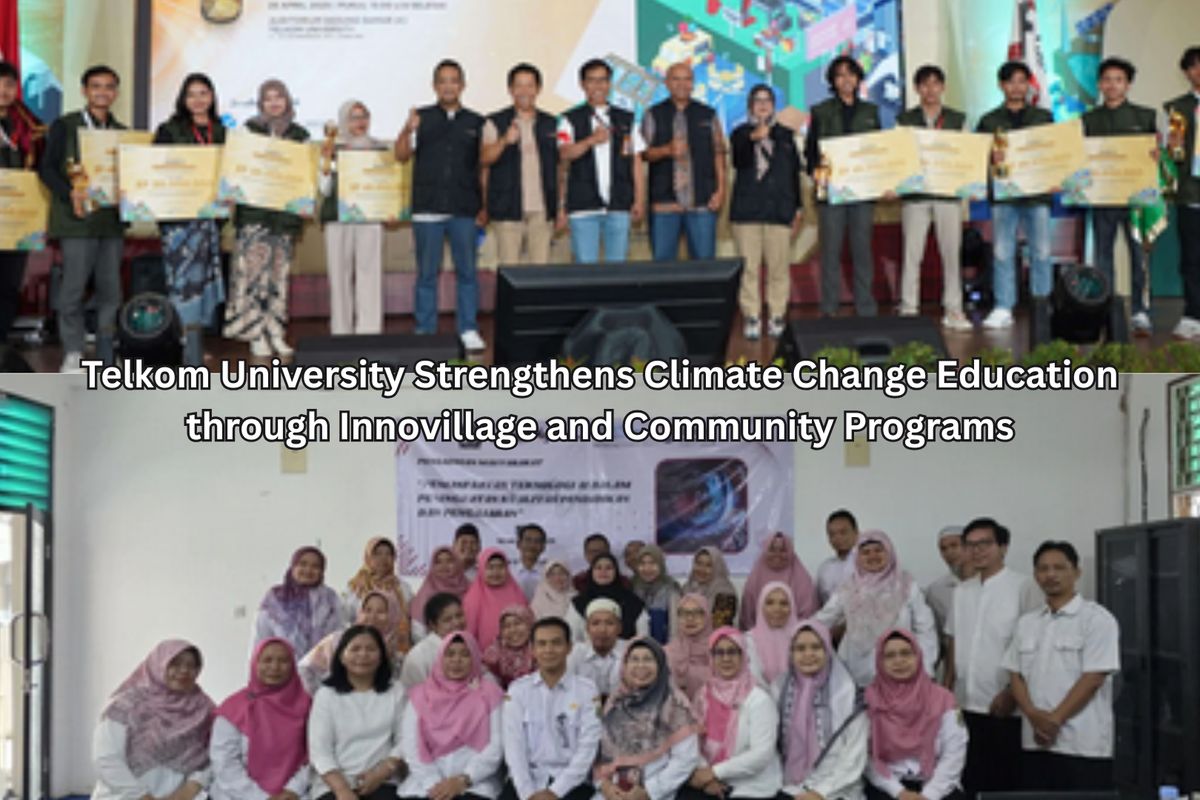
From kindergarten classrooms in Cianjur to a landslide-prone village in Banyumas, Telkom University is helping local communities understand climate change and prepare for it. In 2025, its lecturers and students ran local education programmes and campaigns on disaster risk, early warning, clean energy and waste reduction for children, teachers, village officials and residents. Together, these environmental education measures bring climate knowledge directly to the communities most exposed to its effects.
To ensure accurate and sustainable water resource management, Telkom University implements a comprehensive water measurement system across its campus. Each month, the volume of water extracted from individual artesian wells is recorded through water meters installed at each production site. These measurements are subsequently compiled to monitor overall water consumption throughout the university.