Kumpulan update dan informasi terkini seputar SDGs.
3 SDG dipilih
Aligned with SDG 2, Telkom University strengthens food security through sensor-based urban farming with a women farmers’ group in Bojongsoang, a Digital Twin system that increased rice field productivity by 22.8%, and affordable IoT aeroponics.
Aligned with SDG 3, Telkom University supports health and well-being through knowledge management mentoring at the Yakkum Rehabilitation Center for people with disabilities and EEG-based research to improve brain activity classification.
Aligned with SDG 7, Telkom University expands access to affordable and clean energy through a second-generation biodigester in Boyolali that turns organic waste into household biogas, and a solar-powered digital system at an Islamic boarding school.
Telkom University strengthens mental health support for staff through its Employee Well-Being Program with Naluri: mental health talks, a burnout workshop with a psychiatrist, a DASS-21 assessment and nine batches of free private counselling across four campuses. This is complemented by BPJS Kesehatan coverage paid by the Foundation, giving staff access to psychiatrists and psychologists.
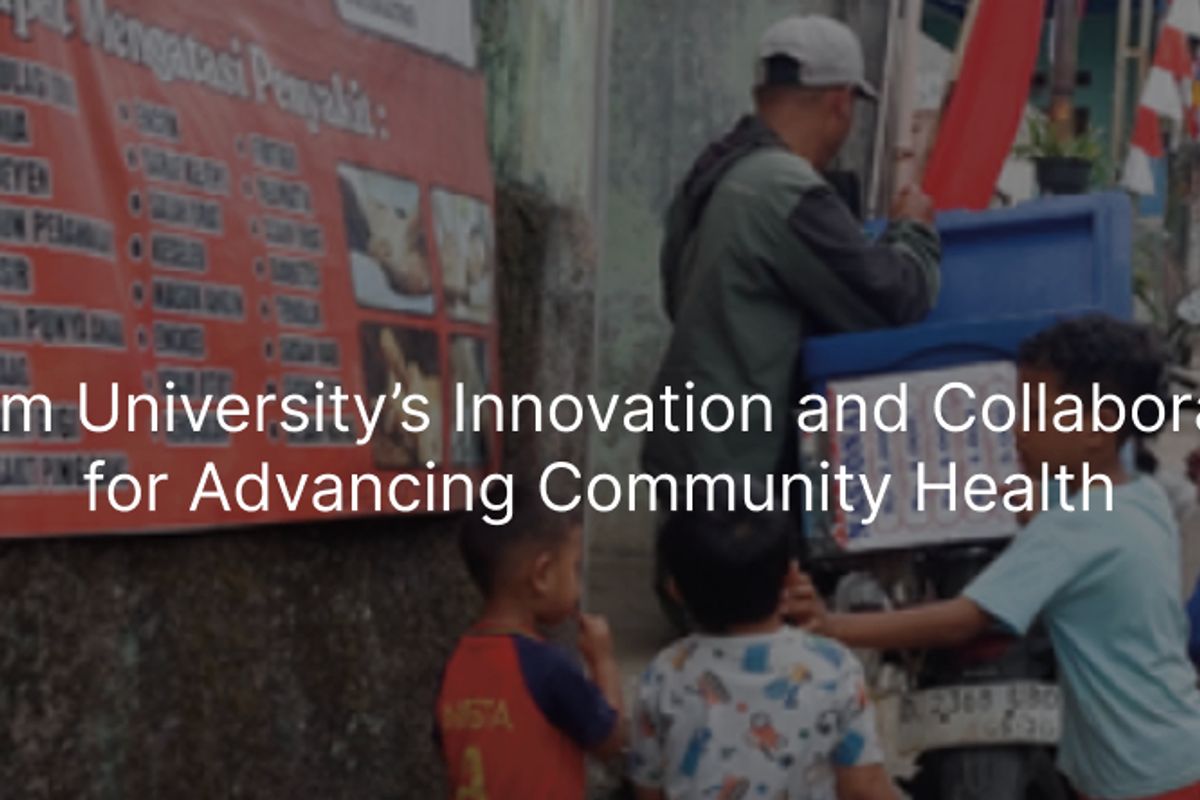
Telkom University’s SDGs Report 2025 highlights its contributions to public health through healthcare research, digital innovation, and community empowerment. From AI-assisted medical diagnostics to a digital stunting-monitoring dashboard that improved intervention processes by up to 30%, these initiatives demonstrate how technology and cross-sector collaboration can support community well-being, contributing to SDG 3 (Good Health and Well-being), SDG 8 (Decent Work and Economic Growth), and SDG 17 (Partnerships for the Goals).
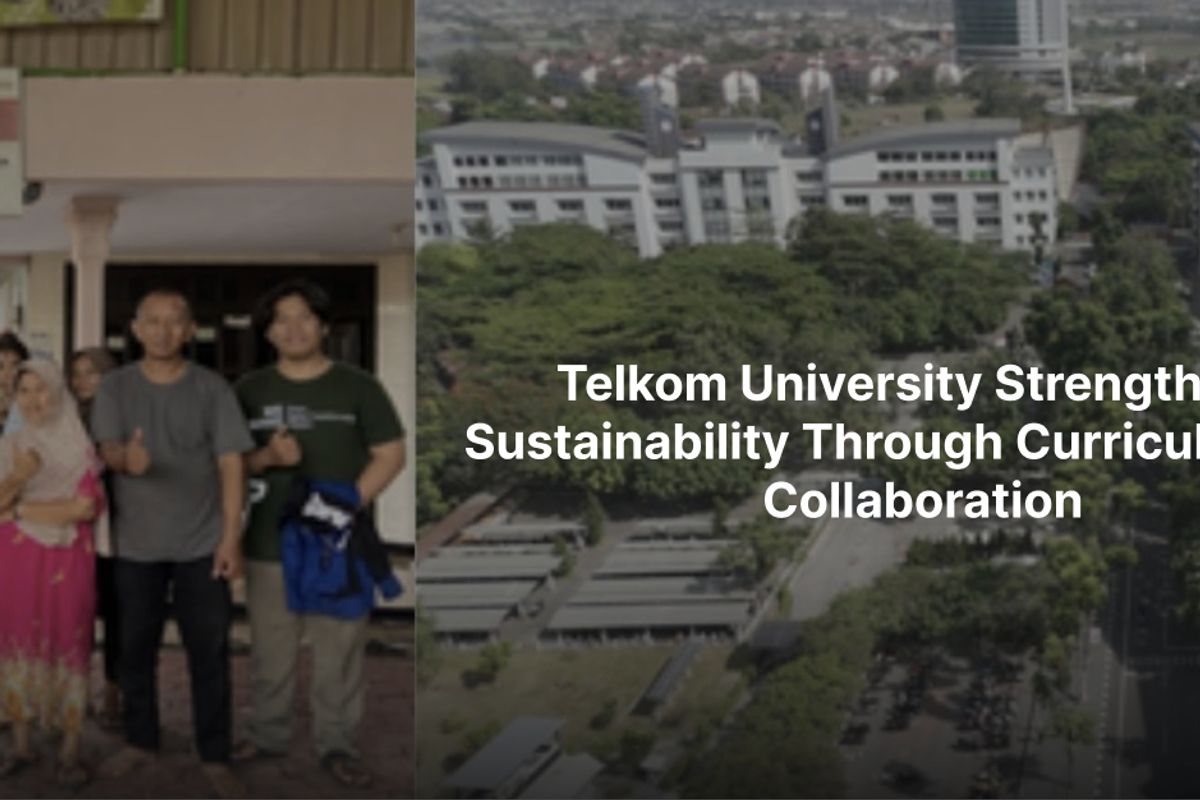
Telkom University integrates sustainability into higher education through specialized courses, interdisciplinary learning, and energy-focused academic programs. By incorporating sustainability principles across its seven faculties and introducing the Bachelor of Energy Systems Engineering program, the university equips students with the knowledge and skills to address environmental and social challenges. Supported by cross-sector collaboration in line with SDG 17 (Partnerships for the Goals), these initiatives connect education with practical solutions for a more sustainable future.
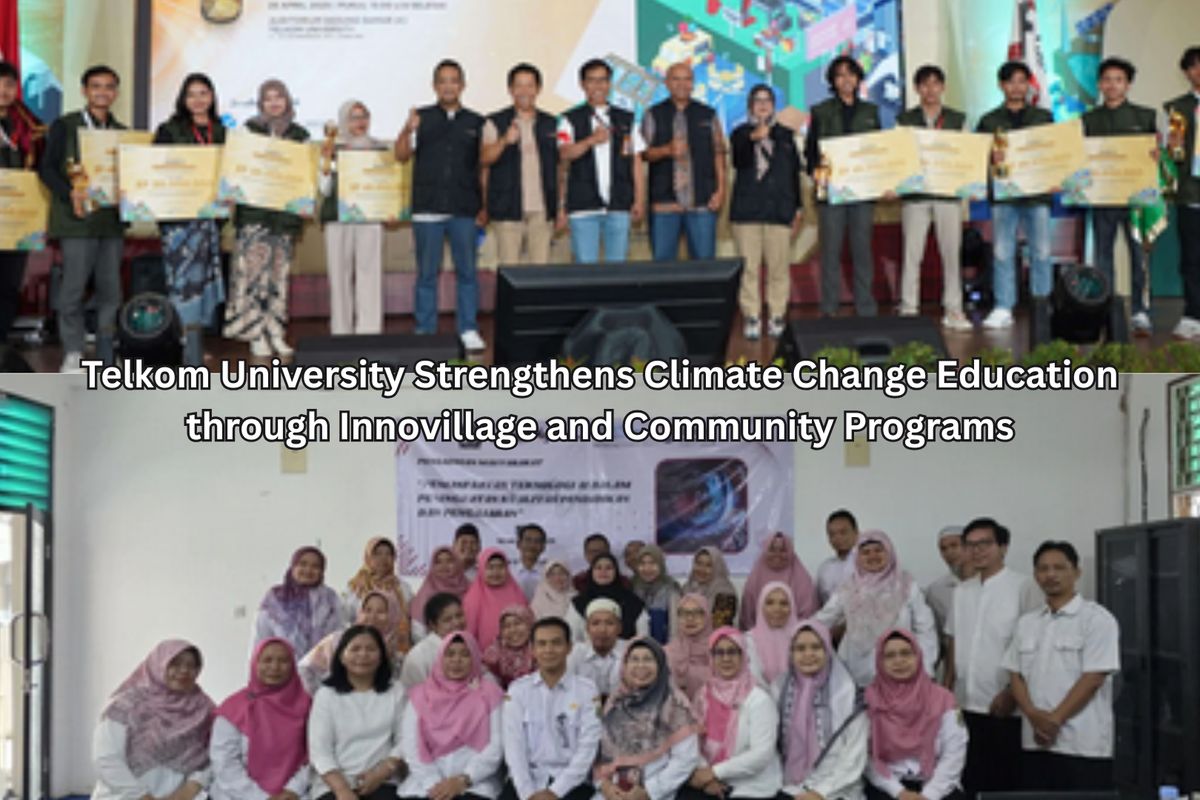
From kindergarten classrooms in Cianjur to a landslide-prone village in Banyumas, Telkom University is helping local communities understand climate change and prepare for it. In 2025, its lecturers and students ran local education programmes and campaigns on disaster risk, early warning, clean energy and waste reduction for children, teachers, village officials and residents. Together, these environmental education measures bring climate knowledge directly to the communities most exposed to its effects.
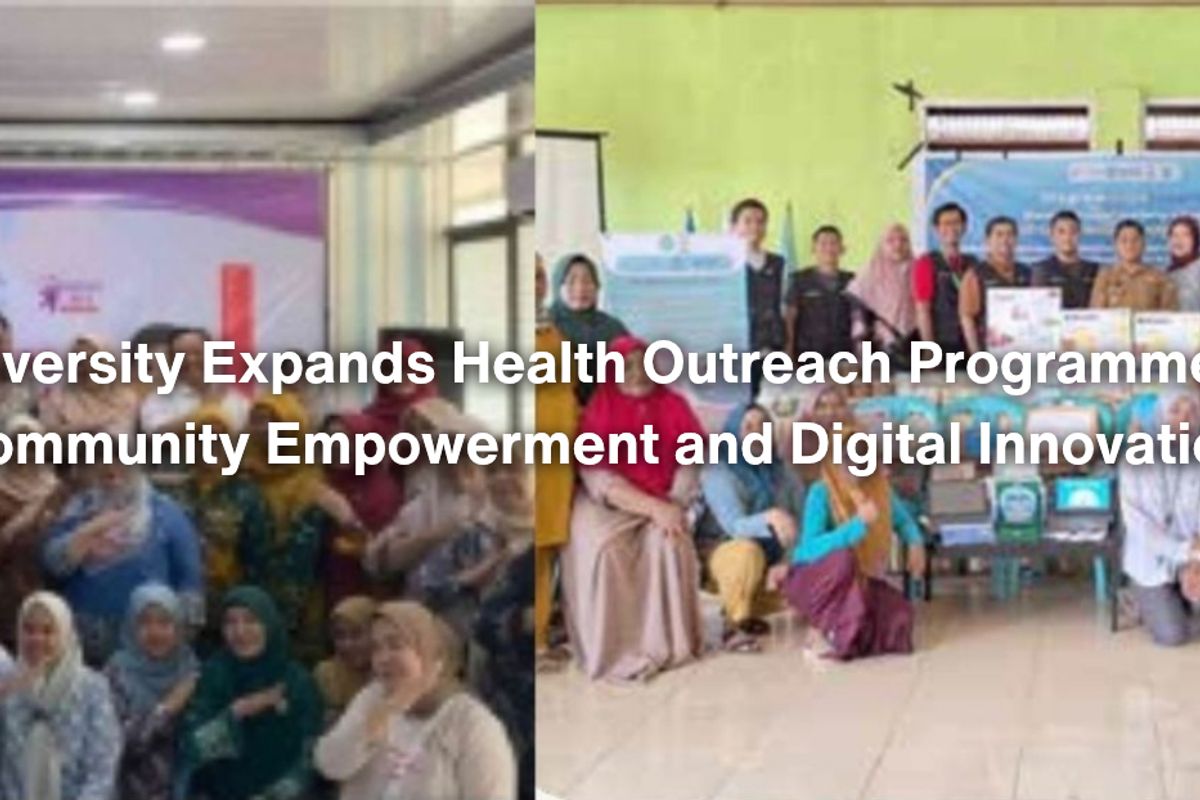
Telkom University expands its health outreach programmes with 50 health-focused community activities in 2025. They range from digital stunting monitoring with Posyandu cadres and hygiene education in schools to exercise videos for older adults, assistive technology for children with disabilities, and physiotherapy robots for stroke survivors, advancing SDG 3: Good Health and Well-being.
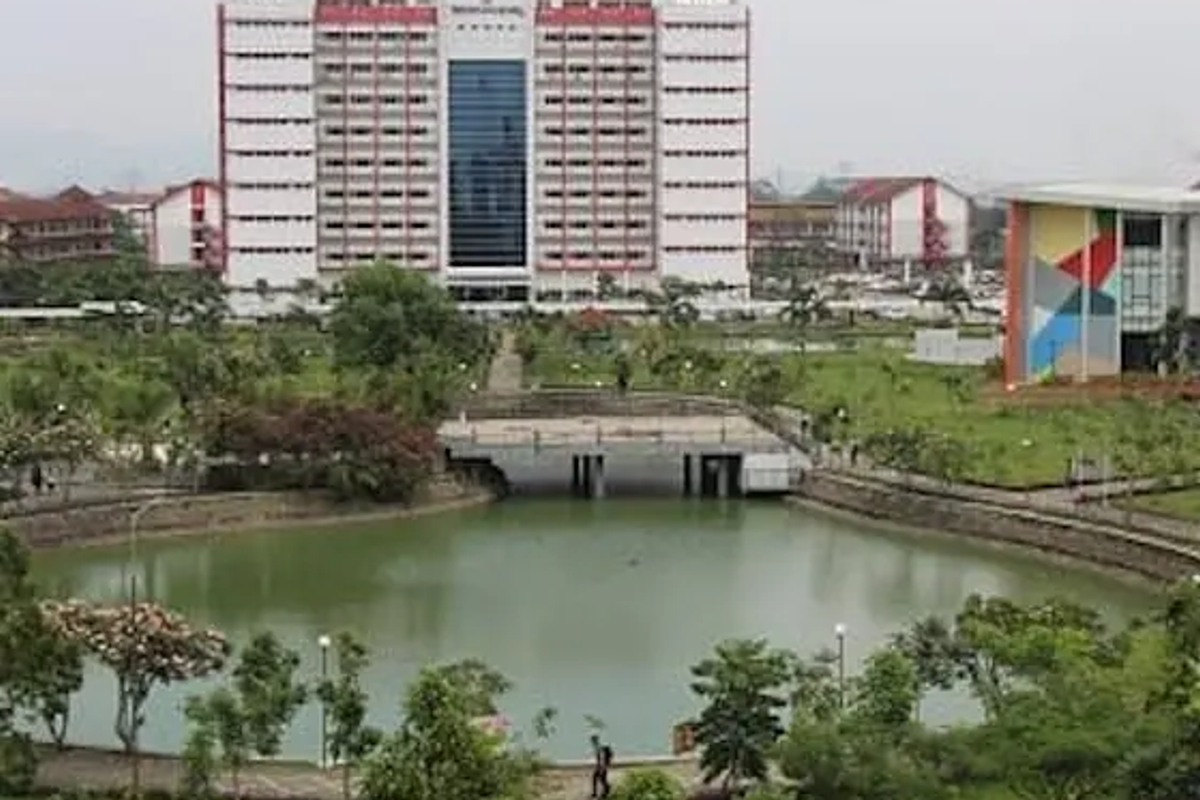
To ensure accurate and sustainable water resource management, Telkom University implements a comprehensive water measurement system across its campus. Each month, the volume of water extracted from individual artesian wells is recorded through water meters installed at each production site. These measurements are subsequently compiled to monitor overall water consumption throughout the university.
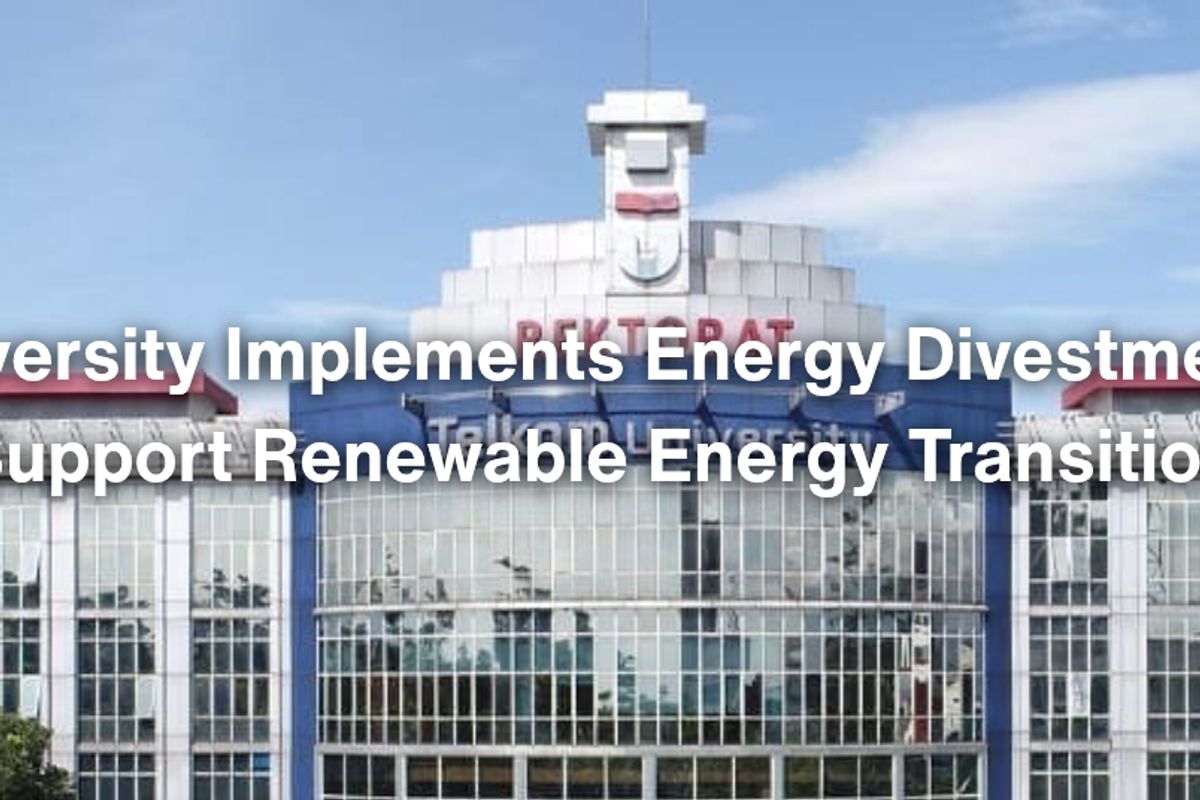
Telkom University advances its energy transition through an Energy Divestment Policy that promotes reduced reliance on fossil fuels and greater investment in renewable energy. Supported by vehicle-free initiatives, the Energy Systems Engineering program, and carbon footprint assessments, these efforts strengthen the university's commitment to clean energy and carbon accountability in line with SDG 7: Affordable and Clean Energy.
Telkom University strengthens its commitment to carbon emission reduction through technological innovation, energy-efficient infrastructure, green mobility, and campus greening initiatives. Supported by automated building systems, vehicle-free policies, electric transportation, and environmental management programs, these efforts promote a lower-carbon campus while contributing to SDG 7: Affordable and Clean Energy, SDG 11: Sustainable Cities and Communities, and SDG 13: Climate Action.
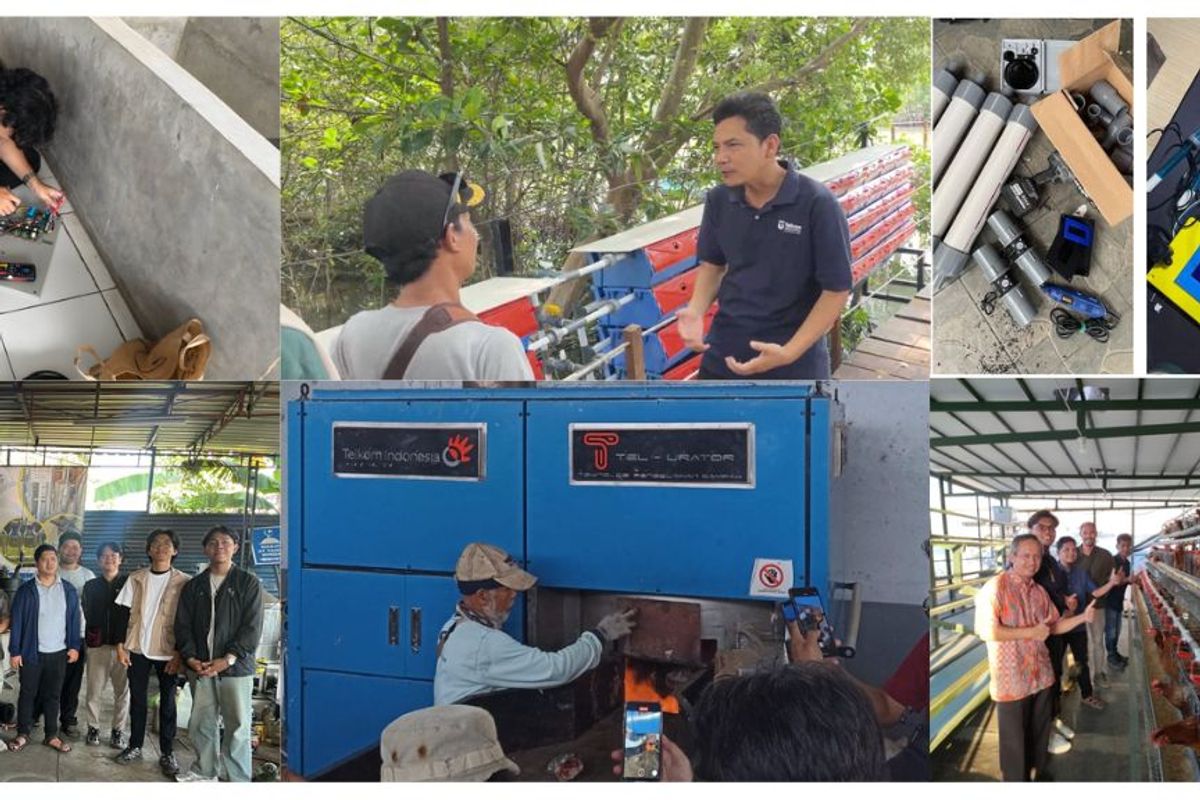
elkom University continues to foster the development of innovative technologies that address environmental challenges while promoting sustainable resource management. Through its integrated research and innovation ecosystem, the university has introduced several pioneering solutions across water management, sustainable agriculture, waste processing, and clean energy.