Kumpulan update dan informasi terkini seputar SDGs.
3 SDG dipilih
Telkom University manages its carbon footprint through a clear cycle: measure, act and check again. The university counts the emissions produced by its electricity use, transport, fuel and waste, uses those numbers to set reduction targets and policies, and then puts them into practice through energy efficiency, renewable energy, greening and low-emission transport. This process is part of its Green Campus programme and its commitment to climate action.
Telkom University is steadily upgrading its existing buildings to use energy more efficiently. Guided by its Digital Green Campus Masterplan, the university is fitting older buildings with smart features for lighting, automation, energy and indoor comfort. Its latest data show that 46 campus buildings, covering 289,831 square metres, have been assessed against smart building criteria, and buildings that meet the standard now make up about 89% of the total building area.
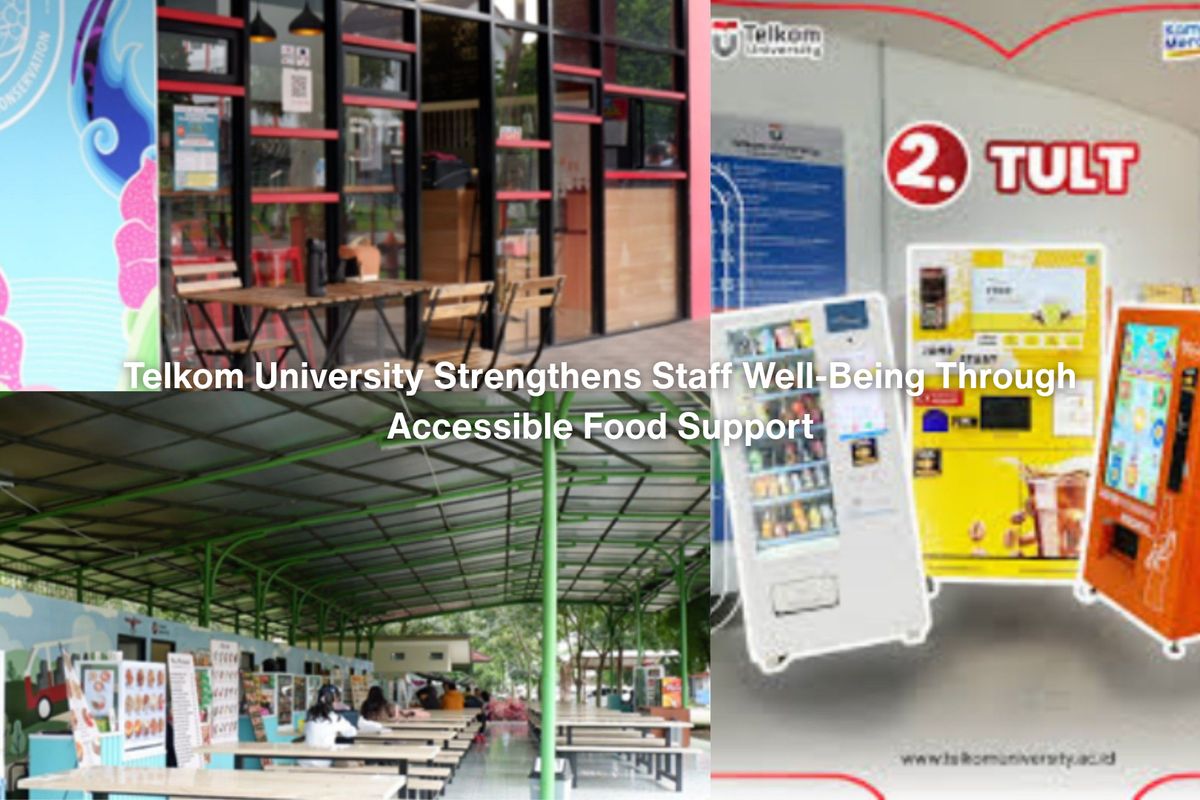
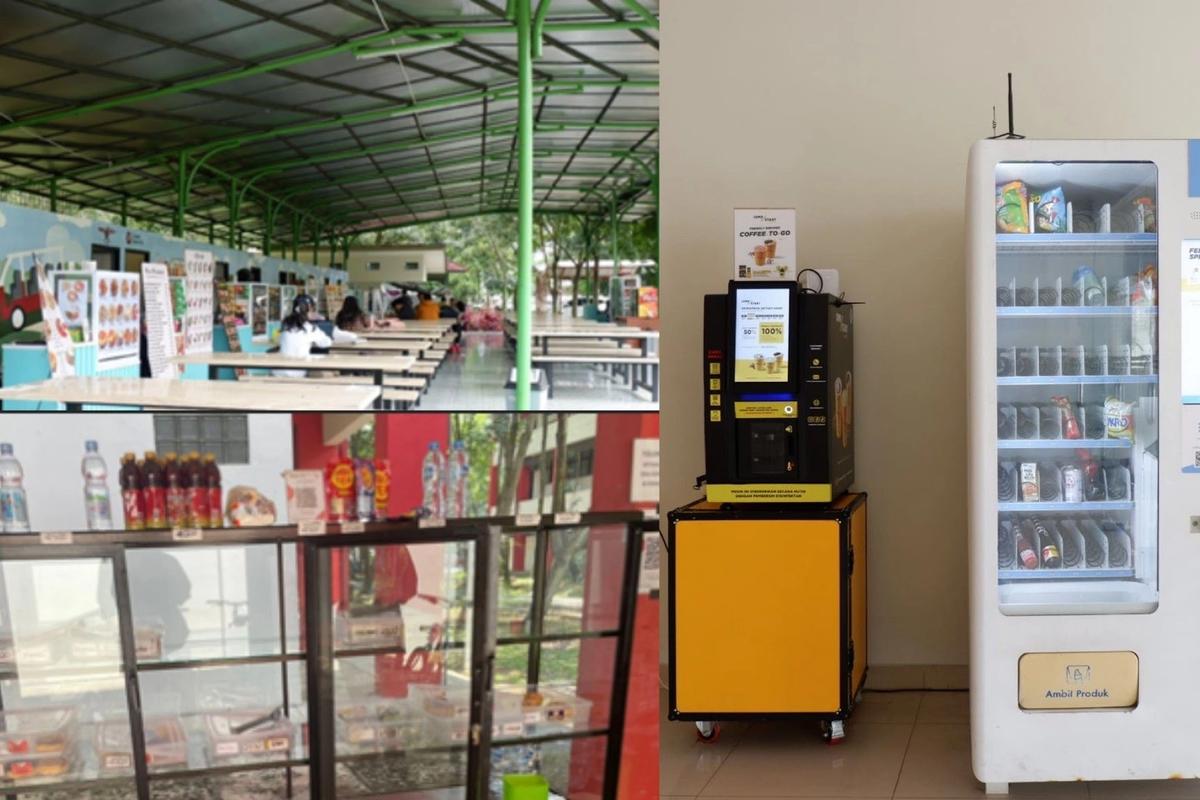
Telkom University supports employee welfare and food security through various workplace initiatives, including food tenants, office pantries, food banks, vending machines, meeting refreshments, and monthly meal allowances. These efforts aim to ensure convenient access to food while promoting a healthy and supportive working environment in line with SDG 2: Zero Hunger and SDG 3: Good Health and Well-Being.
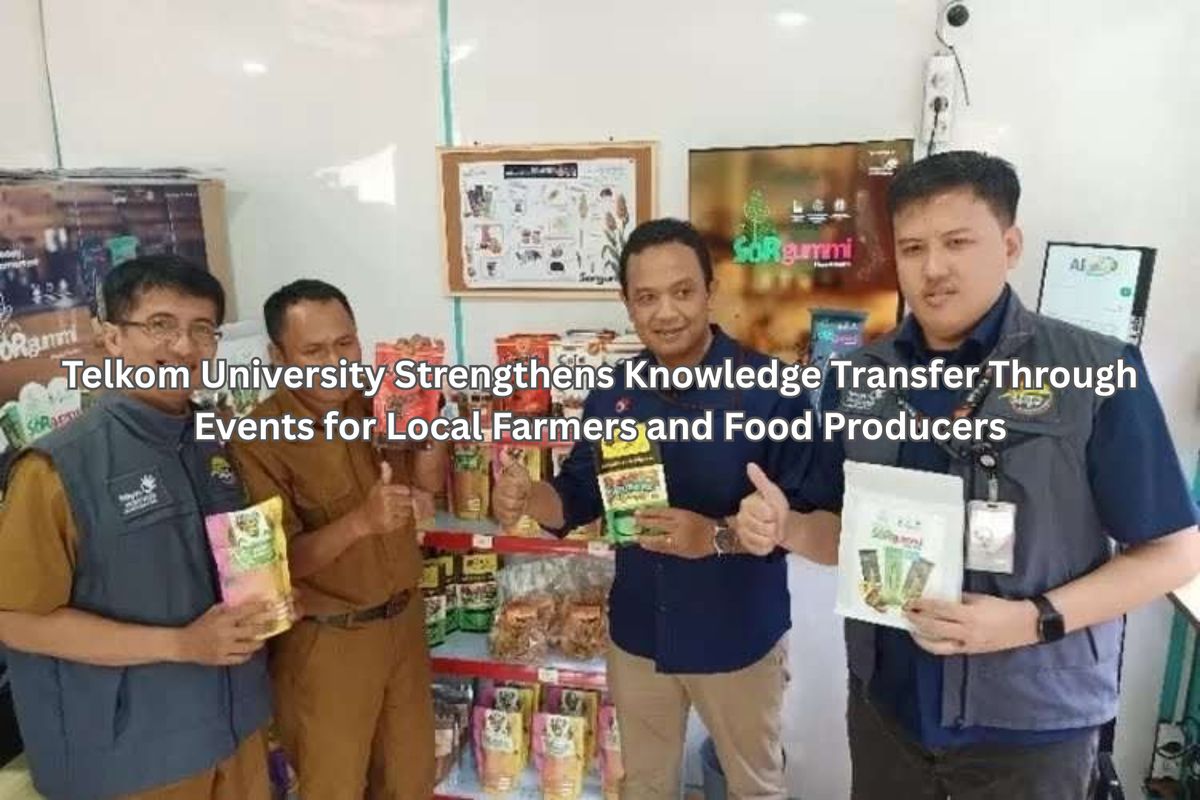
In 2025, Telkom University held at least 24 events for local farmers and food producers across West, Central and East Java, reaching farmer groups, fish farmers, livestock farmers and small food businesses. The events ran from pest and disease education at the Selaawi Agricultural Extension Centre and LoRa-based irrigation training to aquaculture business management, processing of fish, milk and coconut sugar, and halal certification support. They gave local producers practical skills and a place to connect with university experts and with one another, supporting SDG 2, SDG 12 and SDG 14.
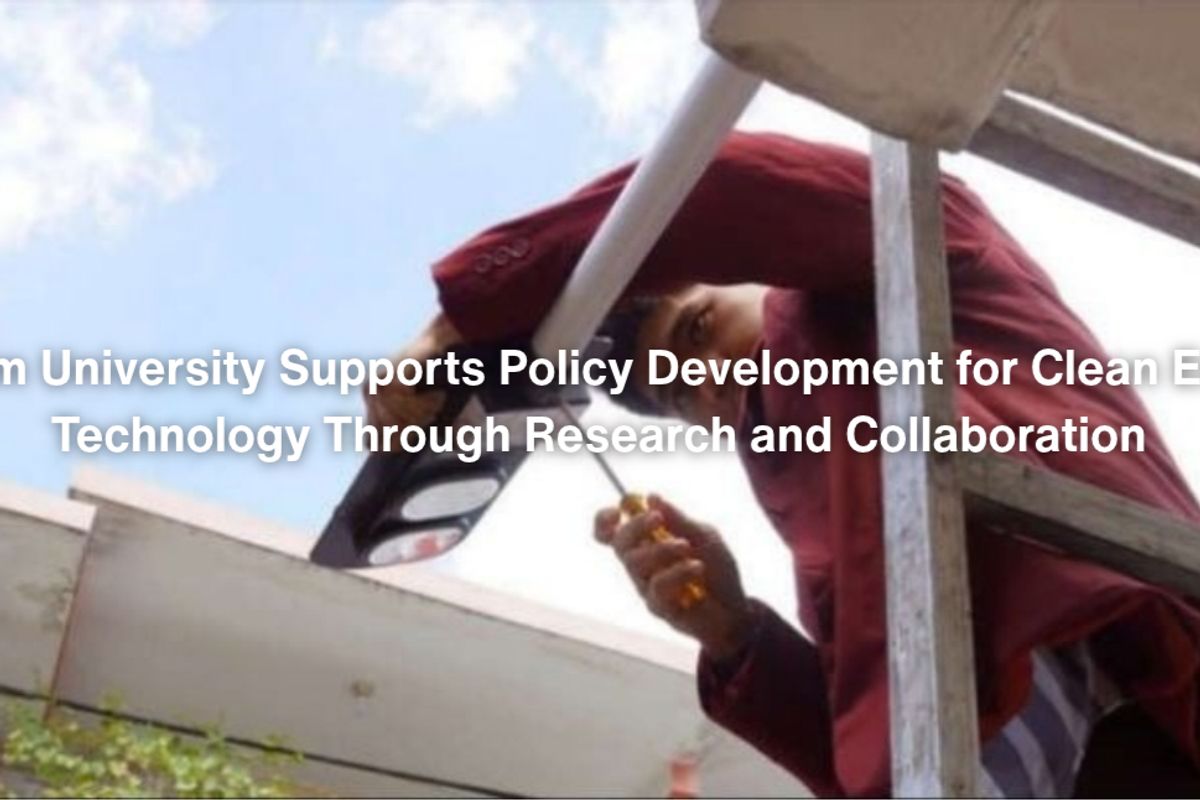
Throughout 2025, Telkom University strengthened its policy development for clean energy technology, supporting decision-makers from villages to the international stage. The university served on West Java’s RAD-SDGs 2025–2030 expert team, carried out energy research funded by BRIN and the Ministry of Higher Education, Science and Technology, and built community biodigesters in Boyolali. It is also developing a biogas and hydrogen safety SOP with Universiti Malaysia Pahang Al-Sultan Abdullah.
Through its sustainable practices remote working policy, Telkom University applies a hybrid model of four office days and one remote day across all four campuses. It also allows work from anywhere around the Nyepi and Eid al-Fitr holidays, reducing commuting and energy use.
Under Rector's Decree KR.331/ORG01/SPS-P3I/2024, new buildings at Telkom University must follow energy-saving and sustainable building standards, and the latest assessment shows that buildings meeting smart building criteria cover 89.22% of the university's total building area.
In 2025, Telkom University ran 43 energy and community programmes to learn clean energy. Activities ranged from household energy-efficiency education and solar panel installation in schools and pesantren to electric bicycle conversion training, solar-powered farming tools and a biogas digester for farmers, helping communities save energy and adopt renewable sources.
Telkom University strengthens campus food security and student welfare through various initiatives, including free meal programs, affordable dining facilities, nutrition education, and local food innovation. These efforts promote access to safe and nutritious food while supporting SDG 2: Zero Hunger and SDG 3: Good Health and Well-Being.
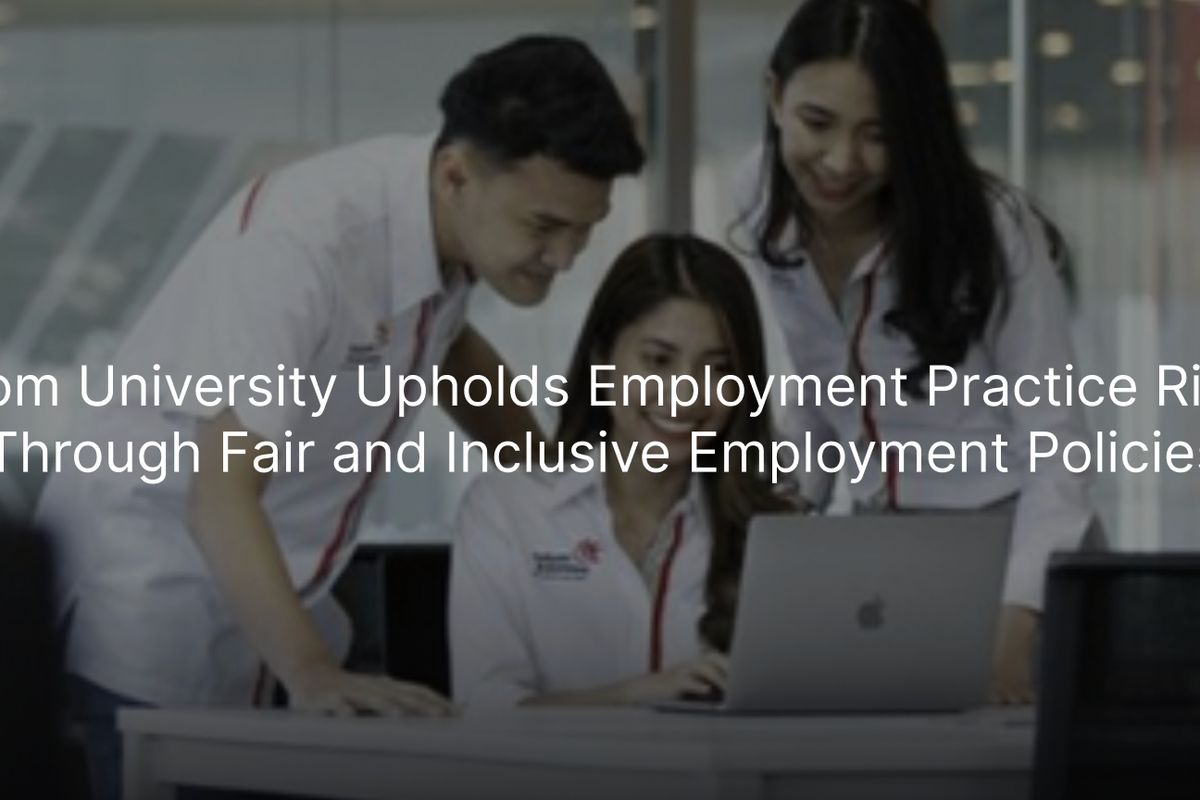
Telkom University upholds employment practice rights by recognising freedom of association and collective bargaining for all lecturers and staff, as set out in its Sustainable Development Strategic Program decree. Employees are represented by AKAR YPT, a union registered with the Bandung City Manpower Office, and women and international staff work under equal, transparent contracts.
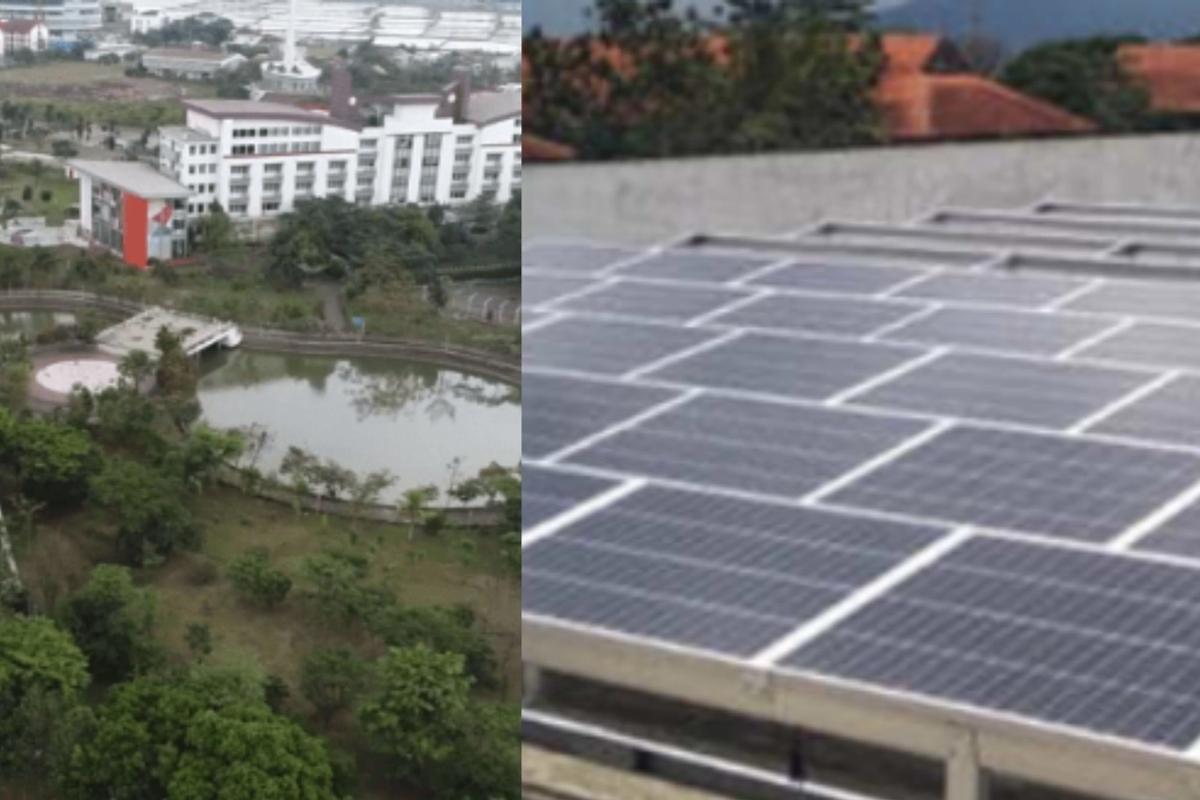
Telkom University advances its Energy Efficiency Plan through renewable energy development, smart energy management, and campus greening initiatives. With solar power installations, wind and biogas projects, IoT-based monitoring systems, and the preservation of nine campus forests, the university promotes efficient energy use and carbon reduction in support of SDG 7: Affordable and Clean Energy, SDG 11: Sustainable Cities and Communities, and SDG 13: Climate Action.
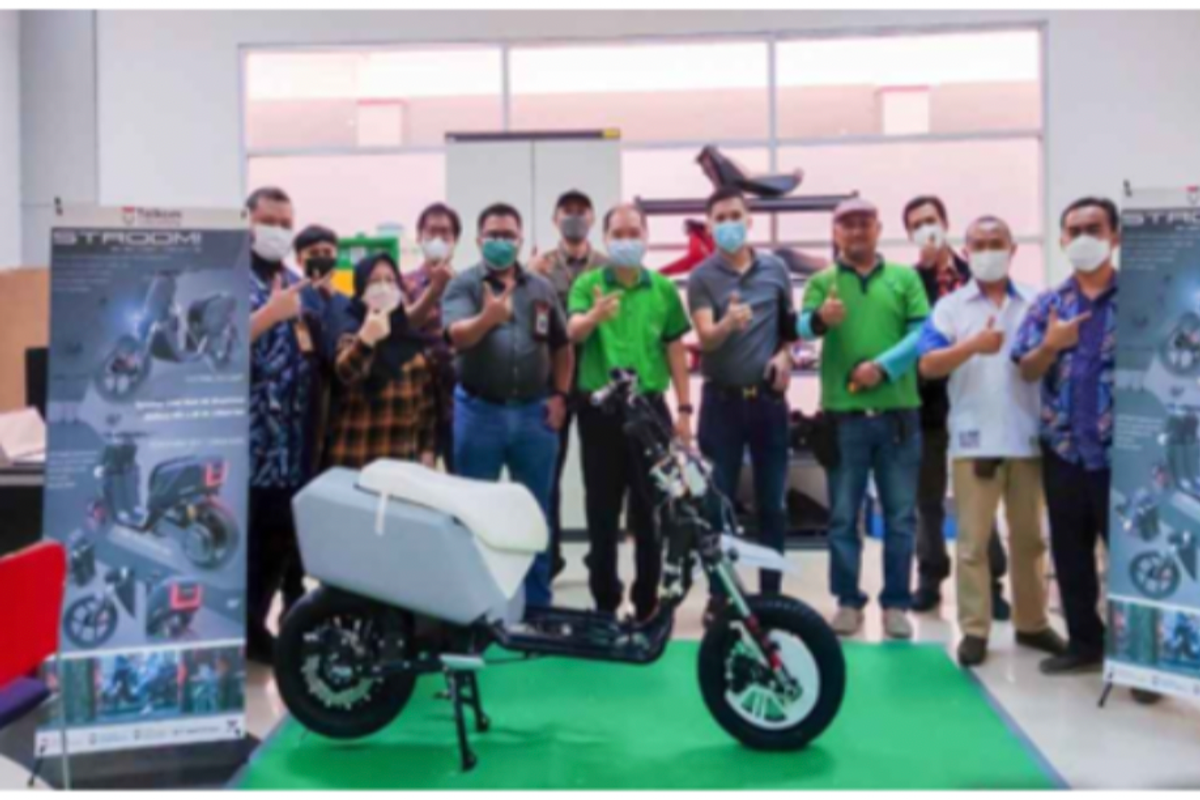
Telkom University supports the development of clean and affordable energy (SDG 7) through innovative technologies and sustainable campus initiatives. The university implements renewable energy solutions such as solar panels and electric vehicles while empowering communities through waste-to-energy projects. Dr. Muhammad Ary Murti from the Faculty of Electrical Engineering developed the Intelligent Energy Management System (IEMS), an IoT-based tool for real-time energy monitoring and audits. In collaboration with Volta, Tel-U also established an Electric Vehicle Research Lab and successfully converted conventional motorcycles into electric ones. In 2023, the university further advanced this mission through 31 research publications on renewable energy and sustainable technology.