Kumpulan update dan informasi terkini seputar SDGs.
3 SDG dipilih
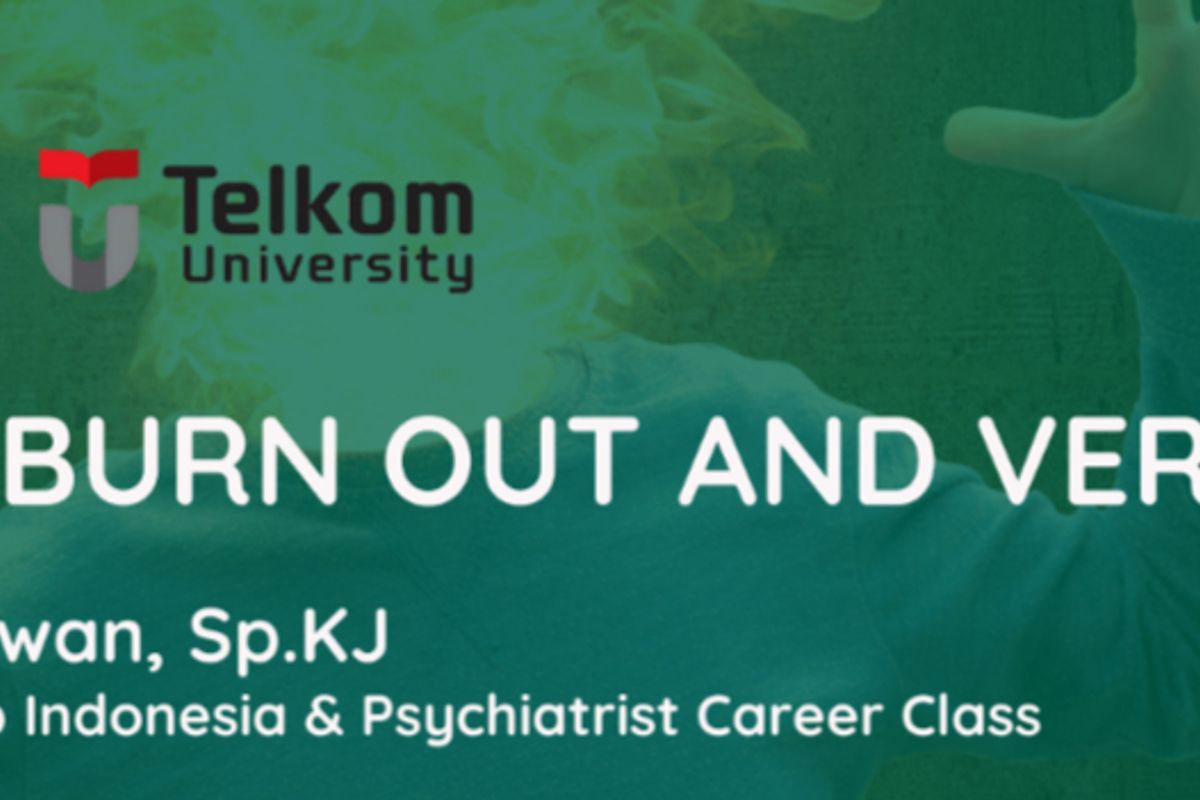
Telkom University strengthens mental health support for staff through its Employee Well-Being Program with Naluri: mental health talks, a burnout workshop with a psychiatrist, a DASS-21 assessment and nine batches of free private counselling across four campuses. This is complemented by BPJS Kesehatan coverage paid by the Foundation, giving staff access to psychiatrists and psychologists.
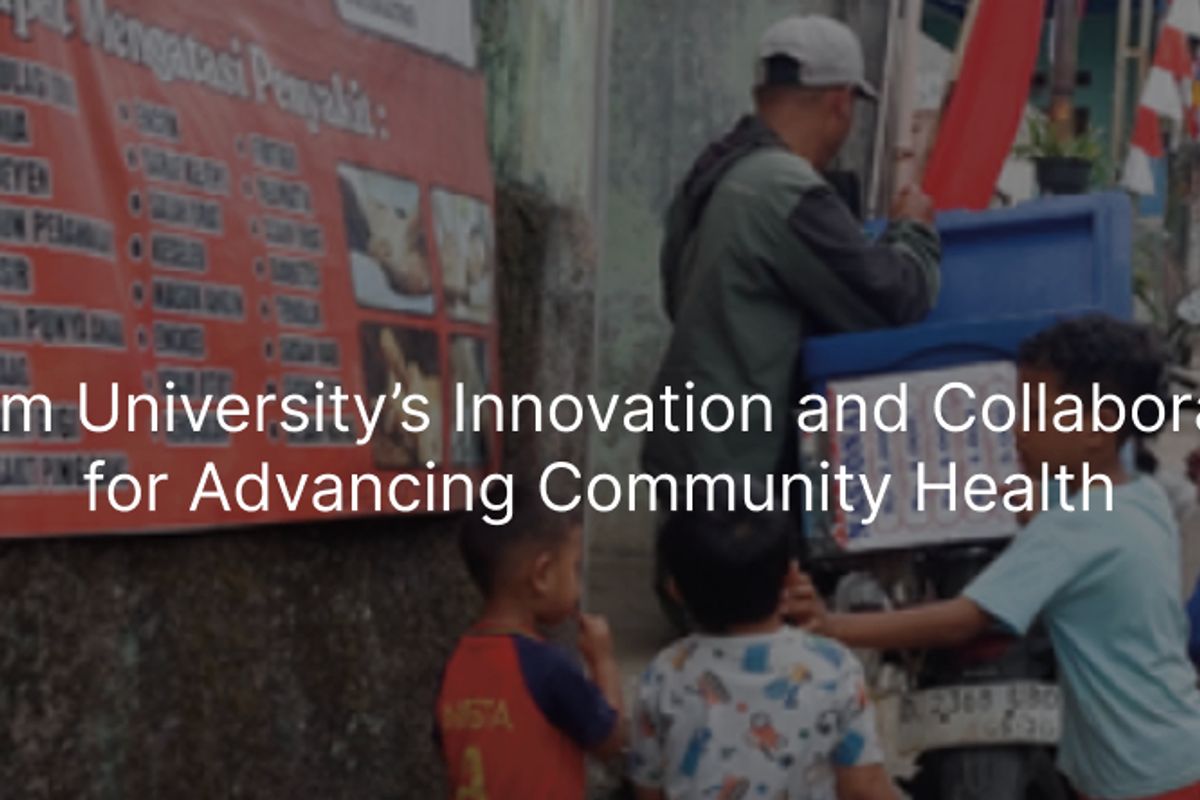
Telkom University’s SDGs Report 2025 highlights its contributions to public health through healthcare research, digital innovation, and community empowerment. From AI-assisted medical diagnostics to a digital stunting-monitoring dashboard that improved intervention processes by up to 30%, these initiatives demonstrate how technology and cross-sector collaboration can support community well-being, contributing to SDG 3 (Good Health and Well-being), SDG 8 (Decent Work and Economic Growth), and SDG 17 (Partnerships for the Goals).
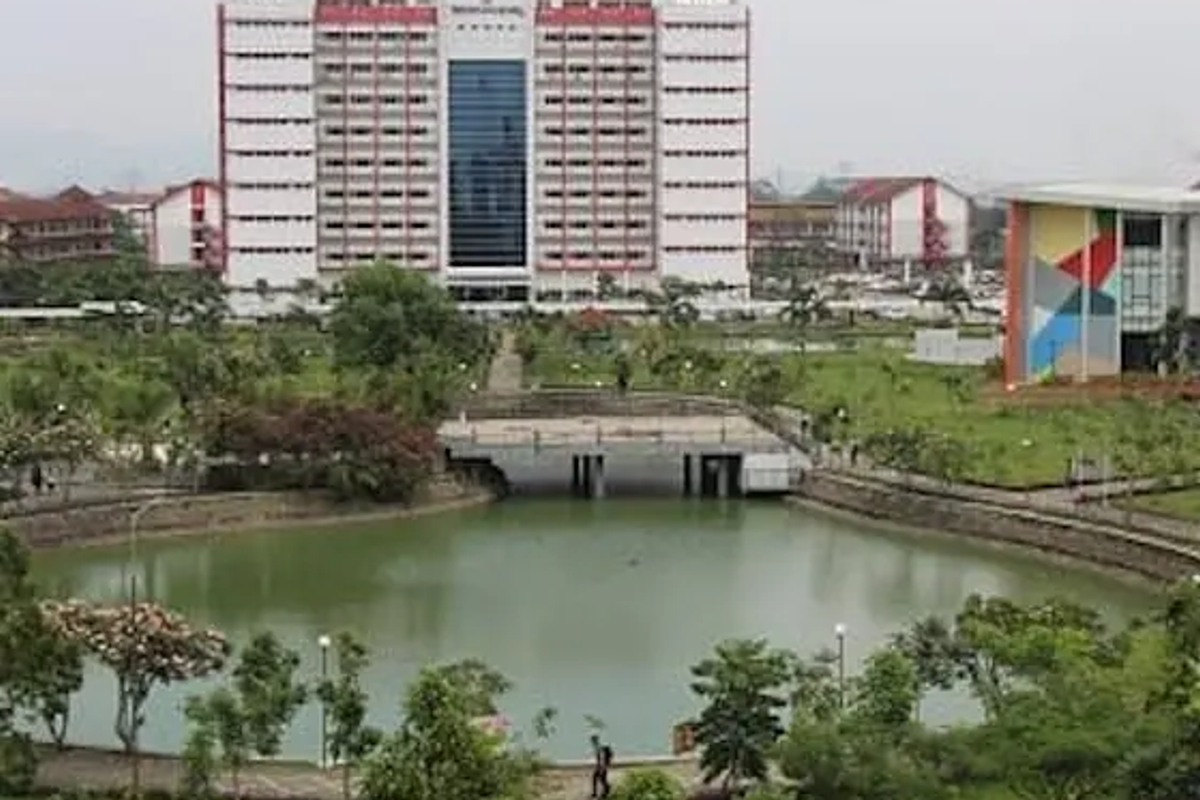
Telkom University monitors water quality across its campus, from canal to lake, and brings IoT water monitoring to communities through SiMonA freshwater aquaponics in Bandung and Crab Houses in Cirebon and Surabaya.
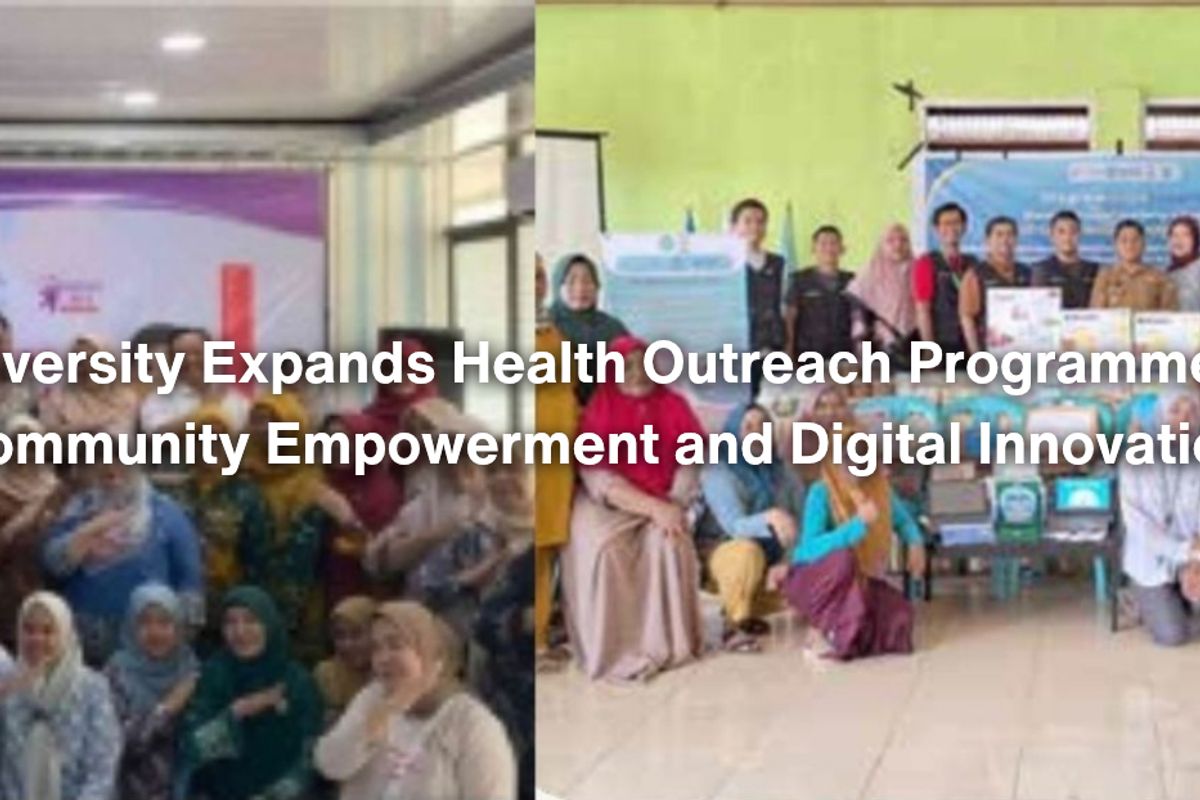
Telkom University expands its health outreach programmes with 50 health-focused community activities in 2025. They range from digital stunting monitoring with Posyandu cadres and hygiene education in schools to exercise videos for older adults, assistive technology for children with disabilities, and physiotherapy robots for stroke survivors, advancing SDG 3: Good Health and Well-being.
To ensure accurate and sustainable water resource management, Telkom University implements a comprehensive water measurement system across its campus. Each month, the volume of water extracted from individual artesian wells is recorded through water meters installed at each production site. These measurements are subsequently compiled to monitor overall water consumption throughout the university.
Rivers, canals and coastlines do not stop at a university's boundary, and neither does Telkom University's work to protect them. In 2024 and 2025, its lecturers and students worked side by side with riverbank residents, village governments, fishing communities and turtle conservation groups to look after the waters they share. The collaborations range from the Cikapundung River watershed, which feeds the irrigation canal running through the campus, to neighbouring villages in Dayeuhkolot and Bojongsoang and coastal communities in East Java, Yogyakarta and Lampung. They are funded through the university's community service grants, the Ministry of Education, Culture, Research and Technology, and Telkom Indonesia's Innovillage and CSR programmes.
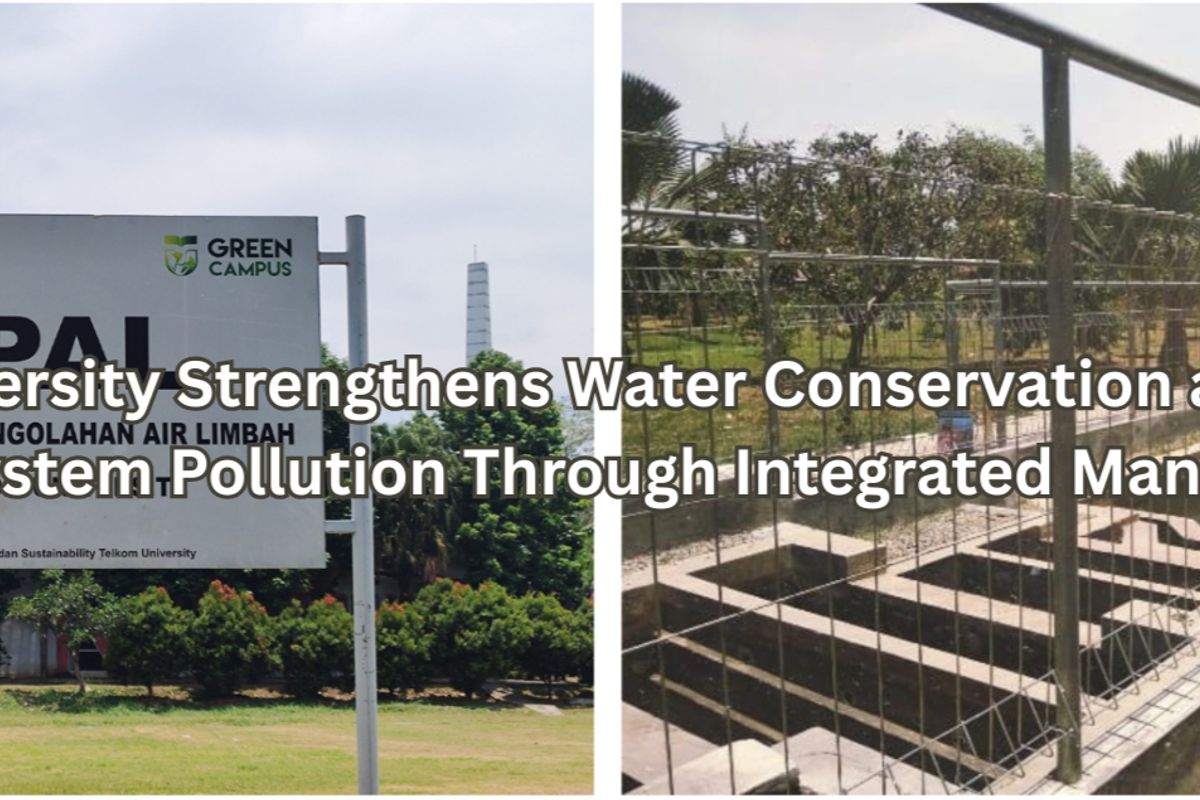
Telkom University prevents water system pollution by filtering river water through its campus IPAL and retention ponds before it reaches Situ Tekno, treating wastewater in 28 STP and IPAL units, and collecting used cooking oil and hazardous laboratory waste separately. Infiltration wells and biopores across 34% of the campus also reduce polluted runoff.
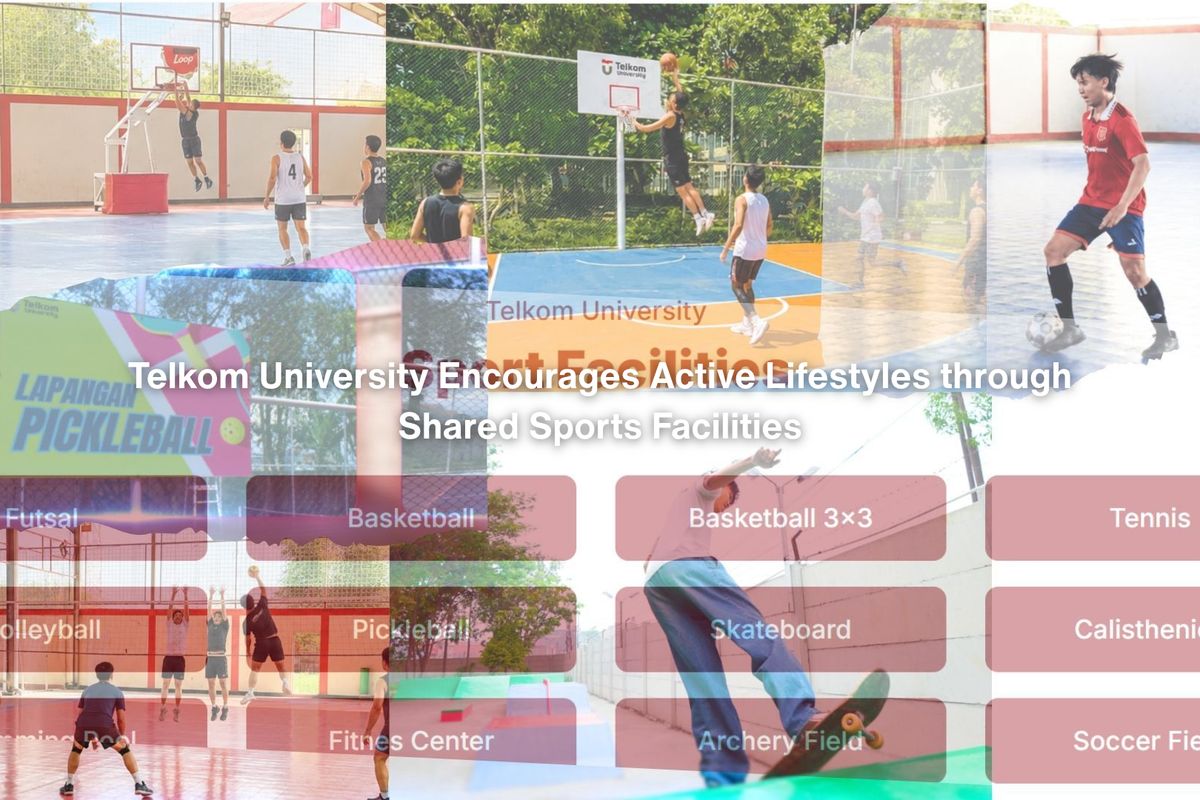
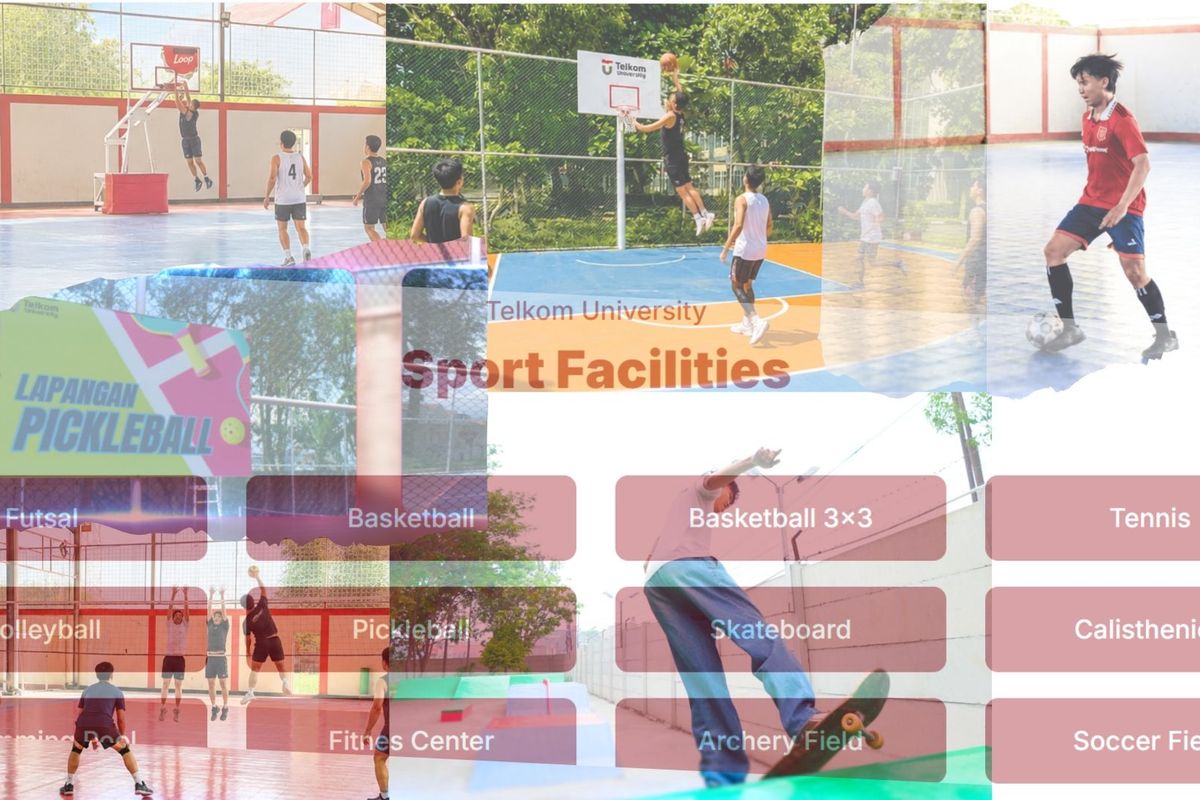
Telkom University promotes healthy and active lifestyles by providing diverse sports facilities for students, staff, and the surrounding community. Through the expansion of sports infrastructure in 2025 and shared-access initiatives with local schools, the university encourages physical activity, community engagement, and well-being in support of SDG 3: Good Health and Well-Being.
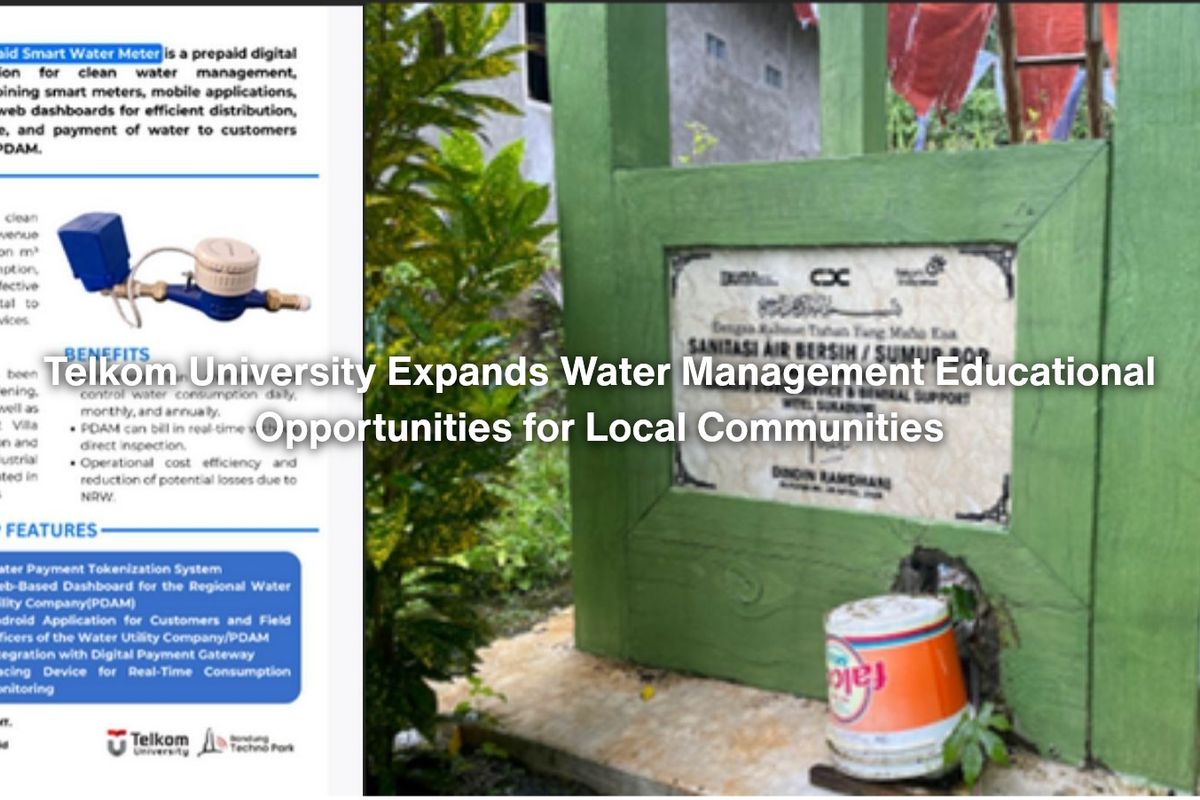
In 2025, Telkom University delivered 27 free water management educational activities for local communities. Villages learned to use automated flood pumps, water-level monitoring and early warning systems such as CITRA BANJIR and NotiFlood. Farmers adopted IoT and LoRa-based drip irrigation and solar-powered pumps, while fish farmers, BUMDes and community groups were trained in water filtration, water-quality monitoring and pipe-leak detection, and high school students learned to measure water levels with IoT sensors. The university also evaluated clean water facilities and provided sanitation education in communities across Java through the Moneva SAB programme with PT Telkom Indonesia.
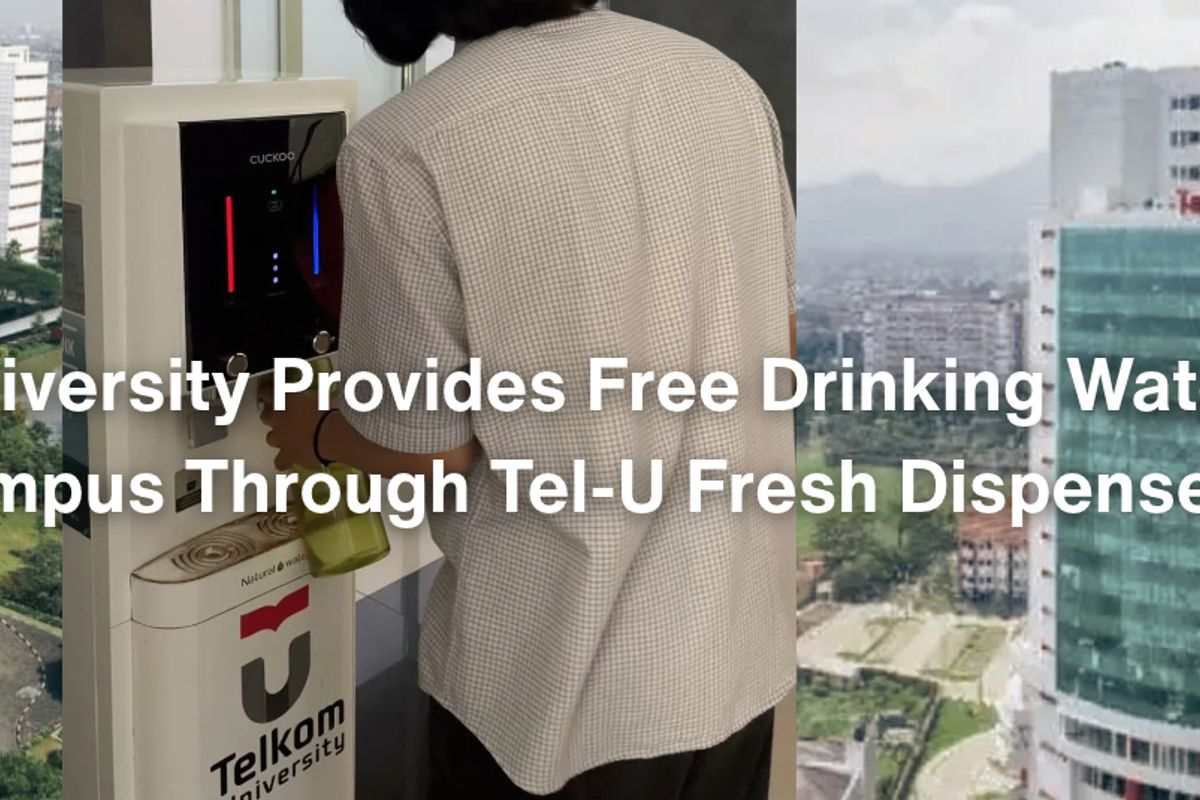
Telkom University provides free access to safe drinking water through more than 20 Tel-U Fresh dispensers across campus. Supported by a four-stage water filtration system, this initiative promotes healthy hydration, reduces single-use plastic waste, and encourages sustainable consumption in line with SDG 6: Clean Water and Sanitation and SDG 12: Responsible Consumption and Production.
The Student Center Building features a multipurpose indoor sports court designed to accommodate various activities, including basketball, volleyball, and badminton. Beyond recreational use, this facility serves as a venue for friendly competitions and inter-faculty tournaments, fostering teamwork, sportsmanship, and stronger connections among students.
Telkom University prioritises local and sustainable food sources. On 23 June 2025, it signed Kampung Sorgum website licence agreements with Sorgumology StartUp, Komunitas Halal Bandung and KWT Melati Sorgum. Its canteen agreements require local MSME tenants to serve healthy, halal food in degradable packaging, without Styrofoam or packaged drinks, and it is developing Smart Poultry Farming and the IoT- and solar-powered Crabhouse silvofishery programme.