Kumpulan update dan informasi terkini seputar SDGs.
3 SDG dipilih
Rivers, canals and coastlines do not stop at a university's boundary, and neither does Telkom University's work to protect them. In 2024 and 2025, its lecturers and students worked side by side with riverbank residents, village governments, fishing communities and turtle conservation groups to look after the waters they share. The collaborations range from the Cikapundung River watershed, which feeds the irrigation canal running through the campus, to neighbouring villages in Dayeuhkolot and Bojongsoang and coastal communities in East Java, Yogyakarta and Lampung. They are funded through the university's community service grants, the Ministry of Education, Culture, Research and Technology, and Telkom Indonesia's Innovillage and CSR programmes.
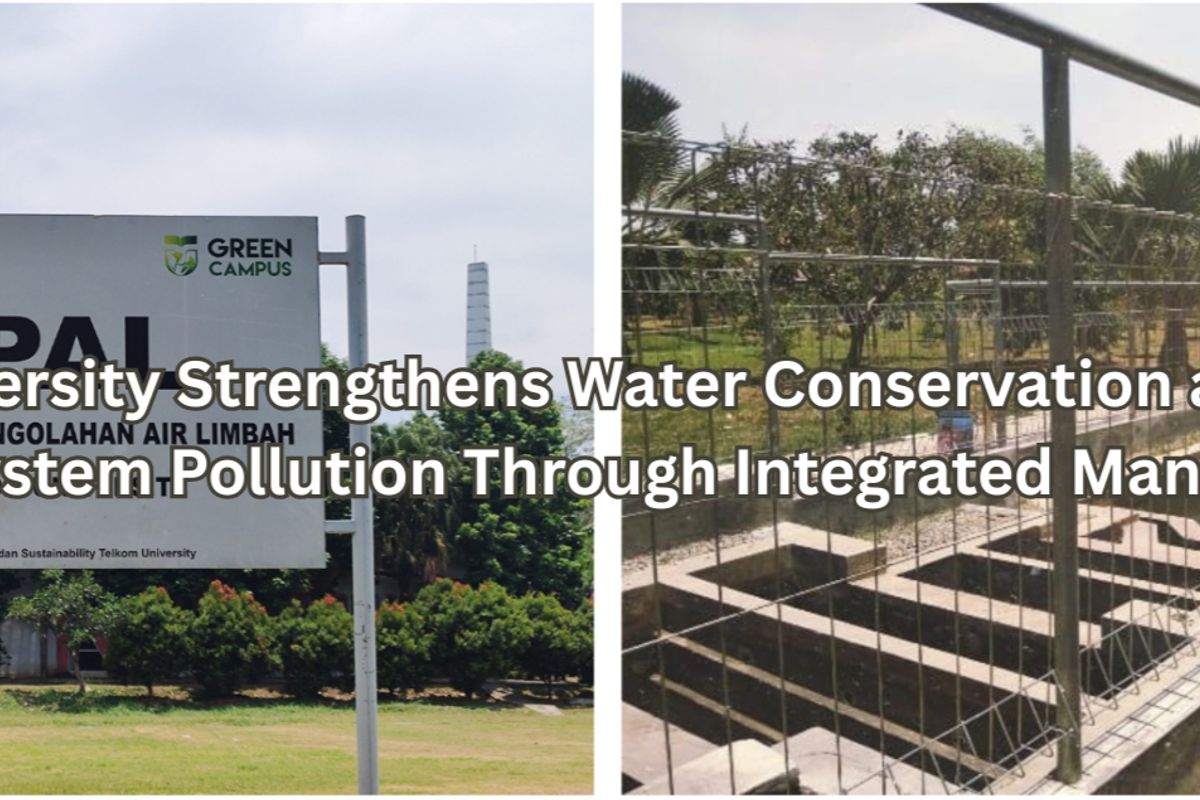
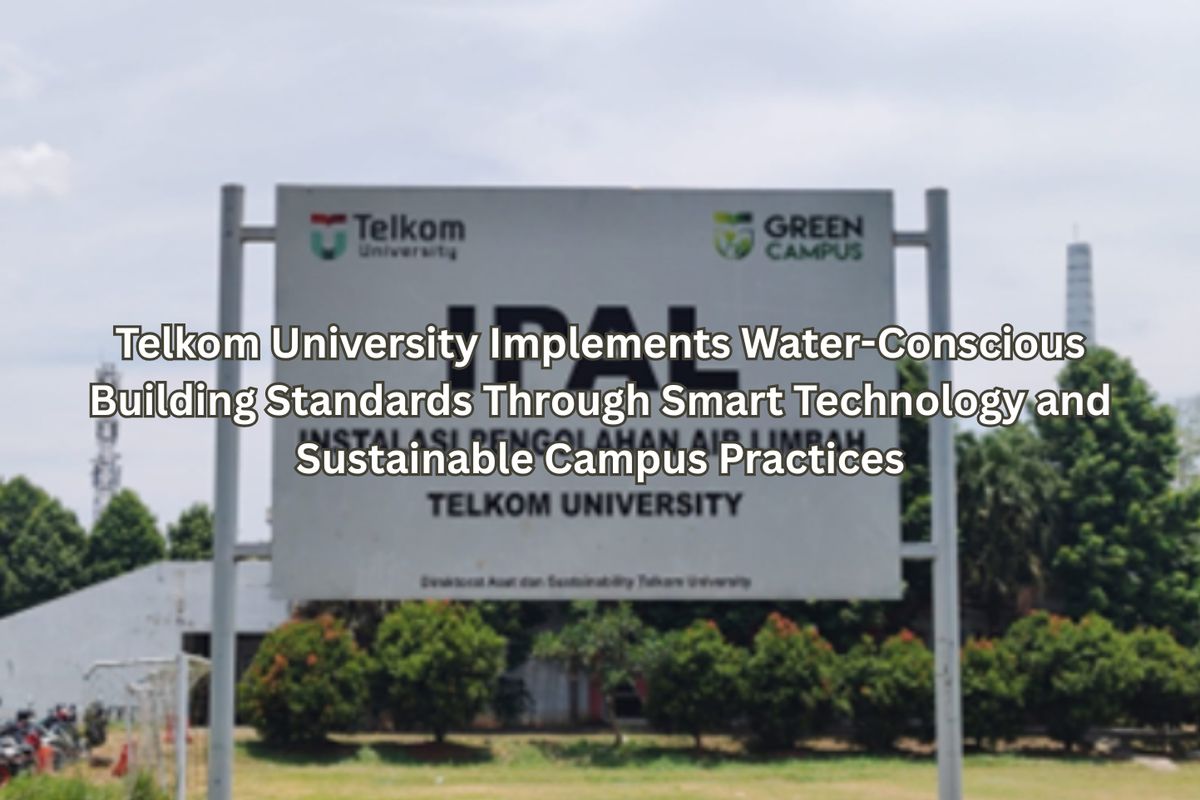
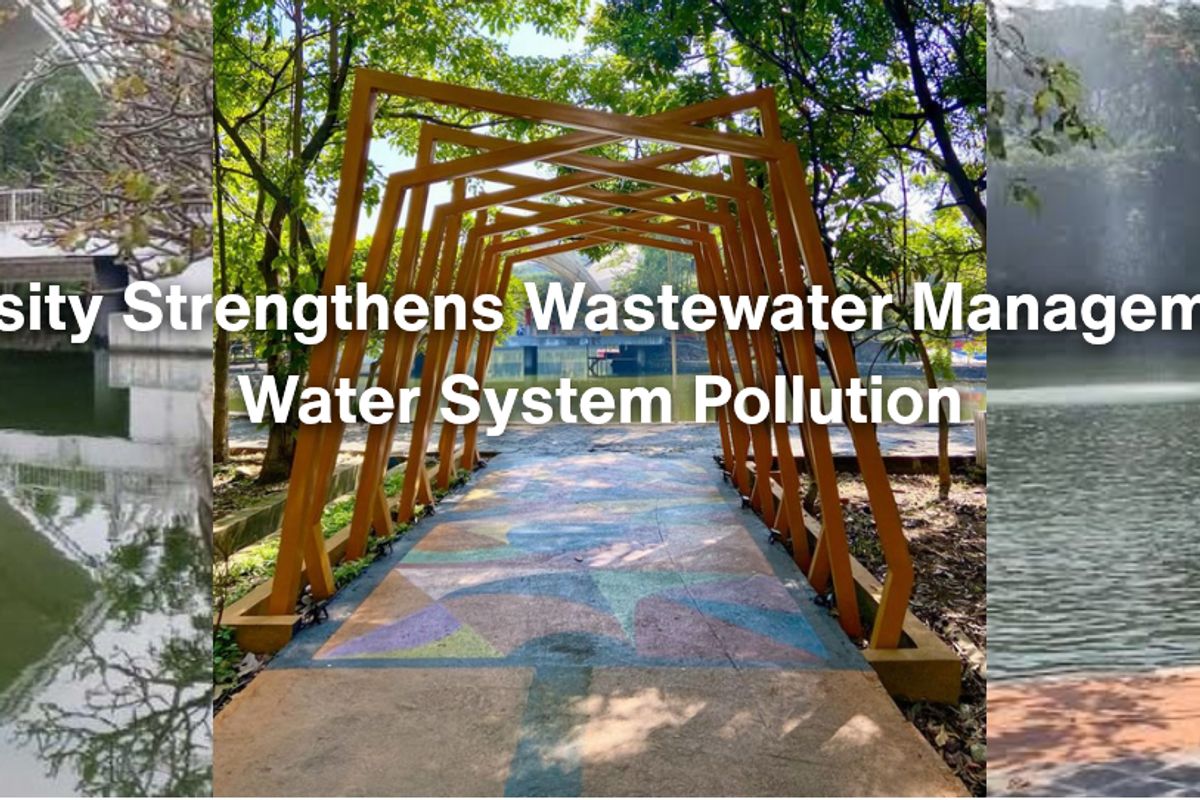
Telkom University prevents water system pollution by filtering river water through its campus IPAL and retention ponds before it reaches Situ Tekno, treating wastewater in 28 STP and IPAL units, and collecting used cooking oil and hazardous laboratory waste separately. Infiltration wells and biopores across 34% of the campus also reduce polluted runoff.
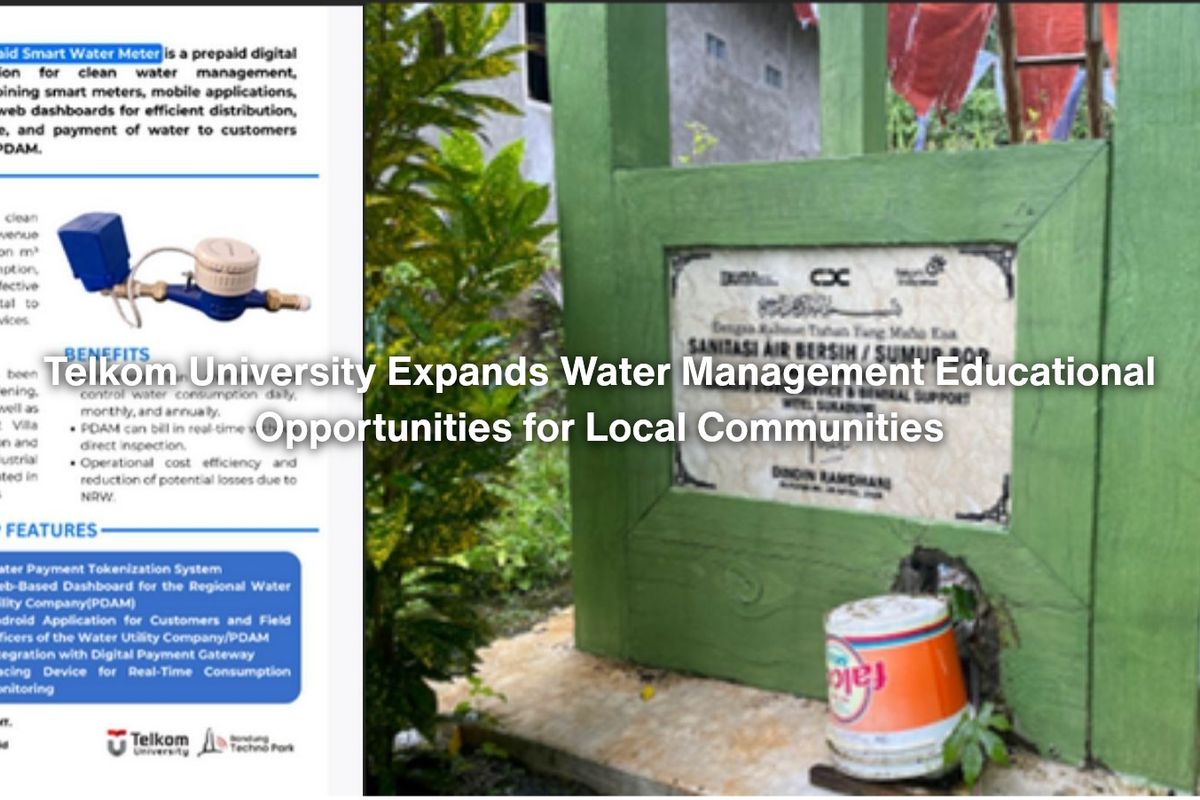
In 2025, Telkom University delivered 27 free water management educational activities for local communities. Villages learned to use automated flood pumps, water-level monitoring and early warning systems such as CITRA BANJIR and NotiFlood. Farmers adopted IoT and LoRa-based drip irrigation and solar-powered pumps, while fish farmers, BUMDes and community groups were trained in water filtration, water-quality monitoring and pipe-leak detection, and high school students learned to measure water levels with IoT sensors. The university also evaluated clean water facilities and provided sanitation education in communities across Java through the Moneva SAB programme with PT Telkom Indonesia.
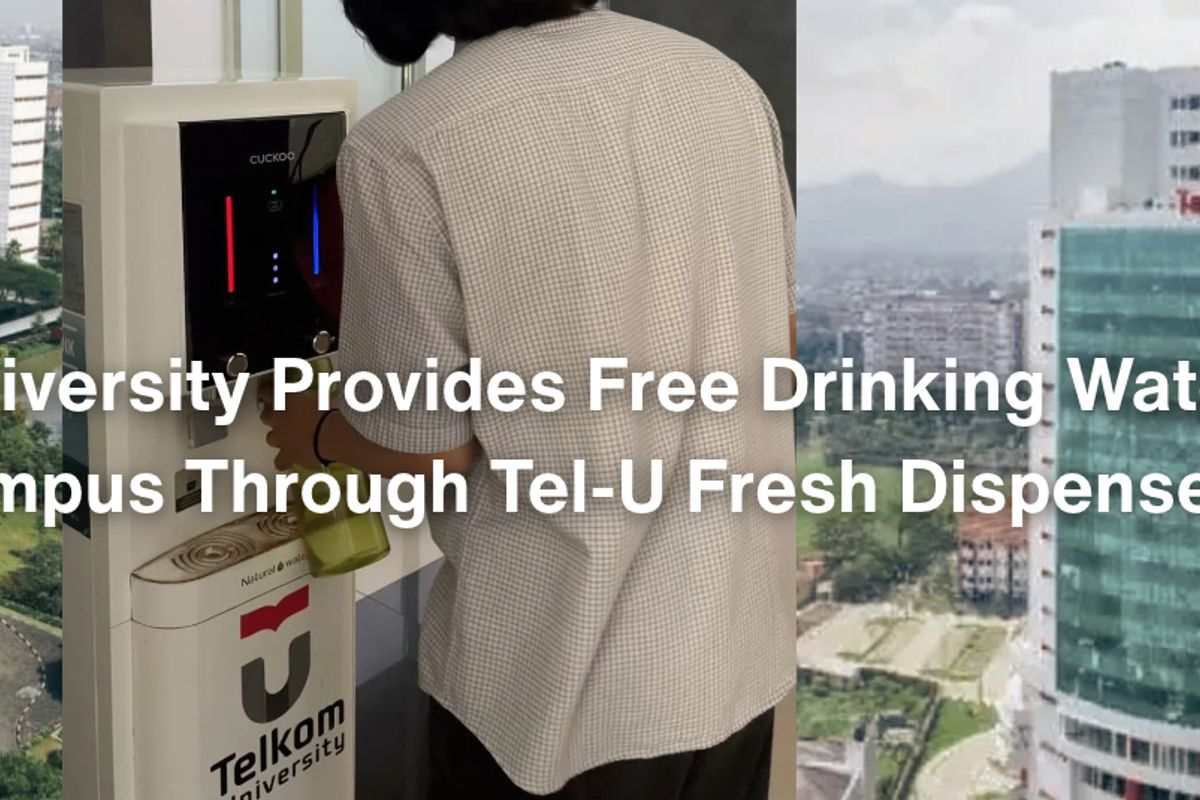
Telkom University provides free access to safe drinking water through more than 20 Tel-U Fresh dispensers across campus. Supported by a four-stage water filtration system, this initiative promotes healthy hydration, reduces single-use plastic waste, and encourages sustainable consumption in line with SDG 6: Clean Water and Sanitation and SDG 12: Responsible Consumption and Production.
Telkom University has moved all salaries to the new YPT Payroll Application from August 2026. Employees can appeal unexplained pay discrepancies through an online form or by contacting the Payroll admin on WhatsApp at +62 821-2148-5066, and the Payroll Team verifies every report.
Telkom University prioritises local and sustainable food sources. On 23 June 2025, it signed Kampung Sorgum website licence agreements with Sorgumology StartUp, Komunitas Halal Bandung and KWT Melati Sorgum. Its canteen agreements require local MSME tenants to serve healthy, halal food in degradable packaging, without Styrofoam or packaged drinks, and it is developing Smart Poultry Farming and the IoT- and solar-powered Crabhouse silvofishery programme.
Telkom University applies water-conscious building standards, fitting new buildings with dual-flush toilets, installing sensor and push taps, and making showers standard in dormitories housing 7,000 students. Water-saving devices now make up 73% of campus fixtures, supported by rainwater harvesting and IoT monitoring.
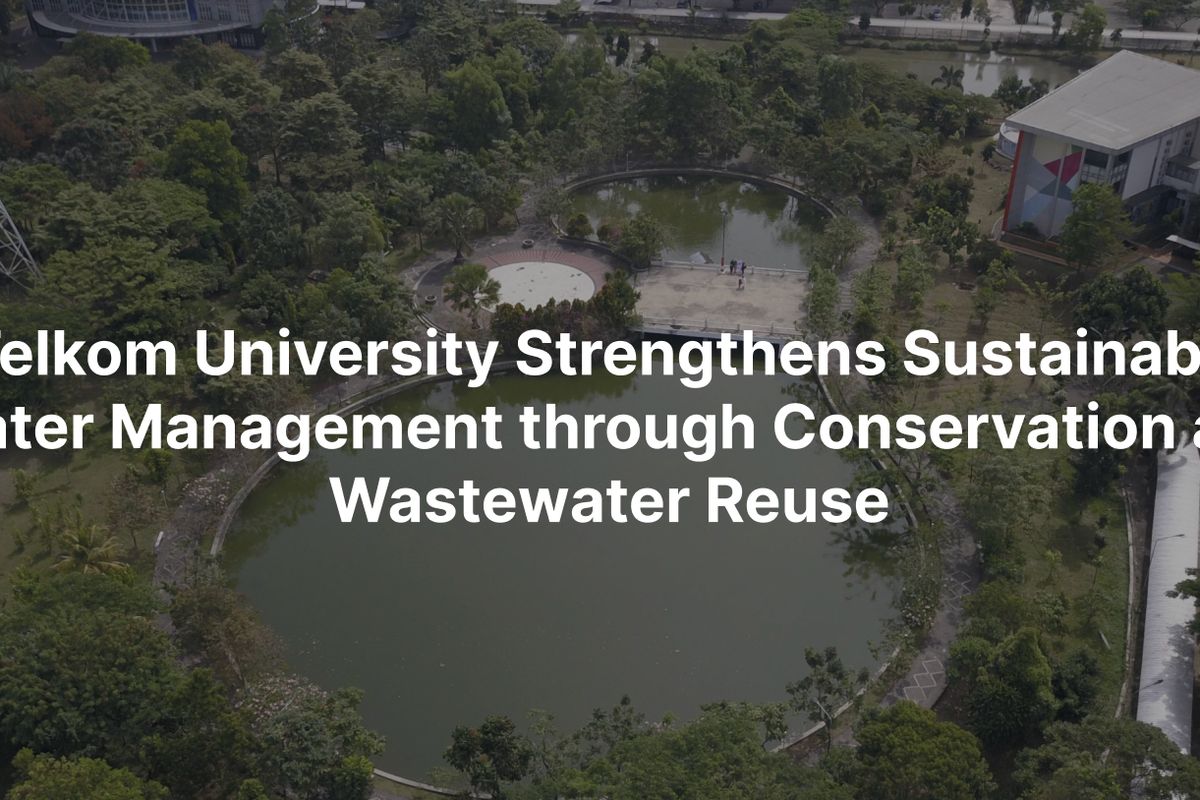
Telkom University’s water reuse policy, set out in rector decrees KR.963/2023 and KR.331/2024, commits the campus to maximising recycled water. Treated STP water, filtered canal water and harvested rainwater are reused for gardens, crops, fish ponds, a recycled-water car wash and greenhouse irrigation, reducing reliance on groundwater.
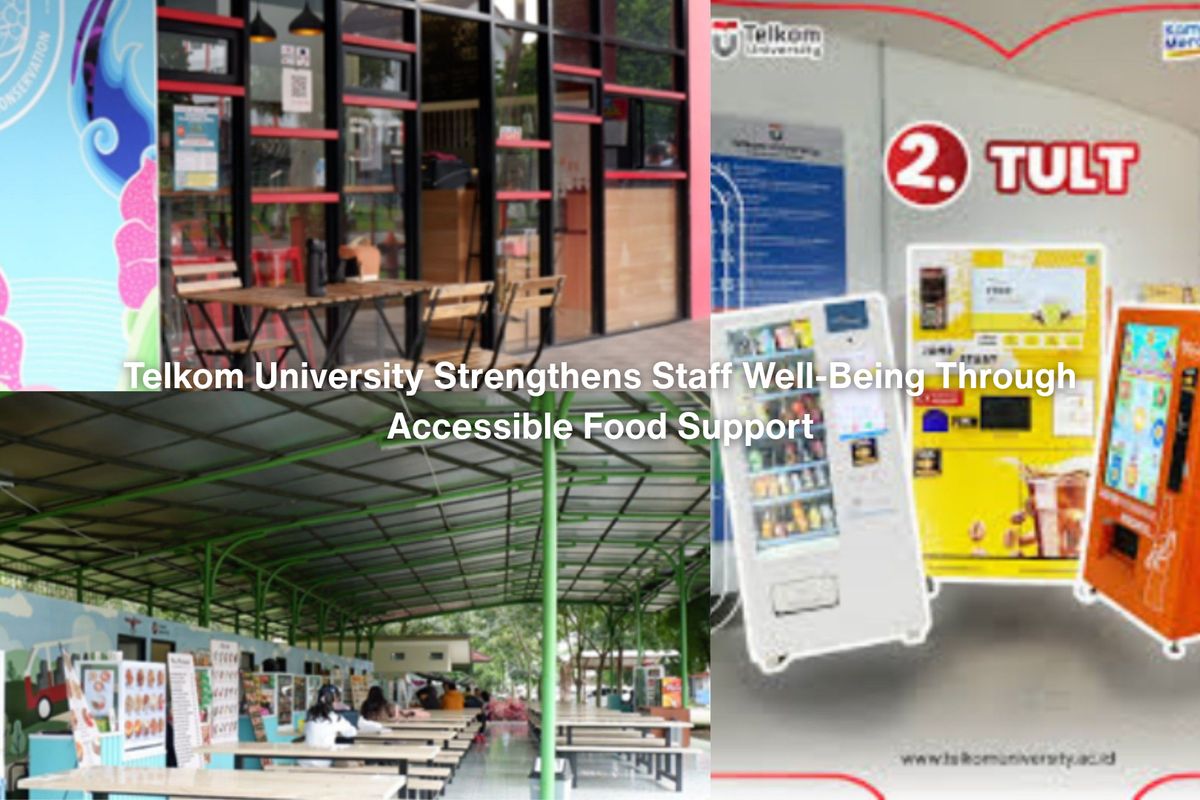
Telkom University supports employee welfare and food security through various workplace initiatives, including food tenants, office pantries, food banks, vending machines, meeting refreshments, and monthly meal allowances. These efforts aim to ensure convenient access to food while promoting a healthy and supportive working environment in line with SDG 2: Zero Hunger and SDG 3: Good Health and Well-Being.
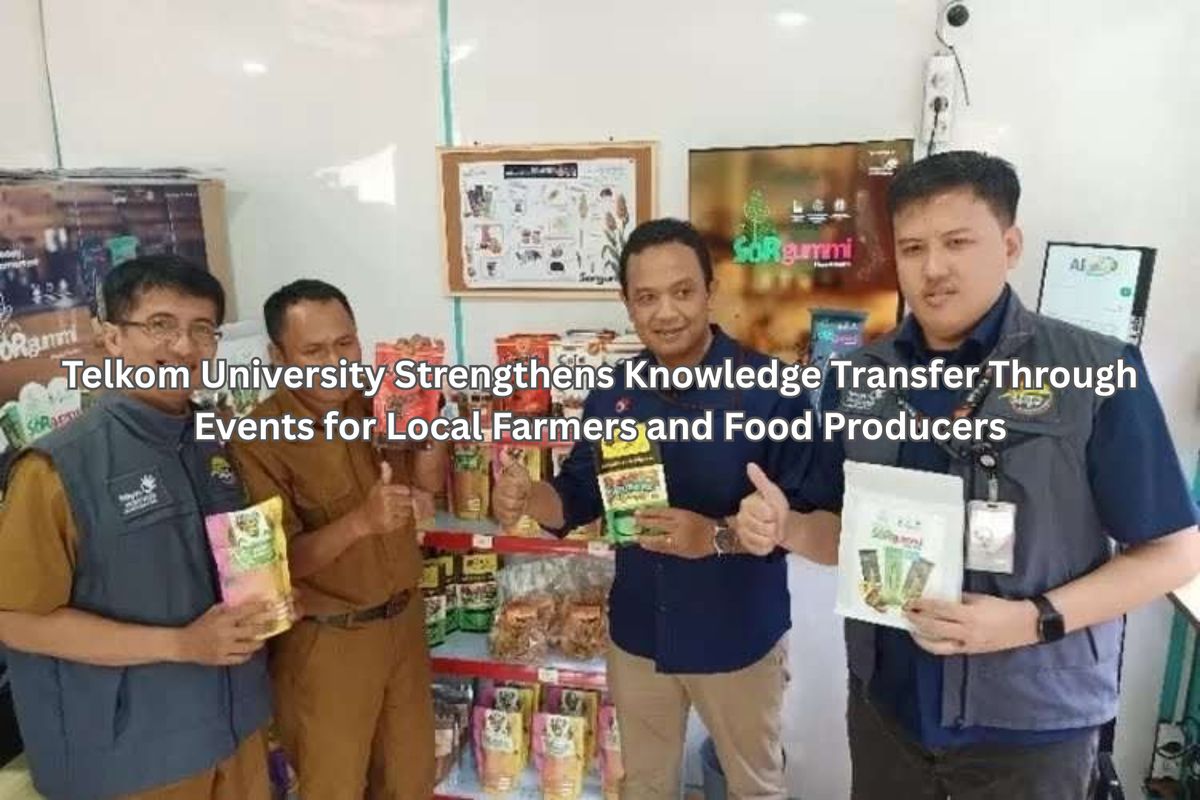
In 2025, Telkom University held at least 24 events for local farmers and food producers across West, Central and East Java, reaching farmer groups, fish farmers, livestock farmers and small food businesses. The events ran from pest and disease education at the Selaawi Agricultural Extension Centre and LoRa-based irrigation training to aquaculture business management, processing of fish, milk and coconut sugar, and halal certification support. They gave local producers practical skills and a place to connect with university experts and with one another, supporting SDG 2, SDG 12 and SDG 14.
Through its sustainable practices housing employees programme, Telkom University helps staff afford homes with a Bank Mandiri housing scheme offering mortgage rates from 2.65% and terms of up to 20 years. It also runs a survey of staff housing needs for the Bestari Mas area next to campus.
Telkom University operates a campus-wide waste water treatment system of 6 active STPs and 22 passive IPAL units serving 53 building locations. It includes separate treatment for cafeteria and laboratory wastewater and reuses treated water for gardens, toilets, fish ponds and aquaponics, supporting SDG 6: Clean Water and Sanitation.