SDG's Telkom University
  • Home
  • SDGs
  • Berita
Dashboard SDGsHubungi Kami
SDG's Telkom University
  • Home
  • SDGs
  • Berita
Dashboard SDGsHubungi Kami

Berita Terbaru

Kumpulan update dan informasi terkini seputar SDGs.

Filter berita berdasarkan SDG

3 SDG dipilih

53 berita ditemukanReset semua filter
Sustainable Water Resource Management at Telkom University
THE Sustainability Impact Ratings 2027
SDG 6: Clean Water and SanitationSDG 7: Affordable and Clean EnergySDG 13: Climate ActionSDG 14: Life Below WaterSDG 17: Partnerships for the Goals
Sebelumnya1…345Berikutnya

Sustainable Water Resource Management at Telkom University

To ensure accurate and sustainable water resource management, Telkom University implements a comprehensive water measurement system across its campus. Each month, the volume of water extracted from individual artesian wells is recorded through water meters installed at each production site. These measurements are subsequently compiled to monitor overall water consumption throughout the university.
12 Okt 2025 1 menit bacaSSDGs Center
Telkom University Joins Hands with Local Communities to Care for Shared Waters
THE Sustainability Impact Ratings 2027
SDG 6: Clean Water and SanitationSDG 14: Life Below WaterSDG 17: Partnerships for the Goals

Telkom University Joins Hands with Local Communities to Care for Shared Waters

Rivers, canals and coastlines do not stop at a university's boundary, and neither does Telkom University's work to protect them. In 2024 and 2025, its lecturers and students worked side by side with riverbank residents, village governments, fishing communities and turtle conservation groups to look after the waters they share. The collaborations range from the Cikapundung River watershed, which feeds the irrigation canal running through the campus, to neighbouring villages in Dayeuhkolot and Bojongsoang and coastal communities in East Java, Yogyakarta and Lampung. They are funded through the university's community service grants, the Ministry of Education, Culture, Research and Technology, and Telkom Indonesia's Innovillage and CSR programmes.

09 Okt 2025 1 menit bacaSSDGs Center
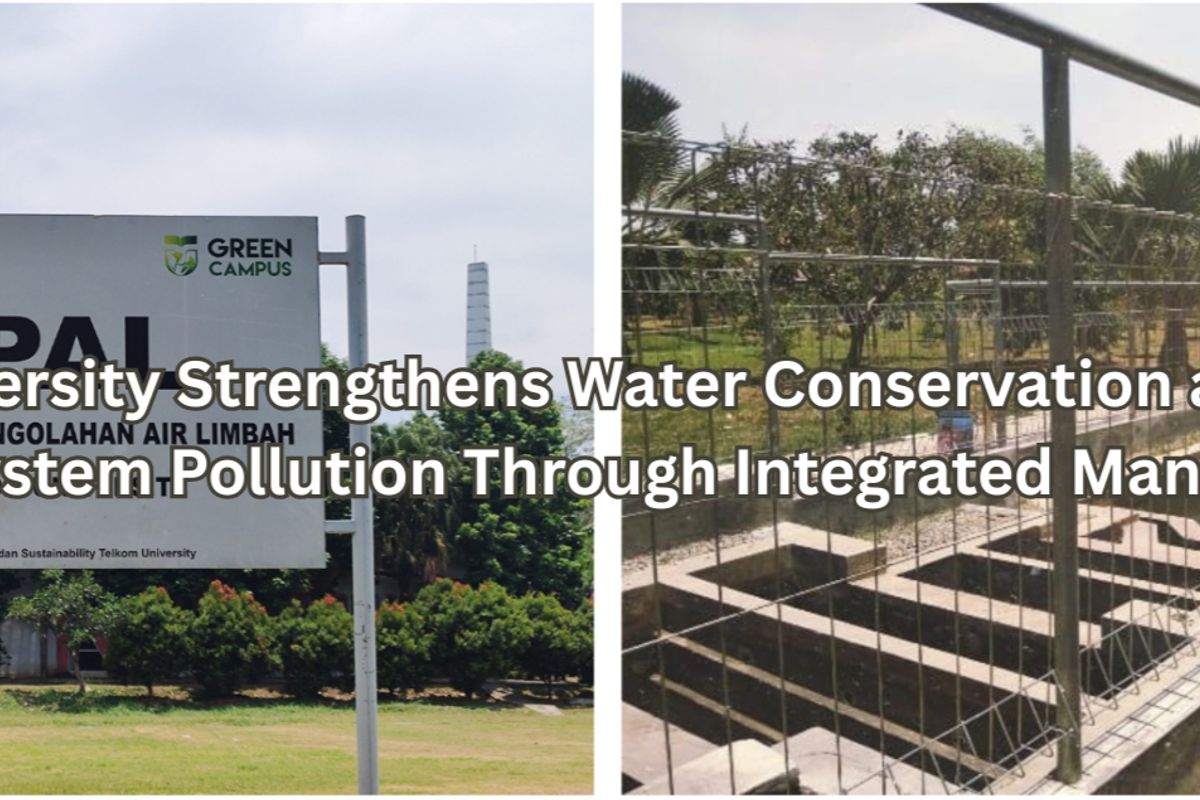
Telkom University Strengthens Water Conservation and Prevents Water System Pollution Through Integrated Management
THE Sustainability Impact Ratings 2027
SDG 6: Clean Water and Sanitation

Telkom University Strengthens Water Conservation and Prevents Water System Pollution Through Integrated Management

Telkom University prevents water system pollution by filtering river water through its campus IPAL and retention ponds before it reaches Situ Tekno, treating wastewater in 28 STP and IPAL units, and collecting used cooking oil and hazardous laboratory waste separately. Infiltration wells and biopores across 34% of the campus also reduce polluted runoff.

08 Okt 2025 1 menit bacaSSDGs Center
Telkom University Expands Water Management Educational Opportunities for Local Communities
THE Sustainability Impact Ratings 2027
SDG 6: Clean Water and SanitationSDG 11: Sustainable Cities and CommunitiesSDG 12: Responsible Consumption and ProductionSDG 13: Climate Action

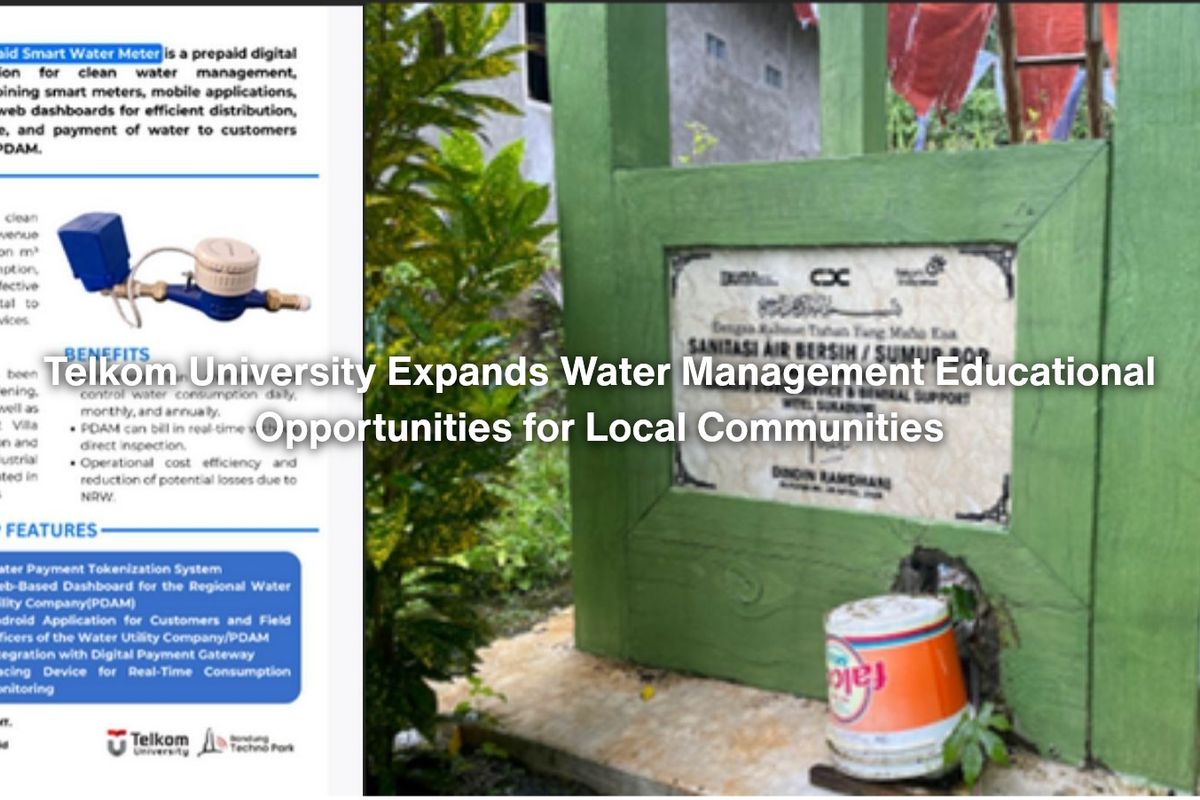
Telkom University Expands Water Management Educational Opportunities for Local Communities

In 2025, Telkom University delivered 27 free water management educational activities for local communities. Villages learned to use automated flood pumps, water-level monitoring and early warning systems such as CITRA BANJIR and NotiFlood. Farmers adopted IoT and LoRa-based drip irrigation and solar-powered pumps, while fish farmers, BUMDes and community groups were trained in water filtration, water-quality monitoring and pipe-leak detection, and high school students learned to measure water levels with IoT sensors. The university also evaluated clean water facilities and provided sanitation education in communities across Java through the Moneva SAB programme with PT Telkom Indonesia.

10 Sep 2025 1 menit bacaSSDGs Center
Telkom University implements an integrated water management system through groundwater monitoring, rainwater harvesting, wastewater treatment, and water reuse initiatives. Supported by sustainable infrastructure and IoT technology, these efforts aim to conserve water resources, maintain water quality, and reduce environmental impacts in support of SDG 6: Clean Water and Sanitation.
General
SDG 6: Clean Water and SanitationSDG 12: Responsible Consumption and Production

Telkom University implements an integrated water management system through groundwater monitoring, rainwater harvesting, wastewater treatment, and water reuse initiatives. Supported by sustainable infrastructure and IoT technology, these efforts aim to conserve water resources, maintain water quality, and reduce environmental impacts in support of SDG 6: Clean Water and Sanitation.

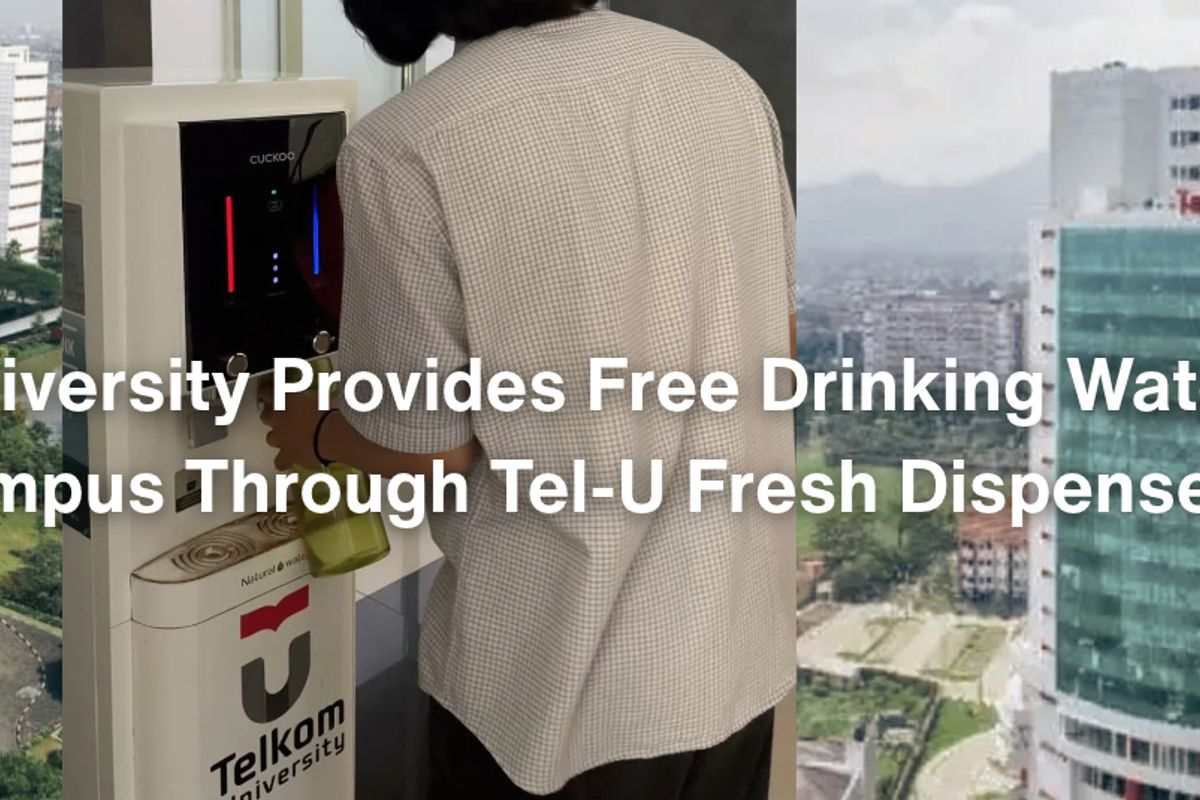
Telkom University provides free access to safe drinking water through more than 20 Tel-U Fresh dispensers across campus. Supported by a four-stage water filtration system, this initiative promotes healthy hydration, reduces single-use plastic waste, and encourages sustainable consumption in line with SDG 6: Clean Water and Sanitation and SDG 12: Responsible Consumption and Production.

09 Sep 2025 1 menit bacaSSDGs Center
Enhancing Health and Well-being Through Inclusive Sports Facilities at Telkom University
THE Sustainability Impact Ratings 2027
SDG 3: Good Health and Well-beingSDG 4: Quality EducationSDG 5: Gender EqualitySDG 10: Reduced Inequalities

Enhancing Health and Well-being Through Inclusive Sports Facilities at Telkom University

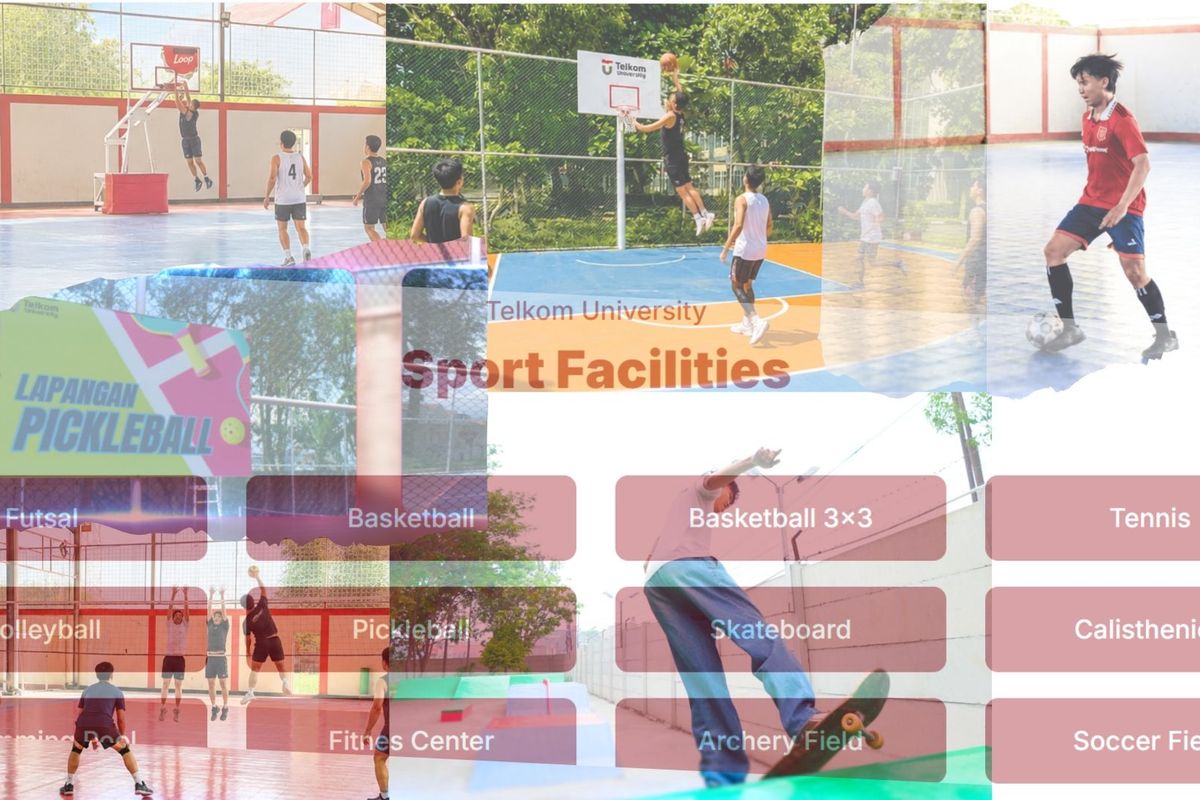
The Student Center Building features a multipurpose indoor sports court designed to accommodate various activities, including basketball, volleyball, and badminton. Beyond recreational use, this facility serves as a venue for friendly competitions and inter-faculty tournaments, fostering teamwork, sportsmanship, and stronger connections among students.

19 Agu 2025 1 menit bacaSSDGs Center
Supporting Local Food Producers and Sustainable Campus Food: Telkom University Partners with Sorghum Communities and Local MSMEs
THE Sustainability Impact Ratings 2027
SDG 2: Zero Hunger

Supporting Local Food Producers and Sustainable Campus Food: Telkom University Partners with Sorghum Communities and Local MSMEs

Telkom University prioritises local and sustainable food sources. On 23 June 2025, it signed Kampung Sorgum website licence agreements with Sorgumology StartUp, Komunitas Halal Bandung and KWT Melati Sorgum. Its canteen agreements require local MSME tenants to serve healthy, halal food in degradable packaging, without Styrofoam or packaged drinks, and it is developing Smart Poultry Farming and the IoT- and solar-powered Crabhouse silvofishery programme.

21 Jul 2025 1 menit bacaSSDGs Center
Telkom University Implements Water-Conscious Building Standards Through Smart Technology and Sustainable Campus Practices
THE Sustainability Impact Ratings 2027
SDG 6: Clean Water and SanitationSDG 9: Industry, Innovation and Infrastructure

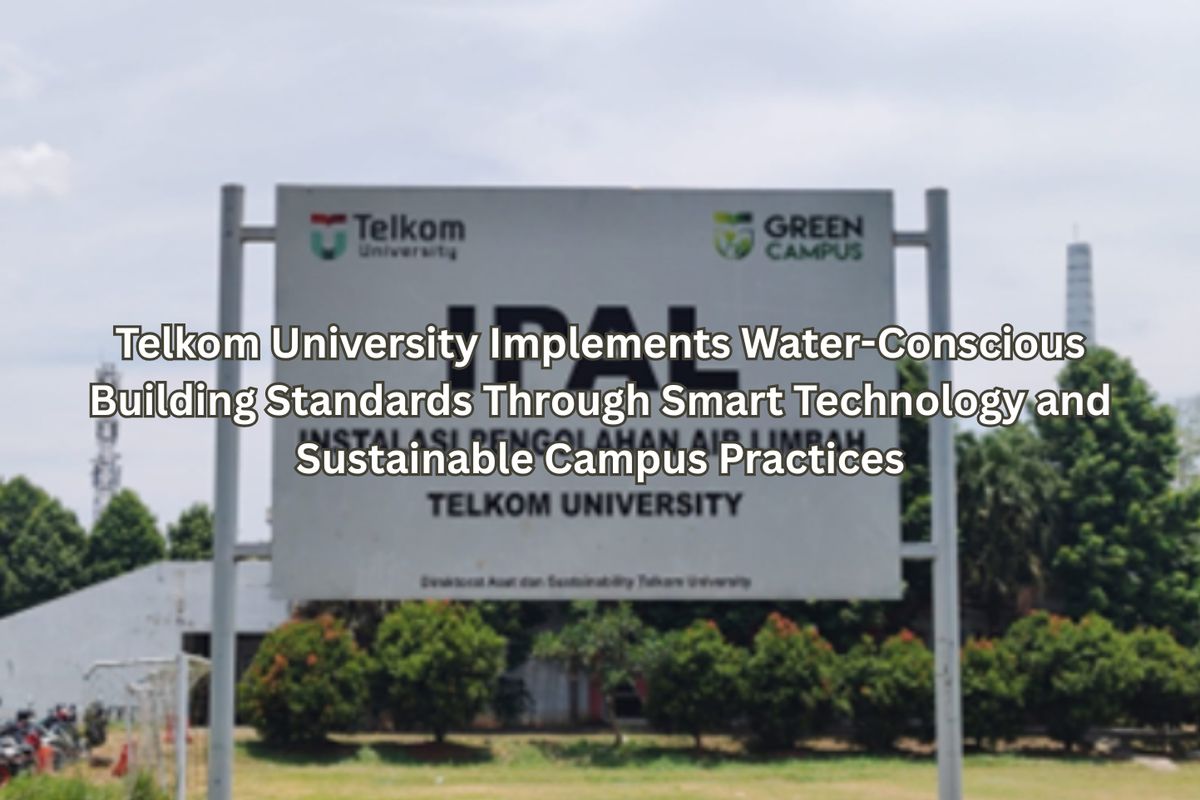
Telkom University Implements Water-Conscious Building Standards Through Smart Technology and Sustainable Campus Practices

Telkom University applies water-conscious building standards, fitting new buildings with dual-flush toilets, installing sensor and push taps, and making showers standard in dormitories housing 7,000 students. Water-saving devices now make up 73% of campus fixtures, supported by rainwater harvesting and IoT monitoring.

13 Jul 2025 1 menit bacaSSDGs Center
Telkom University Strengthens Sustainable Water Management through Conservation and Wastewater Reuse
THE Sustainability Impact Ratings 2027
SDG 6: Clean Water and SanitationSDG 12: Responsible Consumption and Production

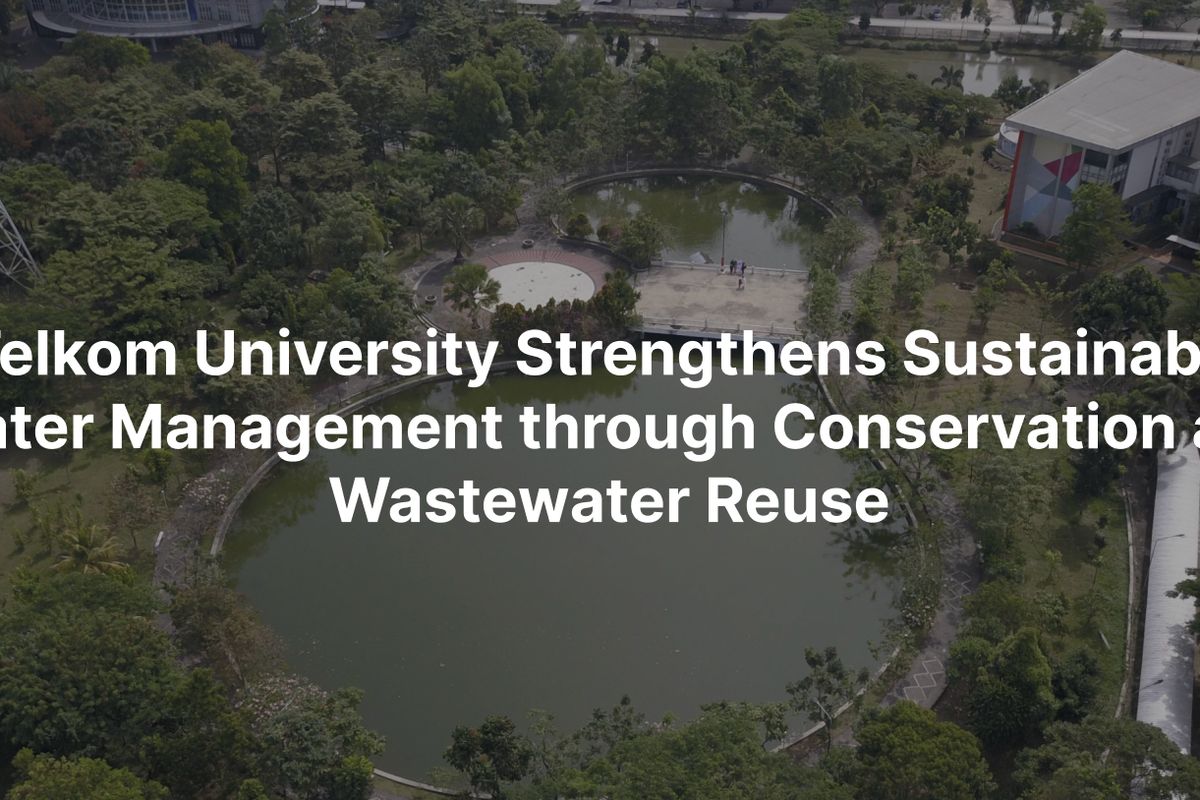
Telkom University Strengthens Sustainable Water Management through Conservation and Wastewater Reuse

Telkom University’s water reuse policy, set out in rector decrees KR.963/2023 and KR.331/2024, commits the campus to maximising recycled water. Treated STP water, filtered canal water and harvested rainwater are reused for gardens, crops, fish ponds, a recycled-water car wash and greenhouse irrigation, reducing reliance on groundwater.

25 Jun 2025 1 menit bacaSSDGs Center
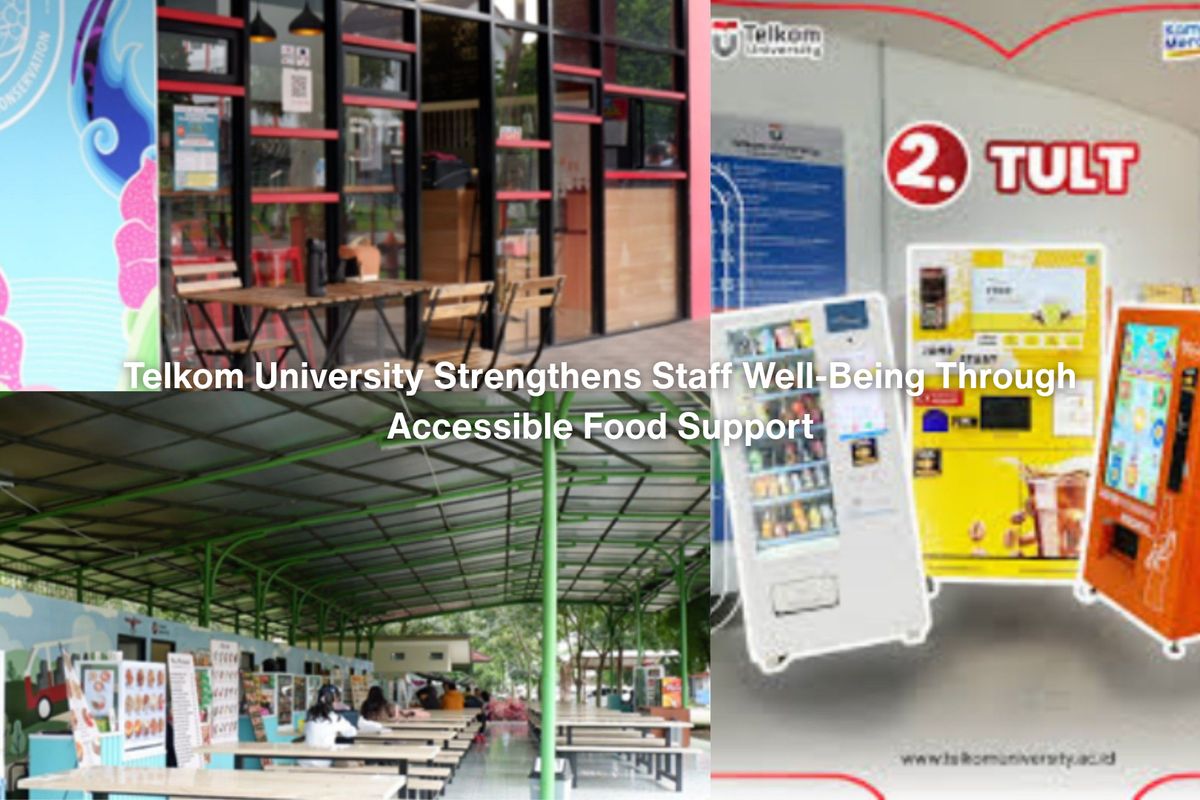
Telkom University Strengthens Staff Well-Being Through Accessible Food Support
General
SDG 2: Zero HungerSDG 3: Good Health and Well-being

Telkom University Strengthens Staff Well-Being Through Accessible Food Support

Telkom University supports employee welfare and food security through various workplace initiatives, including food tenants, office pantries, food banks, vending machines, meeting refreshments, and monthly meal allowances. These efforts aim to ensure convenient access to food while promoting a healthy and supportive working environment in line with SDG 2: Zero Hunger and SDG 3: Good Health and Well-Being.

10 Jun 2025 1 menit bacaSSDGs Center
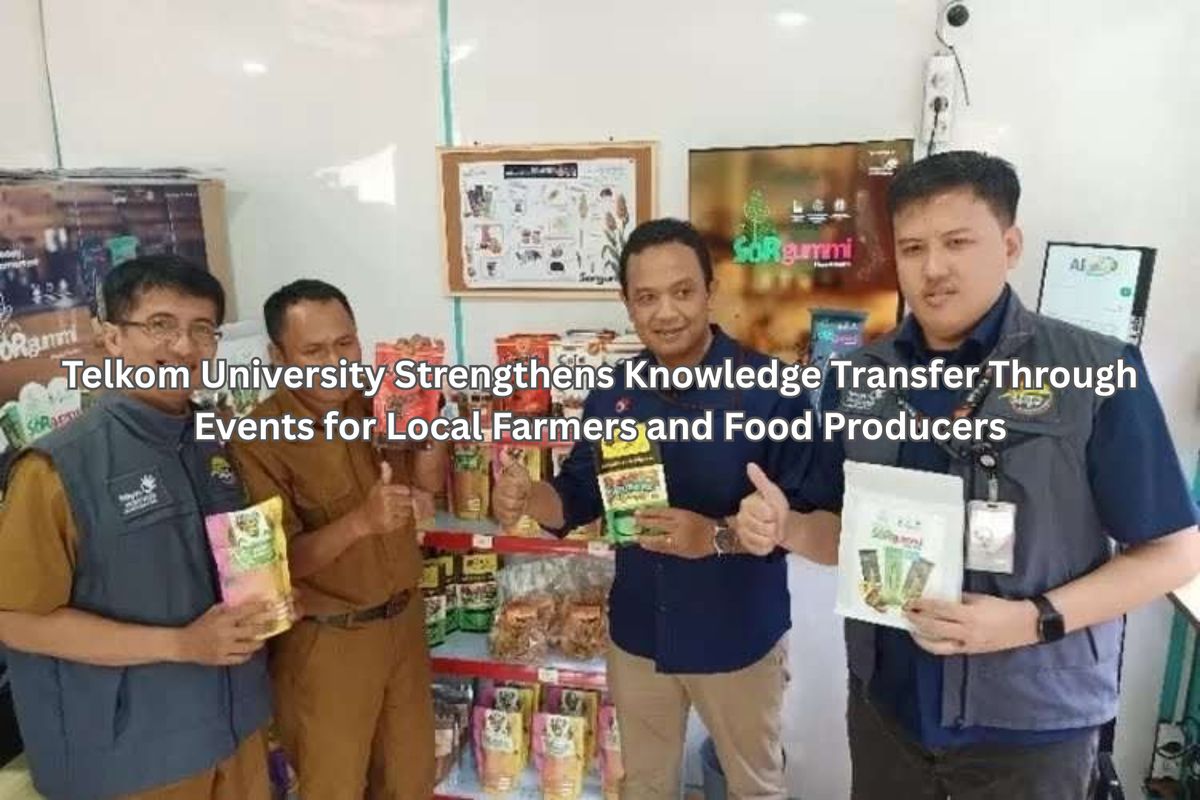
Telkom University Strengthens Knowledge Transfer Through Events for Local Farmers and Food Producers
THE Sustainability Impact Ratings 2027
SDG 2: Zero HungerSDG 12: Responsible Consumption and ProductionSDG 14: Life Below Water

Telkom University Strengthens Knowledge Transfer Through Events for Local Farmers and Food Producers

In 2025, Telkom University held at least 24 events for local farmers and food producers across West, Central and East Java, reaching farmer groups, fish farmers, livestock farmers and small food businesses. The events ran from pest and disease education at the Selaawi Agricultural Extension Centre and LoRa-based irrigation training to aquaculture business management, processing of fish, milk and coconut sugar, and halal certification support. They gave local producers practical skills and a place to connect with university experts and with one another, supporting SDG 2, SDG 12 and SDG 14.

10 Jun 2025 1 menit bacaSSDGs Center
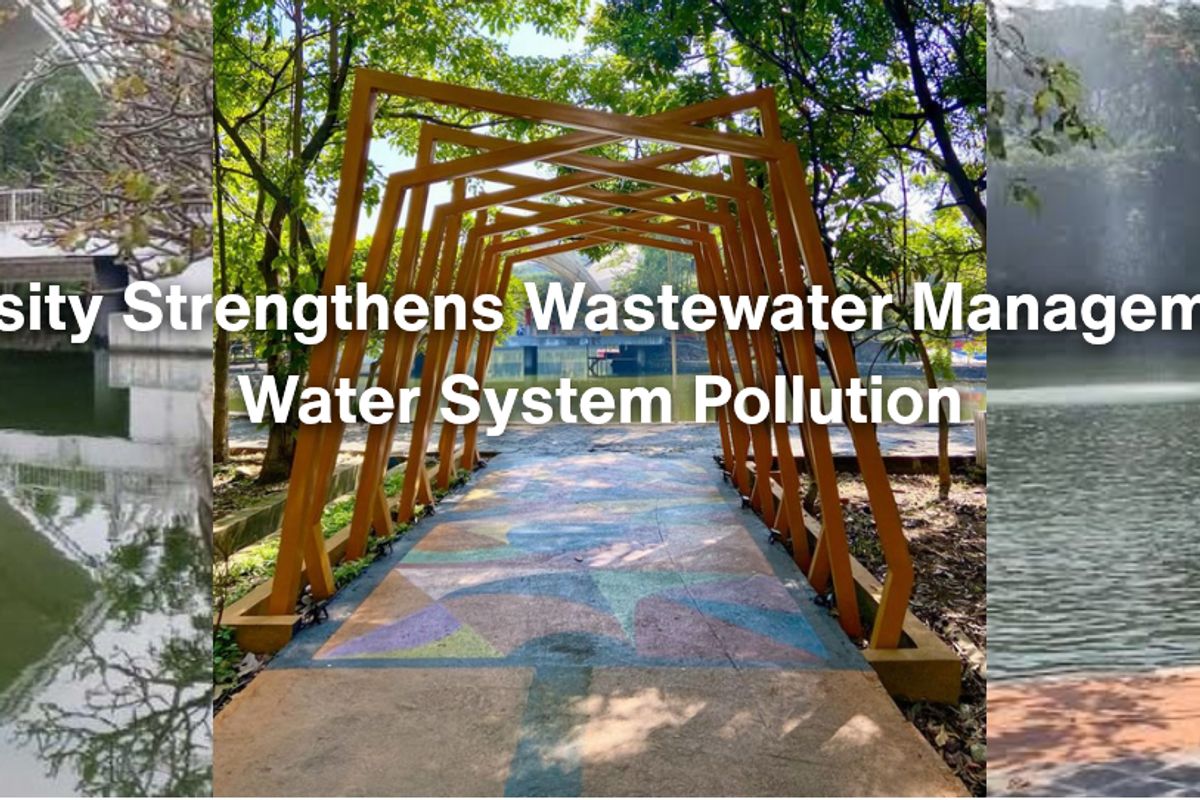
Telkom University Strengthens Wastewater Management to Prevent Water System Pollution
THE Sustainability Impact Ratings 2027
SDG 6: Clean Water and Sanitation

Telkom University Strengthens Wastewater Management to Prevent Water System Pollution

Telkom University operates a campus-wide waste water treatment system of 6 active STPs and 22 passive IPAL units serving 53 building locations. It includes separate treatment for cafeteria and laboratory wastewater and reuses treated water for gardens, toilets, fish ponds and aquaponics, supporting SDG 6: Clean Water and Sanitation.

26 Mei 2025 1 menit bacaSSDGs Center