Kumpulan update dan informasi terkini seputar SDGs.
2 SDG dipilih
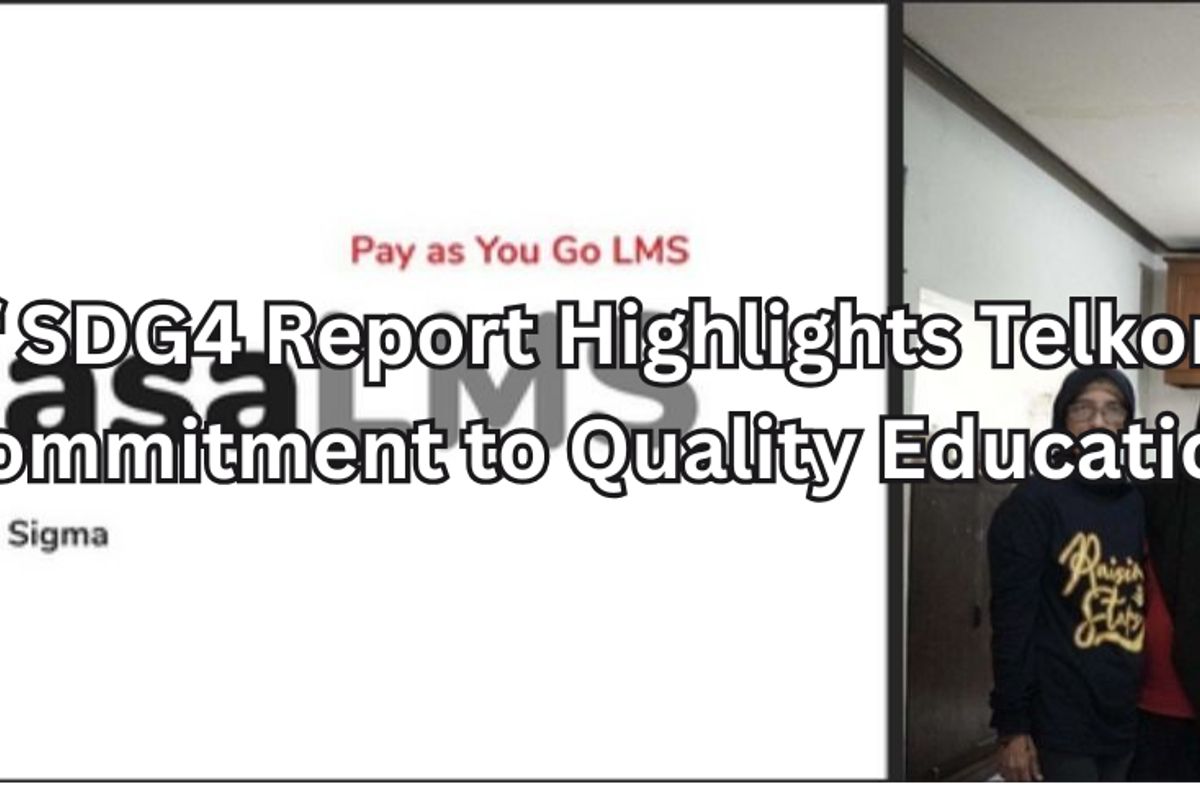
Telkom University’s SDGs Report 2025 highlights its commitment to inclusive and equitable education through collaborations that develop accessible digital learning platforms and assistive technologies. From ANGKASA LMS, developed with Telkom Sigma, to the Down Syndrome Tracker in partnership with POTADS West Java, these initiatives expand learning opportunities and support inclusive education through cross-sector collaboration, contributing to SDG 4 (Quality Education) and SDG 17 (Partnerships for the Goals).
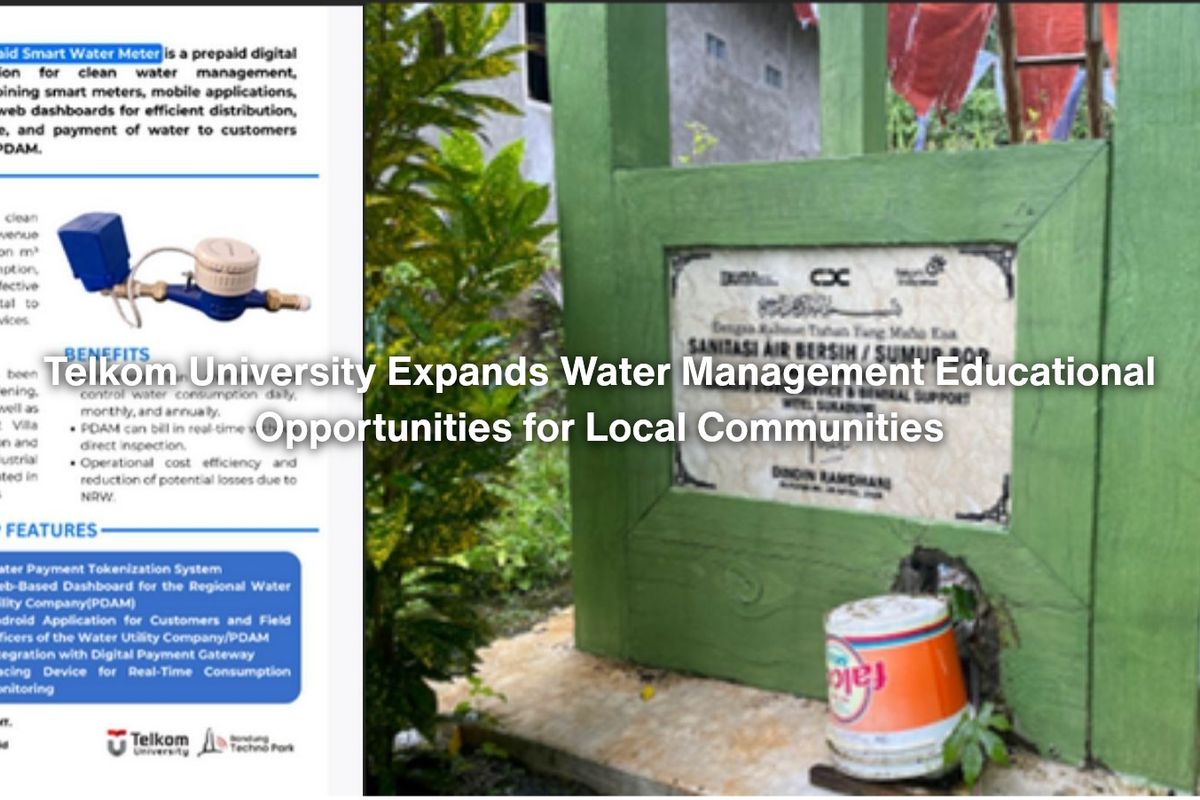
In 2025, Telkom University delivered 27 free water management educational activities for local communities. Villages learned to use automated flood pumps, water-level monitoring and early warning systems such as CITRA BANJIR and NotiFlood. Farmers adopted IoT and LoRa-based drip irrigation and solar-powered pumps, while fish farmers, BUMDes and community groups were trained in water filtration, water-quality monitoring and pipe-leak detection, and high school students learned to measure water levels with IoT sensors. The university also evaluated clean water facilities and provided sanitation education in communities across Java through the Moneva SAB programme with PT Telkom Indonesia.
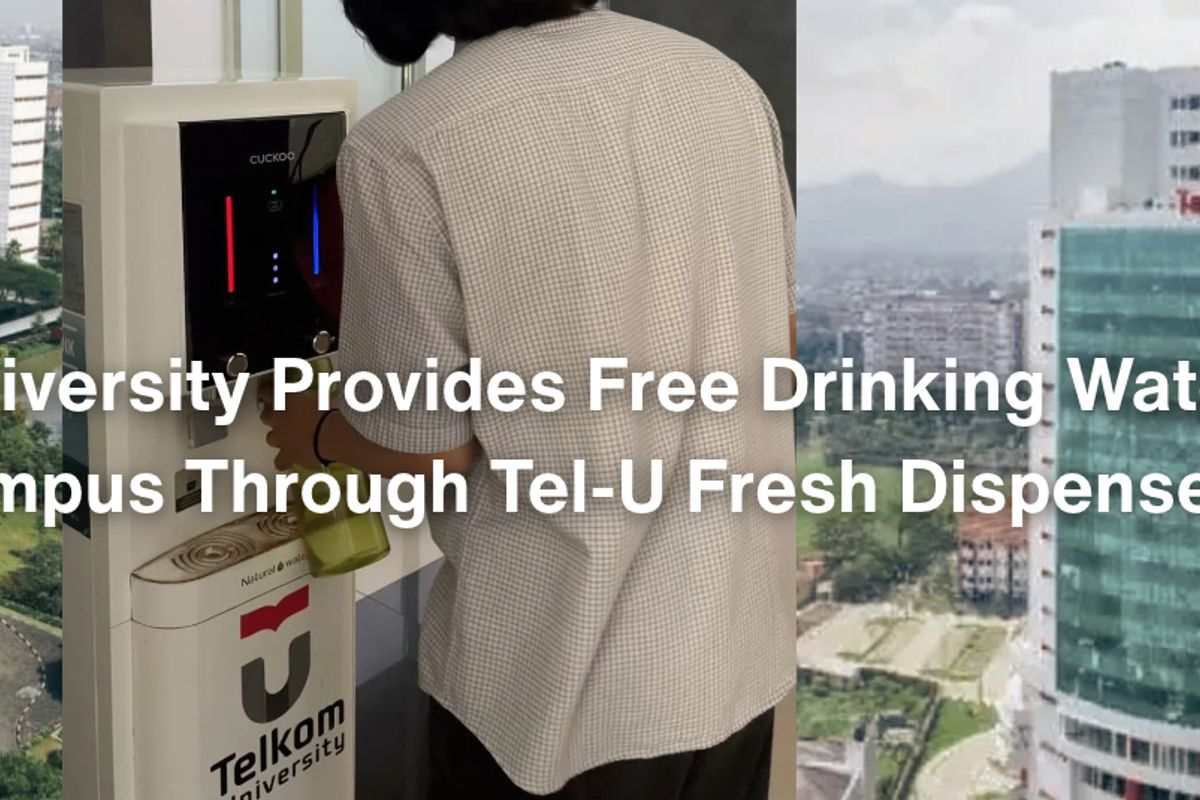
Telkom University provides free access to safe drinking water through more than 20 Tel-U Fresh dispensers across campus. Supported by a four-stage water filtration system, this initiative promotes healthy hydration, reduces single-use plastic waste, and encourages sustainable consumption in line with SDG 6: Clean Water and Sanitation and SDG 12: Responsible Consumption and Production.
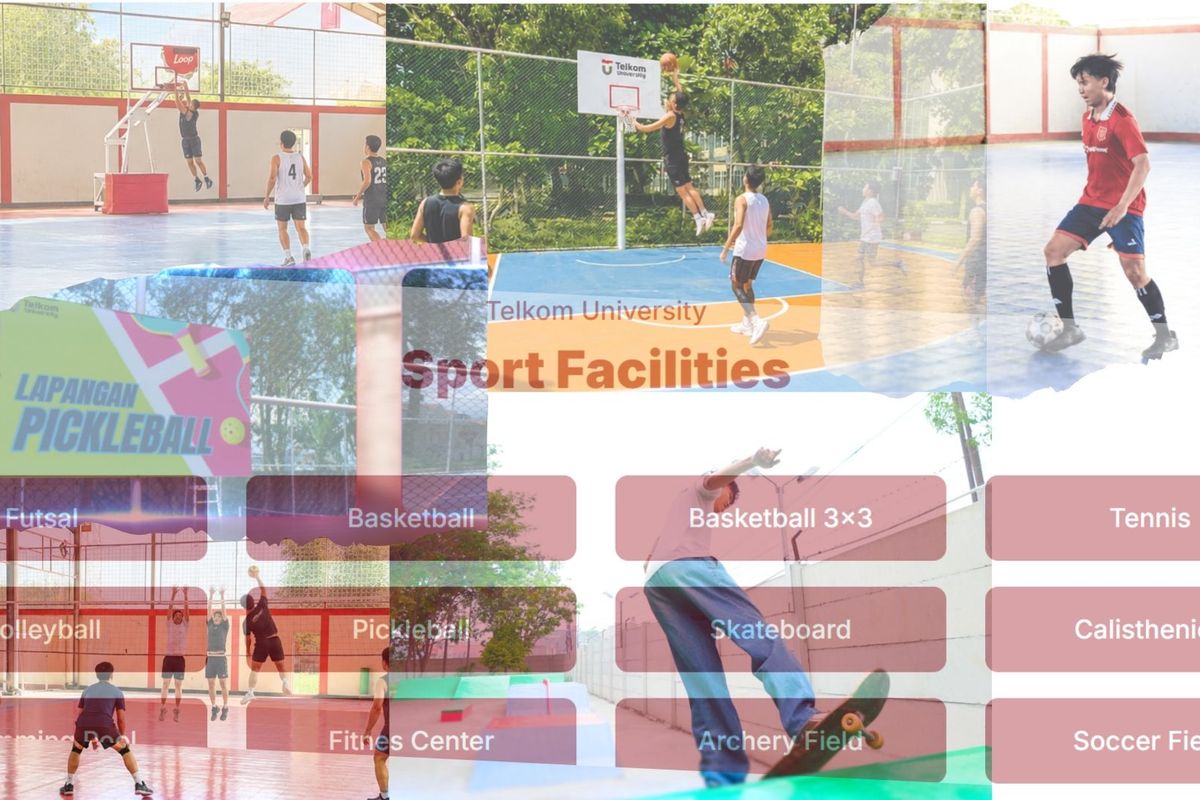
The Student Center Building features a multipurpose indoor sports court designed to accommodate various activities, including basketball, volleyball, and badminton. Beyond recreational use, this facility serves as a venue for friendly competitions and inter-faculty tournaments, fostering teamwork, sportsmanship, and stronger connections among students.
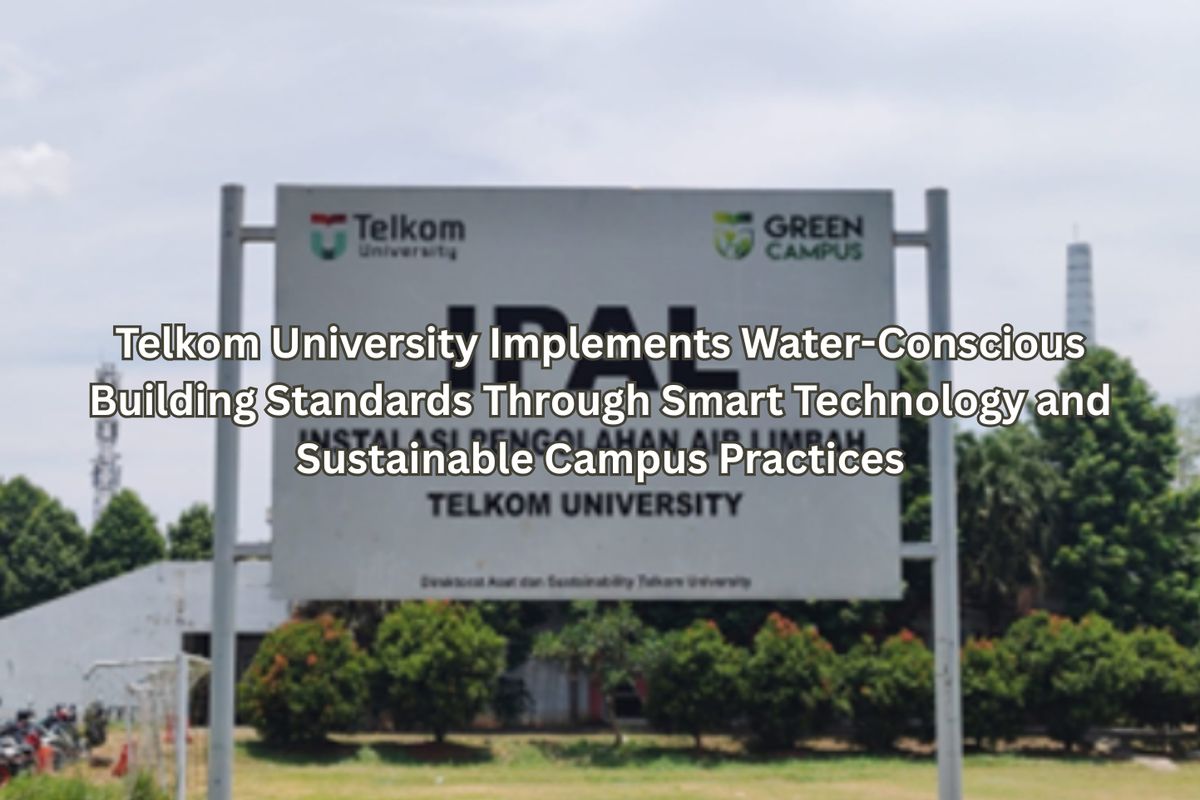
Telkom University applies water-conscious building standards, fitting new buildings with dual-flush toilets, installing sensor and push taps, and making showers standard in dormitories housing 7,000 students. Water-saving devices now make up 73% of campus fixtures, supported by rainwater harvesting and IoT monitoring.
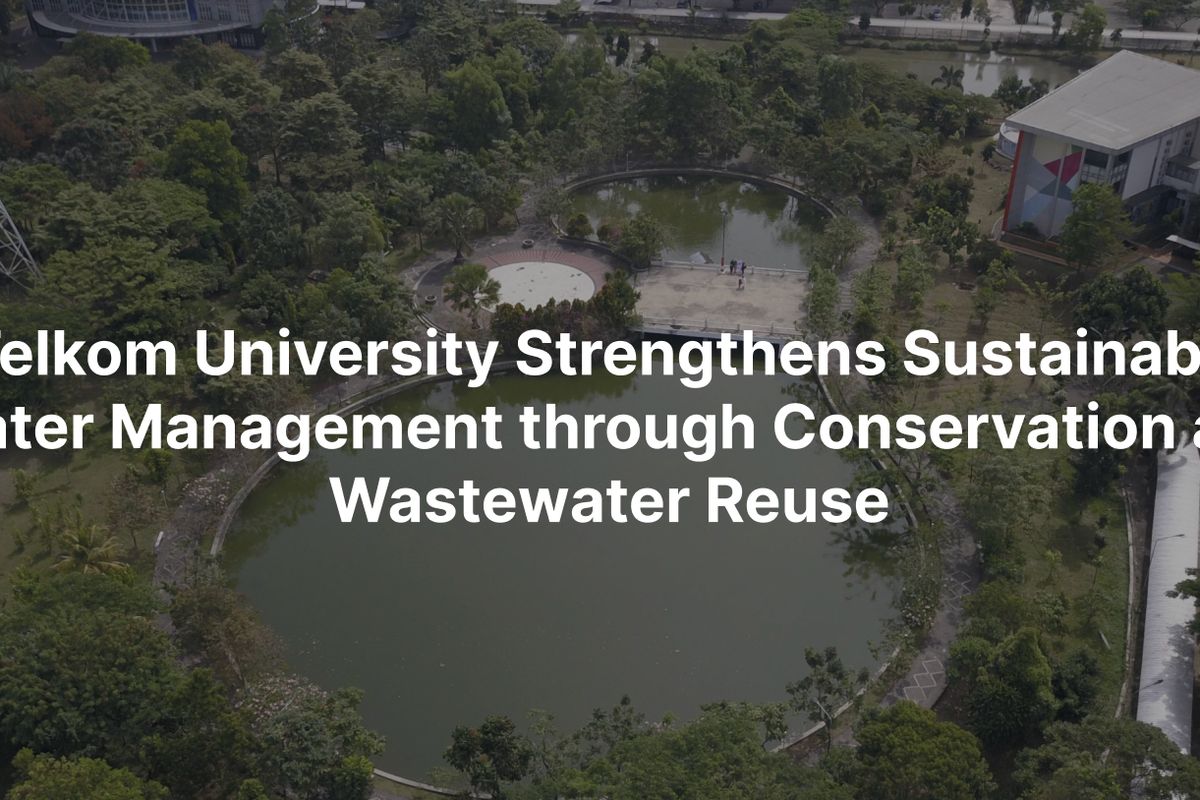
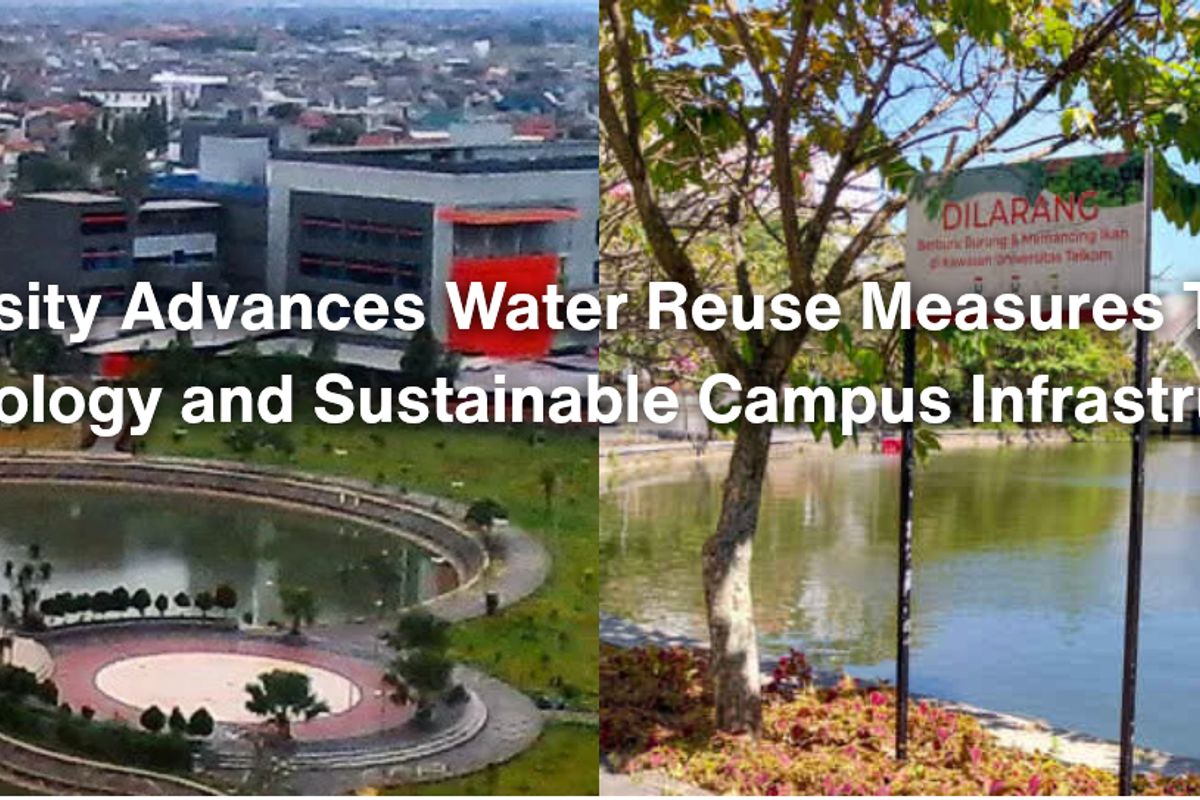
Telkom University’s water reuse policy, set out in rector decrees KR.963/2023 and KR.331/2024, commits the campus to maximising recycled water. Treated STP water, filtered canal water and harvested rainwater are reused for gardens, crops, fish ponds, a recycled-water car wash and greenhouse irrigation, reducing reliance on groundwater.
Telkom University operates a campus-wide waste water treatment system of 6 active STPs and 22 passive IPAL units serving 53 building locations. It includes separate treatment for cafeteria and laboratory wastewater and reuses treated water for gardens, toilets, fish ponds and aquaponics, supporting SDG 6: Clean Water and Sanitation.
Telkom University applies a water reuse measure that tracks harvested rainwater with IoT sensors for volume, pH, turbidity, UV and TDS on a 15 m³ ground tank, and records water retained in ponds and Situ Tekno. Water meters at STP outlets and campus-wide IoT monitoring are planned for 2026.
Telkom University implements an integrated water management system through groundwater monitoring, rainwater harvesting, wastewater treatment, and water reuse initiatives. Supported by sustainable infrastructure and IoT technology, these efforts aim to conserve water resources, maintain water quality, and reduce environmental impacts in support of SDG 6: Clean Water and Sanitation.
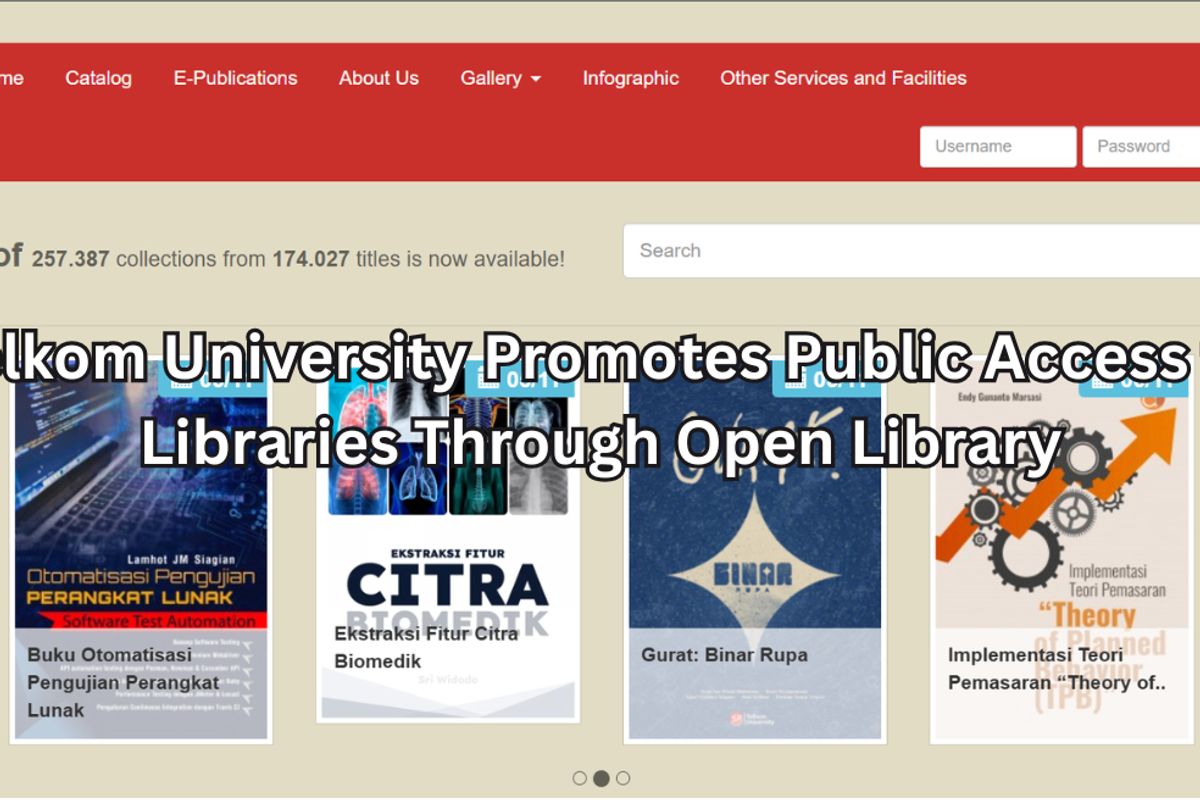
Telkom University expands access to education and knowledge through its Open Library, welcoming both university members and the general public to use designated library facilities and explore selected digital resources. By providing access to academic publications, course materials, and learning spaces, the initiative promotes inclusive education and lifelong learning in support of SDG 4 (Quality Education).
Telkom University ensures free drinking water is provided to students, staff and visitors through eight automated refill dispensers with four-stage filtration (Sedimentation, Pro Carbon, Natural and Nano Positive filters), supplied by tested deep-well water that meets drinking-water standards. This encourages reusable bottles and reduces single-use plastic waste.