Kumpulan update dan informasi terkini seputar SDGs.
2 SDG dipilih
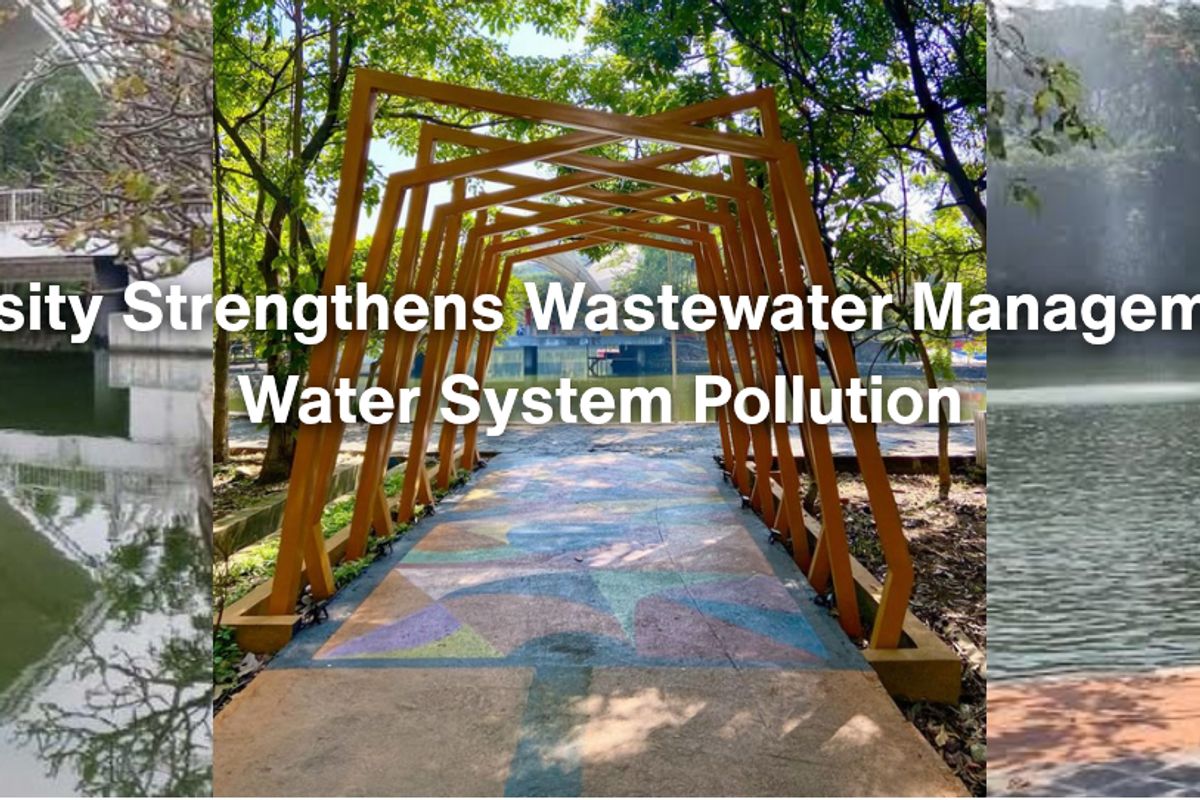
Telkom University operates a campus-wide waste water treatment system of 6 active STPs and 22 passive IPAL units serving 53 building locations. It includes separate treatment for cafeteria and laboratory wastewater and reuses treated water for gardens, toilets, fish ponds and aquaponics, supporting SDG 6: Clean Water and Sanitation.
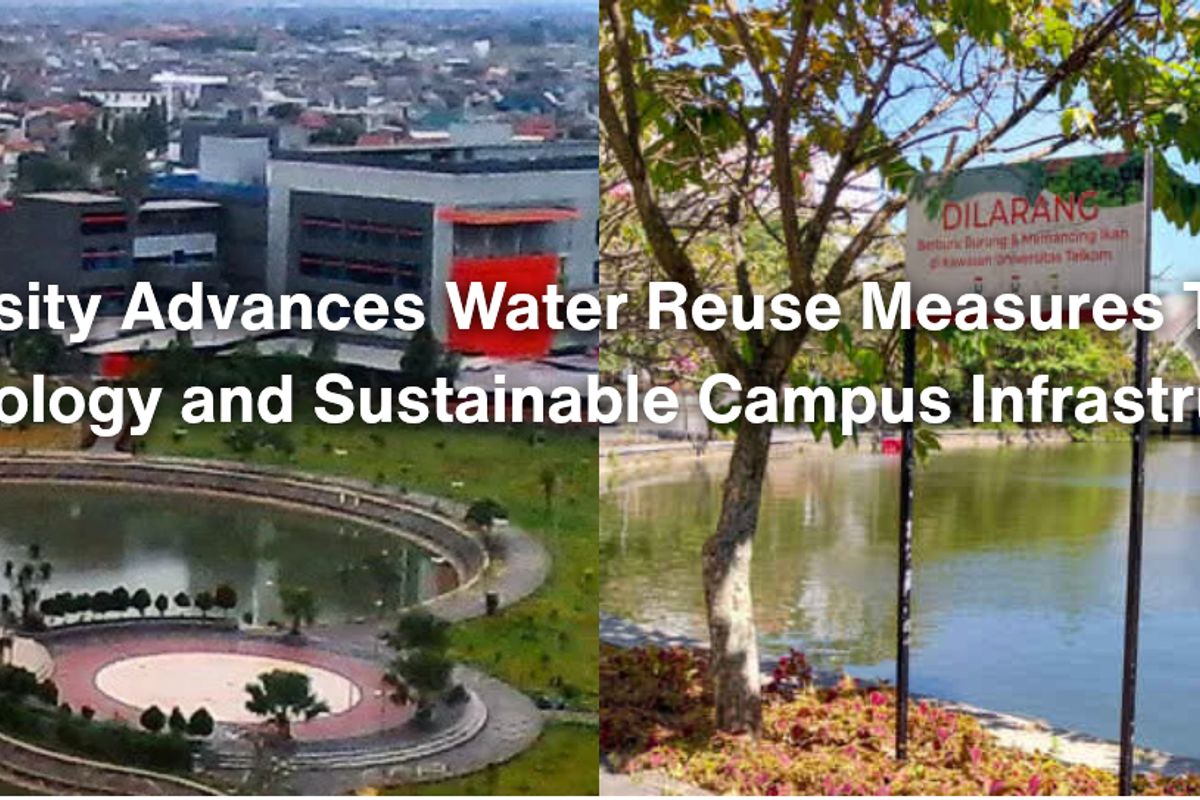
Telkom University applies a water reuse measure that tracks harvested rainwater with IoT sensors for volume, pH, turbidity, UV and TDS on a 15 m³ ground tank, and records water retained in ponds and Situ Tekno. Water meters at STP outlets and campus-wide IoT monitoring are planned for 2026.
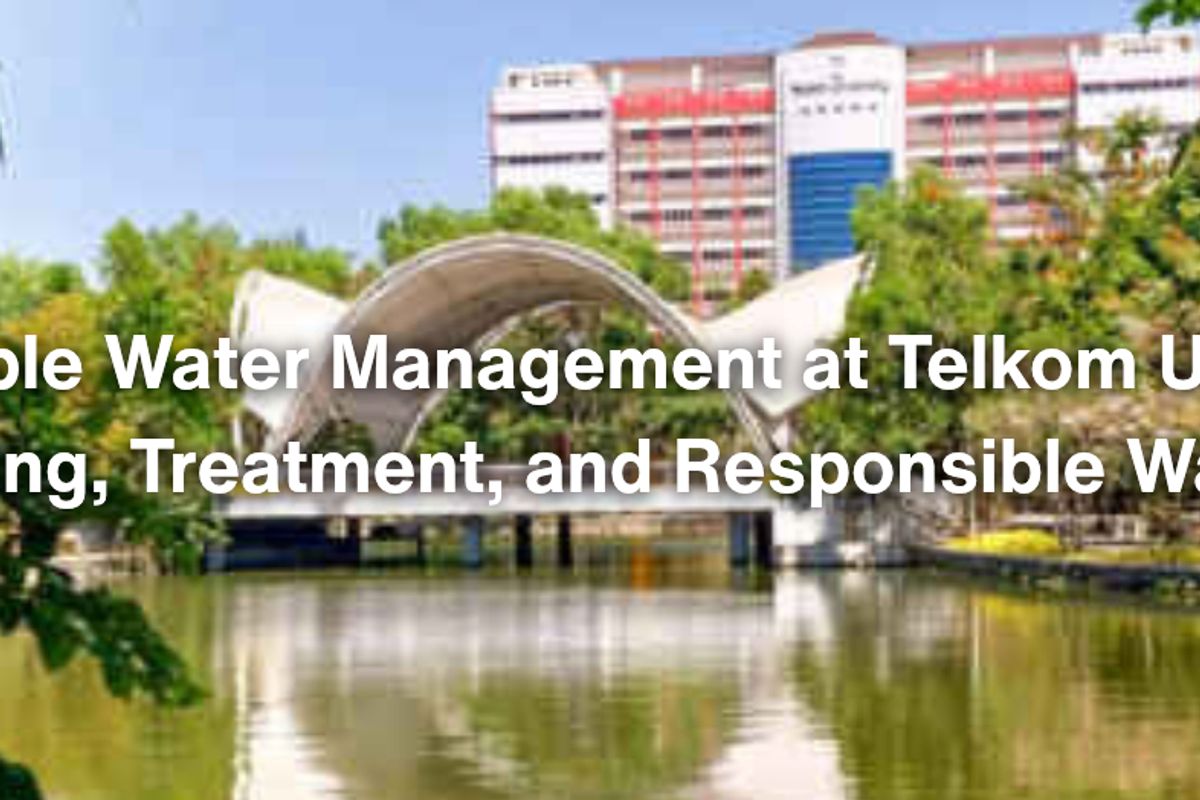
Telkom University implements an integrated water management system through groundwater monitoring, rainwater harvesting, wastewater treatment, and water reuse initiatives. Supported by sustainable infrastructure and IoT technology, these efforts aim to conserve water resources, maintain water quality, and reduce environmental impacts in support of SDG 6: Clean Water and Sanitation.
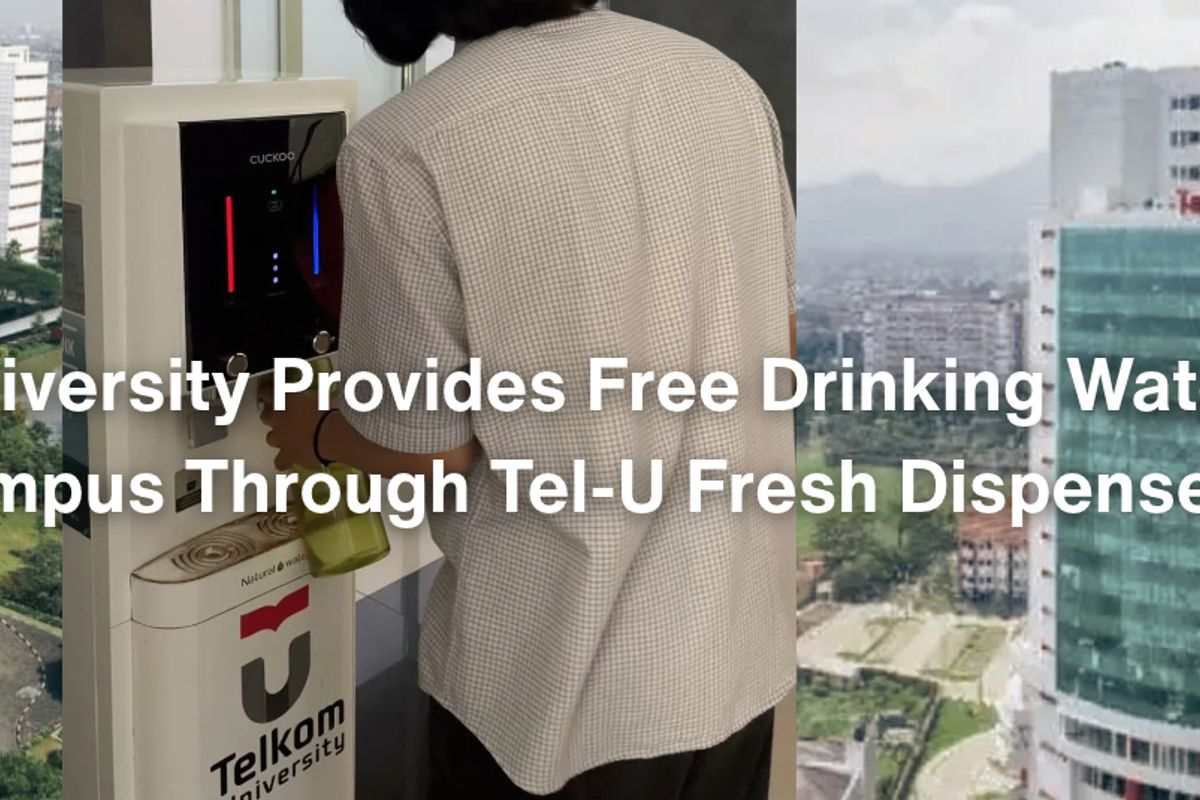
Telkom University ensures free drinking water is provided to students, staff and visitors through eight automated refill dispensers with four-stage filtration (Sedimentation, Pro Carbon, Natural and Nano Positive filters), supplied by tested deep-well water that meets drinking-water standards. This encourages reusable bottles and reduces single-use plastic waste.
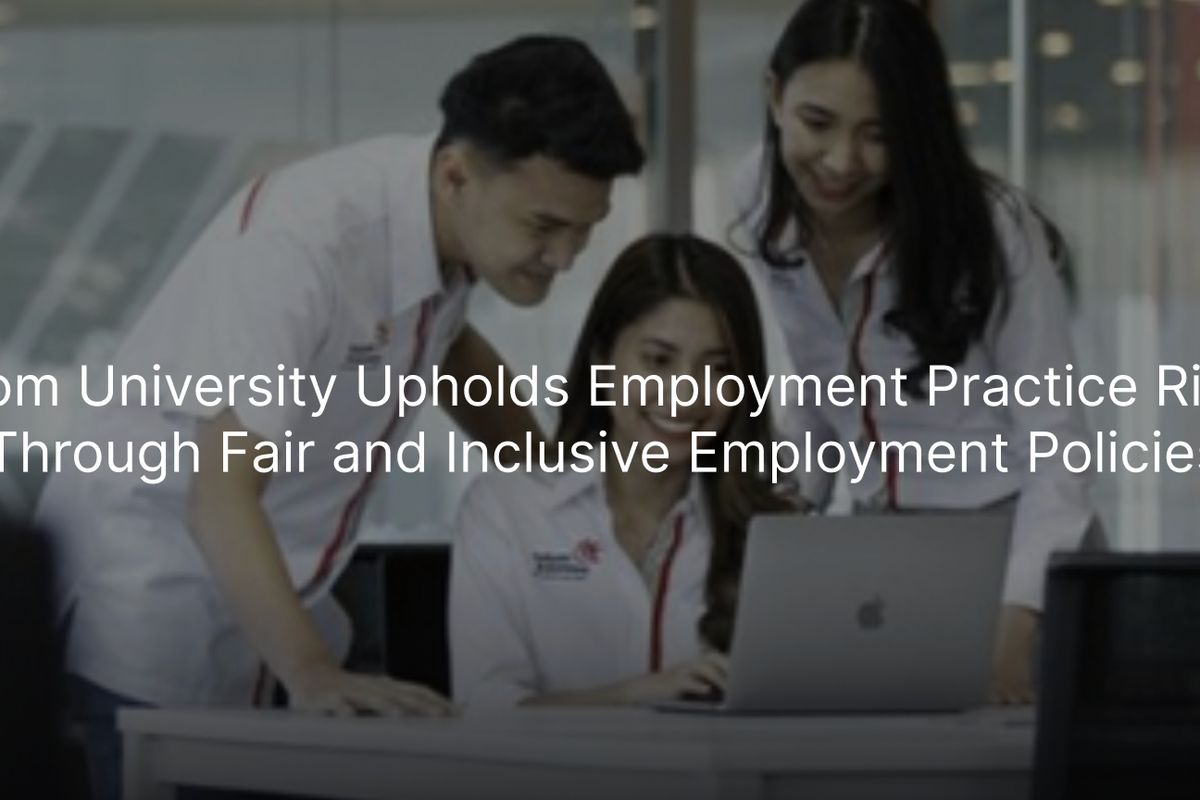
Telkom University upholds employment practice rights by recognising freedom of association and collective bargaining for all lecturers and staff, as set out in its Sustainable Development Strategic Program decree. Employees are represented by AKAR YPT, a union registered with the Bandung City Manpower Office, and women and international staff work under equal, transparent contracts.