Kumpulan update dan informasi terkini seputar SDGs.
1 SDG dipilih
Aligned with SDG 14, Telkom University protects marine ecosystems through IoT-based water quality monitoring for sea turtle conservation, mangrove planting in Indramayu and Pangandaran, coastal clean-ups, and blockchain-based plastic waste management.
Aligned with SDG 13, Telkom University strengthens climate action through carbon stock mapping at 25 locations, drone-based tidal flood mitigation in coastal Cirebon, and disaster preparedness education for young children.
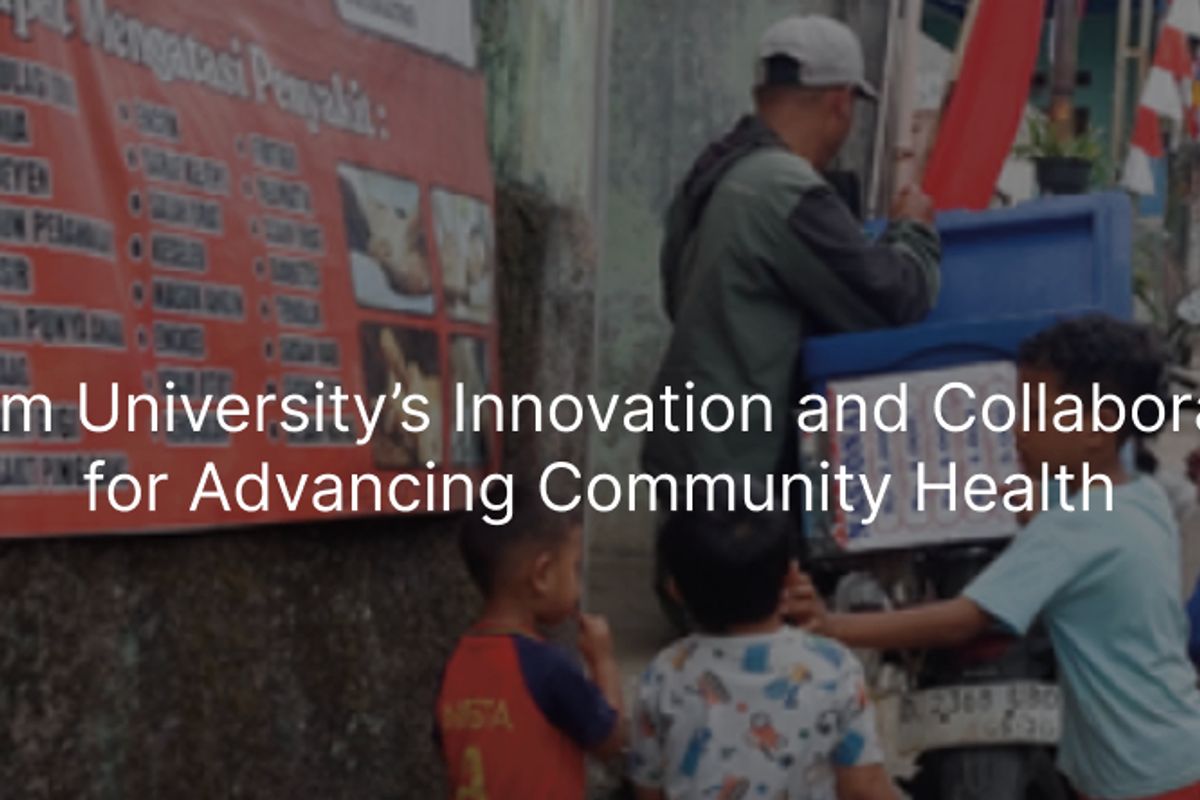
Telkom University’s SDGs Report 2025 highlights its contributions to public health through healthcare research, digital innovation, and community empowerment. From AI-assisted medical diagnostics to a digital stunting-monitoring dashboard that improved intervention processes by up to 30%, these initiatives demonstrate how technology and cross-sector collaboration can support community well-being, contributing to SDG 3 (Good Health and Well-being), SDG 8 (Decent Work and Economic Growth), and SDG 17 (Partnerships for the Goals).
Telkom University expands its international partnerships to strengthen data collection, research, and monitoring for the Sustainable Development Goals (SDGs). Through collaborations with universities and research institutions across various countries, the university develops technology-based solutions for environmental, agricultural, energy, and social challenges while supporting evidence-based decision-making and contributing to SDG 17: Partnerships for the Goals.
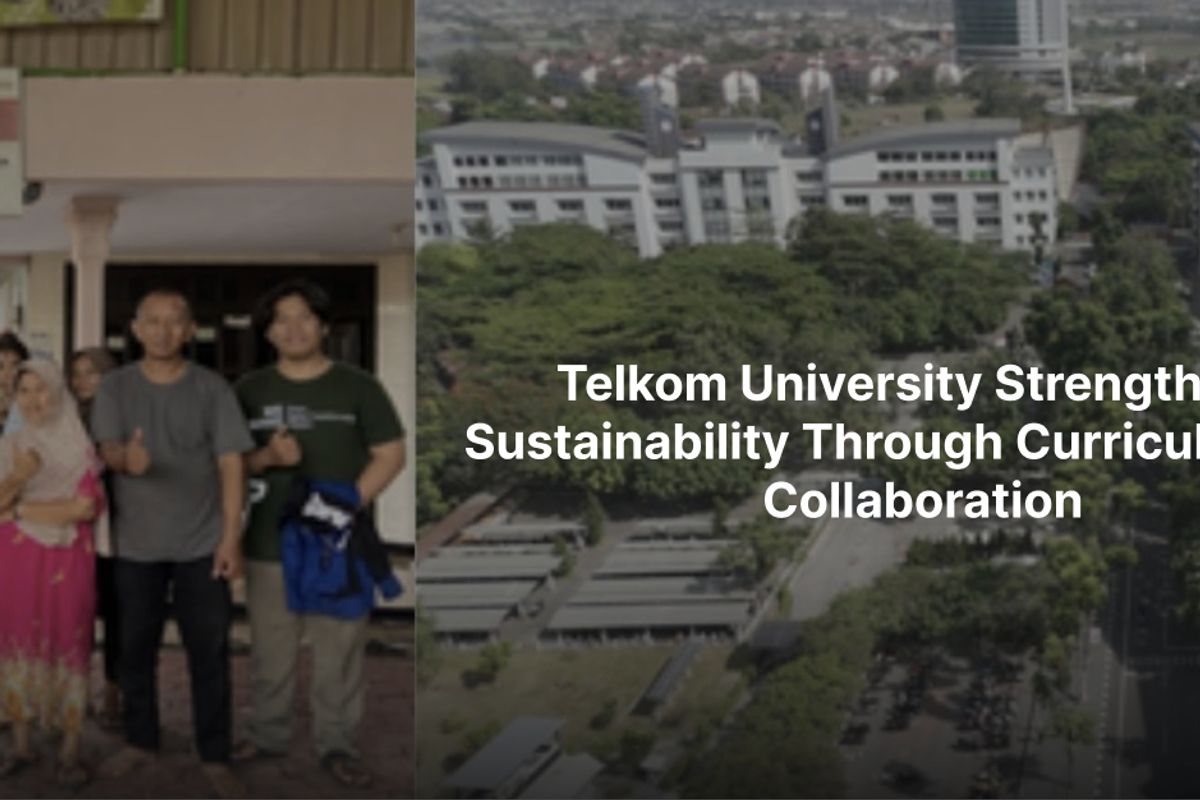
Telkom University integrates sustainability into higher education through specialized courses, interdisciplinary learning, and energy-focused academic programs. By incorporating sustainability principles across its seven faculties and introducing the Bachelor of Energy Systems Engineering program, the university equips students with the knowledge and skills to address environmental and social challenges. Supported by cross-sector collaboration in line with SDG 17 (Partnerships for the Goals), these initiatives connect education with practical solutions for a more sustainable future.
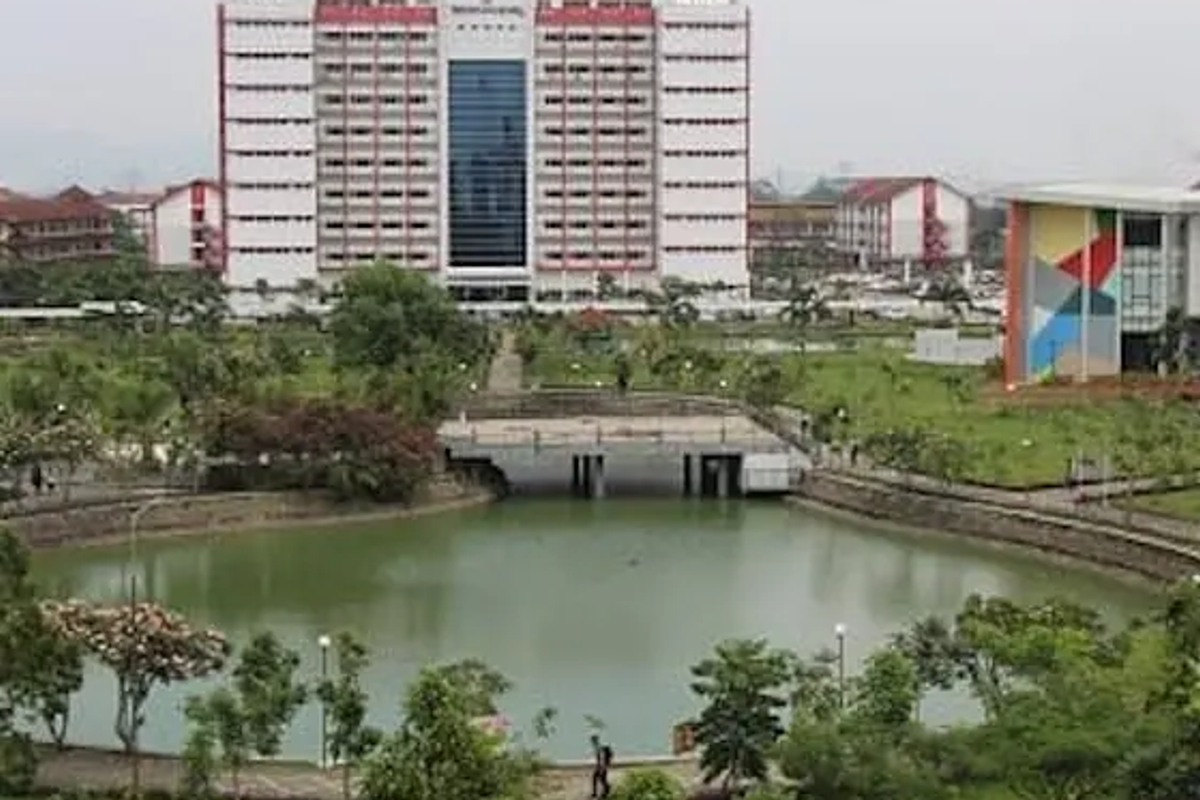
To ensure accurate and sustainable water resource management, Telkom University implements a comprehensive water measurement system across its campus. Each month, the volume of water extracted from individual artesian wells is recorded through water meters installed at each production site. These measurements are subsequently compiled to monitor overall water consumption throughout the university.
Rivers, canals and coastlines do not stop at a university's boundary, and neither does Telkom University's work to protect them. In 2024 and 2025, its lecturers and students worked side by side with riverbank residents, village governments, fishing communities and turtle conservation groups to look after the waters they share. The collaborations range from the Cikapundung River watershed, which feeds the irrigation canal running through the campus, to neighbouring villages in Dayeuhkolot and Bojongsoang and coastal communities in East Java, Yogyakarta and Lampung. They are funded through the university's community service grants, the Ministry of Education, Culture, Research and Technology, and Telkom Indonesia's Innovillage and CSR programmes.
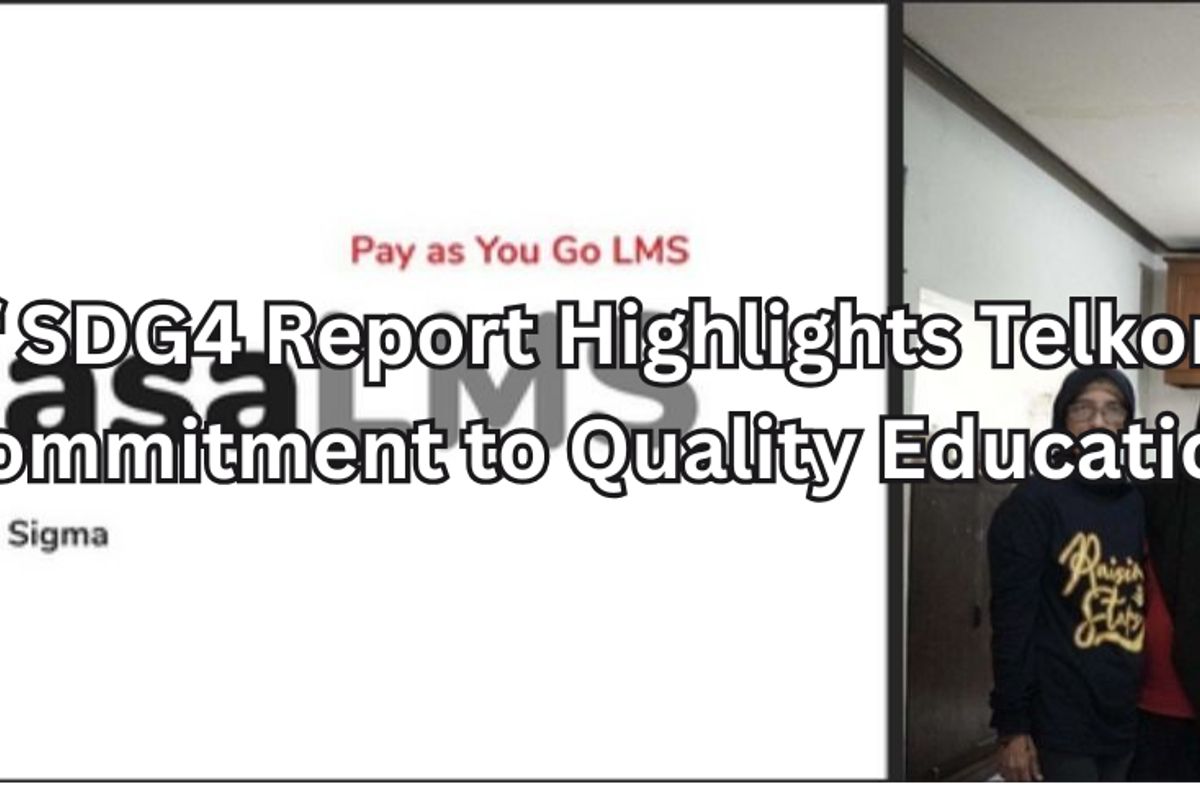
Telkom University’s SDGs Report 2025 highlights its commitment to inclusive and equitable education through collaborations that develop accessible digital learning platforms and assistive technologies. From ANGKASA LMS, developed with Telkom Sigma, to the Down Syndrome Tracker in partnership with POTADS West Java, these initiatives expand learning opportunities and support inclusive education through cross-sector collaboration, contributing to SDG 4 (Quality Education) and SDG 17 (Partnerships for the Goals).
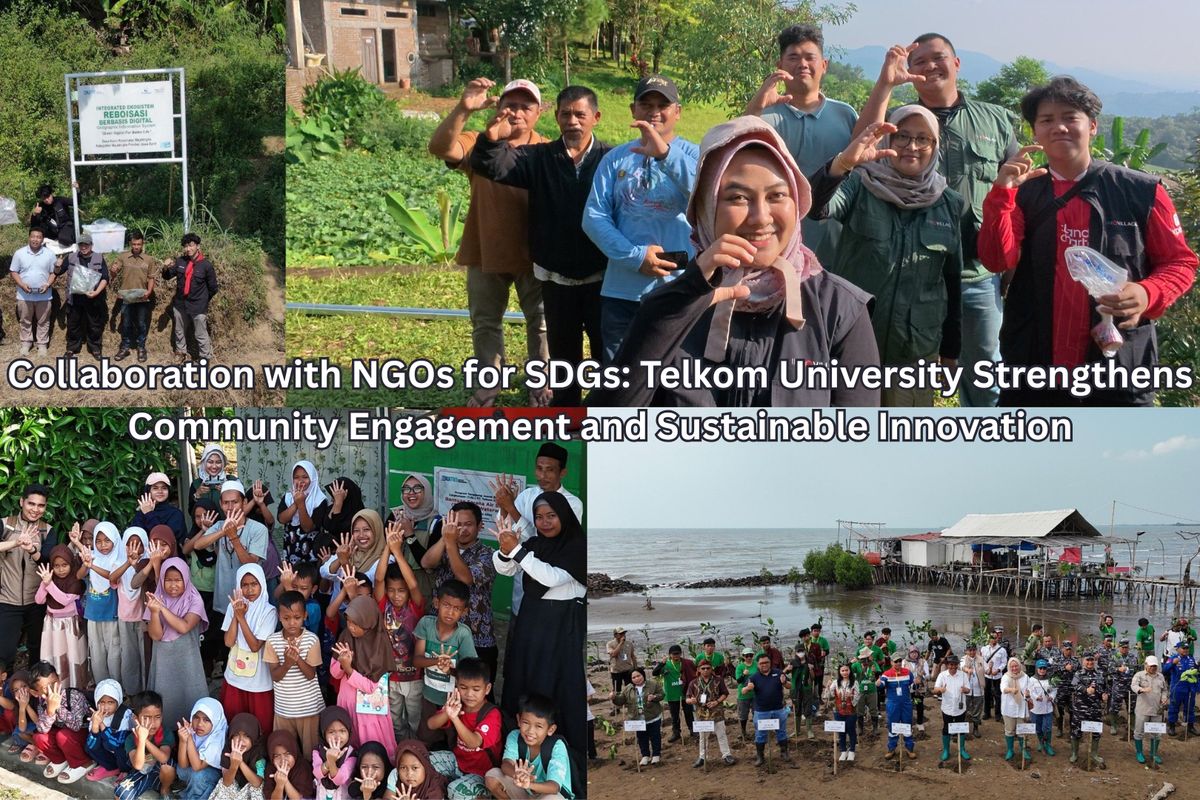
Telkom University continues to advance the Sustainable Development Goals (SDGs) through collaboration with non-governmental organisations (NGOs), community groups, and social enterprises. By combining student volunteering, joint research, and educational resource development, the university connects academic expertise with practical solutions to environmental and social challenges. This collaboration with NGOs for SDGs reflects the university’s commitment to SDG 17, Partnerships for the Goals, while supporting progress in quality education, environmental conservation, innovation, and inclusive economic development. Through these partnerships, sustainability initiatives are translated into activities that respond to community needs and create opportunities for long-term impact.
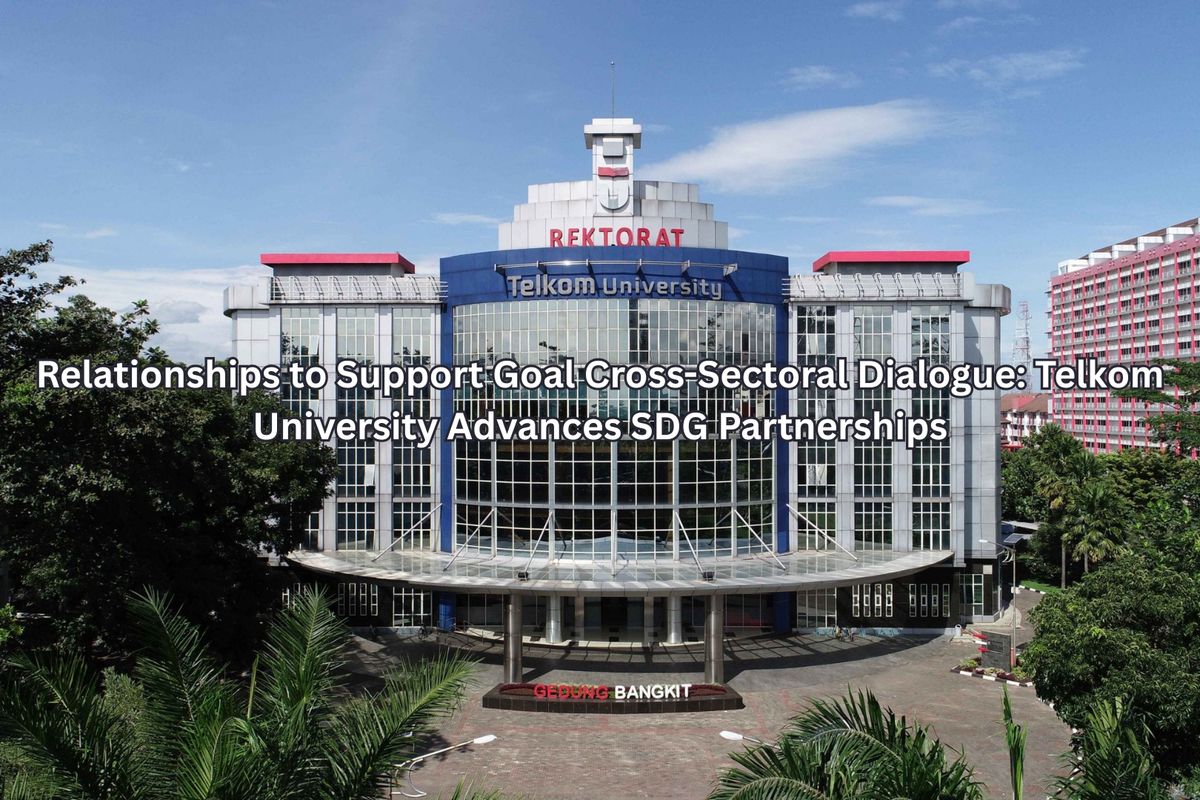
Telkom University strengthens SDG 17 (Partnerships for the Goals) by fostering cross-sectoral dialogue among government institutions, universities, industries, NGOs, and communities through its SDGs Center and Bandung Techno Park. From contributing to regional SDG policy planning and village development initiatives to supporting entrepreneurship and international ICT collaboration through ASEAN IVO, the university connects research, policy, and technological innovation to address shared sustainability challenges. These partnerships turn knowledge exchange into collaborative action, supporting inclusive development and progress towards the SDGs at local, national, and international levels.
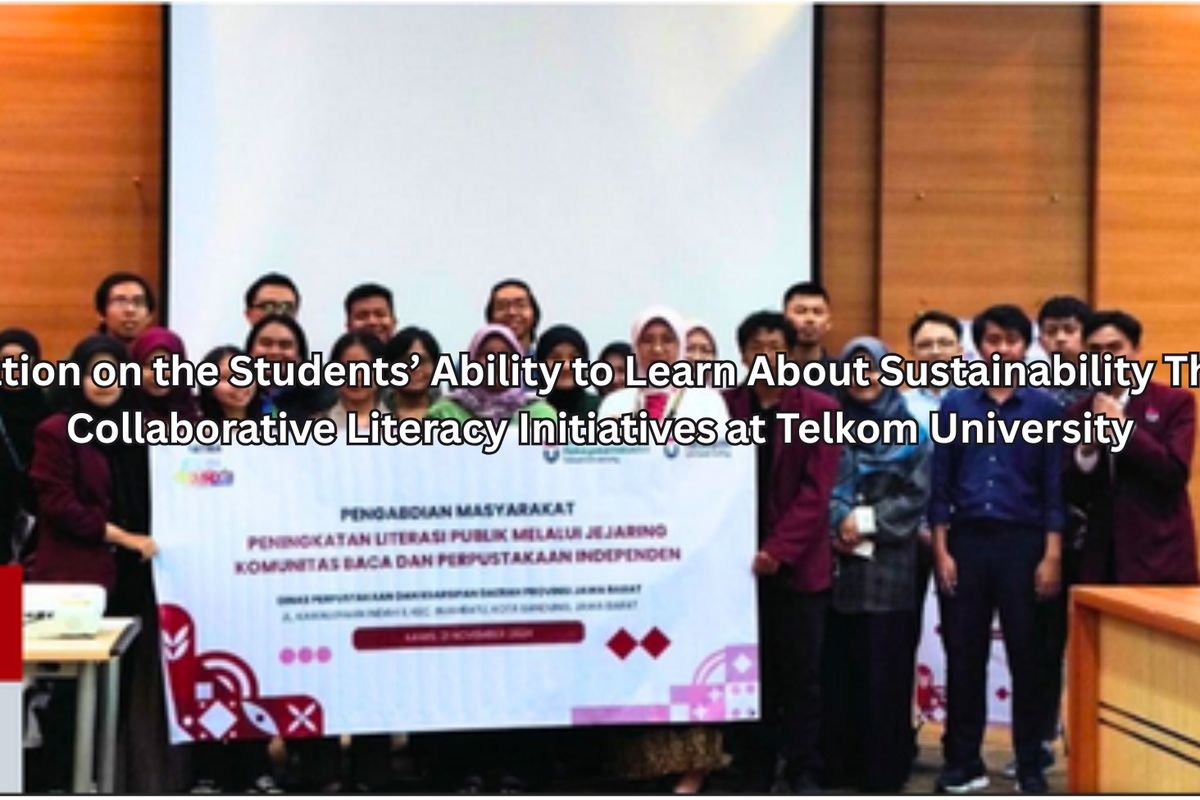
Telkom University continues to promote student sustainability literacy through educational activities, sustainability-related coursework, and active participation in programs aligned with the United Nations Sustainable Development Goals (SDGs). These efforts aim to enhance students’ understanding of sustainable development, including environmental protection, climate change, responsible consumption, waste management, social inclusion, and sustainable innovation. Sustainability literacy is an important foundation for preparing students to understand and contribute to addressing environmental and social challenges at both local and global levels.
Telkom University strengthens cross-sectoral collaboration through its SDGs Center and Bandung Techno Park, connecting government institutions, universities, industries, NGOs, and communities. Through national policy discussions, regional development planning, entrepreneurship programs, and international partnerships, the university promotes knowledge exchange and collaborative solutions to advance sustainable development in support of SDG 17: Partnerships for the Goals.