Kumpulan update dan informasi terkini seputar SDGs.
3 SDG dipilih
Under Rector's Decree KR.331/ORG01/SPS-P3I/2024, new buildings at Telkom University must follow energy-saving and sustainable building standards, and the latest assessment shows that buildings meeting smart building criteria cover 89.22% of the university's total building area.
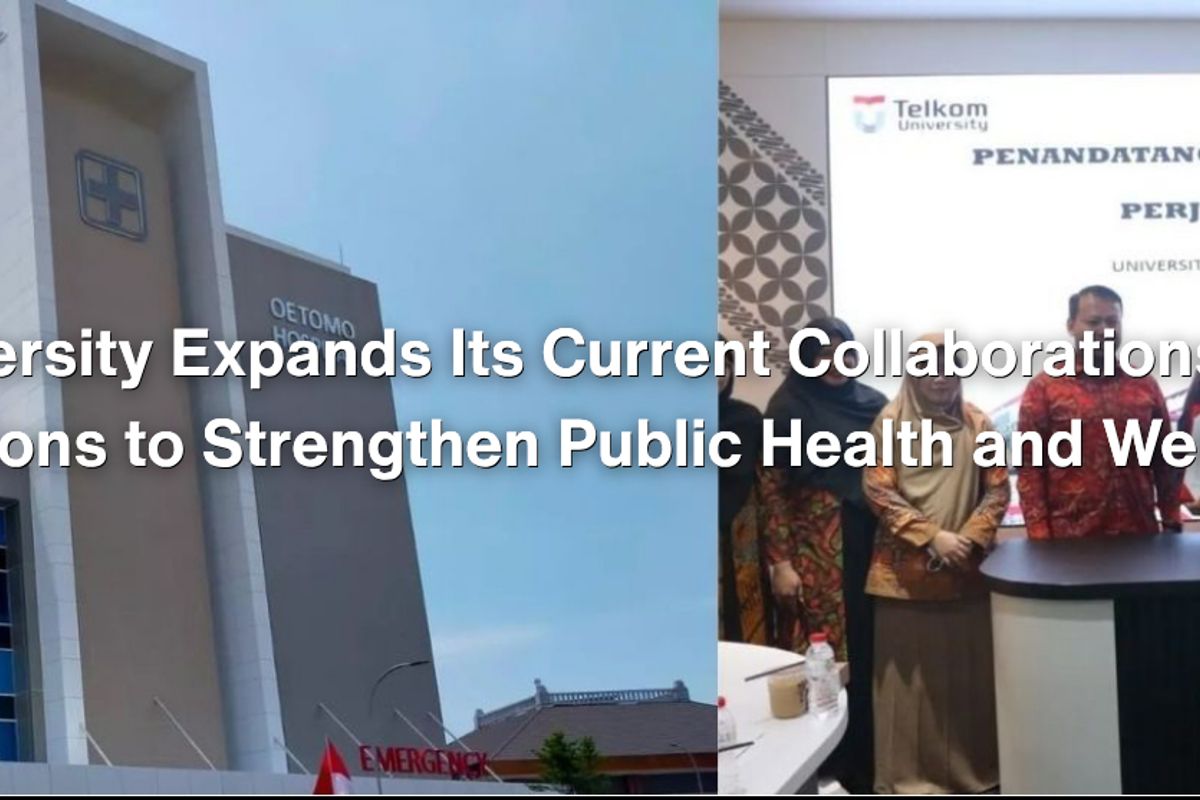
Telkom University strengthens current collaborations with health institutions through a partnership with RSUD Oto Iskandar Di Nata Soreang and a digital health research agreement with Yakes Telkom. It is also piloting its AI clinical copilot HeyAI with pharmacists and health facilities across Indonesia, and hosting the international IBITeC 2026 biomedical conference with IEEE, advancing SDG 3: Good Health and Well-being.
In 2025, Telkom University ran 43 energy and community programmes to learn clean energy. Activities ranged from household energy-efficiency education and solar panel installation in schools and pesantren to electric bicycle conversion training, solar-powered farming tools and a biogas digester for farmers, helping communities save energy and adopt renewable sources.
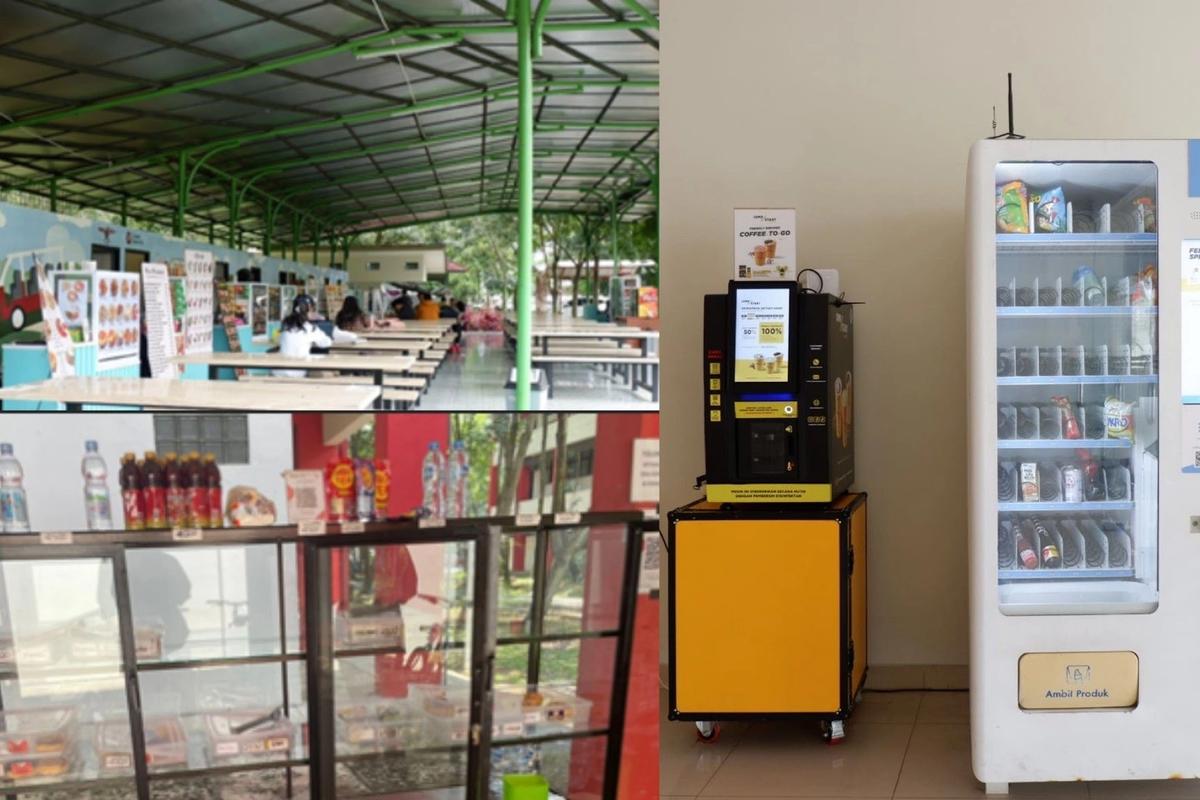
Telkom University strengthens campus food security and student welfare through various initiatives, including free meal programs, affordable dining facilities, nutrition education, and local food innovation. These efforts promote access to safe and nutritious food while supporting SDG 2: Zero Hunger and SDG 3: Good Health and Well-Being.
Telkom University gives all students access to health care through its student health insurance programme with TelkoMedika, a 24-hour campus clinic, confidential WhatsApp doctor consultations and referrals to partner hospitals. In January 2025, around 1,000 students joined the “Safe Campus Vibes” webinar on preventing sexual violence, which introduced the PPKPT hotline.
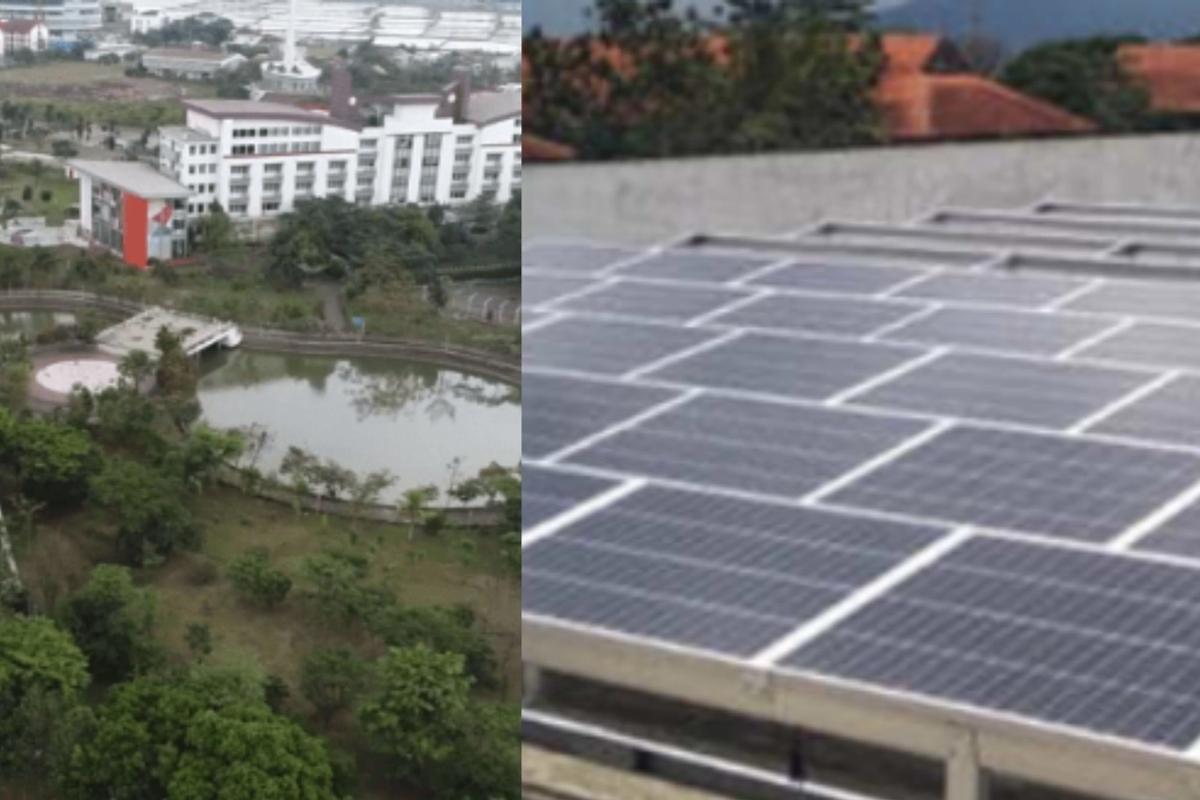
Telkom University advances its Energy Efficiency Plan through renewable energy development, smart energy management, and campus greening initiatives. With solar power installations, wind and biogas projects, IoT-based monitoring systems, and the preservation of nine campus forests, the university promotes efficient energy use and carbon reduction in support of SDG 7: Affordable and Clean Energy, SDG 11: Sustainable Cities and Communities, and SDG 13: Climate Action.
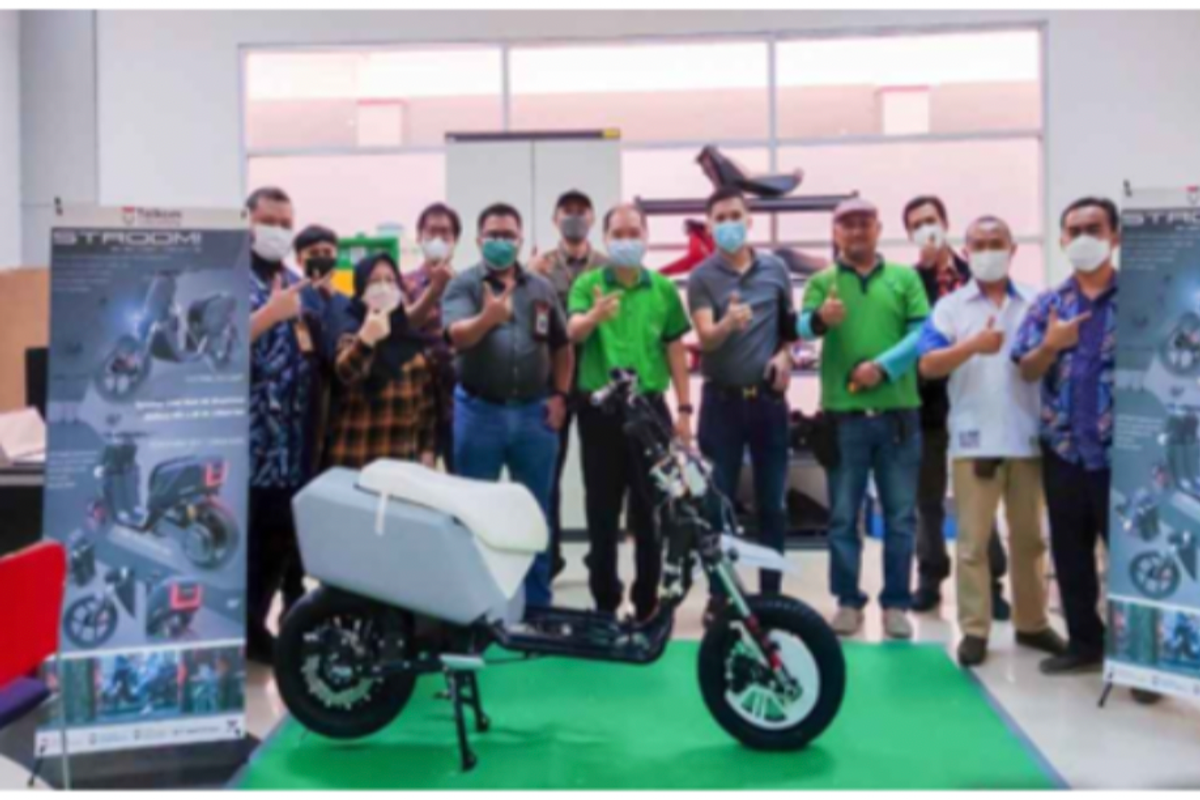
Telkom University supports the development of clean and affordable energy (SDG 7) through innovative technologies and sustainable campus initiatives. The university implements renewable energy solutions such as solar panels and electric vehicles while empowering communities through waste-to-energy projects. Dr. Muhammad Ary Murti from the Faculty of Electrical Engineering developed the Intelligent Energy Management System (IEMS), an IoT-based tool for real-time energy monitoring and audits. In collaboration with Volta, Tel-U also established an Electric Vehicle Research Lab and successfully converted conventional motorcycles into electric ones. In 2023, the university further advanced this mission through 31 research publications on renewable energy and sustainable technology.