Kumpulan update dan informasi terkini seputar SDGs.
3 SDG dipilih
Telkom University applies water-conscious building standards, fitting new buildings with dual-flush toilets, installing sensor and push taps, and making showers standard in dormitories housing 7,000 students. Water-saving devices now make up 73% of campus fixtures, supported by rainwater harvesting and IoT monitoring.
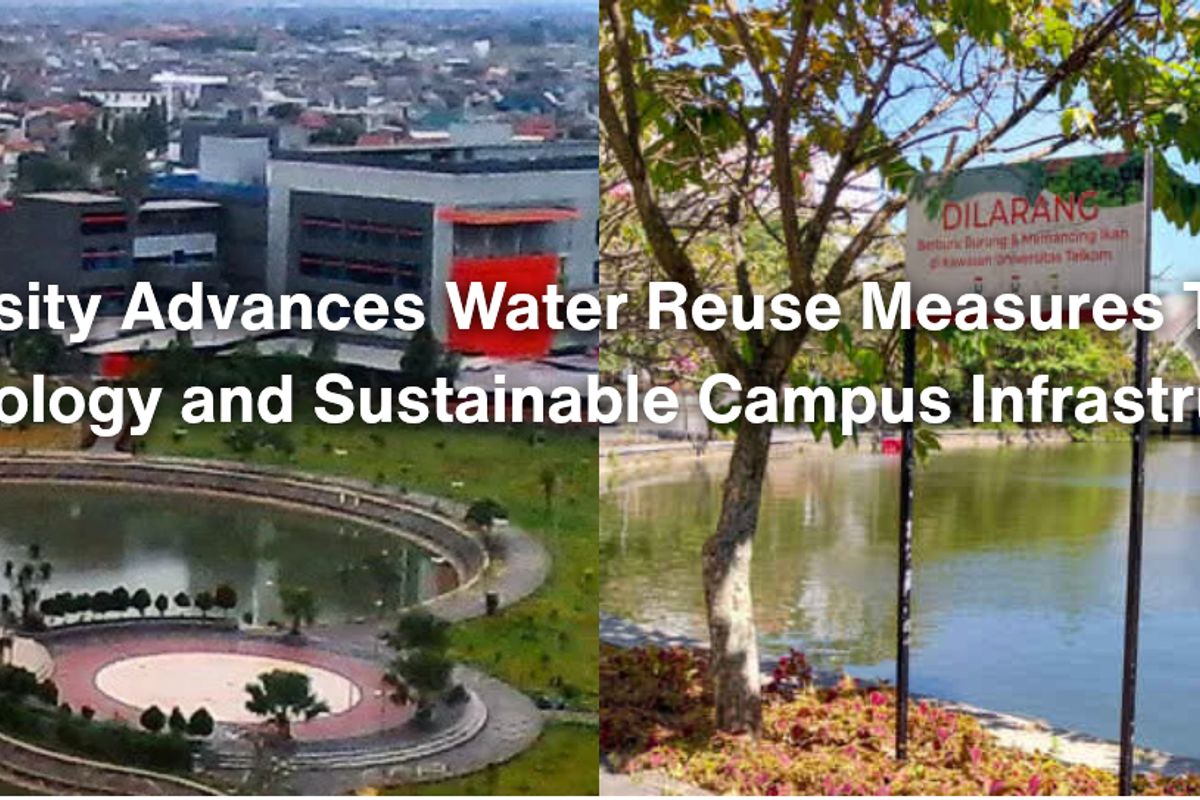
Telkom University’s water reuse policy, set out in rector decrees KR.963/2023 and KR.331/2024, commits the campus to maximising recycled water. Treated STP water, filtered canal water and harvested rainwater are reused for gardens, crops, fish ponds, a recycled-water car wash and greenhouse irrigation, reducing reliance on groundwater.
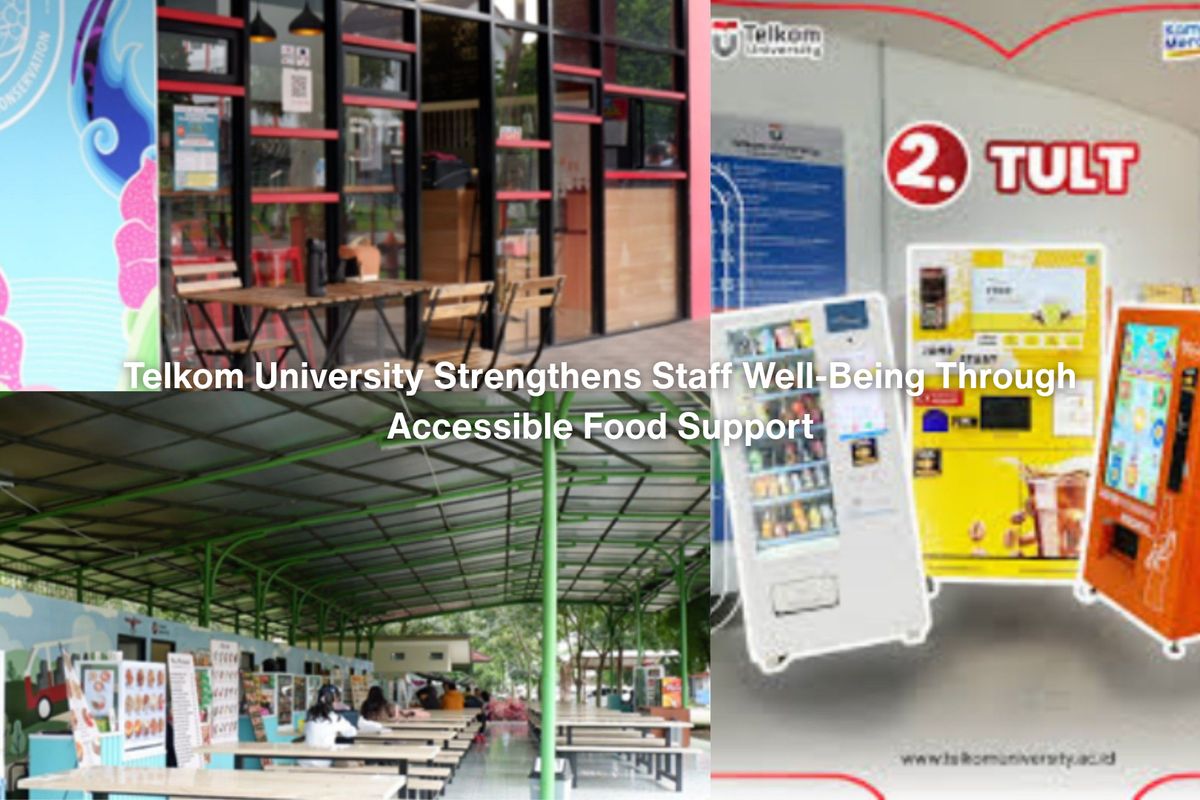
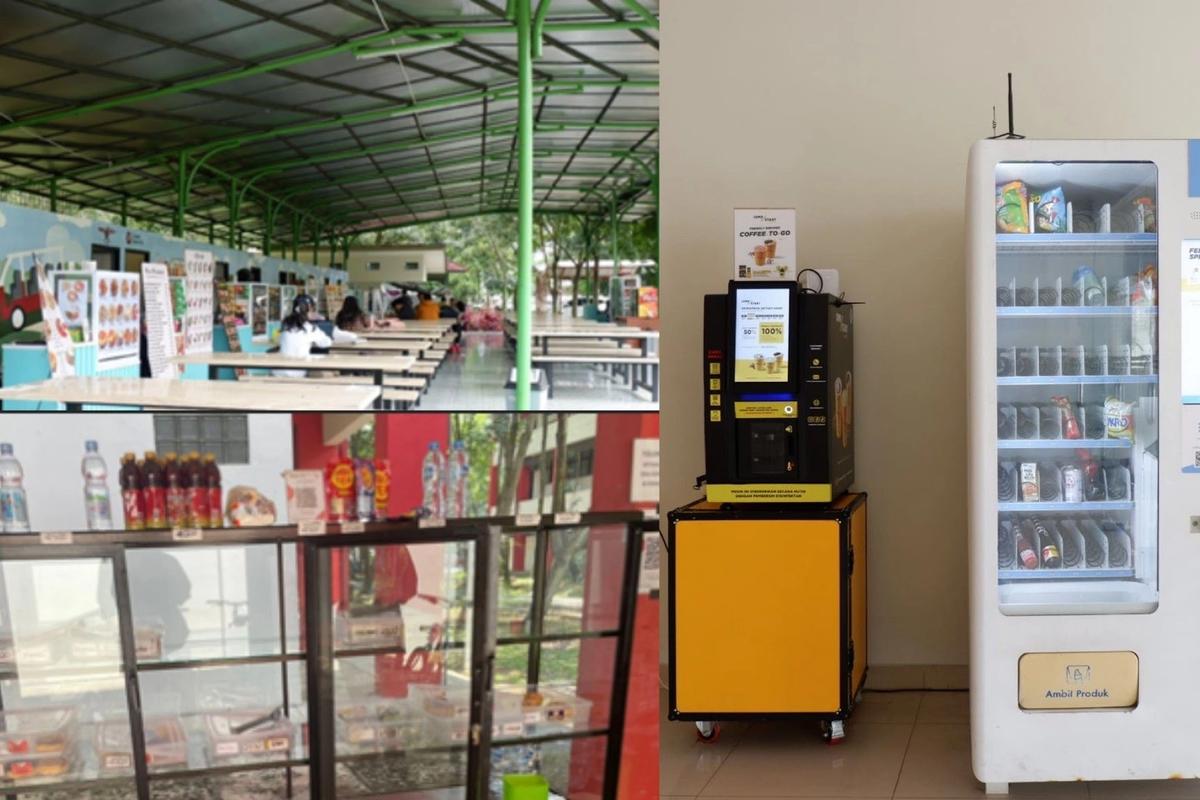
Telkom University supports employee welfare and food security through various workplace initiatives, including food tenants, office pantries, food banks, vending machines, meeting refreshments, and monthly meal allowances. These efforts aim to ensure convenient access to food while promoting a healthy and supportive working environment in line with SDG 2: Zero Hunger and SDG 3: Good Health and Well-Being.
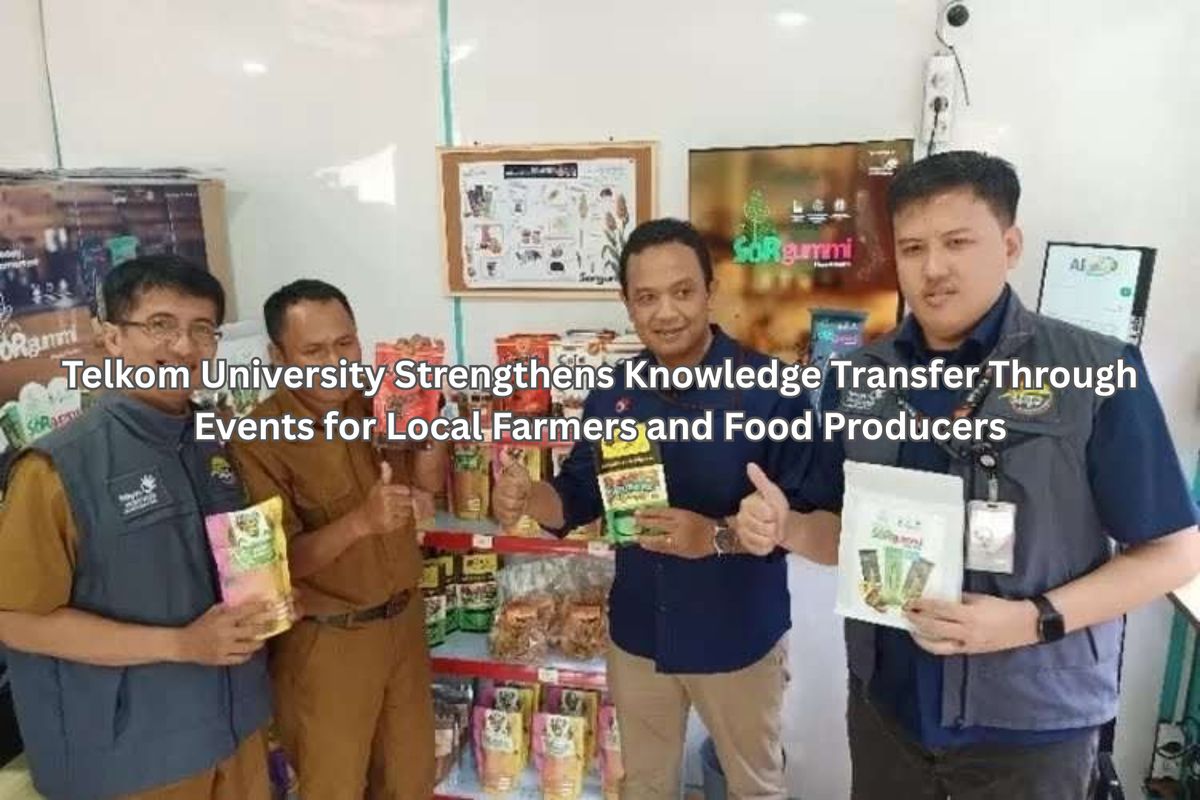
In 2025, Telkom University held at least 24 events for local farmers and food producers across West, Central and East Java, reaching farmer groups, fish farmers, livestock farmers and small food businesses. The events ran from pest and disease education at the Selaawi Agricultural Extension Centre and LoRa-based irrigation training to aquaculture business management, processing of fish, milk and coconut sugar, and halal certification support. They gave local producers practical skills and a place to connect with university experts and with one another, supporting SDG 2, SDG 12 and SDG 14.
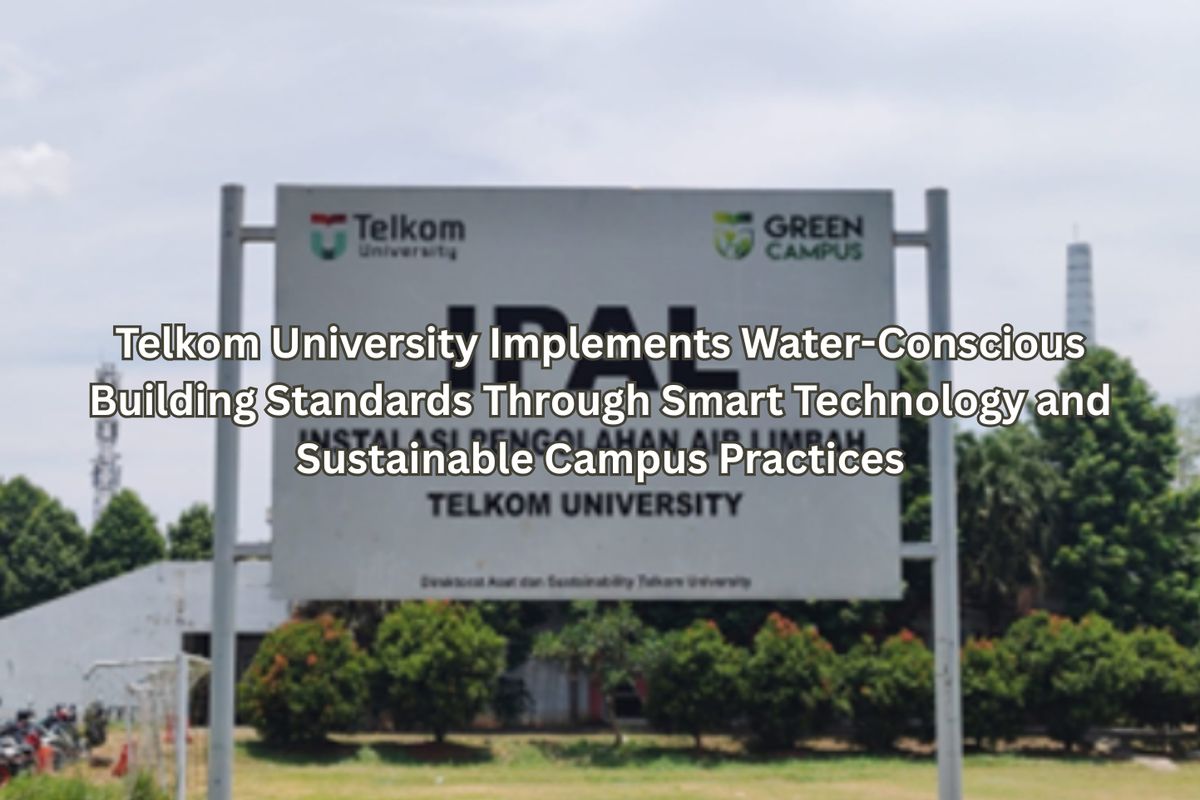
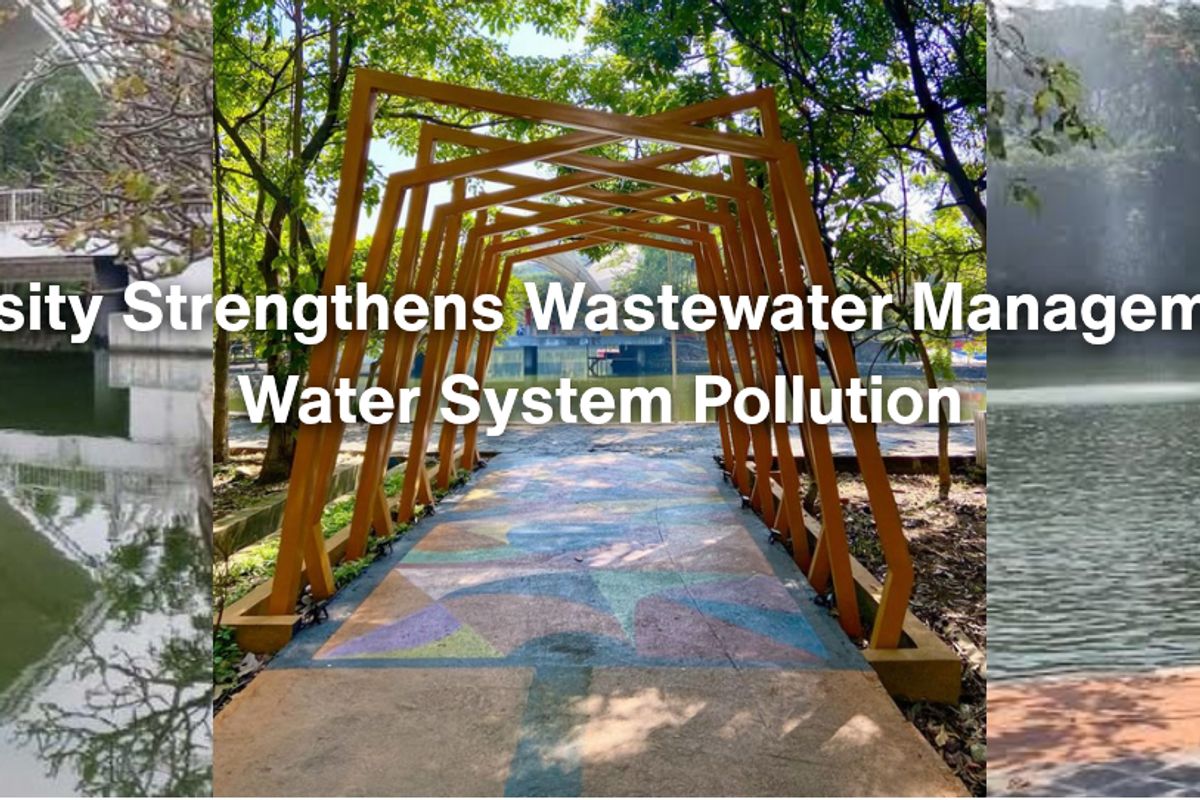
Telkom University operates a campus-wide waste water treatment system of 6 active STPs and 22 passive IPAL units serving 53 building locations. It includes separate treatment for cafeteria and laboratory wastewater and reuses treated water for gardens, toilets, fish ponds and aquaponics, supporting SDG 6: Clean Water and Sanitation.
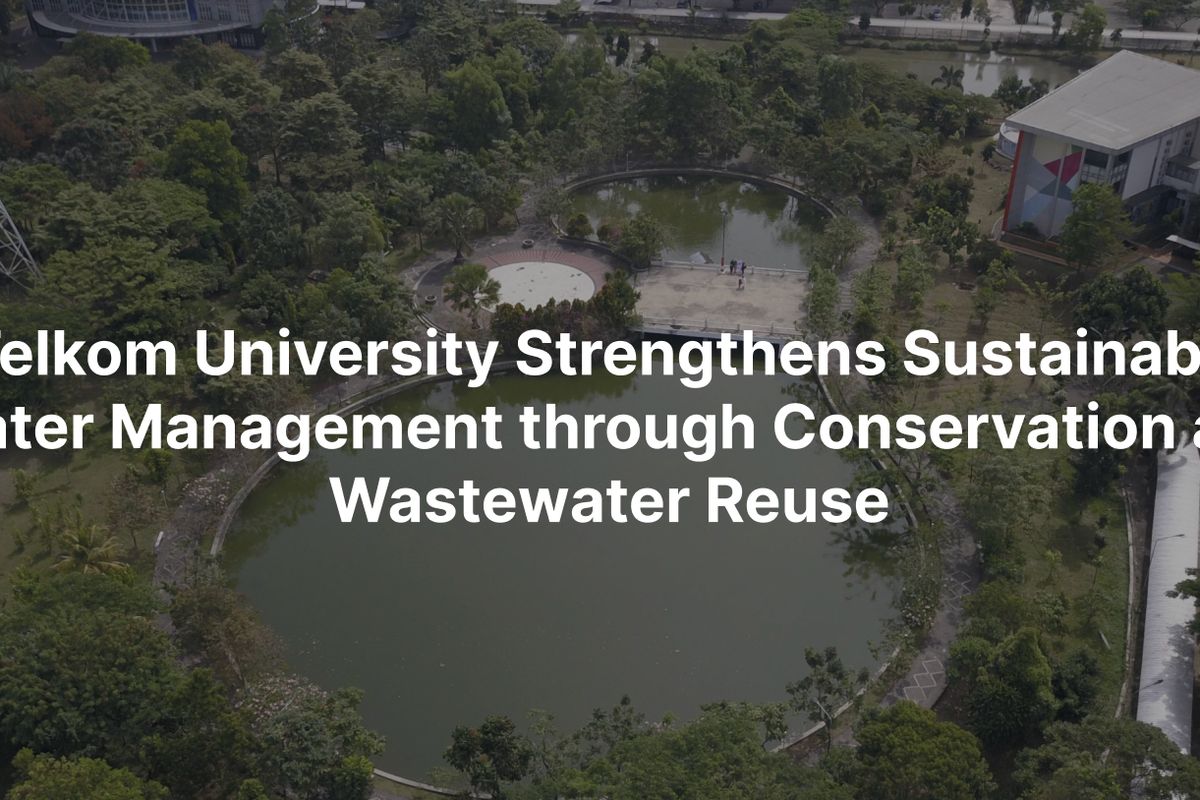
Telkom University applies a water reuse measure that tracks harvested rainwater with IoT sensors for volume, pH, turbidity, UV and TDS on a 15 m³ ground tank, and records water retained in ponds and Situ Tekno. Water meters at STP outlets and campus-wide IoT monitoring are planned for 2026.
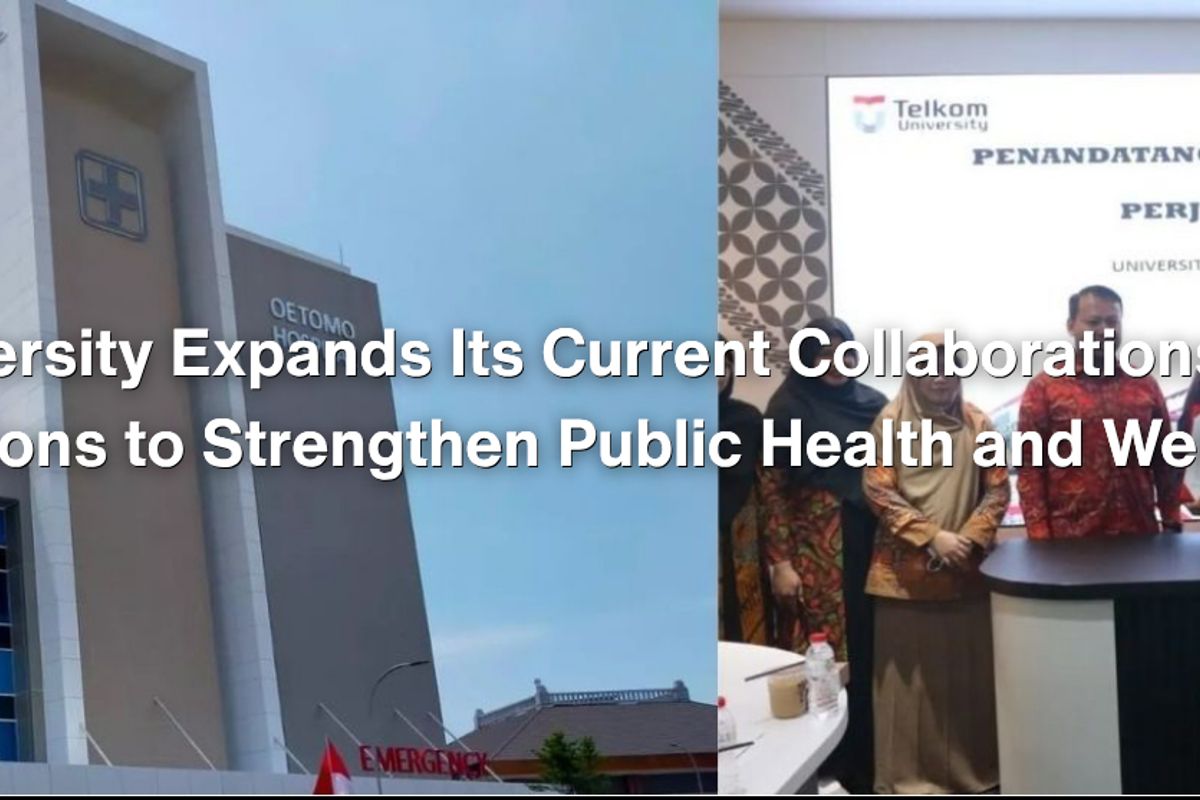
Telkom University strengthens current collaborations with health institutions through a partnership with RSUD Oto Iskandar Di Nata Soreang and a digital health research agreement with Yakes Telkom. It is also piloting its AI clinical copilot HeyAI with pharmacists and health facilities across Indonesia, and hosting the international IBITeC 2026 biomedical conference with IEEE, advancing SDG 3: Good Health and Well-being.
Telkom University implements an integrated water management system through groundwater monitoring, rainwater harvesting, wastewater treatment, and water reuse initiatives. Supported by sustainable infrastructure and IoT technology, these efforts aim to conserve water resources, maintain water quality, and reduce environmental impacts in support of SDG 6: Clean Water and Sanitation.
Telkom University strengthens campus food security and student welfare through various initiatives, including free meal programs, affordable dining facilities, nutrition education, and local food innovation. These efforts promote access to safe and nutritious food while supporting SDG 2: Zero Hunger and SDG 3: Good Health and Well-Being.
Telkom University gives all students access to health care through its student health insurance programme with TelkoMedika, a 24-hour campus clinic, confidential WhatsApp doctor consultations and referrals to partner hospitals. In January 2025, around 1,000 students joined the “Safe Campus Vibes” webinar on preventing sexual violence, which introduced the PPKPT hotline.
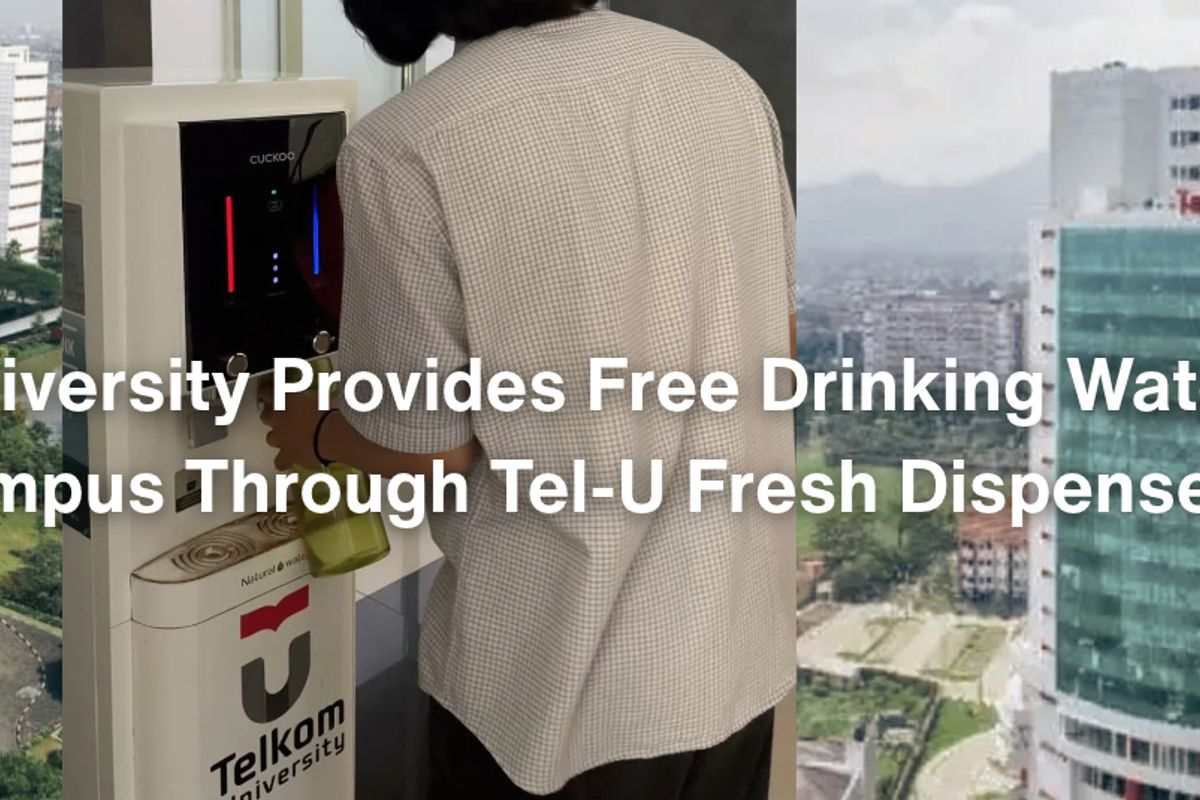
Telkom University ensures free drinking water is provided to students, staff and visitors through eight automated refill dispensers with four-stage filtration (Sedimentation, Pro Carbon, Natural and Nano Positive filters), supplied by tested deep-well water that meets drinking-water standards. This encourages reusable bottles and reduces single-use plastic waste.