THE Sustainability Impact Ratings 2026
30 Desember 2024
2 menit
Dilihat 0x
Empowering Digital Economies: Telkom University’s Collaborative Initiatives for SDG 8
Through the SDGs Report 2024, Telkom University demonstrates its strong commitment to sustainable development by publishing progress against SDG 8 – Decent Work and Economic Growth, both individually ...
SPenulis: SDGS Telkom UniversitySEditor: SDGS Telkom University
Through the SDGs Report 2024, Telkom University demonstrates its strong commitment to sustainable development by publishing progress against SDG 8 – Decent Work and Economic Growth, both individually and as part of its annual sustainability report. This effort underscores the university’s strategic focus on fostering inclusive economic growth, digital entrepreneurship, and technological innovation that empower communities and drive national progress.
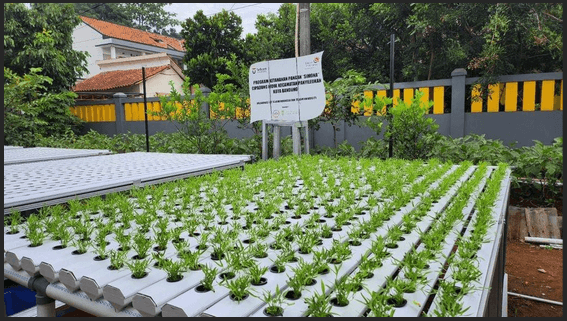
In alignment with SDG 8, Telkom University has implemented technology-driven solutions to enhance productivity and community welfare, particularly in the agriculture and MSME sectors. A flagship initiative in this regard is SiMonA (Smart Integrated Monitoring for Agriculture), an Internet of Things (IoT)–based platform designed to help farmers increase productivity and efficiency. SiMonA utilizes real-time data on soil conditions, humidity, weather, and crop growth to provide actionable insights for irrigation, fertilization, and harvest prediction. By empowering farmers with data-based decision-making, the system improves crop yields, reduces environmental risks, and supports sustainable agricultural practices. Moreover, SiMonA fosters digital economic ecosystems by connecting farmers with online marketplaces and investors, strengthening the foundation for sustainable rural economies.
Through the implementation of SiMonA and other community innovation programs, Telkom University contributes to job creation and digital entrepreneurship, helping farmers and rural communities adapt to the evolving digital economy. These initiatives promote equitable income distribution and inclusive growth, core principles of SDG 8.
The Faculty of Economics and Business has also developed impactful initiatives to empower MSMEs in Pati Regency, Central Java, through training in financial literacy, branding, and digital marketing. Meanwhile, the Faculty of Creative Industries promotes sustainable employment and circular economy practices via the Digital for Everyone (D4E) project and the Upcycling Innovation Laboratory in Bandung, encouraging students and entrepreneurs to develop environmentally responsible creative ventures.
Additionally, Telkom University leverages its Digital Collaboration for Sustainability (DCS) and SDGs Center to strengthen cross-sectoral partnerships among academia, businesses, government, civil society, and the media. Through this penta-helix collaboration model, the university promotes innovation, entrepreneurship, and small business development at both local and national levels.
By embedding the Publication of SDG Reports – per SDG approach, Telkom University ensures transparency, accountability, and measurable progress toward SDG 8, reinforcing its role as a leading institution in digital innovation, sustainable entrepreneurship, and inclusive economic growth for a resilient and equitable future.
#THE Sustainability Impact Ratings 2026
Bagikan Artikel
0Komentar