THE Sustainability Impact Ratings 2026
17 September 2024
3 menit
Dilihat 0x
Ensuring Sustainable Campus Growth through Environmentally Responsible Development at Telkom University
In every stage of its physical and infrastructural development, Telkom University remains firmly committed to adhering to national standards for sustainable and environmentally responsible constructio...
SPenulis: SDGS Telkom UniversitySEditor: SDGS Telkom University
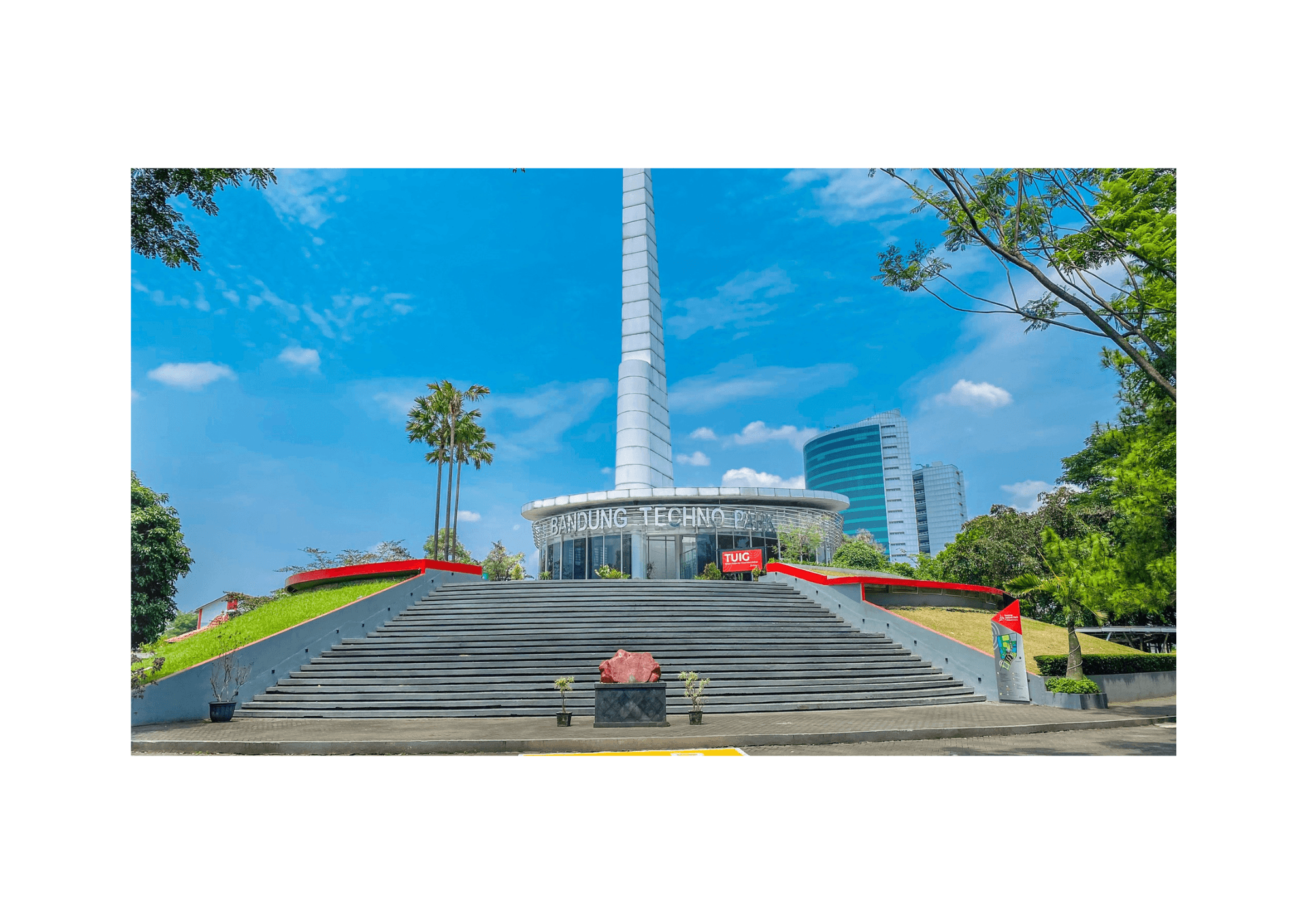
In every stage of its physical and infrastructural development, Telkom University remains firmly committed to adhering to national standards for sustainable and environmentally responsible construction. Before undertaking any new development, the university conducts a comprehensive environmental evaluation to ensure that all projects contribute positively to the well-being of the community and the surrounding ecosystem.
This commitment reflects Telkom University’s dedication to balancing innovation and infrastructure growth with environmental preservation, ensuring that future campus expansions align with sustainable development principles.
Compliance with National Development Standards
All construction and development projects at Telkom University are carried out in accordance with Indonesian national regulations and environmental protection policies. Prior to construction, each project must obtain approval from the relevant authorities to ensure that it meets safety, environmental, and social standards.
The university collaborates closely with the Bandung Regency Government in conducting environmental assessments and fulfilling all requirements before obtaining construction permits.
Environmental Impact Assessment (AMDAL) Implementation
Before any new building is developed, an Environmental Impact Assessment (Analisis Mengenai Dampak Lingkungan / AMDAL) is conducted by the Bandung Regency Government. This evaluation ensures that every construction activity minimizes potential harm to the environment.
An environmental permit is only issued once the assessment confirms that the proposed development does not pose significant risks to air, water, or soil quality. This process guarantees that Telkom University’s development activities remain responsible and aligned with the principles of sustainable urban planning.
Case Study: Bandung Techno Park Development
A notable example of Telkom University’s environmentally conscious development is the Bandung Techno Park area project. Before its construction, the university completed a full AMDAL process to evaluate environmental and social impacts.
The assessment covered 13 key aspects, including:
- Decreased Air Quality
- Increased Noise
- Decrease in Surface Water Quality
- Decreased Groundwater Level
- Environmental Aesthetics
- Improved Runoff Management
- Improved Traffic Flow
- Job Opportunities
- Potential Disruption to Security and Order
- Potential for Social Conflict
- Decline in Public Health
- Decreased Environmental Sanitation
- Community Unrest
These aspects were carefully analyzed to identify potential challenges and establish mitigation measures that ensure responsible and sustainable project execution.
Promoting Environmentally Friendly Construction Practices
Telkom University integrates eco-friendly and energy-efficient principles into its construction planning. Projects emphasize the use of durable materials, efficient energy systems, and green open spaces that support environmental balance.
Continuous monitoring is carried out during and after construction to maintain environmental quality and prevent negative externalities such as noise pollution, waste accumulation, or disruption to the surrounding community.
Commitment to Sustainable Campus Development
By prioritizing environmental assessments and sustainable construction standards, Telkom University ensures that its physical growth aligns with broader environmental and social goals. Each project reflects the university’s responsibility to protect natural resources while supporting innovation, learning, and community development.
Through its strict adherence to environmental regulations and commitment to responsible construction, Telkom University demonstrates that progress and sustainability can go hand in hand.
From conducting thorough AMDAL studies to implementing green infrastructure practices, the university ensures that every new development contributes positively to both the academic ecosystem and the surrounding community. These ongoing efforts affirm Telkom University’s vision of being not only a center of excellence in education and technology but also a model for sustainable and environmentally conscious campus development
#THE Sustainability Impact Ratings 2026
Bagikan Artikel
0Komentar