THE Sustainability Impact Ratings 2026
10 Juni 2024
2 menit
Dilihat 0x
Telkom University Achieves Zero Net Emissions Through Comprehensive Carbon Footprint Assessment
Telkom University continues to strengthen its commitment to sustainability by conducting an annual carbon footprint assessment to monitor and evaluate its environmental impact. The initiative focuses ...
SPenulis: SDGS Telkom UniversitySEditor: SDGS Telkom University
Telkom University continues to strengthen its commitment to sustainability by conducting an annual carbon footprint assessment to monitor and evaluate its environmental impact. The initiative focuses on Scope 1 emissions (direct emissions from campus operations) and Scope 2 emissions (indirect emissions from purchased energy), forming a key part of the university’s long-term strategy toward achieving net-zero carbon emissions.
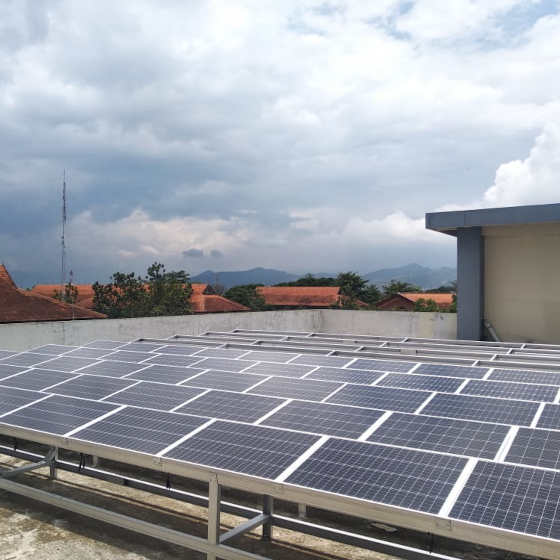
As part of its sustainability roadmap, Telkom University integrates responsible energy management, renewable energy adoption, and carbon offset programs into its campus operations. These efforts are aligned with the university’s goal to reduce its environmental footprint while contributing to the global pursuit of a low-carbon future.
In 2024, the university recorded a total carbon footprint of 6,424.601 metric tons of CO₂ equivalent, underscoring its transparency and accountability in measuring and reporting energy-related emissions. The data were collected and analyzed to identify key areas for emission reduction and to ensure continuous improvement in energy efficiency practices.
Complementing this assessment, Telkom University also conducted carbon stock measurements—the process of quantifying the amount of carbon stored in vegetation and soil across the campus. The results showed a carbon stock value of 9,958 metric tons, indicating that the university successfully offset its emissions, effectively reaching net-zero status. This balance was achieved through a combination of emission reduction initiatives, renewable energy implementation, and carbon sequestration programs such as tree planting and green landscaping.
Through continuous monitoring and carbon tracking, Telkom University reinforces its position as a low-carbon campus, integrating sustainability into academic, operational, and community aspects. These initiatives directly support the objectives of SDG 7 (Affordable and Clean Energy) and SDG 13 (Climate Action), showcasing the university’s leadership in advancing environmental responsibility within higher education.
#THE Sustainability Impact Ratings 2026
Bagikan Artikel
0Komentar