THE Impact Ranking 2025
1 April 2023
2 menit
Dilihat 0x
Telkom University Report On Progress of SDGs 9. Industry, Innovation and Infrastructure
A lecturer from Telkom University (Tel-U) has once again created an innovative product called the Bridge Structural Health Monitoring System (SHMS) based on the Internet of Things (IoT). This product ...
SPenulis: SDGS Telkom UniversitySEditor: SDGS Telkom University
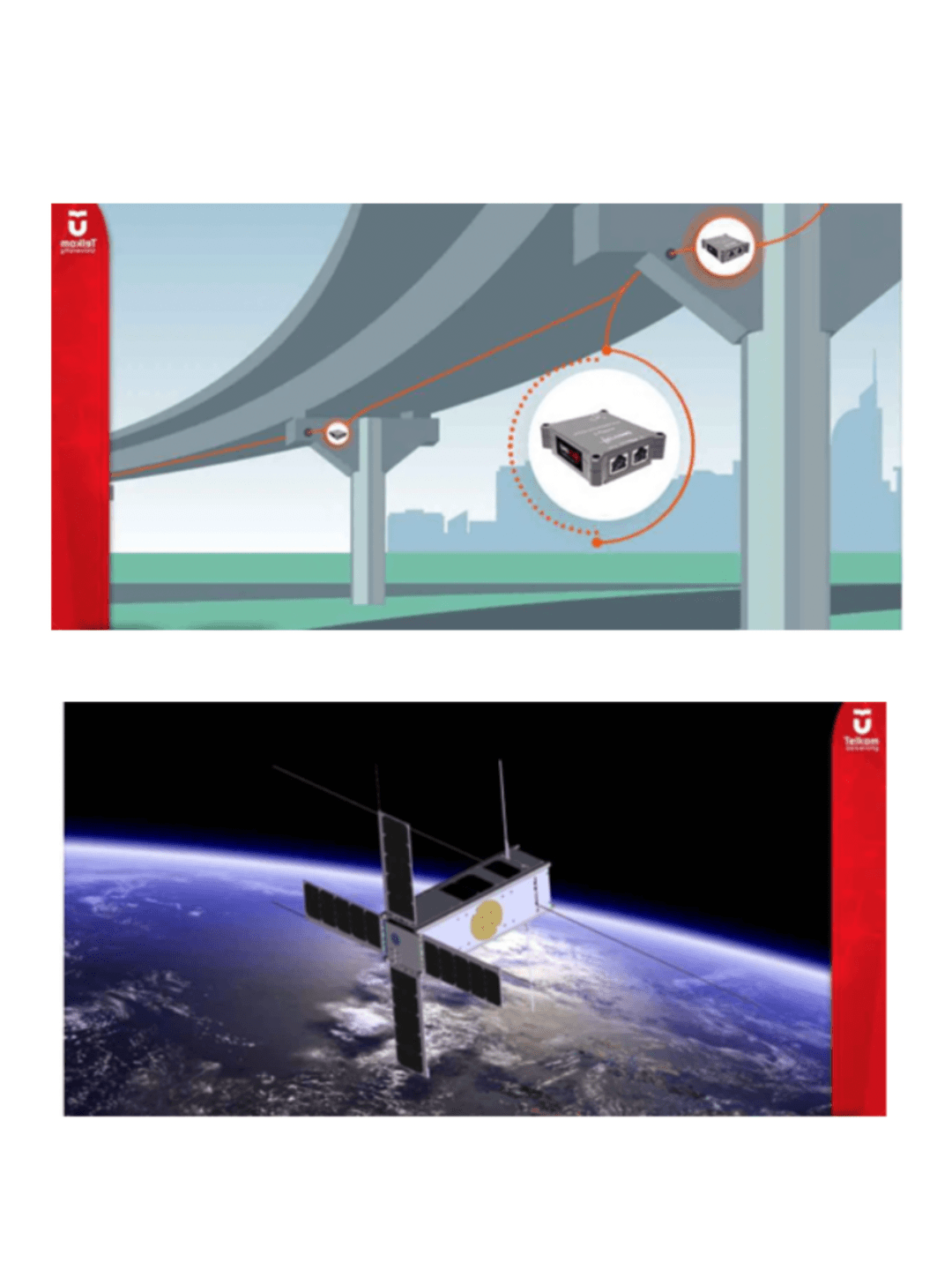
A lecturer from Telkom University (Tel-U) has once again created an innovative product called the Bridge Structural Health Monitoring System (SHMS) based on the Internet of Things (IoT). This product is the work of Dr. Seno Adi Putra, a lecturer in Information Systems at Tel-U. The SHMS was developed to identify the lifespan of bridge structures, monitor the impact of environmental conditions, and assess the effects of heavy vehicles passing over the bridge, with the aim of enhancing public safety and reducing maintenance and operational costs.
The SHMS, designed by Dr. Seno Adi Putra along with a team of lecturers and students, utilizes IoT technology that enables real-time and accurate bridge monitoring. Equipped with advanced sensors, this tool can collect data from various critical parameters, such as pressure, humidity, vibrations, and tensile forces on the bridge structure. These data are then processed and analyzed using intelligent algorithms to detect potential problems and damage to the bridge at an early stage.
One of the key advantages of SHMS is its ability to provide early warnings of potential bridge damage. With this early detection, authorities and bridge operators can take preventive actions before the problems become more serious and negatively impact safety and traffic flow. The use of IoT technology also allows for remote monitoring, enabling maintenance teams to respond quickly to situations without needing to be physically present at the bridge location.
Dr. Seno Adi Putra stated that this SHMS offers significant benefits to both the public and the government. By extending the lifespan of bridge structures, maintenance and operational costs can be effectively reduced. In the long run, this will help lessen the government's budget burden in maintaining critical bridge infrastructure.
Telkom University (Tel-U) has developed an innovative tool in the form of a nano satellite prototype for demonstrating air traffic surveillance technology and an early warning communication system. Low Earth orbit satellites are essential for several strategic applications such as disaster communication, air and sea traffic surveillance, and early warning systems.
In response to this need, Dr. Bambang Setia Nugroho, a lecturer from the Faculty of Electrical Engineering (FTE), along with other Tel-U lecturers involved in this innovation Dr. Heroe Wijanto, Dr. Nachwan Mufti Adriansyah, Dhoni Putra Setiawan, Ph.D., and Edwar, S.T., M.T. have launched a self-made low Earth orbit satellite as a solution to these issues.
From the publication perspective, in 2023, we have released a total of 236 research publications in accredited journals and conferences related to SDG 9.
The full list of the publication can be accessed here: https://docs.google.com/spreadsheets/d/1vAnokKG8uAr3MstP4cm1XPmI5gdLaCNu/edit?gid=1247171213#gid=1247171213
Full Sustainability Report On SDGs 9 can be accessed here: https://drive.google.com/file/d/115xskgJ_A1fp-_2gl1ig92N7jf7UbWIb/view
#THE Impact Ranking 2025
Bagikan Artikel
0Komentar