THE Impact Ranking 2025
13 Oktober 2023
2 menit
Dilihat 0x
Telkom University’s Collaboration for Sustainable Aquatic Ecosystems
In its commitment to sustainable development and shared aquatic ecosystem management, Telkom University has initiated two groundbreaking programs: the Citarum River collaboration with Plastic Fischer ...
SPenulis: SDGS Telkom UniversitySEditor: SDGS Telkom University
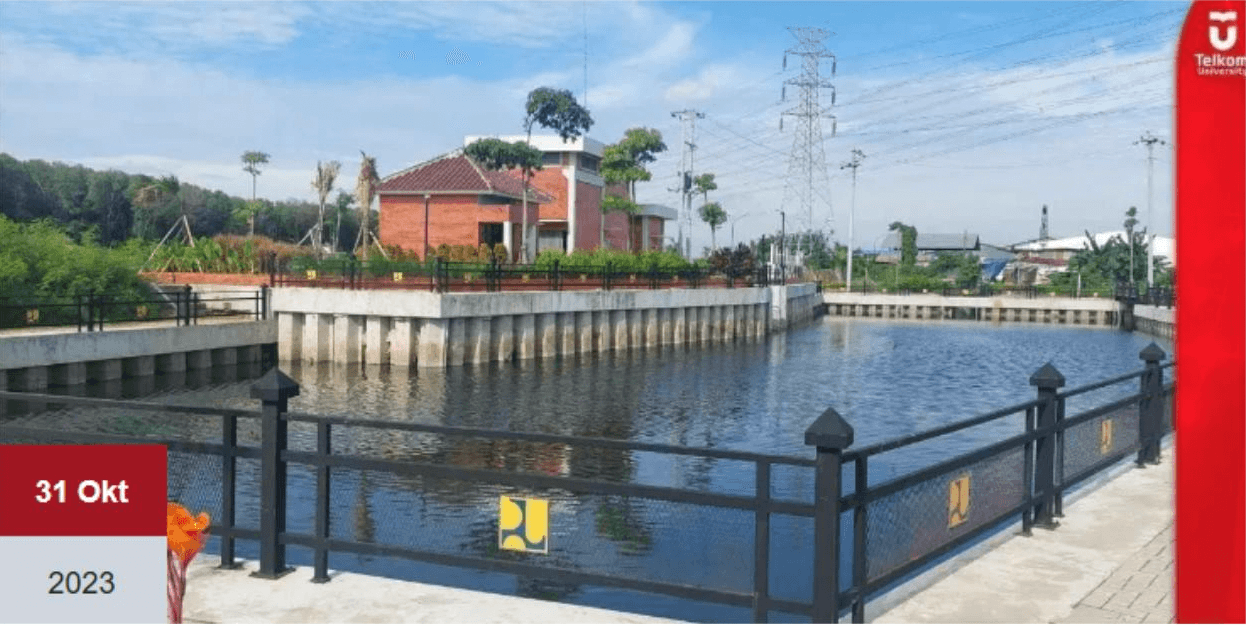
In its commitment to sustainable development and shared aquatic ecosystem management, Telkom University has initiated two groundbreaking programs: the Citarum River collaboration with Plastic Fischer and the TideEye project with the University of Wollongong in Central Java. These programs aim to reduce pollution, monitor water levels, and address flooding risks, creating a positive impact on both the environment and local communities.
Citarum River Collaboration: Tackling Plastic Waste
The Citarum River, spanning 297 km, is one of the longest rivers in West Java, supplying water to around 25 million residents. However, this essential water source faces severe pollution, with plastic waste posing a major threat. Despite efforts to improve water quality through the government’s "Citarum Harum" initiative, plastic waste accumulation remains a pressing issue.
To combat this, Telkom University, in collaboration with Plastic Fischer and Widyatama University, has implemented a waste-sorting system as part of the zero-waste sector of the Citarum Harum initiative. Located just three kilometers from Telkom University, Sector 6 serves as a zero-waste pilot zone for the Bojongsoang area. The program, supported by Indonesia’s Ministry of Education and Culture, leverages waste management strategies to prevent flooding and pollution while creating a cleaner and safer environment for Bandung residents.
More information about the Citarum River Program please visit here
TideEye: AI-Driven Flood Monitoring on the North Coast of Central Java
To further address environmental challenges, Telkom University, together with the University of Wollongong, developed TideEye, an AI-based flood monitoring and management system. Focusing on tidal flooding along the North Coast of Central Java, this system combines drones and IoT infrastructure to digitally monitor sea levels and tidal flooding activity. Implemented in three coastal cities Pekalongan, Semarang, and Demak TideEye supports Sustainable Development Goals (SDGs) related to clean water, sustainable cities, climate action, and global partnerships.
According to Dr. Miftadi Sudjai, lead researcher from Telkom University, the real-time data from TideEye enables infrastructure workers and local residents to monitor rising sea levels and mitigate flood risks more efficiently. By providing precise information on flood levels, TideEye aims to enhance community resilience, streamline flood response measures, and prevent catastrophic flooding.
Daily tidal flooding disrupts many communities along the Central Java coast, posing threats to local livelihoods, infrastructure, and the natural environment. Low-lying cities such as Pekalongan, Semarang, and Demak are particularly vulnerable to rising sea levels and extreme weather events. TideEye’s advanced monitoring system offers a proactive solution, allowing local authorities to make timely, informed decisions that protect both lives and property. More information about Tide-eye, click here
Looking Forward: A Model for Sustainable Aquatic Ecosystem Management
These two initiatives showcase Telkom University’s commitment to environmental sustainability through innovative technology and collaborative efforts. By addressing pressing ecological challenges in two distinct regions, Telkom University not only strengthens its role in sustainable development but also sets an example of how universities can drive change in shared aquatic ecosystems. Through these collaborative projects, Telkom University continues to lead in promoting cleaner waterways, enhancing disaster preparedness, and building resilient coastal communities in Indonesia.
#THE Impact Ranking 2025
Bagikan Artikel
0Komentar