Kumpulan update dan informasi terkini seputar SDGs.
2 SDG dipilih
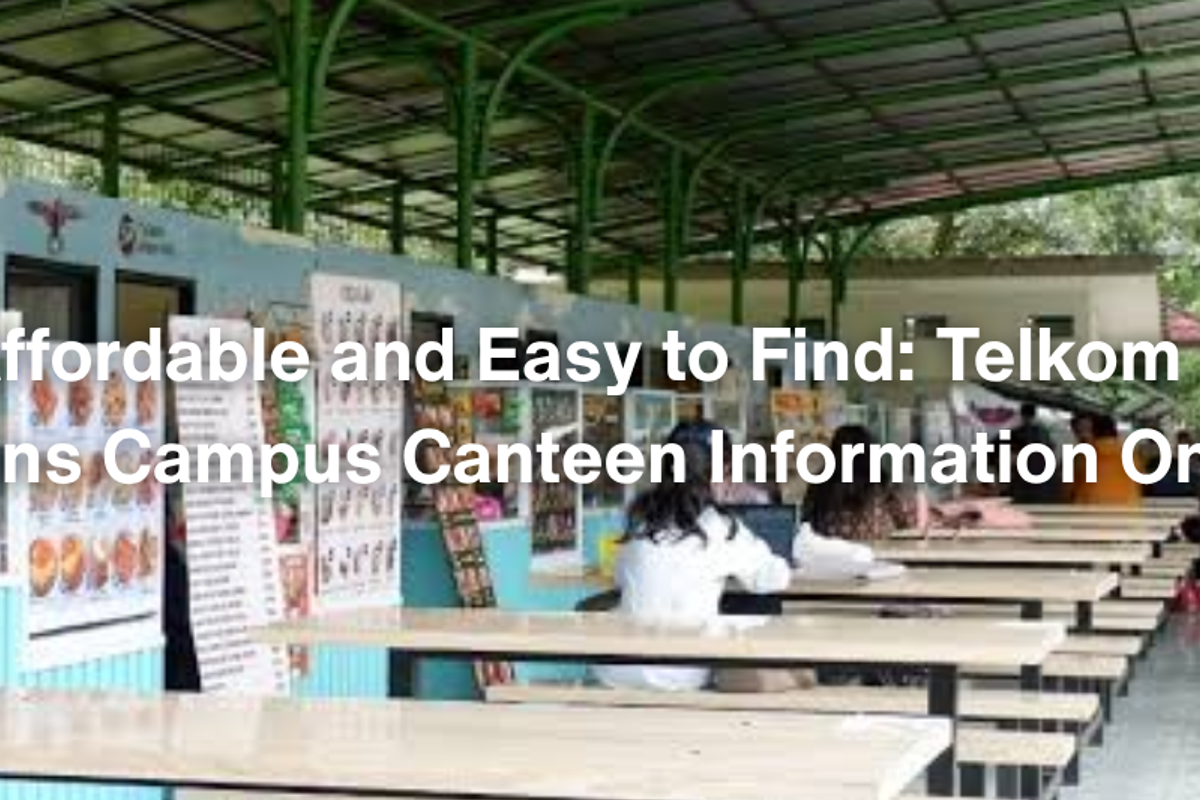
Telkom University provides healthy and affordable food choices for everyone on campus through selective tenant selection and canteen agreements that require healthy, clean and affordable food at agreed prices. The official canteen website (canteen.telkomuniversity.ac.id) lists canteens, tenants, menus, locations and price ranges.
Telkom University strengthened its student hunger interventions in 2025 through Jumat Berkah free meals and charity, healthy rebusan refreshments at university activities, balanced “4 sehat 5 sempurna” Ramadan meals with fruit, 61 canteen tenants across 7 campus locations, 24-hour vending machines, and sorghum outlets and free sorghum cereal in the faculties.
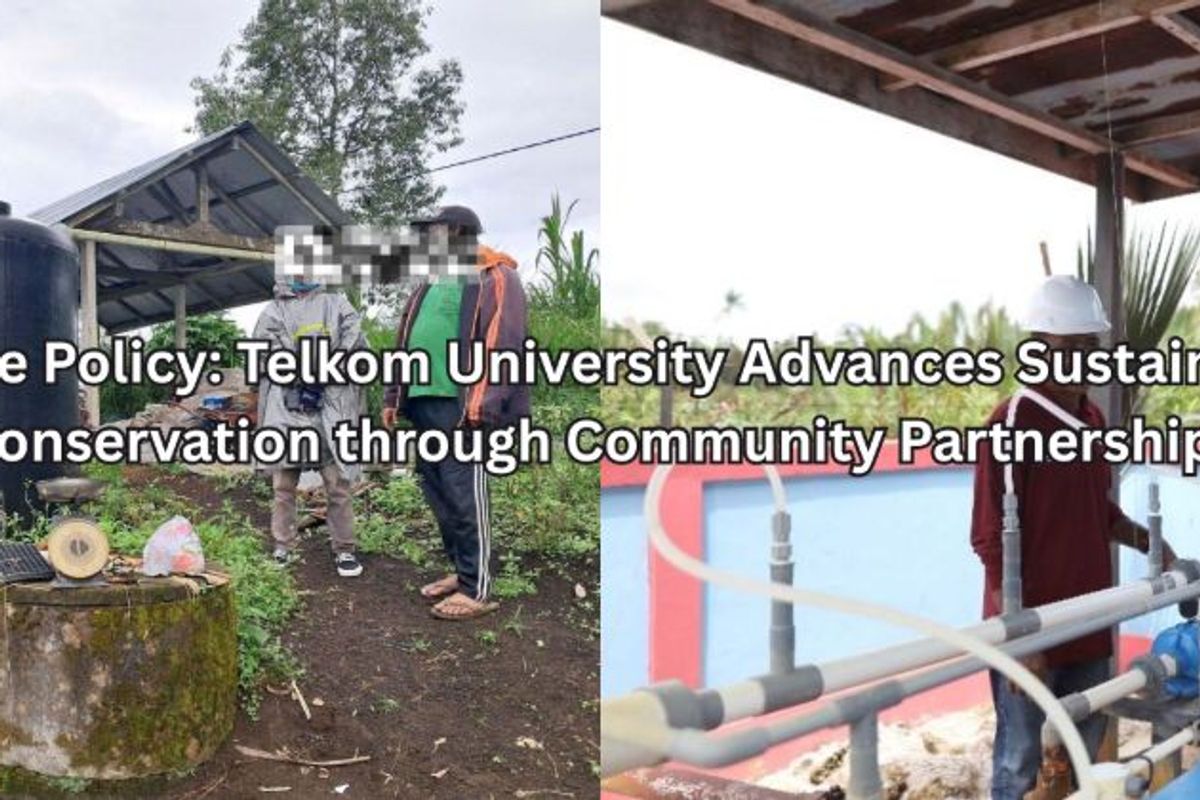
In 2025, Telkom University carried out 26 off-campus water conservation activities with farmers, villages and community groups. It installed IoT, LoRa and solar-powered drip and automatic irrigation, added water filtration and water-quality monitoring for fish farmers, and developed pipe-leak detection and digital water management for villages. It also evaluated community clean water facilities across Java through the Moneva SAB programme with PT Telkom Indonesia.
Telkom University embeds the SDGs across its curriculum through its Academic Guidelines, mapping 1,005 courses across seven faculties to the SDGs and offering SDG-focused learning through compulsory courses and Innovillage 2025.
Aligned with SDG 2, Telkom University strengthens food security through sensor-based urban farming with a women farmers’ group in Bojongsoang, a Digital Twin system that increased rice field productivity by 22.8%, and affordable IoT aeroponics.
Aligned with SDG 4, Telkom University expands access to quality education through digital literacy and academic mentoring at SMAN 8 Balikpapan, public speaking training at MAN 1 Pangandaran, and AI-based research to improve learning.
Telkom University integrates sustainability into higher education through specialized courses, interdisciplinary learning, and energy-focused academic programs. By incorporating sustainability principles across its seven faculties and introducing the Bachelor of Energy Systems Engineering program, the university equips students with the knowledge and skills to address environmental and social challenges. Supported by cross-sector collaboration in line with SDG 17 (Partnerships for the Goals), these initiatives connect education with practical solutions for a more sustainable future.
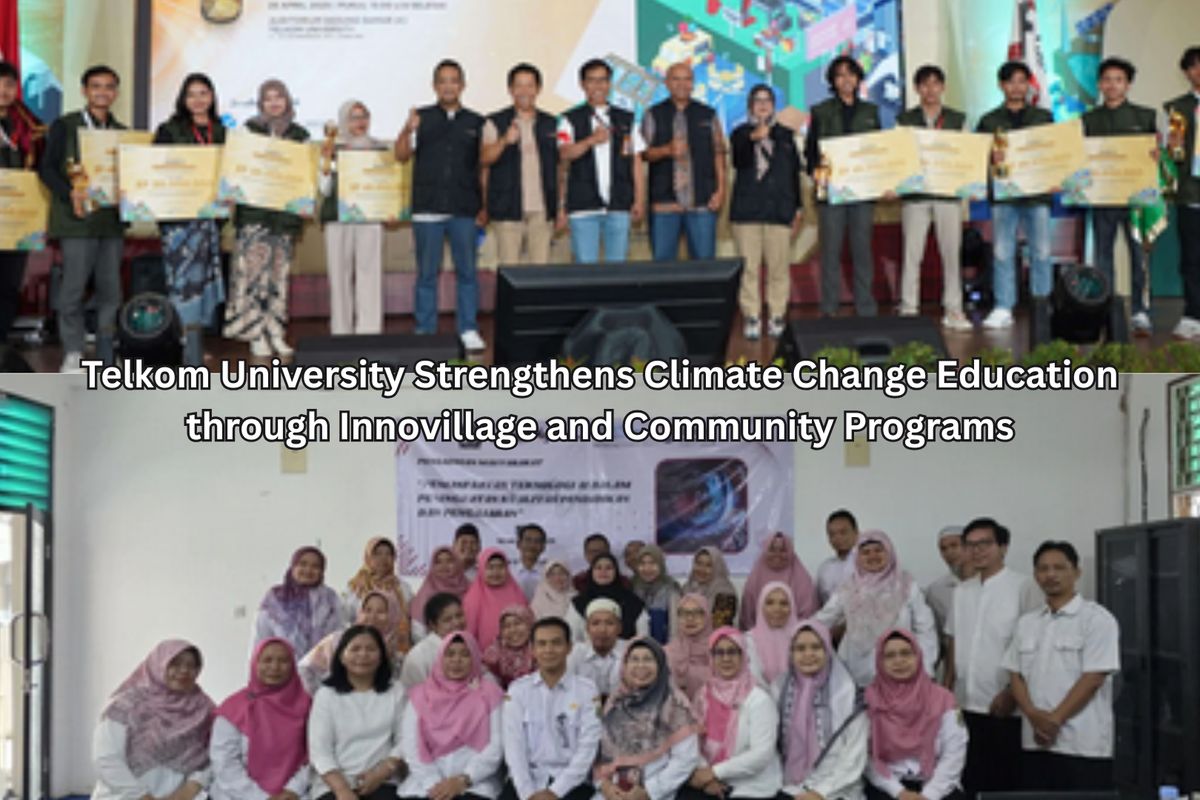
From kindergarten classrooms in Cianjur to a landslide-prone village in Banyumas, Telkom University is helping local communities understand climate change and prepare for it. In 2025, its lecturers and students ran local education programmes and campaigns on disaster risk, early warning, clean energy and waste reduction for children, teachers, village officials and residents. Together, these environmental education measures bring climate knowledge directly to the communities most exposed to its effects.
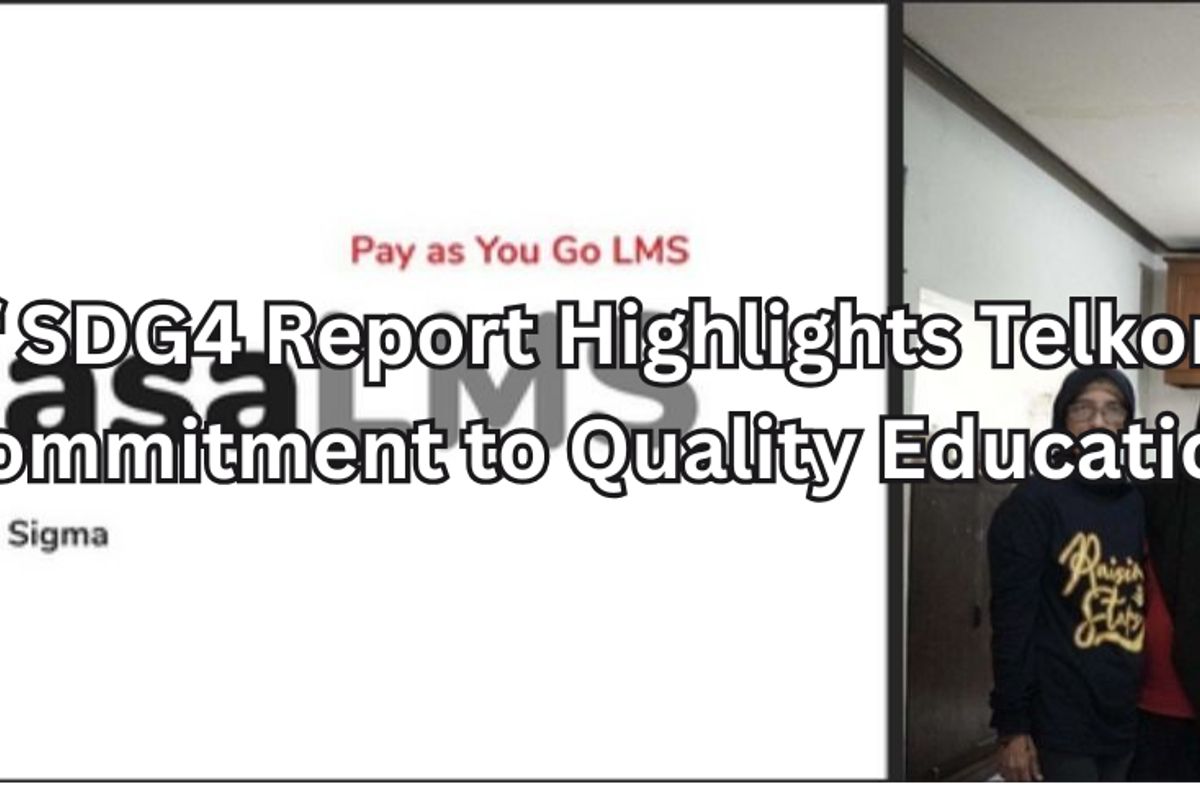
Telkom University’s SDGs Report 2025 highlights its commitment to inclusive and equitable education through collaborations that develop accessible digital learning platforms and assistive technologies. From ANGKASA LMS, developed with Telkom Sigma, to the Down Syndrome Tracker in partnership with POTADS West Java, these initiatives expand learning opportunities and support inclusive education through cross-sector collaboration, contributing to SDG 4 (Quality Education) and SDG 17 (Partnerships for the Goals).
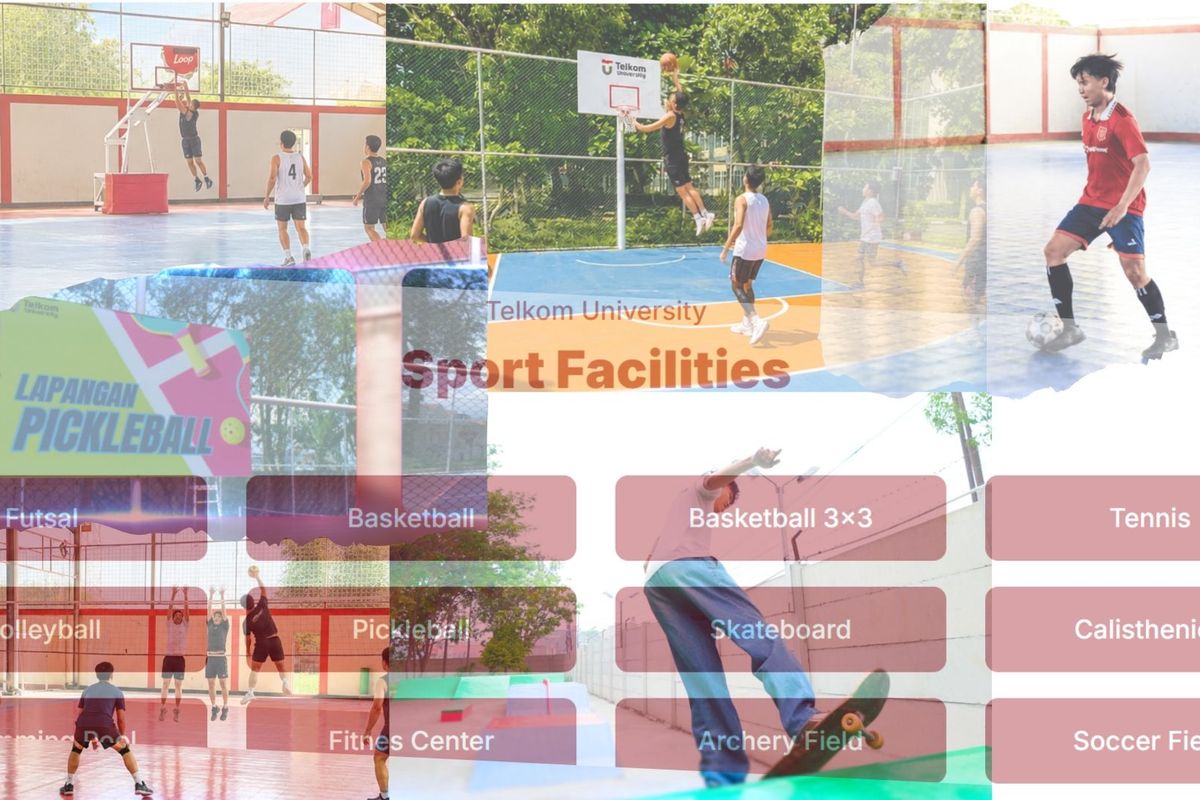
The Student Center Building features a multipurpose indoor sports court designed to accommodate various activities, including basketball, volleyball, and badminton. Beyond recreational use, this facility serves as a venue for friendly competitions and inter-faculty tournaments, fostering teamwork, sportsmanship, and stronger connections among students.
Telkom University prioritises local and sustainable food sources. On 23 June 2025, it signed Kampung Sorgum website licence agreements with Sorgumology StartUp, Komunitas Halal Bandung and KWT Melati Sorgum. Its canteen agreements require local MSME tenants to serve healthy, halal food in degradable packaging, without Styrofoam or packaged drinks, and it is developing Smart Poultry Farming and the IoT- and solar-powered Crabhouse silvofishery programme.
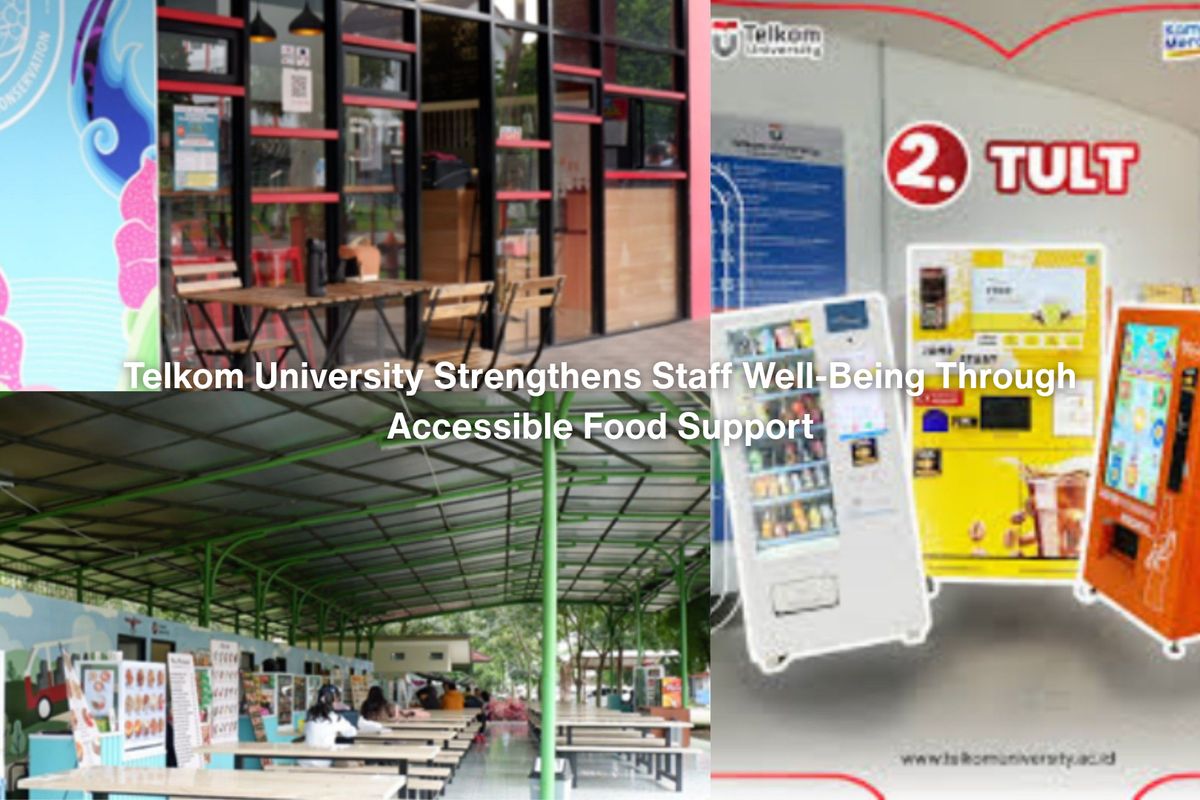
Telkom University supports employee welfare and food security through various workplace initiatives, including food tenants, office pantries, food banks, vending machines, meeting refreshments, and monthly meal allowances. These efforts aim to ensure convenient access to food while promoting a healthy and supportive working environment in line with SDG 2: Zero Hunger and SDG 3: Good Health and Well-Being.