Kumpulan update dan informasi terkini seputar SDGs.
2 SDG dipilih
Telkom University embeds the SDGs across its curriculum through its Academic Guidelines, mapping 1,005 courses across seven faculties to the SDGs and offering SDG-focused learning through compulsory courses and Innovillage 2025.
Aligned with SDG 3, Telkom University supports health and well-being through knowledge management mentoring at the Yakkum Rehabilitation Center for people with disabilities and EEG-based research to improve brain activity classification.
Aligned with SDG 4, Telkom University expands access to quality education through digital literacy and academic mentoring at SMAN 8 Balikpapan, public speaking training at MAN 1 Pangandaran, and AI-based research to improve learning.
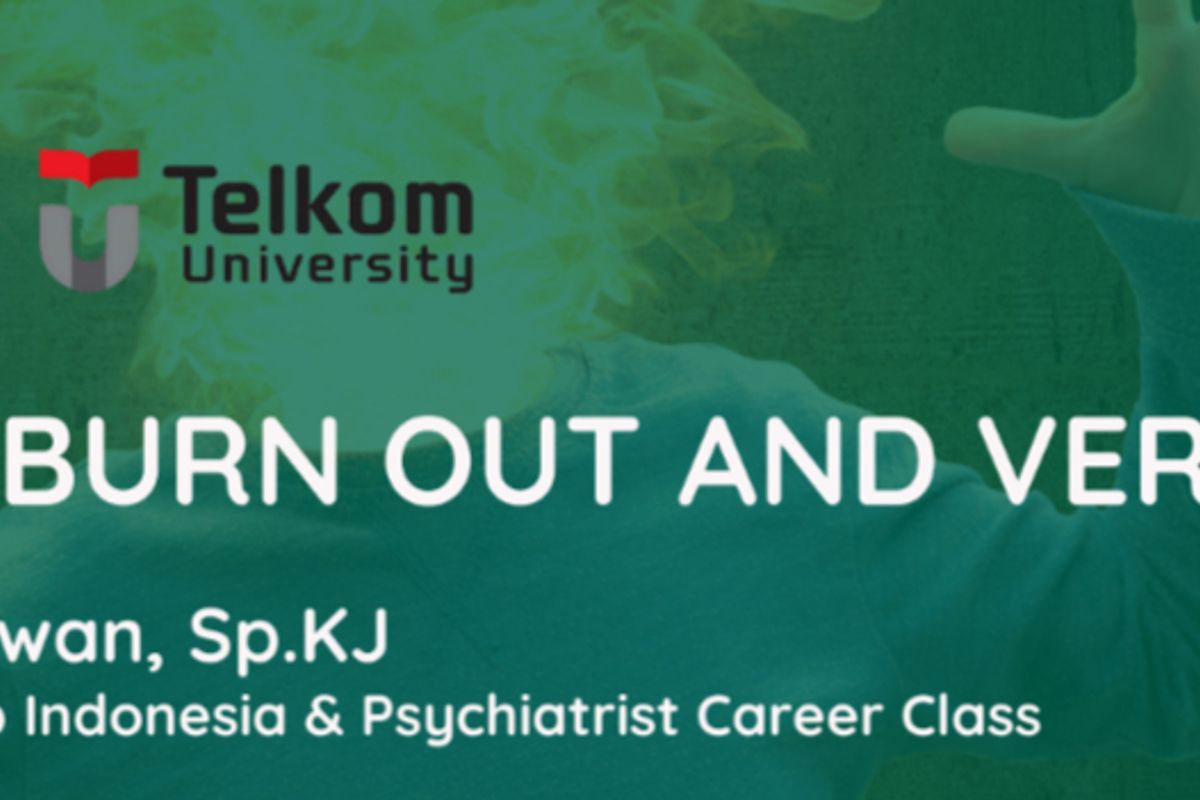
Telkom University strengthens mental health support for staff through its Employee Well-Being Program with Naluri: mental health talks, a burnout workshop with a psychiatrist, a DASS-21 assessment and nine batches of free private counselling across four campuses. This is complemented by BPJS Kesehatan coverage paid by the Foundation, giving staff access to psychiatrists and psychologists.
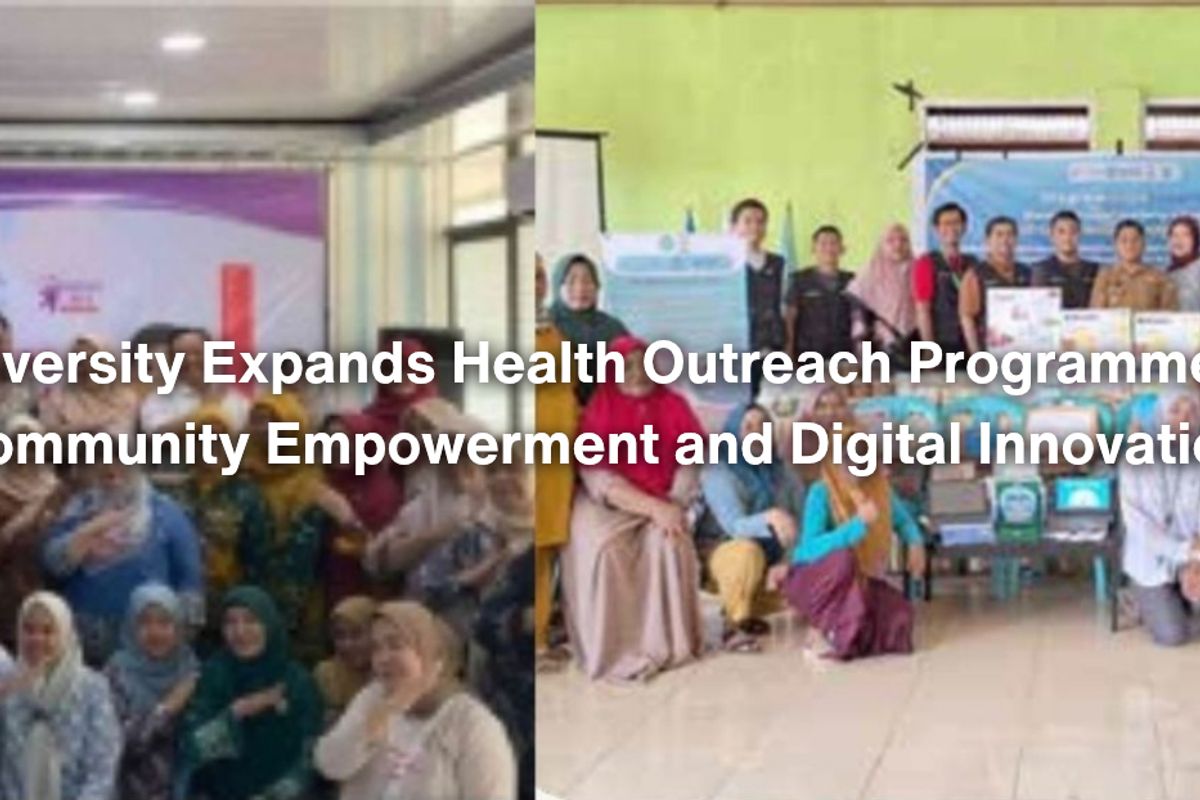
Telkom University’s SDGs Report 2025 highlights its contributions to public health through healthcare research, digital innovation, and community empowerment. From AI-assisted medical diagnostics to a digital stunting-monitoring dashboard that improved intervention processes by up to 30%, these initiatives demonstrate how technology and cross-sector collaboration can support community well-being, contributing to SDG 3 (Good Health and Well-being), SDG 8 (Decent Work and Economic Growth), and SDG 17 (Partnerships for the Goals).
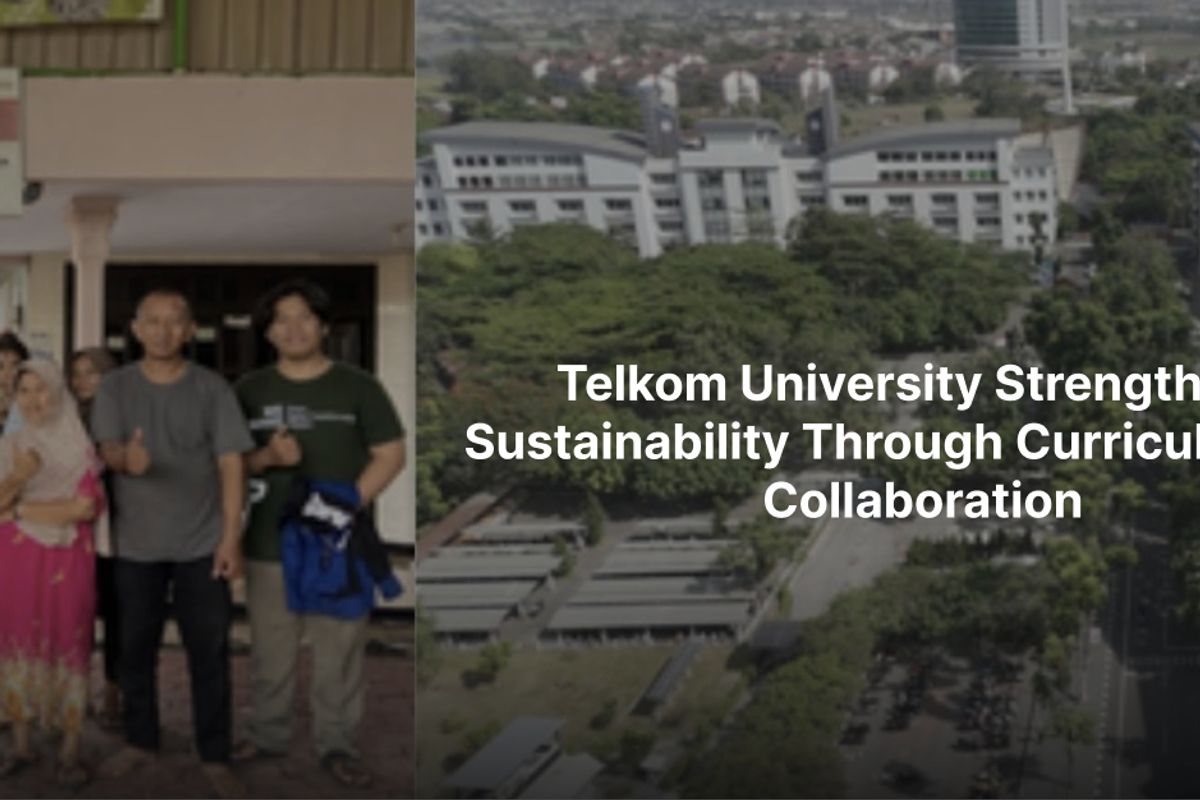
Telkom University integrates sustainability into higher education through specialized courses, interdisciplinary learning, and energy-focused academic programs. By incorporating sustainability principles across its seven faculties and introducing the Bachelor of Energy Systems Engineering program, the university equips students with the knowledge and skills to address environmental and social challenges. Supported by cross-sector collaboration in line with SDG 17 (Partnerships for the Goals), these initiatives connect education with practical solutions for a more sustainable future.
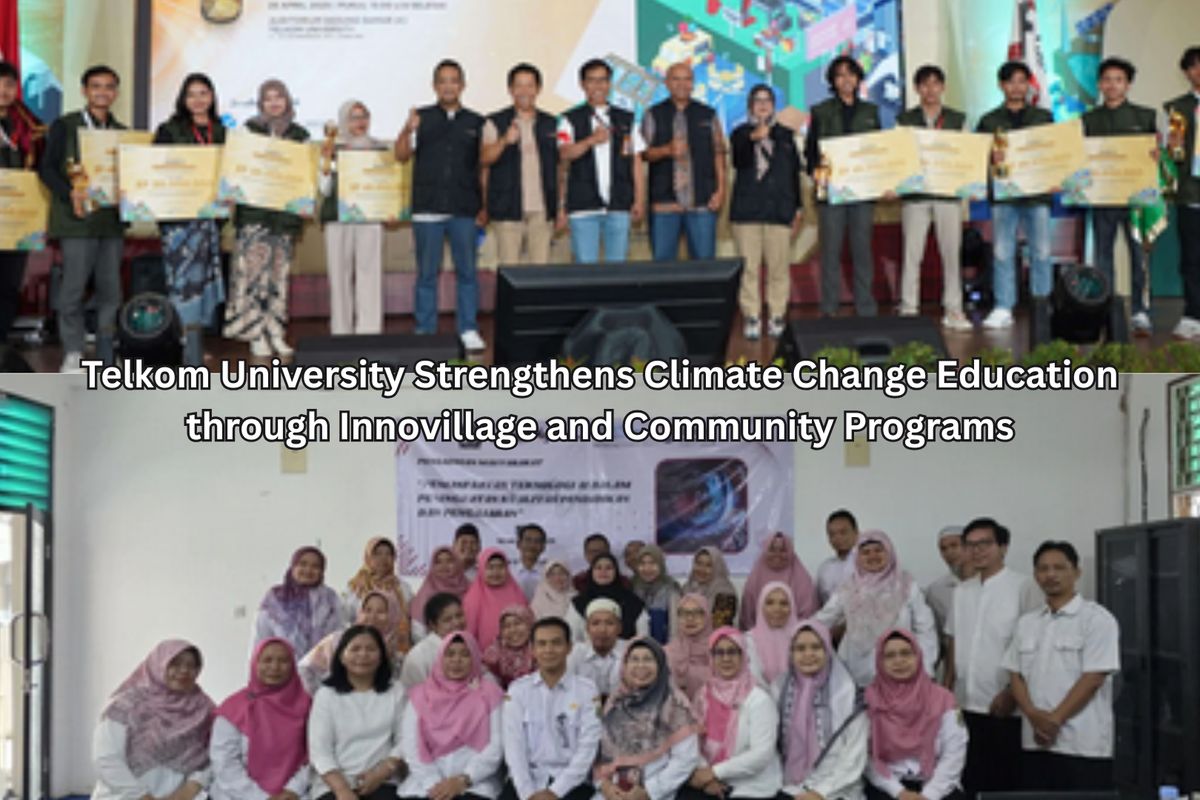
From kindergarten classrooms in Cianjur to a landslide-prone village in Banyumas, Telkom University is helping local communities understand climate change and prepare for it. In 2025, its lecturers and students ran local education programmes and campaigns on disaster risk, early warning, clean energy and waste reduction for children, teachers, village officials and residents. Together, these environmental education measures bring climate knowledge directly to the communities most exposed to its effects.
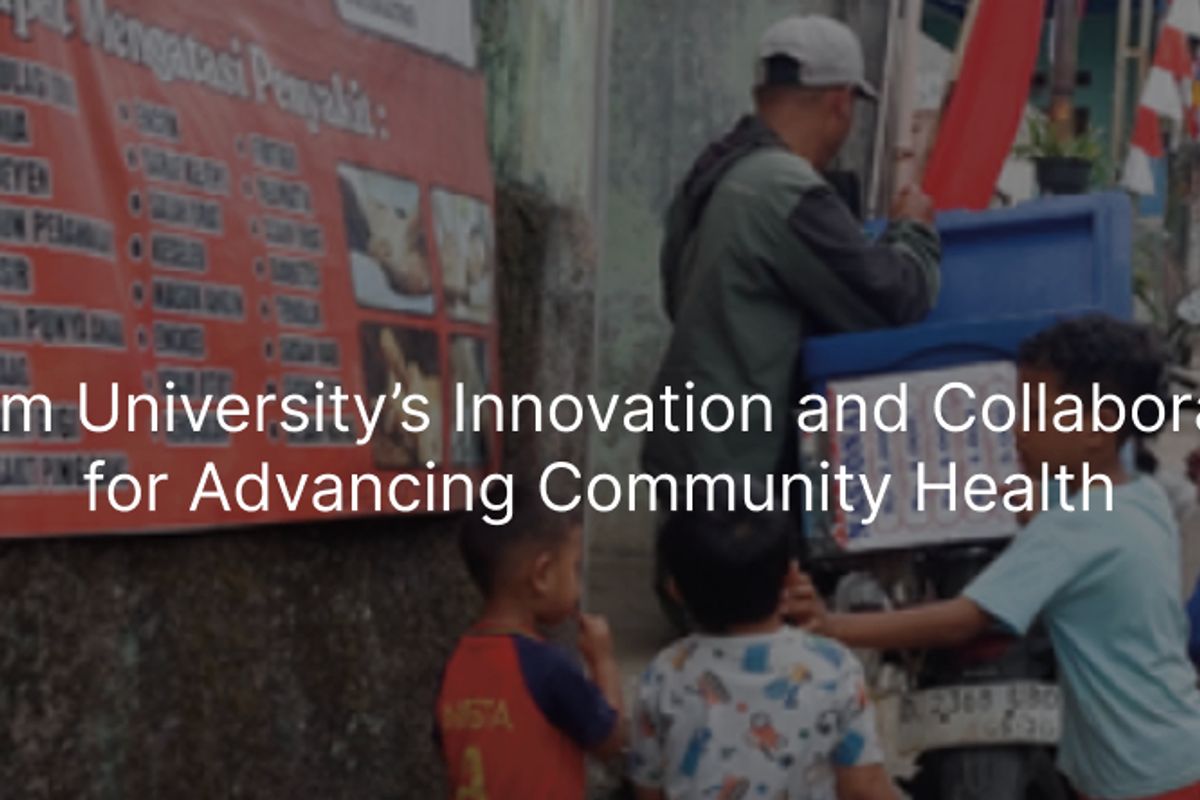
Telkom University expands its health outreach programmes with 50 health-focused community activities in 2025. They range from digital stunting monitoring with Posyandu cadres and hygiene education in schools to exercise videos for older adults, assistive technology for children with disabilities, and physiotherapy robots for stroke survivors, advancing SDG 3: Good Health and Well-being.
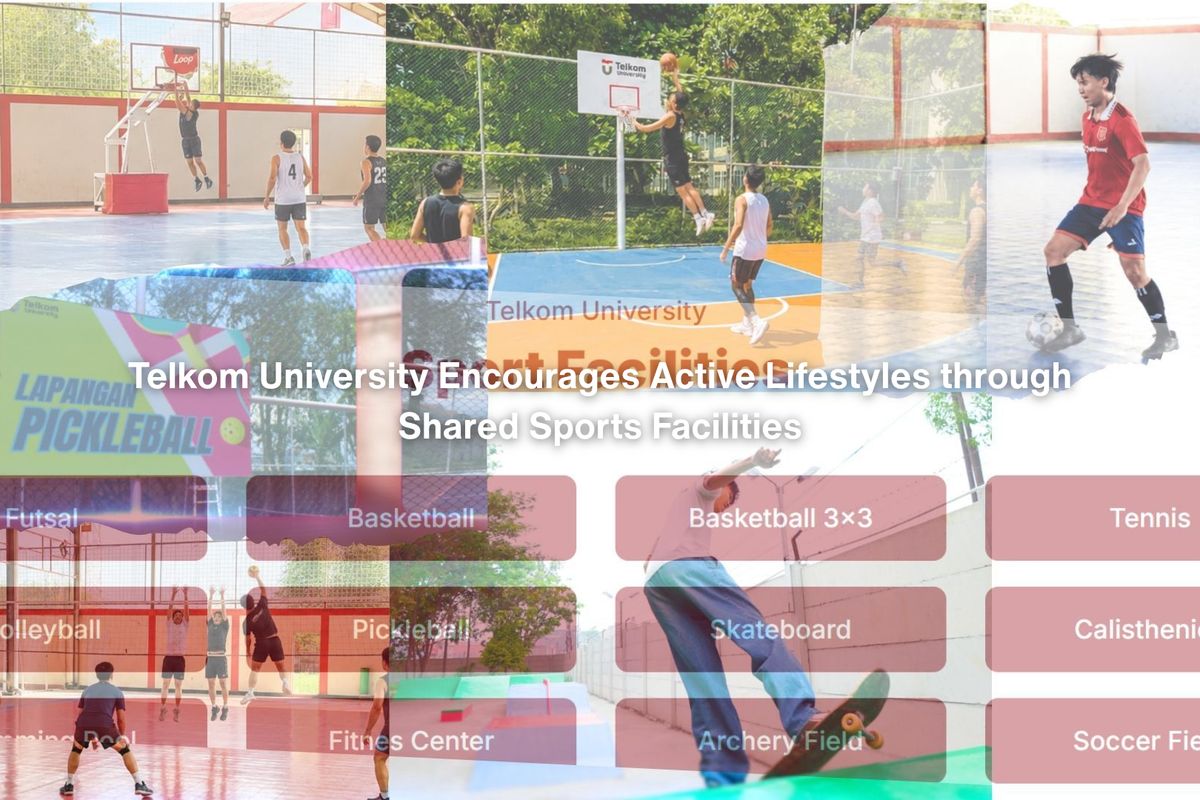
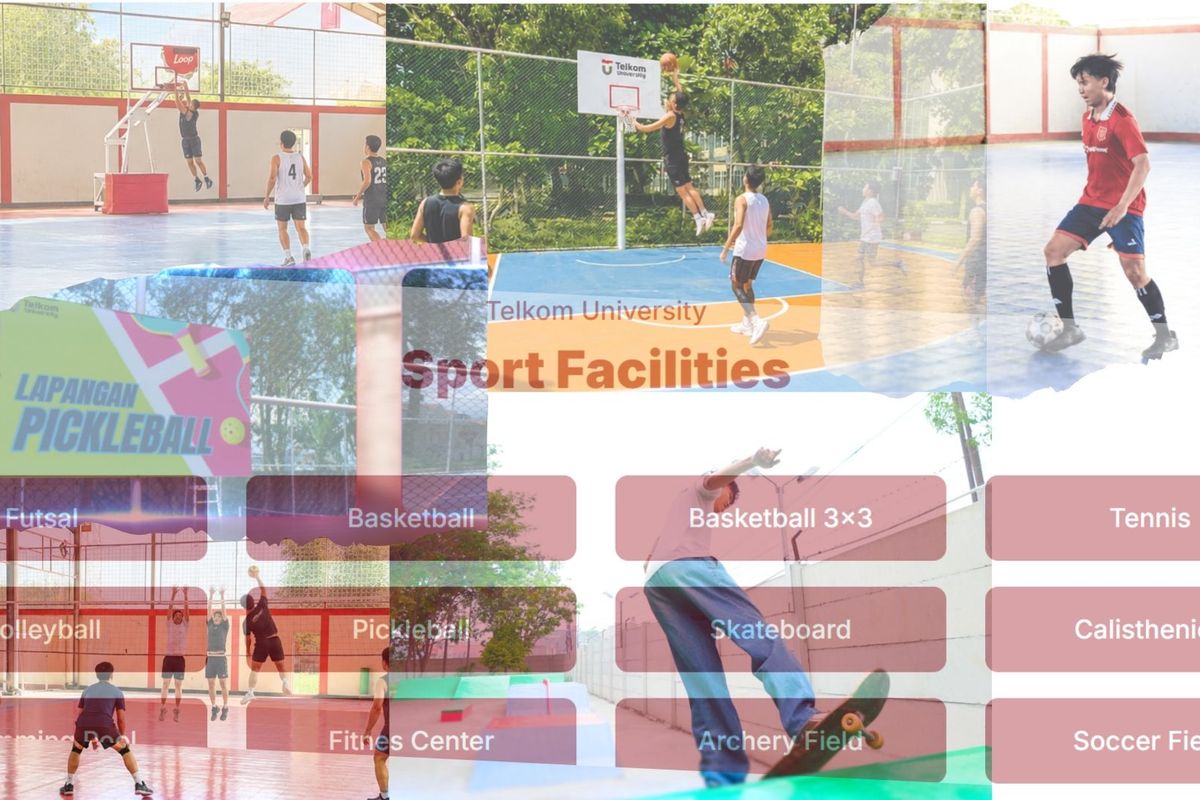
Telkom University promotes healthy and active lifestyles by providing diverse sports facilities for students, staff, and the surrounding community. Through the expansion of sports infrastructure in 2025 and shared-access initiatives with local schools, the university encourages physical activity, community engagement, and well-being in support of SDG 3: Good Health and Well-Being.
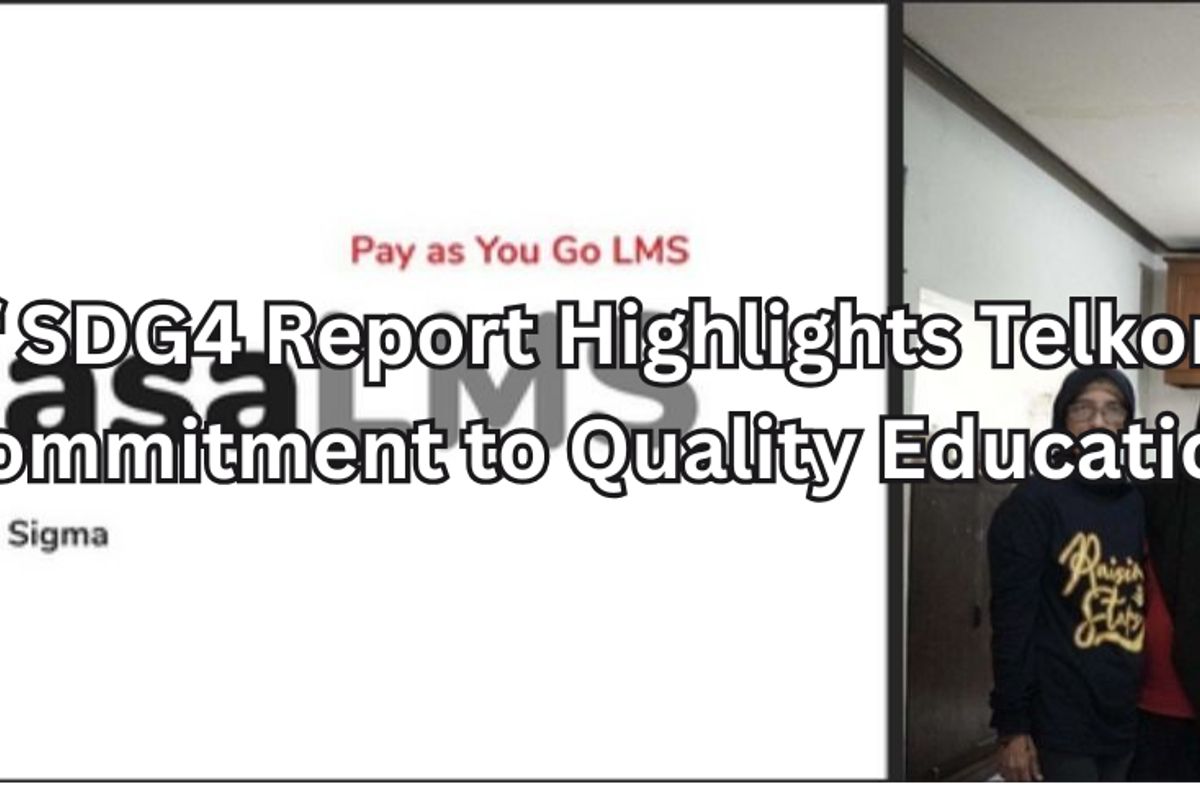
Telkom University’s SDGs Report 2025 highlights its commitment to inclusive and equitable education through collaborations that develop accessible digital learning platforms and assistive technologies. From ANGKASA LMS, developed with Telkom Sigma, to the Down Syndrome Tracker in partnership with POTADS West Java, these initiatives expand learning opportunities and support inclusive education through cross-sector collaboration, contributing to SDG 4 (Quality Education) and SDG 17 (Partnerships for the Goals).
The Student Center Building features a multipurpose indoor sports court designed to accommodate various activities, including basketball, volleyball, and badminton. Beyond recreational use, this facility serves as a venue for friendly competitions and inter-faculty tournaments, fostering teamwork, sportsmanship, and stronger connections among students.
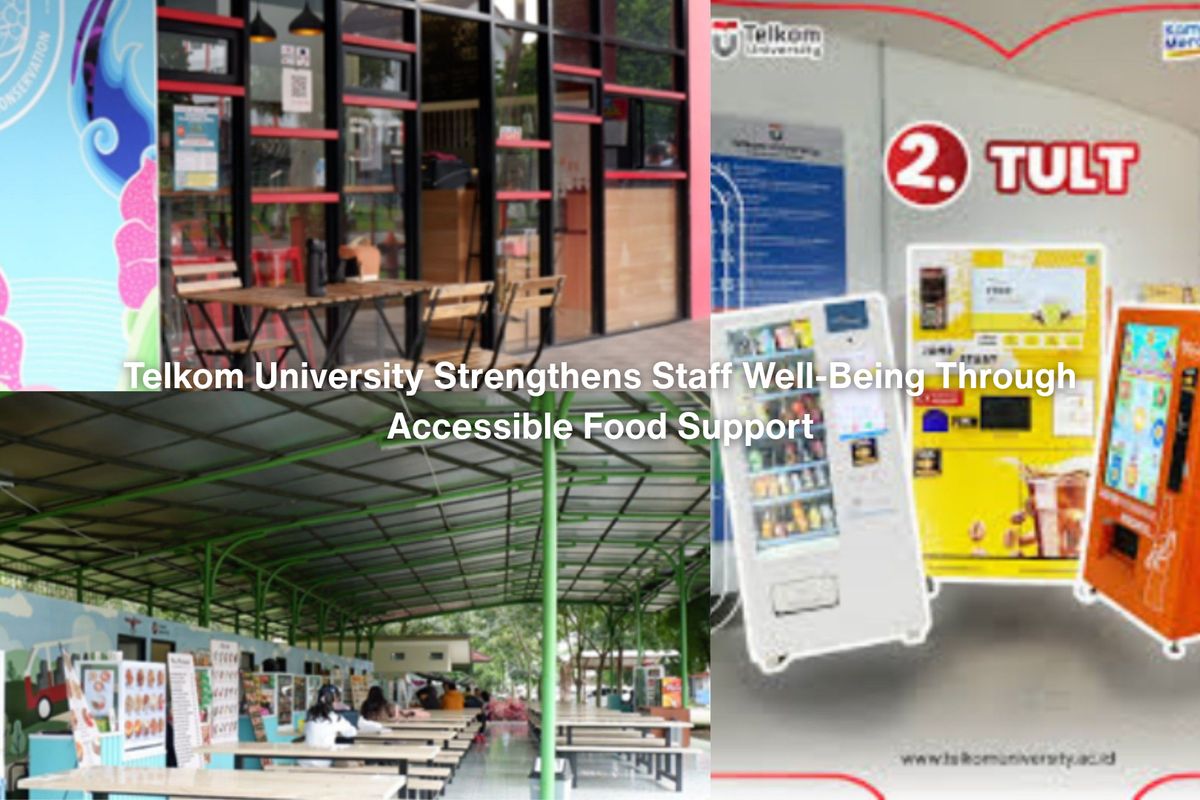
Telkom University supports employee welfare and food security through various workplace initiatives, including food tenants, office pantries, food banks, vending machines, meeting refreshments, and monthly meal allowances. These efforts aim to ensure convenient access to food while promoting a healthy and supportive working environment in line with SDG 2: Zero Hunger and SDG 3: Good Health and Well-Being.