Berita Terbaru
Kumpulan update dan informasi terkini seputar SDGs.

THE Sustainability Impact Ratings 2027
Telkom University Encourages Good Stewardship of Water Through Programmes and Incentives
Telkom University is showing that caring for water can pay its own way. On campus, it has built a water management system in which clean canals, ponds and wetlands also produce fish, crops, compost and income that is put back into looking after the land. Beyond campus, it supports coastal and village communities that guard sea turtles, protect their coastline and teach children to care for the sea.
13 Okt 2025 1 menit bacaSSDGs Center
THE Sustainability Impact Ratings 2027

THE Sustainability Impact Ratings 2027


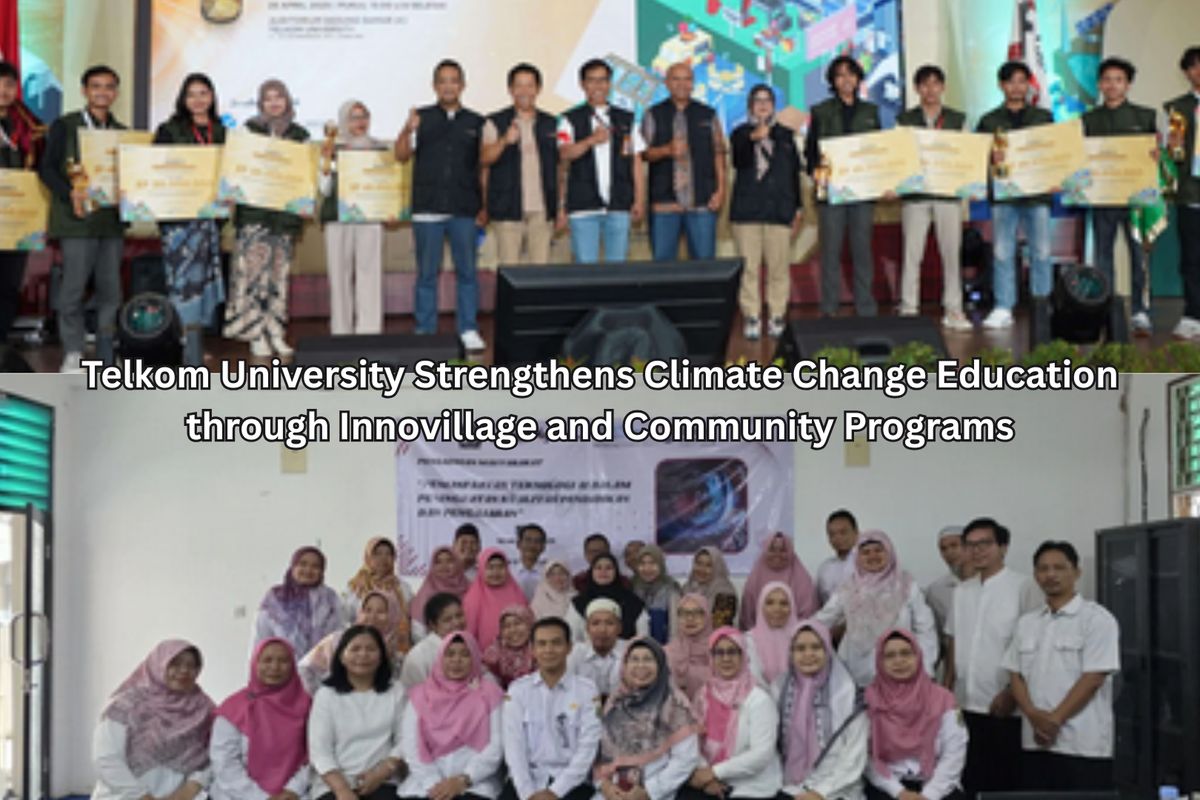
Telkom University Brings Climate Education to Local Communities
From kindergarten classrooms in Cianjur to a landslide-prone village in Banyumas, Telkom University is helping local communities understand climate change and prepare for it. In 2025, its lecturers and students ran local education programmes and campaigns on disaster risk, early warning, clean energy and waste reduction for children, teachers, village officials and residents. Together, these environmental education measures bring climate knowledge directly to the communities most exposed to its effects.
THE Sustainability Impact Ratings 2027
Telkom University Expands Health Outreach Programmes Through Community Empowerment and Digital Innovation
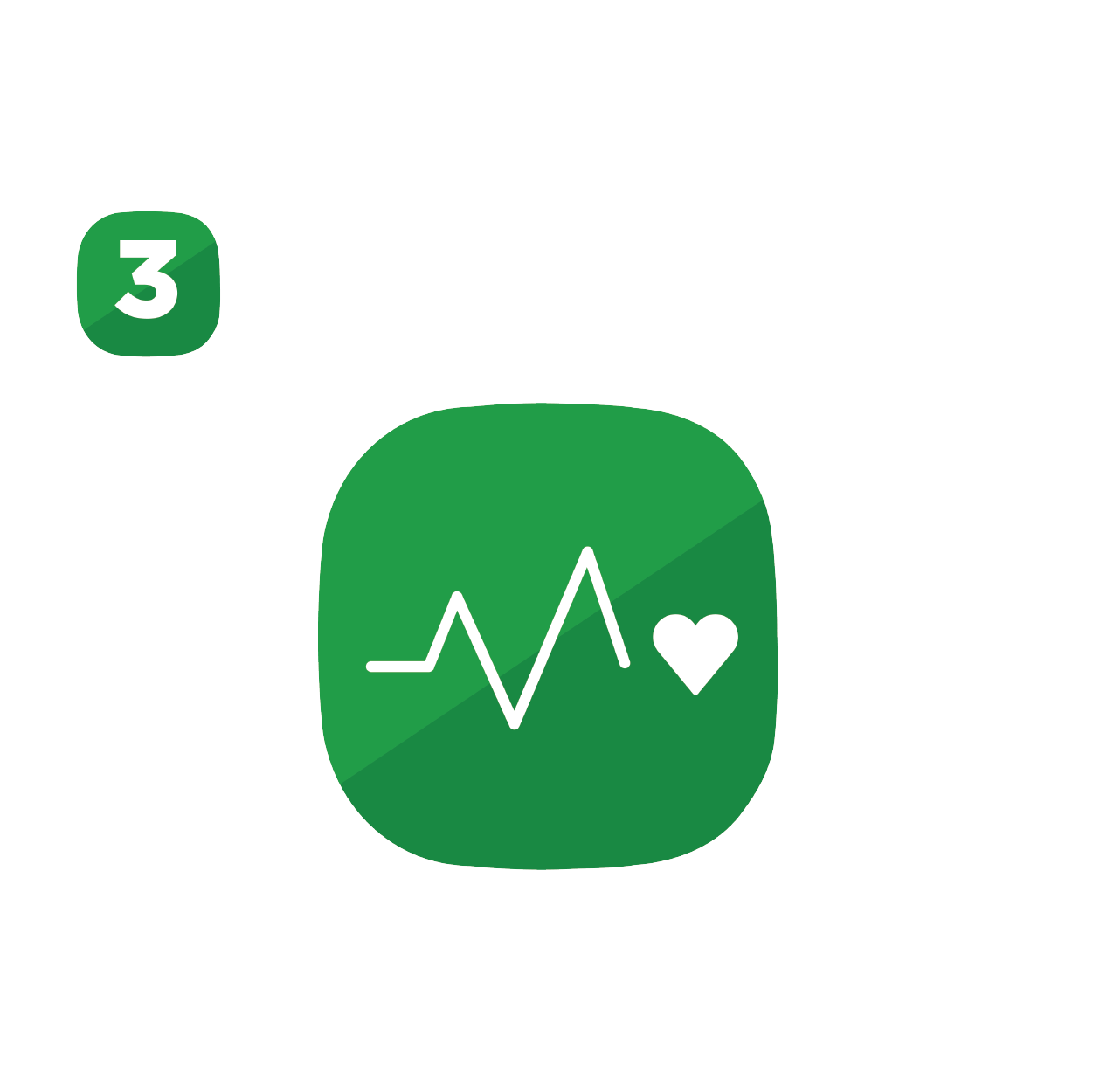
Telkom University expands its health outreach programmes with 50 health-focused community activities in 2025. They range from digital stunting monitoring with Posyandu cadres and hygiene education in schools to exercise videos for older adults, assistive technology for children with disabilities, and physiotherapy robots for stroke survivors, advancing SDG 3: Good Health and Well-being.
13 Okt 2025 1 menit baca
THE Sustainability Impact Ratings 2027
General
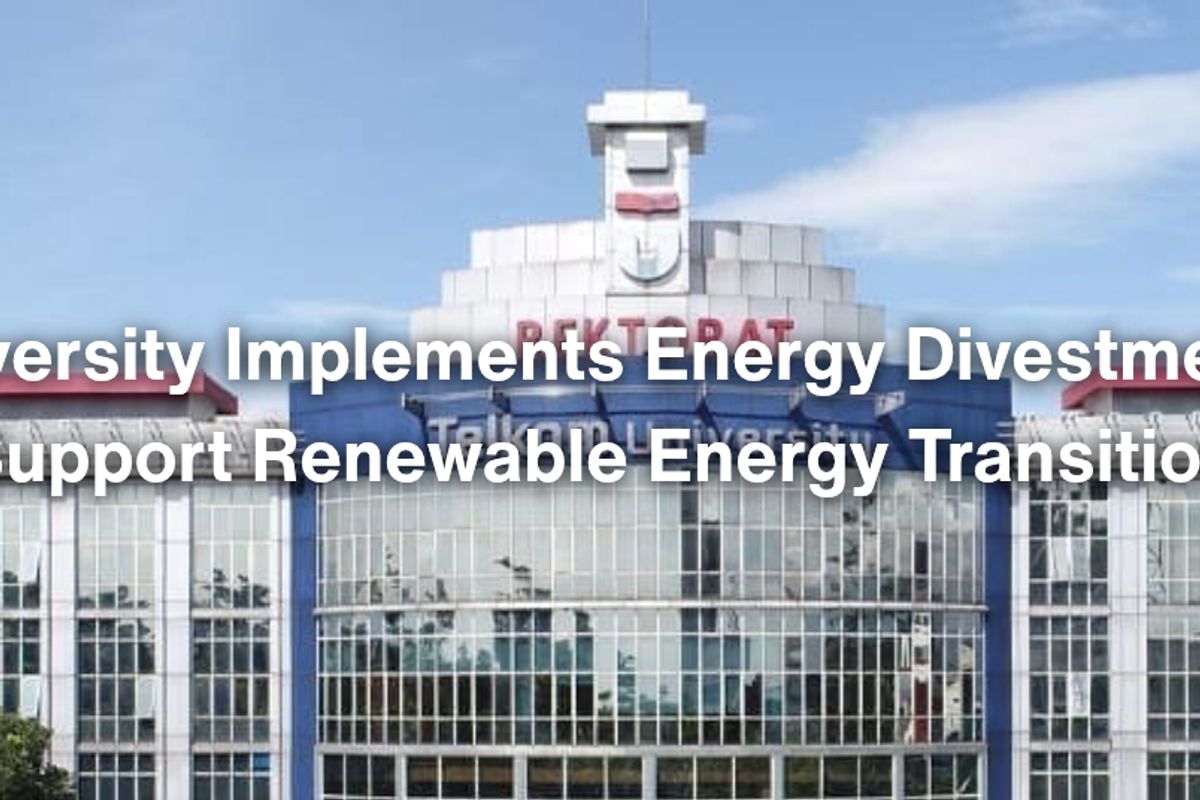
Telkom University Implements Energy Divestment Policy to Support Renewable Energy Transition
Telkom University advances its energy transition through an Energy Divestment Policy that promotes reduced reliance on fossil fuels and greater investment in renewable energy. Supported by vehicle-free initiatives, the Energy Systems Engineering program, and carbon footprint assessments, these efforts strengthen the university's commitment to clean energy and carbon accountability in line with SDG 7: Affordable and Clean Energy.
10 Okt 2025 1 menit baca
THE Sustainability Impact Ratings 2027
Telkom University Joins Hands with Local Communities to Care for Shared Waters
Rivers, canals and coastlines do not stop at a university's boundary, and neither does Telkom University's work to protect them. In 2024 and 2025, its lecturers and students worked side by side with riverbank residents, village governments, fishing communities and turtle conservation groups to look after the waters they share. The collaborations range from the Cikapundung River watershed, which feeds the irrigation canal running through the campus, to neighbouring villages in Dayeuhkolot and Bojongsoang and coastal communities in East Java, Yogyakarta and Lampung. They are funded through the university's community service grants, the Ministry of Education, Culture, Research and Technology, and Telkom Indonesia's Innovillage and CSR programmes.
THE Sustainability Impact Ratings 2027
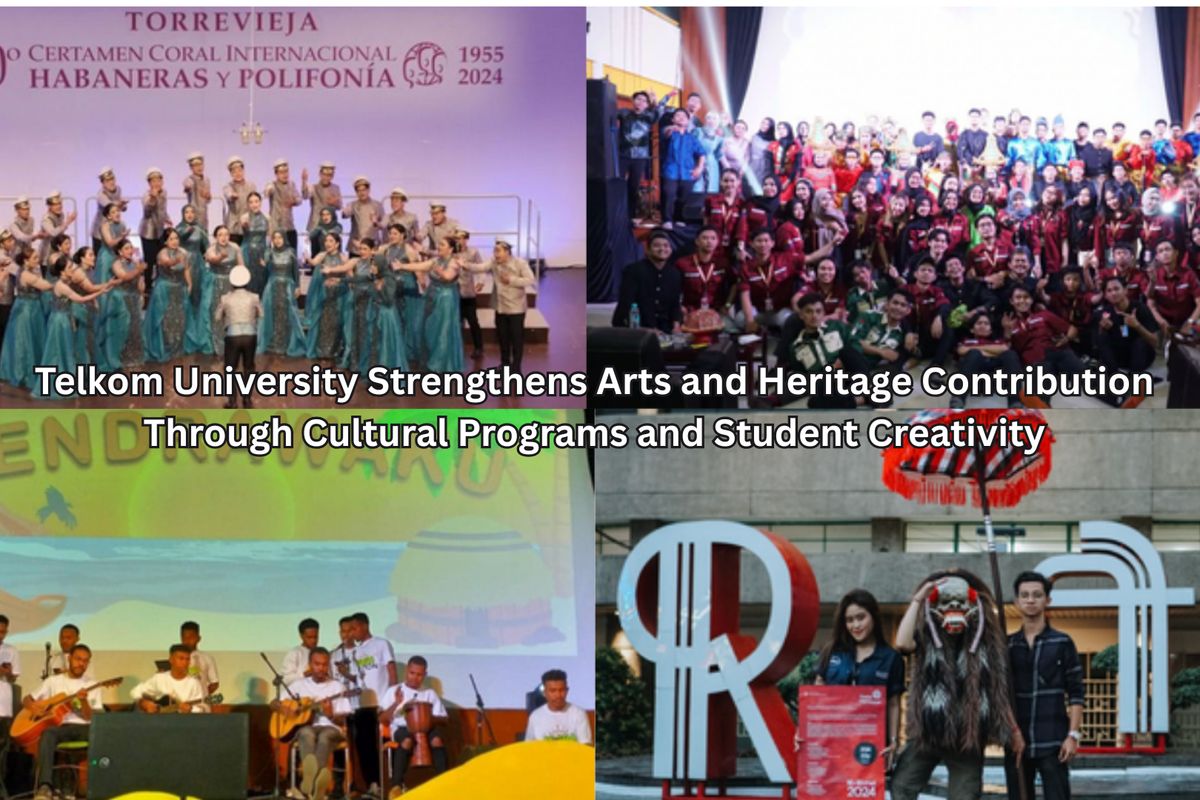
Telkom University Strengthens Arts and Heritage Contribution Through Cultural Programs and Student Creativity
Telkom University strengthens arts and cultural heritage preservation through 32 public performances and cultural activities recorded from January to September 2025, spanning music, theater, dance, film, photography, and visual arts. By encouraging student creativity, celebrating Indonesia’s cultural diversity, and showcasing local traditions to wider audiences, these initiatives contribute to SDG 11 (Sustainable Cities and Communities) and support a vibrant, inclusive cultural environment.
09 Okt 2025 1 menit baca
General
Carbon Emission Reduction and Sustainable Environmental Infrastructure at Telkom University
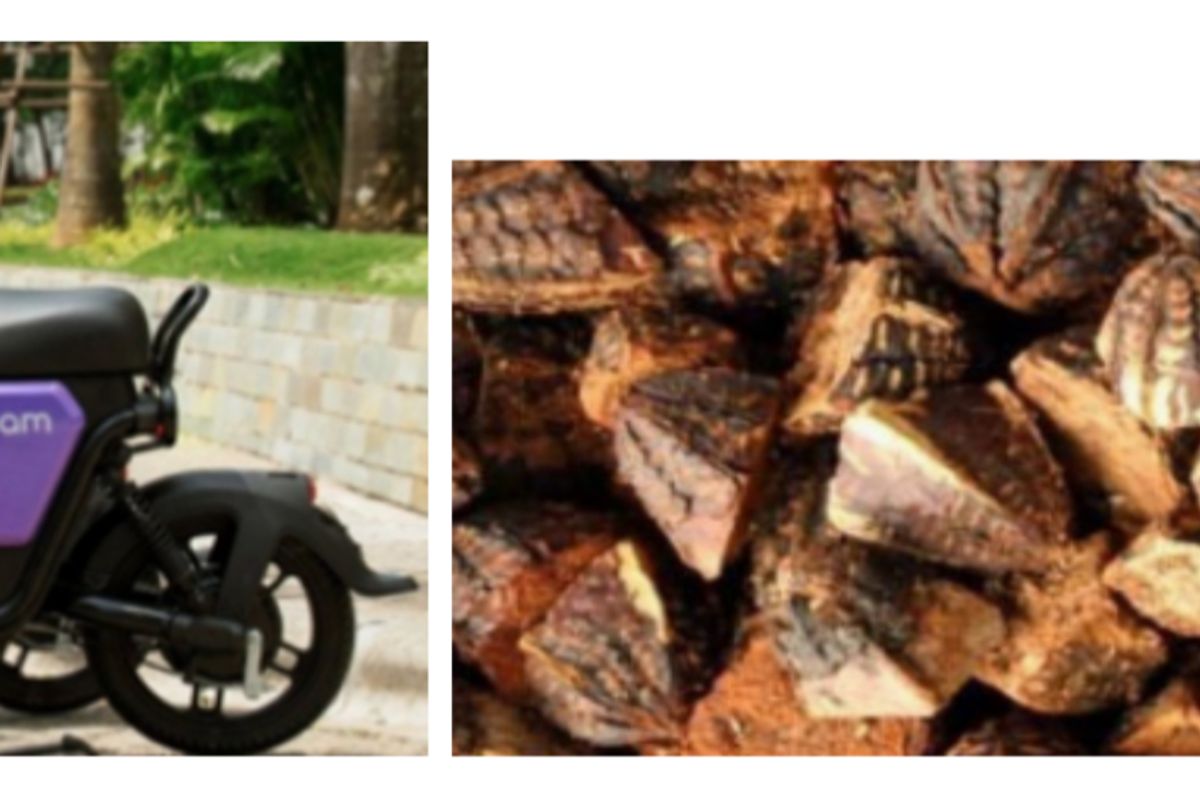
Telkom University strengthens its commitment to carbon emission reduction through technological innovation, energy-efficient infrastructure, green mobility, and campus greening initiatives. Supported by automated building systems, vehicle-free policies, electric transportation, and environmental management programs, these efforts promote a lower-carbon campus while contributing to SDG 7: Affordable and Clean Energy, SDG 11: Sustainable Cities and Communities, and SDG 13: Climate Action.
THE Sustainability Impact Ratings 2027

THE Sustainability Impact Ratings 2027
Telkom University Works with Government to Plan for Climate Disasters
Telkom University is working alongside government agencies at every level, from West Java's provincial disaster management agency to village governments, to plan for floods, landslides and other climate-related disasters. Its researchers build the systems that help officials decide where to send relief supplies, when to warn residents and how to protect people before disaster strikes. The collaborations combine research and community service funded by the university, the Ministry of Higher Education, Science and Technology, regional government and international partners. They put the university's expertise in data, the Internet of Things (IoT) and artificial intelligence (AI) at the service of public disaster planning.
08 Okt 2025
THE Sustainability Impact Ratings 2027
Telkom University Upholds Water Discharge Standards to Protect Ecosystems and Health
elkom University treats every type of wastewater on campus according to its characteristics before the water is reused or discharged. The aim is to uphold water quality and protect the ecosystems, wildlife and people downstream. The campus now runs 22 wastewater treatment installations covering its 53 designated wastewater management locations. Toilet, laboratory, cafeteria and rain water each follow a different treatment route, and much of the treated water is reused on campus instead of being released.
08 Okt 2025 1 menit baca