Berita Terbaru
Kumpulan update dan informasi terkini seputar SDGs.
THE Sustainability Impact Ratings 2026
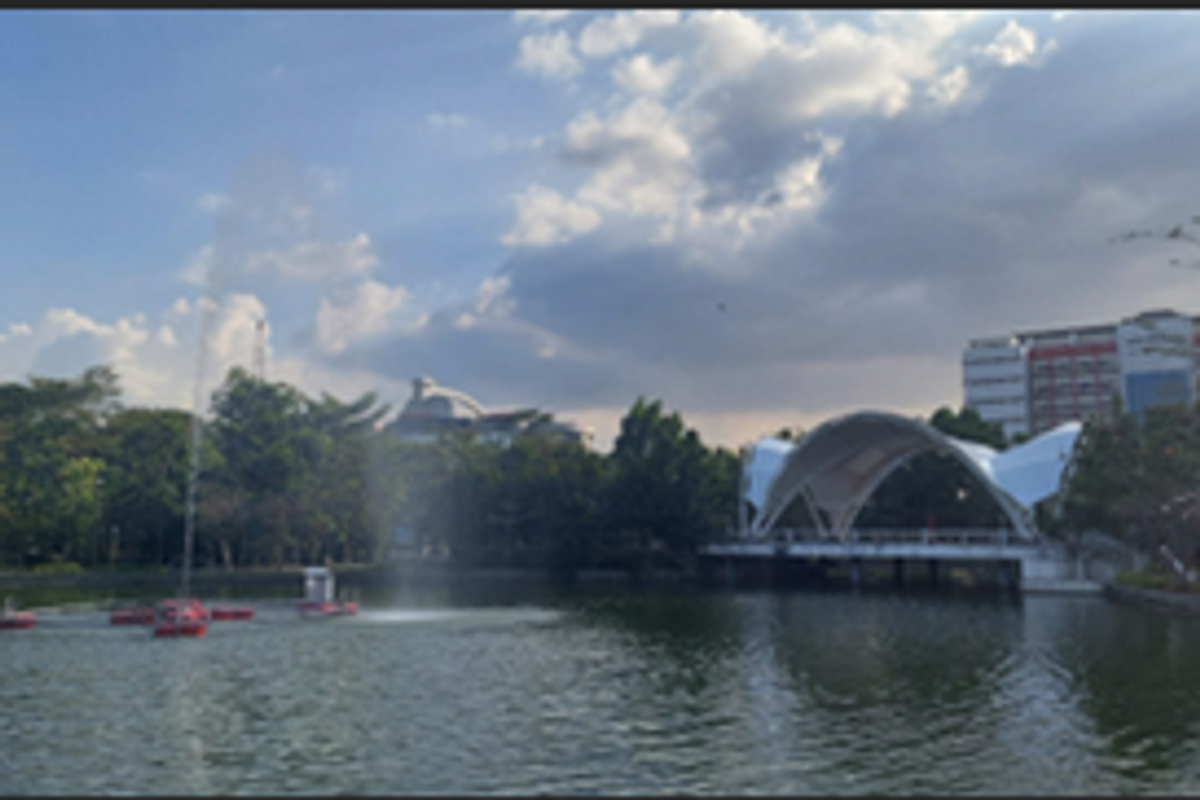
Telkom University’s Commitment to Sustainable Wastewater Treatment and Reuse
Telkom University demonstrates its dedication to environmental sustainability through an integrated wastewater treatment process designed to ensure that all water used on campus is properly managed, treated, and reused. In alignment with Sustainable Development Goal (SDG) 6: Clean Water and Sanitation, the university consistently implements a structured system to reduce pollution, conserve resources, and promote responsible water use within its academic environment.
25 Mei 2024 1 menit bacaSSDGS Telkom University

THE Sustainability Impact Ratings 2026
Telkom University Supports Clean Energy Policy Development Through Research, Innovation, and Strategic Collaboration
As an institution deeply committed to sustainable development and clean energy transition, Telkom University plays an active role in supporting the formulation and implementation of clean energy and energy efficiency policies in Indonesia. Through science and technology-based research, innovation, certification, and institutional partnerships, the university contributes directly to policy development at national and regional levels — bridging academia, government, and industry in advancing the country’s sustainable energy agenda.
22 Mei 2024 1 menit baca
THE Sustainability Impact Ratings 2026
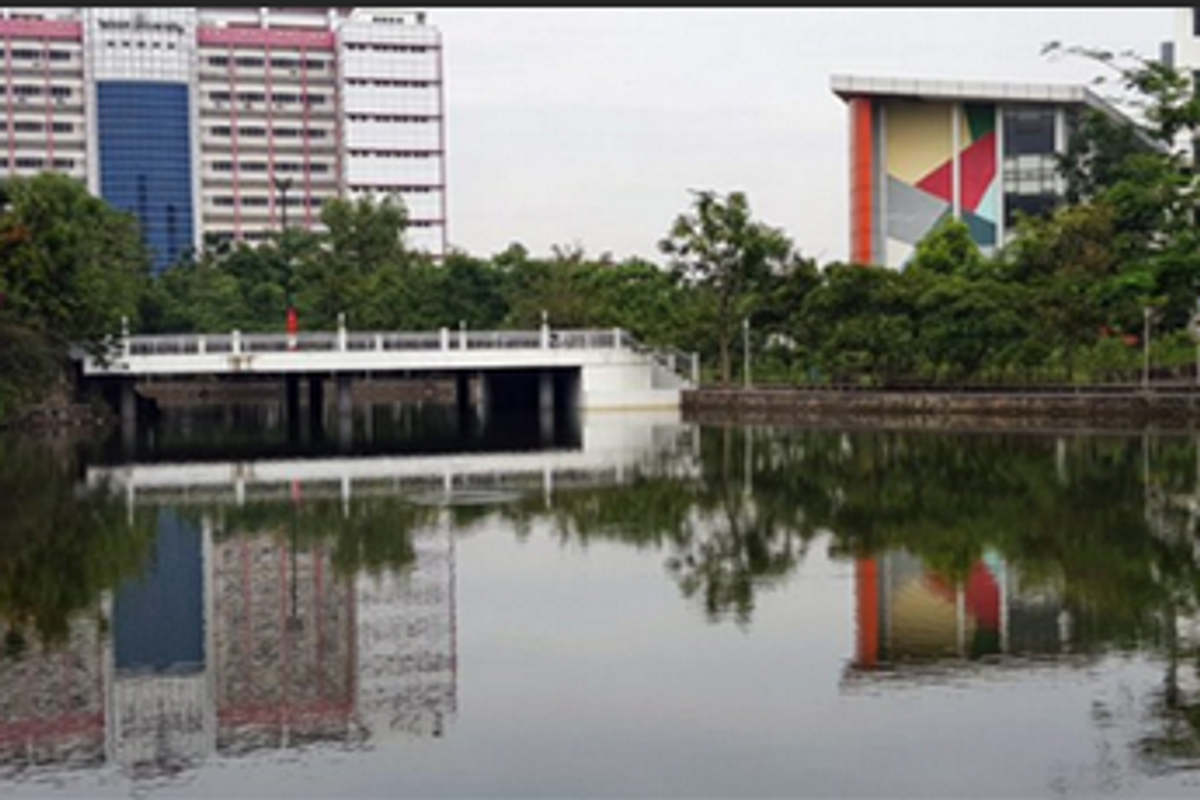
Telkom University Strengthens Its Water Conservation System to Support Sustainable Campus Development
Telkom University continues to enhance its role as an environmentally conscious higher education institution by implementing a comprehensive water conservation system designed to support sustainability, resource efficiency, and ecological balance within the campus area. This initiative reflects the university’s long-term commitment to achieving environmentally sustainable development through the integration of green infrastructure and technology-based environmental management.
15 Mei 2024 1 menit bacaS
THE Sustainability Impact Ratings 2026
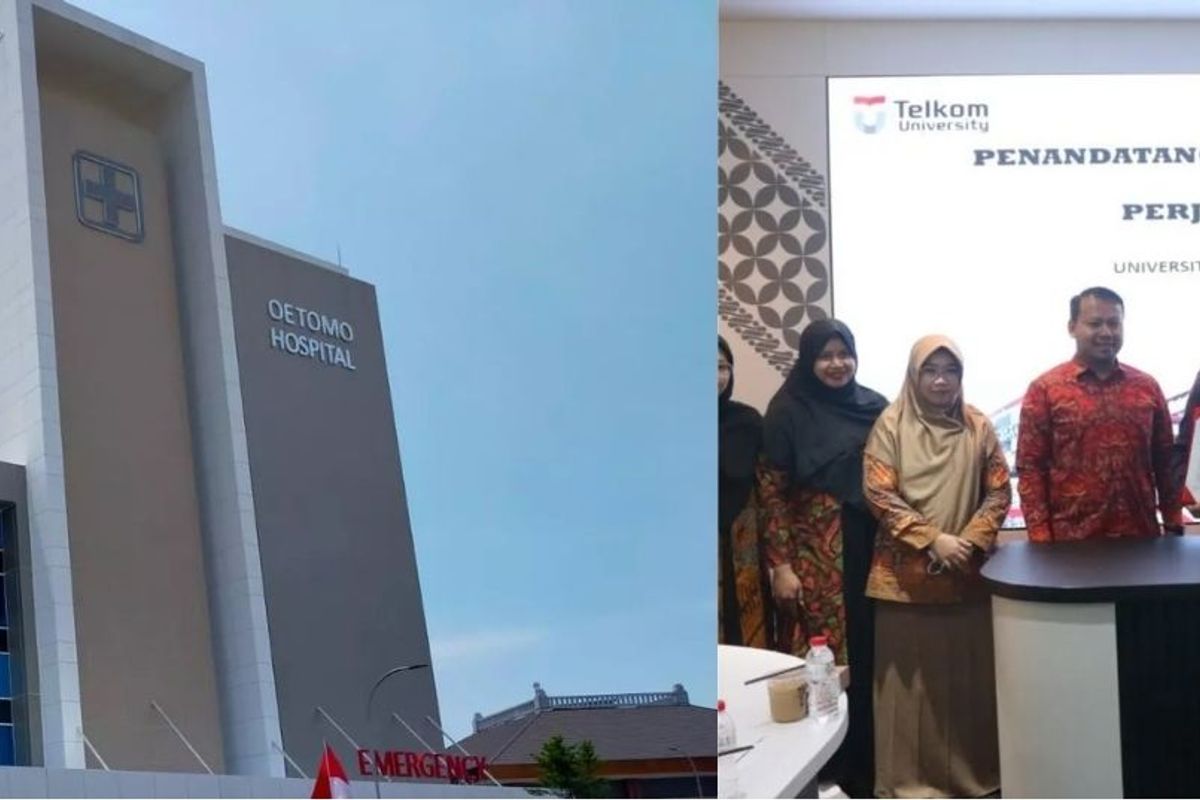
Telkom University’s Collaborations with Health Institutions to Strengthen Public Health and Well-Being
Telkom University reaffirms its commitment to promoting community health and well-being by actively collaborating with several health institutions at both local and national levels. These partnerships serve as a bridge between academic innovation and real-world healthcare practices, allowing the university to contribute not only through education and research but also by empowering society to live healthier and more sustainable lives. Each collaboration reflects Telkom University’s consistent effort to align its mission with Sustainable Development Goal (SDG) 3: Good Health and Well-Being, emphasizing inclusivity, accessibility, and innovation in health-related initiatives.
07 Mei 2024 1 menit baca

THE Sustainability Impact Ratings 2026
Strengthening Employee Welfare through Affordable and Inclusive Housing Programs at Telkom University
Telkom University enhances employee welfare through fair remuneration, affordable housing, and financial support programs that promote stability and inclusivity. By providing accessible living facilities, low-interest housing loans, and comprehensive welfare benefits, the university ensures its staff enjoy security, comfort, and a better quality of life, reflecting its commitment to building a caring, equitable, and sustainable community.
06 Mei 2024 1 menit bacaSSDGS Telkom University
THE Sustainability Impact Ratings 2026
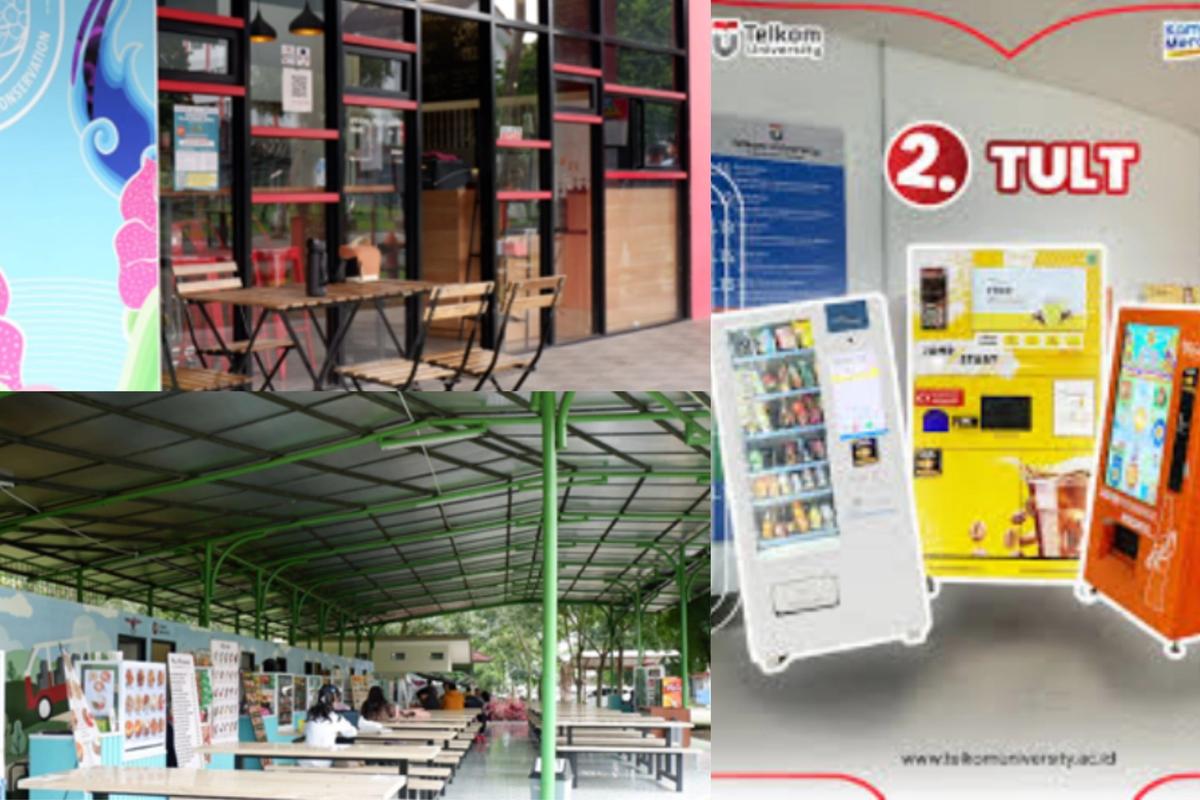
Telkom University’s Staff Hunger Interventions: Strengthening Well-Being Through Accessible Food Support
Telkom University remains deeply committed to the welfare of its entire academic community, including staff members who play an essential role in university operations. Understanding the importance of maintaining energy and nutrition throughout the workday, the university has developed several initiatives under its staff hunger interventions program. By combining food tenants, pantries, vending machines, and budget allocations for meeting refreshments, Telkom University demonstrates its continuous commitment to preventing hunger and promoting a supportive and healthy work environment.
05 Mei 2024 1 menit baca
THE Sustainability Impact Ratings 2026
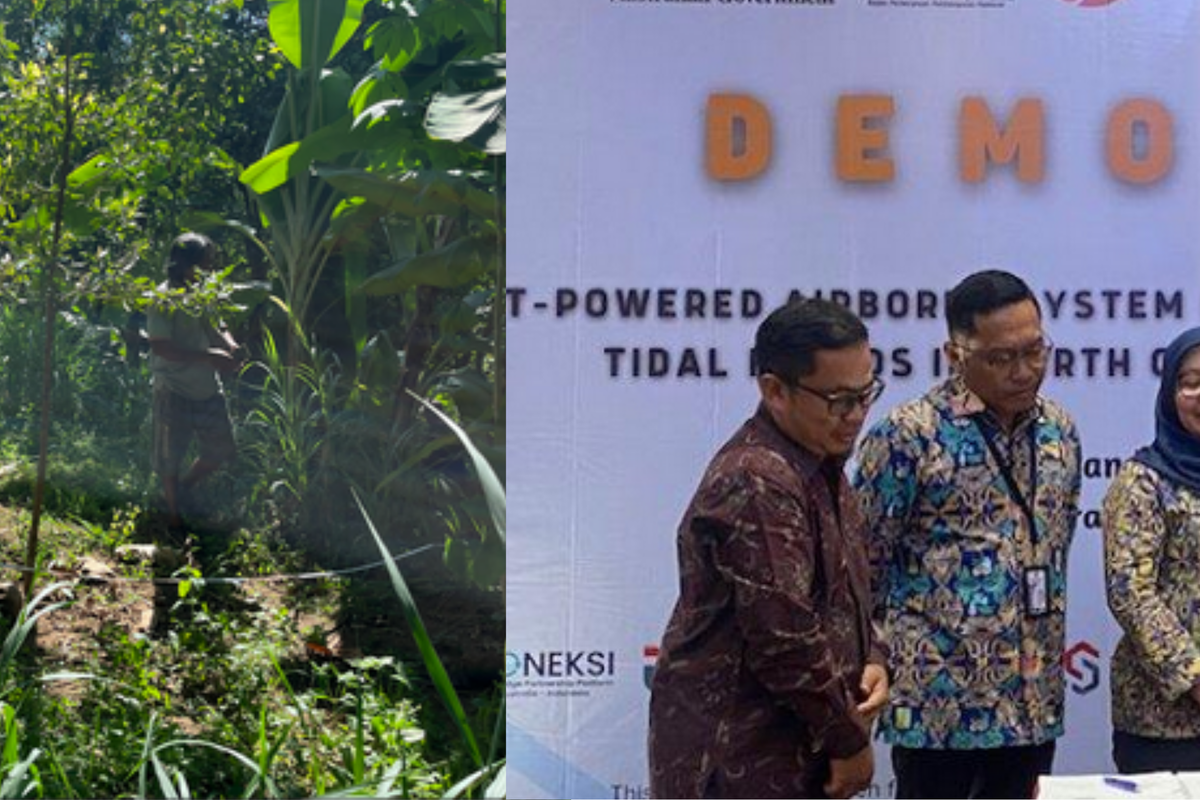
Telkom University Strengthens Climate Action Planning Through Collaborative Research and Carbon Stock Assessment
Telkom University reinforces its commitment to SDG 13: Climate Action through collaborative initiatives, research, and strategic planning aimed at addressing the global climate crisis. In partnership with PT Telkom Indonesia, the university conducted a carbon stock assessment across ten regions in Indonesia to evaluate natural carbon balance and guide emission reduction strategies. Through inclusive involvement of lecturers, students, and global partners such as DFAT Australia via the KONEKSI program, Telkom University advances evidence-based climate action and fosters resilience for a sustainable future.
03 Mei 2024 1 menit baca
THE Sustainability Impact Ratings 2026
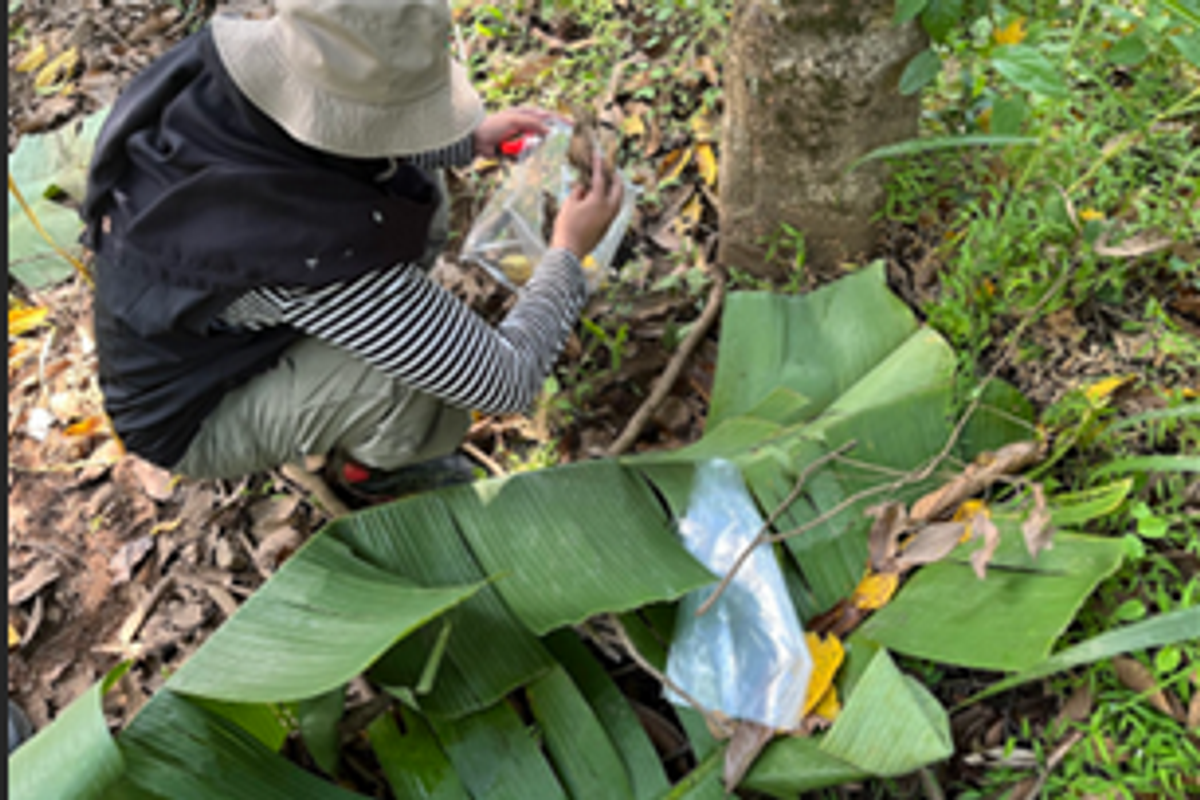
Telkom University Promotes Energy Efficiency and Clean Energy Education for Local Communities
As part of its commitment to environmental sustainability and energy efficiency, Telkom University actively carries out a series of community outreach programs designed to educate and empower local residents about the importance of efficient energy use and the transition toward clean and renewable energy sources. These initiatives reflect the university’s dedication to achieving the Sustainable Development Goals (SDG 7 – Affordable and Clean Energy) and SDG 13 (Climate Action), while fostering awareness and behavioral change within surrounding communities.
18 Apr 2024 1 menit baca
THE Sustainability Impact Ratings 2026
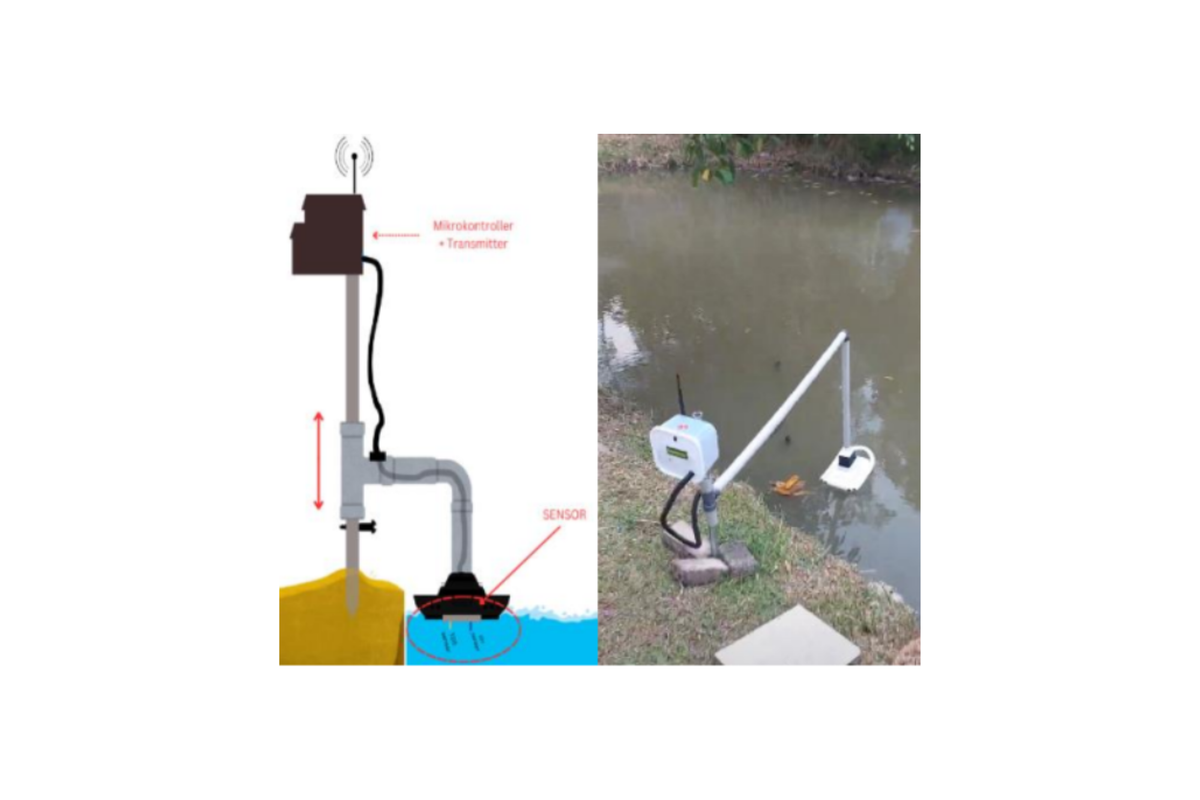
Telkom University Advances Sustainable Water Extraction and Monitoring Technologies
Telkom University continues to strengthen its commitment to sustainable water extraction and conservation through technological innovation, research-based solutions, and environmentally responsible water management systems on campus and beyond. These initiatives are designed to ensure efficient, safe, and ecologically sustainable water use, supporting the university’s vision of a green and resilient campus.
12 Apr 2024 1 menit bacaSSDGS Telkom University
THE Sustainability Impact Ratings 2026
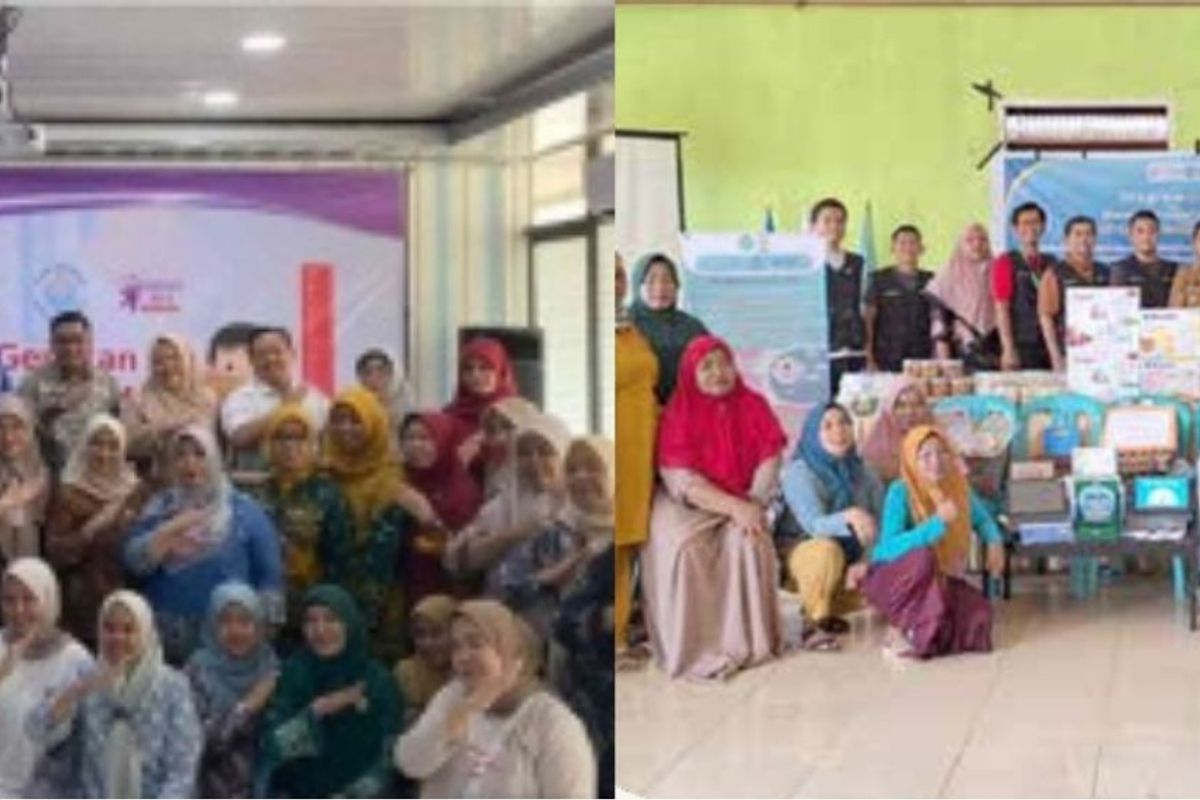
Telkom University Empowers Communities Through Health Outreach and Digital Innovation
Telkom University remains consistent in its mission to enhance public health and well-being through various outreach programs and collaborative initiatives.
12 Apr 2024 1 menit bacaSSDGS Telkom University
THE Sustainability Impact Ratings 2026
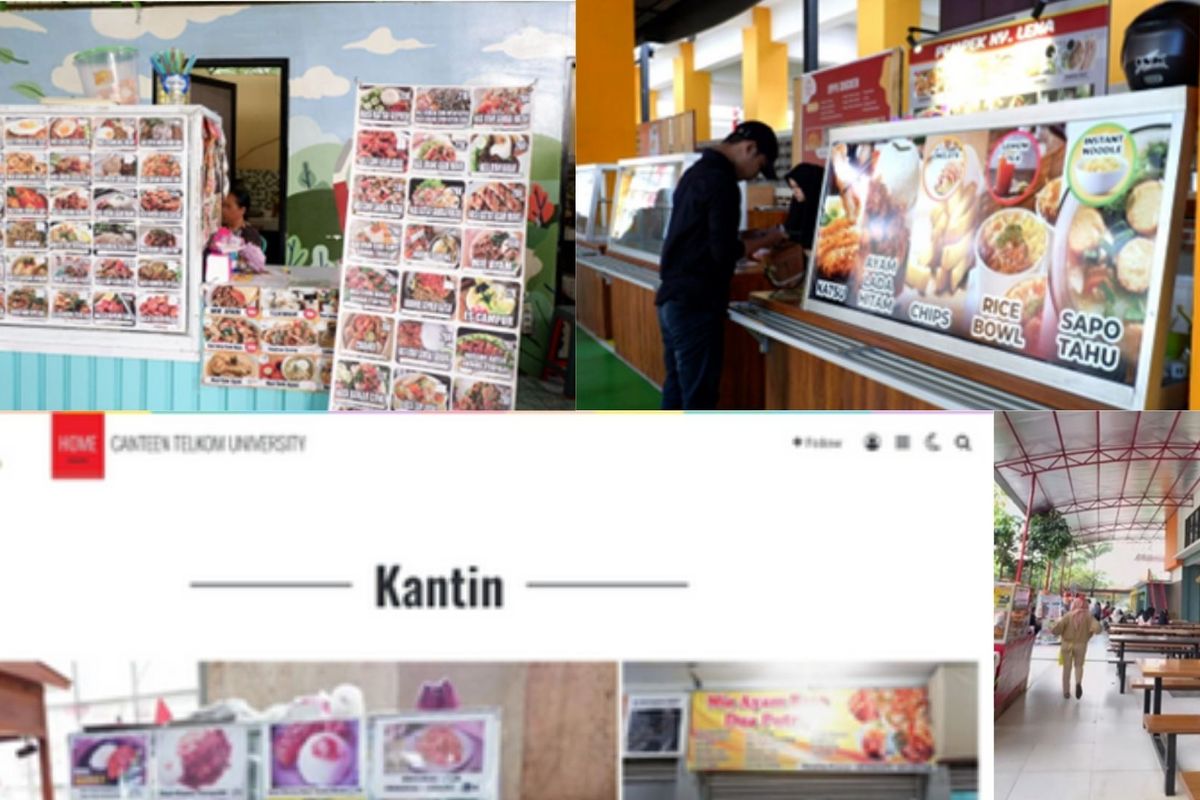
Telkom University’s Commitment to Sustainable Food Choices through Inclusive Canteen Management
Telkom University continues to reinforce its reputation as a leading green and sustainable campus by promoting sustainable food choices for everyone on campus—students, staff, and faculty. Through the management of campus canteens and a structured vendor selection process, the university ensures that access to food is not only convenient and affordable but also mindful of health, inclusivity, and environmental impact. This initiative reflects the university’s strong support for the United Nations Sustainable Development Goals (SDGs), particularly SDG 2: Zero Hunger and SDG 12: Responsible Consumption and Production.
11 Apr 2024 1 menit baca
THE Sustainability Impact Ratings 2026
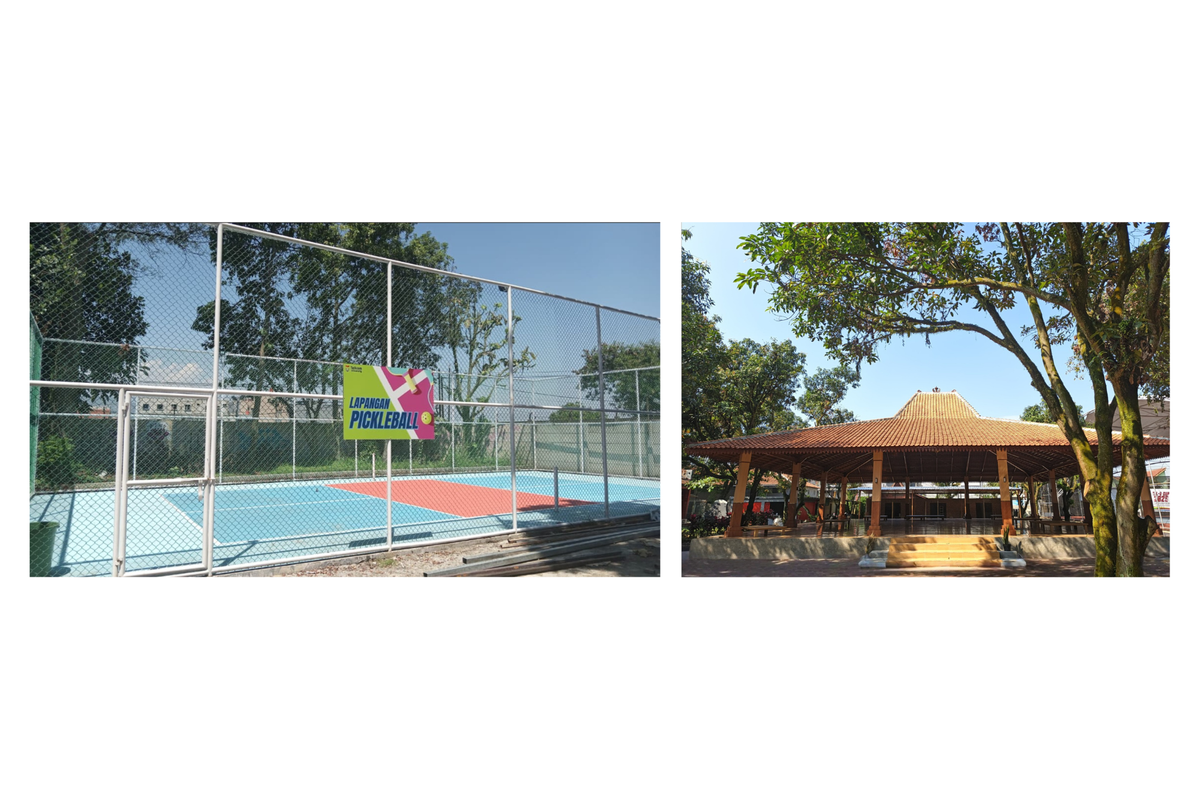
Telkom University Preserves History Through the Adaptive Use of Brownfield Sites
Telkom University demonstrates its commitment to sustainable land use through the revitalization of brownfield sites into functional, community-centered spaces. Instead of expanding into green areas, the university constructs new facilities on previously used land such as the Pendopo (Open Hall), Pickleball Court, 3x3 Basketball Court, and Vehicle Wash Facility. These developments embody Telkom University’s balance between innovation, sustainability, and cultural preservation creating a campus that supports both environmental responsibility and student well-being.
06 Apr 2024 1 menit bacaS