Kumpulan update dan informasi terkini seputar SDGs.
3 SDG dipilih
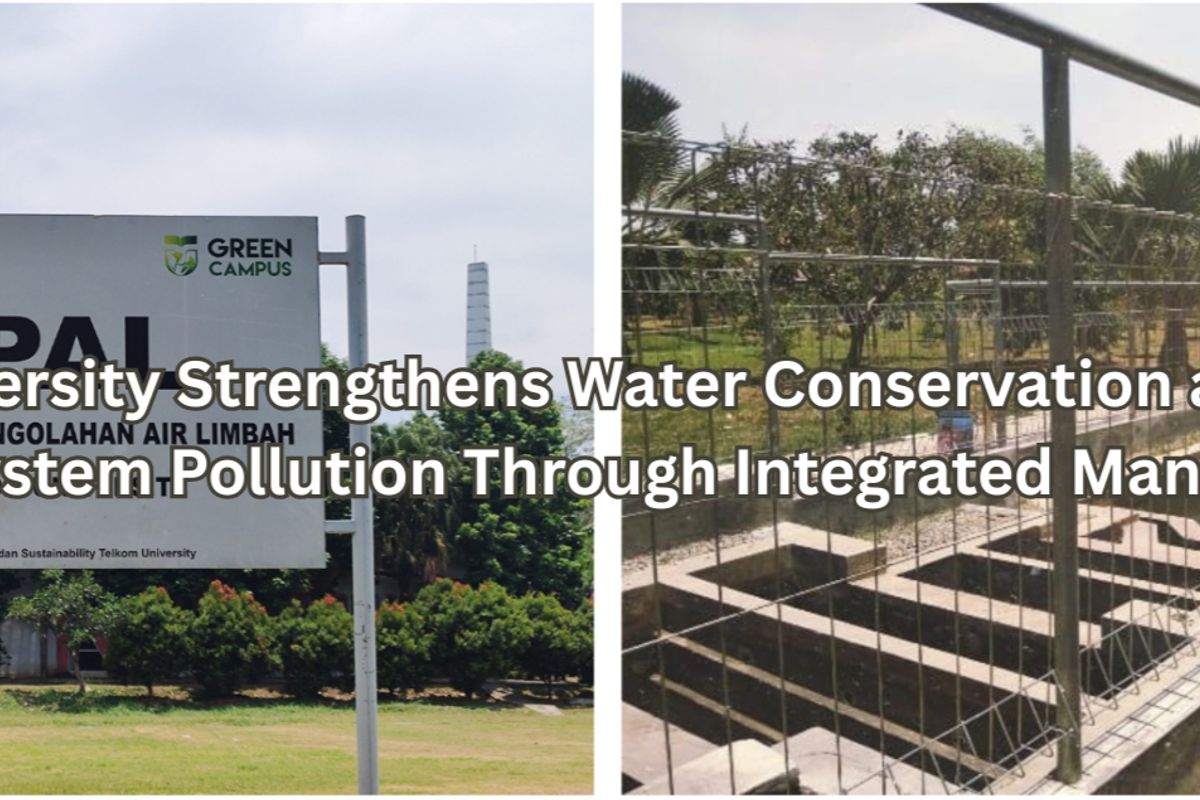
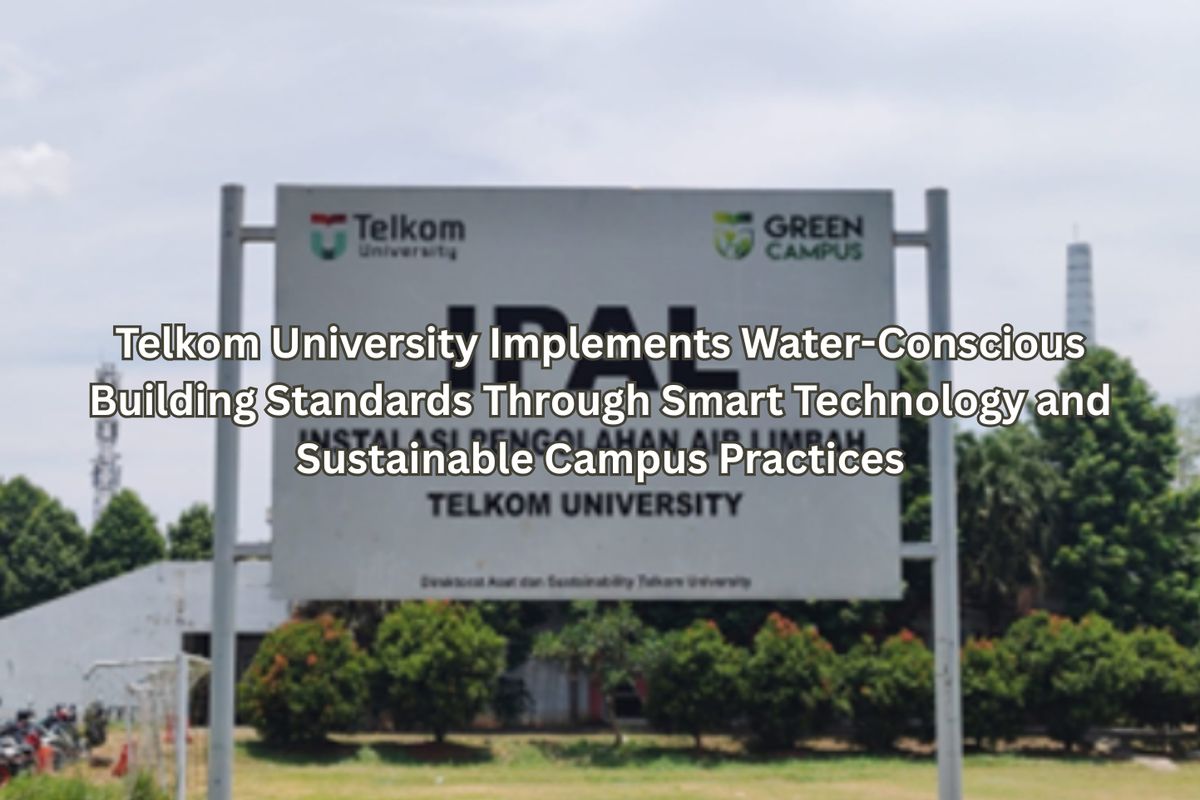
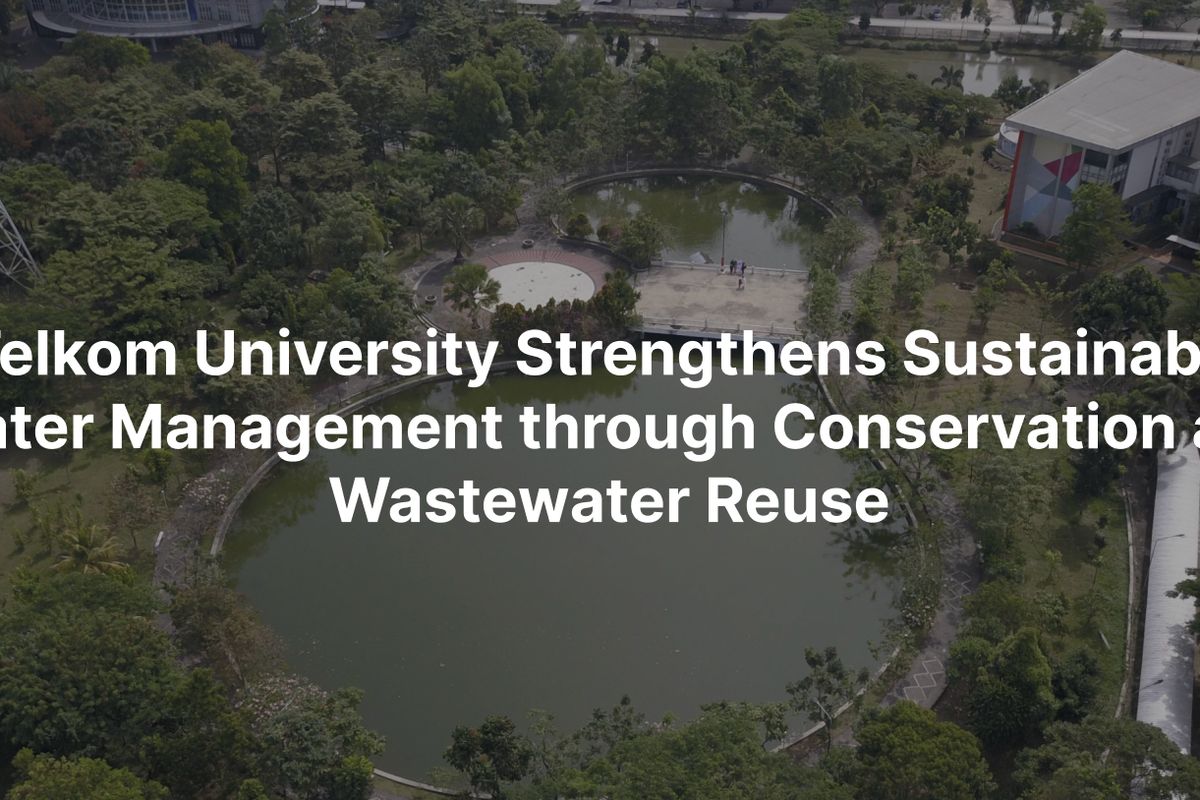
Telkom University prevents water system pollution by filtering river water through its campus IPAL and retention ponds before it reaches Situ Tekno, treating wastewater in 28 STP and IPAL units, and collecting used cooking oil and hazardous laboratory waste separately. Infiltration wells and biopores across 34% of the campus also reduce polluted runoff.
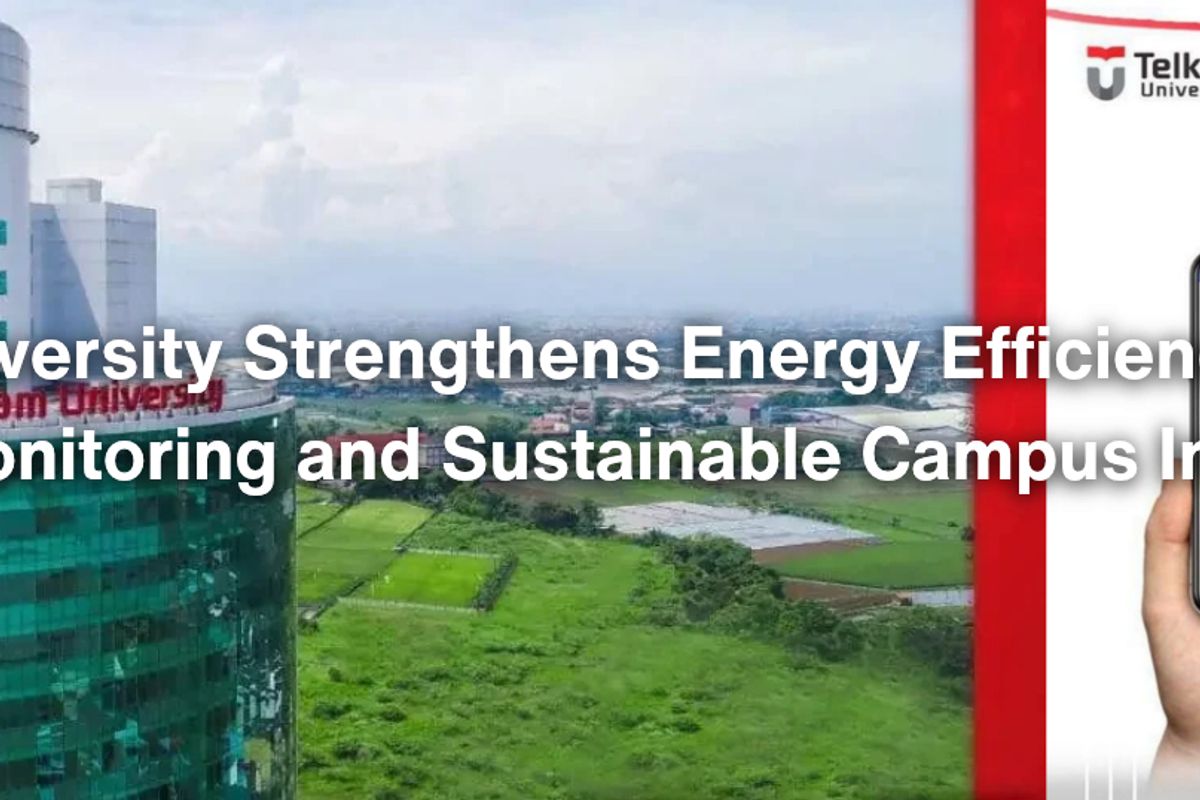
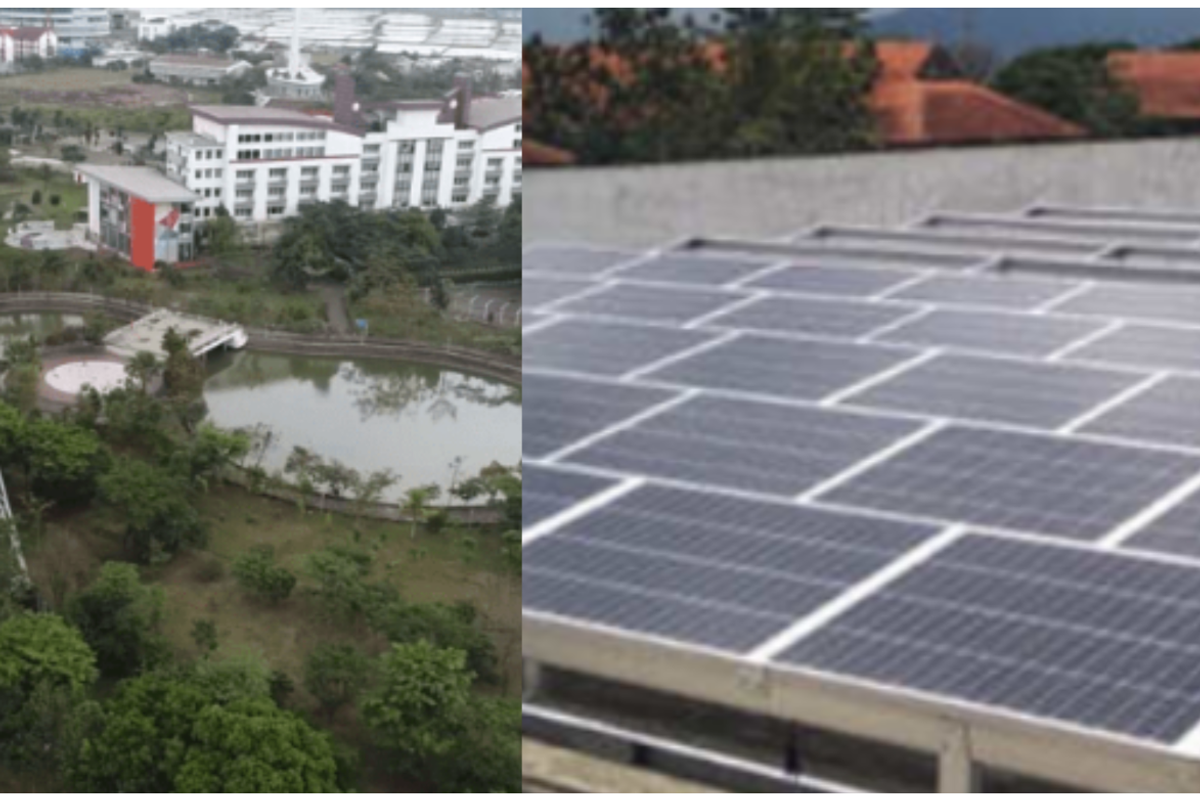
Telkom University strengthens energy efficiency through regular energy audits, IoT-based monitoring, smart building technologies, and renewable energy development. Supported by the Intelligent Energy Management System (IEMS), LED upgrades, and community-based energy initiatives, these efforts aim to reduce energy waste, improve campus operations, and support SDG 7: Affordable and Clean Energy, SDG 11: Sustainable Cities and Communities, and SDG 13: Climate Action.
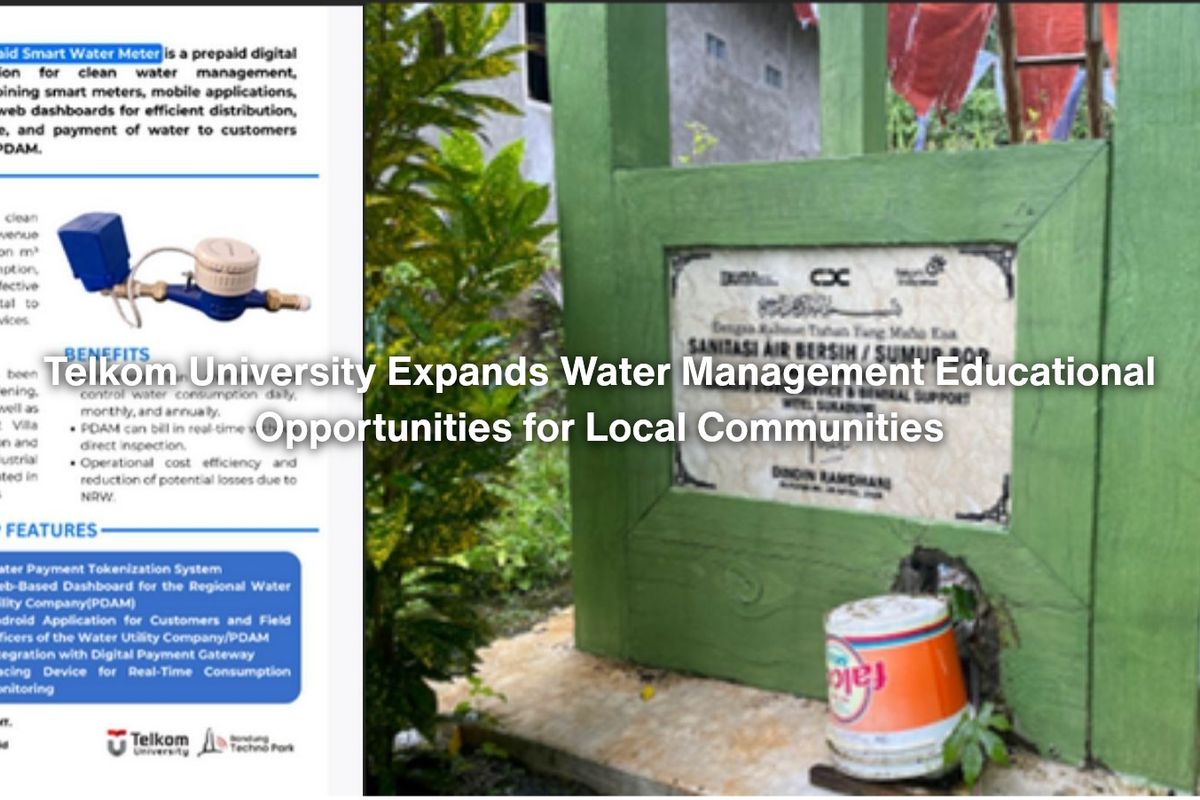
In 2025, Telkom University delivered 27 free water management educational activities for local communities. Villages learned to use automated flood pumps, water-level monitoring and early warning systems such as CITRA BANJIR and NotiFlood. Farmers adopted IoT and LoRa-based drip irrigation and solar-powered pumps, while fish farmers, BUMDes and community groups were trained in water filtration, water-quality monitoring and pipe-leak detection, and high school students learned to measure water levels with IoT sensors. The university also evaluated clean water facilities and provided sanitation education in communities across Java through the Moneva SAB programme with PT Telkom Indonesia.
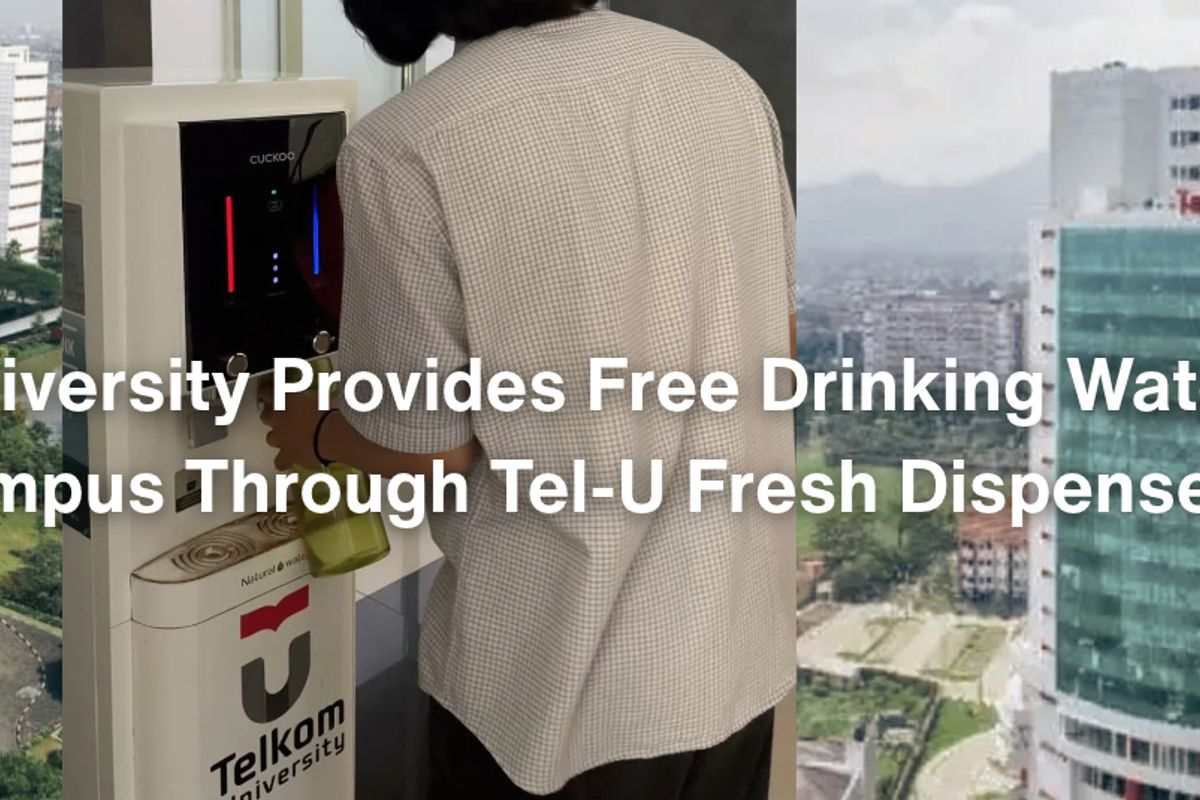
Telkom University provides free access to safe drinking water through more than 20 Tel-U Fresh dispensers across campus. Supported by a four-stage water filtration system, this initiative promotes healthy hydration, reduces single-use plastic waste, and encourages sustainable consumption in line with SDG 6: Clean Water and Sanitation and SDG 12: Responsible Consumption and Production.
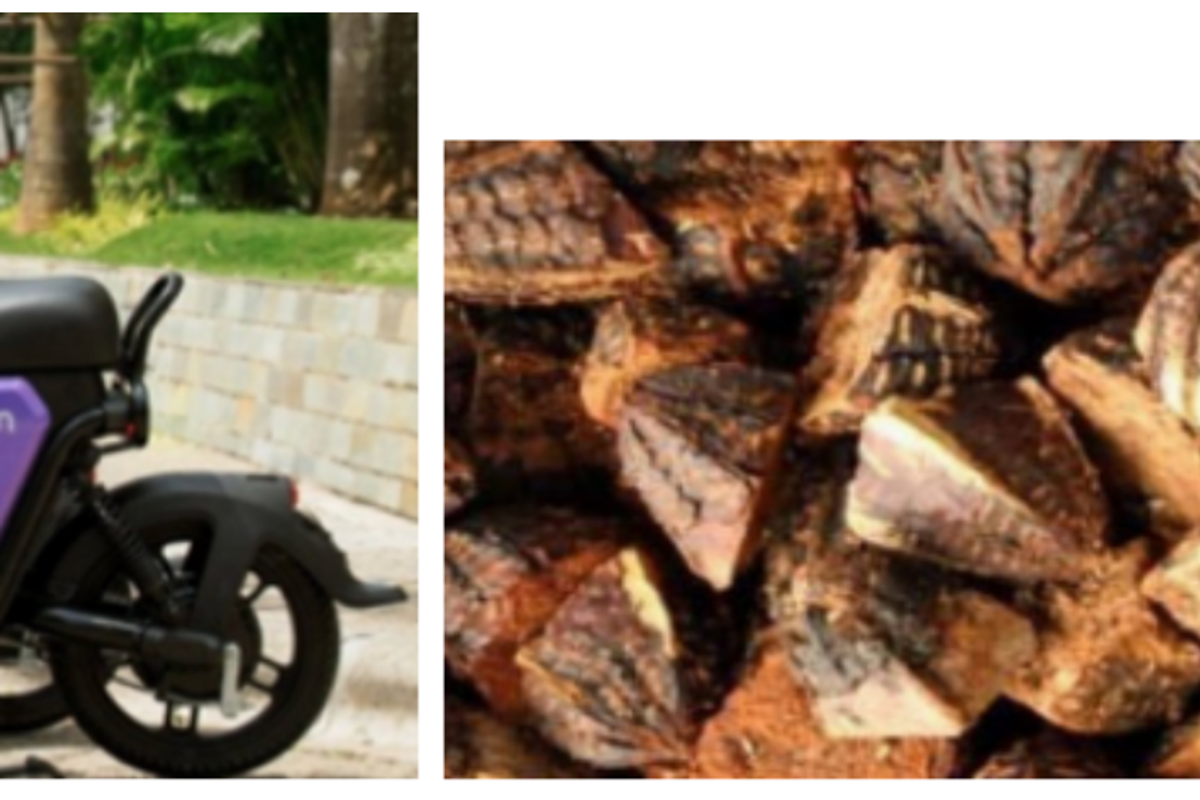
Telkom University prioritises local and sustainable food sources. On 23 June 2025, it signed Kampung Sorgum website licence agreements with Sorgumology StartUp, Komunitas Halal Bandung and KWT Melati Sorgum. Its canteen agreements require local MSME tenants to serve healthy, halal food in degradable packaging, without Styrofoam or packaged drinks, and it is developing Smart Poultry Farming and the IoT- and solar-powered Crabhouse silvofishery programme.
Through its university measures towards affordable clean energy policy divesting investments, Telkom University phases down coal and oil use under Rector’s Decree No. KR.331/ORG01/SPS-P3I/2024, holds fuel vehicle-free Fridays, and builds clean energy expertise through its Energy Systems Engineering programme.
Telkom University has a clear plan to use less energy across its campus. Guided by its Digital Green Campus Masterplan, the university combines efficient building technology, smart monitoring, renewable energy and everyday energy-saving habits to bring down its overall consumption. With campus buildings using more than 6.7 million kWh of electricity in 2024, every saving counts, both for the budget and for the climate.
Telkom University applies water-conscious building standards, fitting new buildings with dual-flush toilets, installing sensor and push taps, and making showers standard in dormitories housing 7,000 students. Water-saving devices now make up 73% of campus fixtures, supported by rainwater harvesting and IoT monitoring.
Telkom University manages its carbon footprint through a clear cycle: measure, act and check again. The university counts the emissions produced by its electricity use, transport, fuel and waste, uses those numbers to set reduction targets and policies, and then puts them into practice through energy efficiency, renewable energy, greening and low-emission transport. This process is part of its Green Campus programme and its commitment to climate action.
Telkom University’s water reuse policy, set out in rector decrees KR.963/2023 and KR.331/2024, commits the campus to maximising recycled water. Treated STP water, filtered canal water and harvested rainwater are reused for gardens, crops, fish ponds, a recycled-water car wash and greenhouse irrigation, reducing reliance on groundwater.
Telkom University is steadily upgrading its existing buildings to use energy more efficiently. Guided by its Digital Green Campus Masterplan, the university is fitting older buildings with smart features for lighting, automation, energy and indoor comfort. Its latest data show that 46 campus buildings, covering 289,831 square metres, have been assessed against smart building criteria, and buildings that meet the standard now make up about 89% of the total building area.
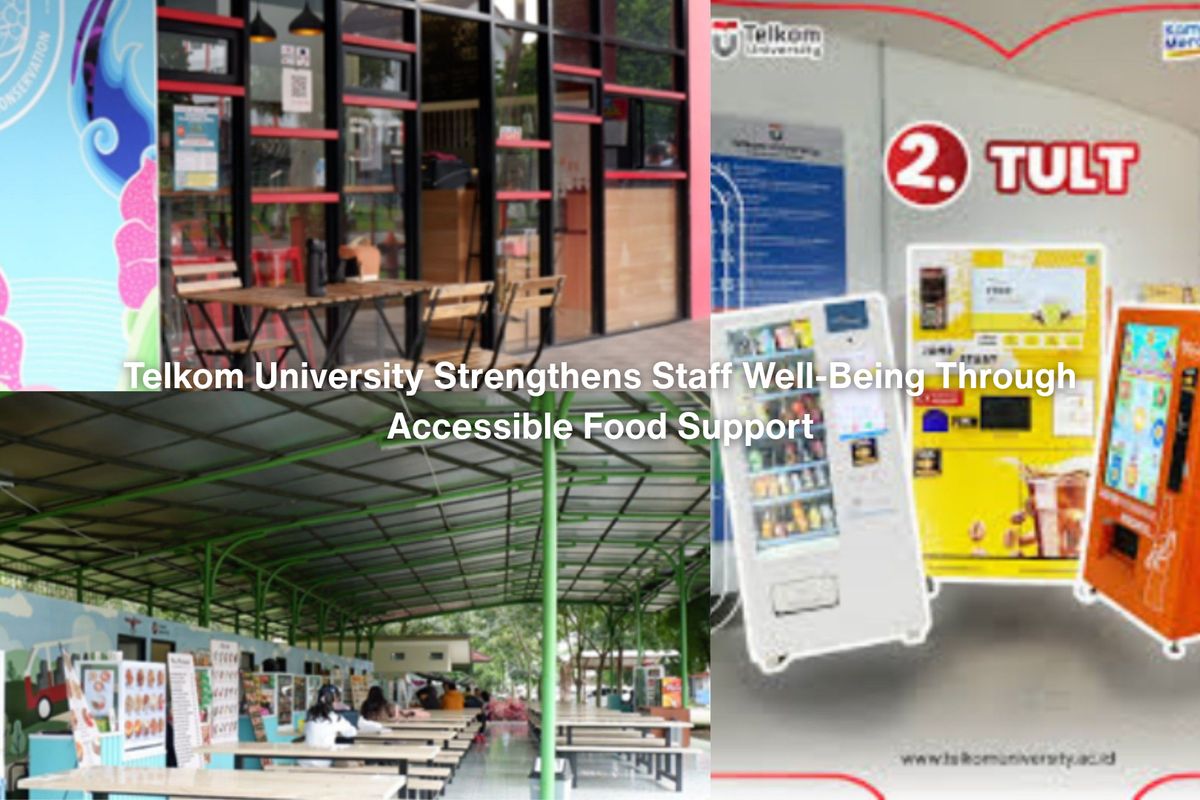
Telkom University supports employee welfare and food security through various workplace initiatives, including food tenants, office pantries, food banks, vending machines, meeting refreshments, and monthly meal allowances. These efforts aim to ensure convenient access to food while promoting a healthy and supportive working environment in line with SDG 2: Zero Hunger and SDG 3: Good Health and Well-Being.