Berita Terbaru
Kumpulan update dan informasi terkini seputar SDGs.

THE Sustainability Impact Ratings 2027
Learning for a Sustainable Future: Telkom University Embeds the SDGs in Courses Across Every Level
Telkom University offers specific courses on sustainability across diploma, bachelor’s, master’s and doctoral programmes, such as Sustainable Fashion, Sustainability Marketing, Sustainable Hotel and Renewable Electrical Energy Systems. More than 1,000 courses are mapped to the SDGs.
14 Nov 2025 1 menit bacaSSDGs Center
THE Sustainability Impact Ratings 2027
Counting Every Kilogram: Telkom University Tracks Campus Waste From Bin to Recycling
Telkom University tracks campus waste through the Smash-Pay platform and Green Compost by ASUS Tel-U. In 2024 it recorded 281.2 tons of waste across leaf, food and inorganic streams, and in 2025 it measured about 34 tons of inorganic waste a month, with 6.6 tons sold for recycling.
14 Nov 2025 1 menit baca
General
Telkom University Strengthens Partnerships with Government and NGOs in Advancing SDG Policy Development
Telkom University advances SDG 17 (Partnerships for the Goals) through collaboration with government institutions, NGOs, and international organizations to support sustainability education, digital innovation, and policy development. From contributing to UNESCO-led Education for Sustainable Development initiatives and presenting virtual reality technology at VR Expo Osaka to participating in regional ICT networks such as ASEAN IVO and the ITU Asia-Pacific Regional Development Forum, the university fosters knowledge exchange and cross-sector partnerships to address shared sustainability challenges at national, regional, and international levels.
13 Nov 2025
THE Sustainability Impact Ratings 2027
From Sea to Plate, Responsibly: Telkom University Commits to Sustainable Aquatic Food on Campus
Through supporting aquatic ecosystems through action policy campus food sustainably harvested, Telkom University commits under Rector’s Decree KR.331/ORG01/SPS-P3I/2024 to ensuring that food on campus from aquatic ecosystems is sustainably harvested, backed by a circular that keeps canteen waste out of waterways.
13 Nov 2025 1 menit baca
THE Sustainability Impact Ratings 2027

From Friday Lunches to Campus Sorghum: How Telkom University Keeps Its Students Well Fed
Telkom University keeps students well fed with free Jumat Berkah lunches every Friday, free iftar meals on Mondays and Thursdays, budget-friendly canteens and vending machines, campus-grown sorghum, and nutrition education with the Bandung Health Agency.
13 Nov 2025 1 menit baca
General
Telkom University Strengthens Partnerships with Government and NGOs in Advancing SDG Policy Development
Telkom University strengthens cross-sector partnerships with government institutions, NGOs, and international organizations to advance sustainable development policies. Through sustainability education initiatives, digital innovation, and regional ICT networks, the university promotes knowledge exchange and collaborative solutions to global challenges in support of SDG 17: Partnerships for the Goals.
13 Nov 2025 1 menit baca
THE Sustainability Impact Ratings 2027
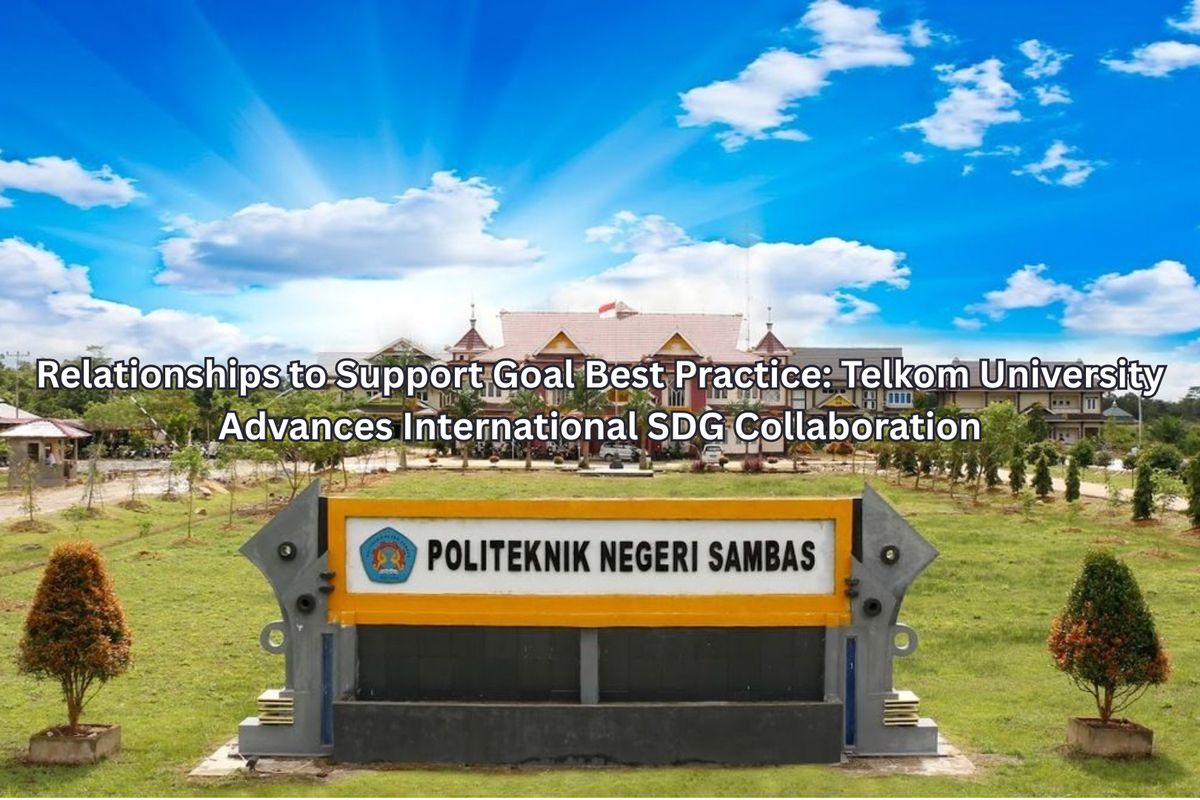
Relationships to Support Goal Best Practice: Telkom University Advances International SDG Collaboration
Telkom University continues to strengthen its contribution to the Sustainable Development Goals (SDGs) through international research, community engagement, and knowledge exchange with universities and institutions around the world. By comparing sustainability approaches across countries and adapting proven practices to local needs, the university demonstrates how relationships to support goal best practice can help translate global sustainability commitments into practical solutions. In 2025, Telkom University conducted 46 research projects and 27 community engagement projects with international partners, supported by a register of 144 international cooperation agreements across 23 countries and territories. These collaborations connect academic research with real-world challenges, enabling partners to share knowledge, evaluate different approaches, and identify effective practices that can be applied across diverse social, economic, and environmental contexts.
13 Nov 2025
Implementasi Program
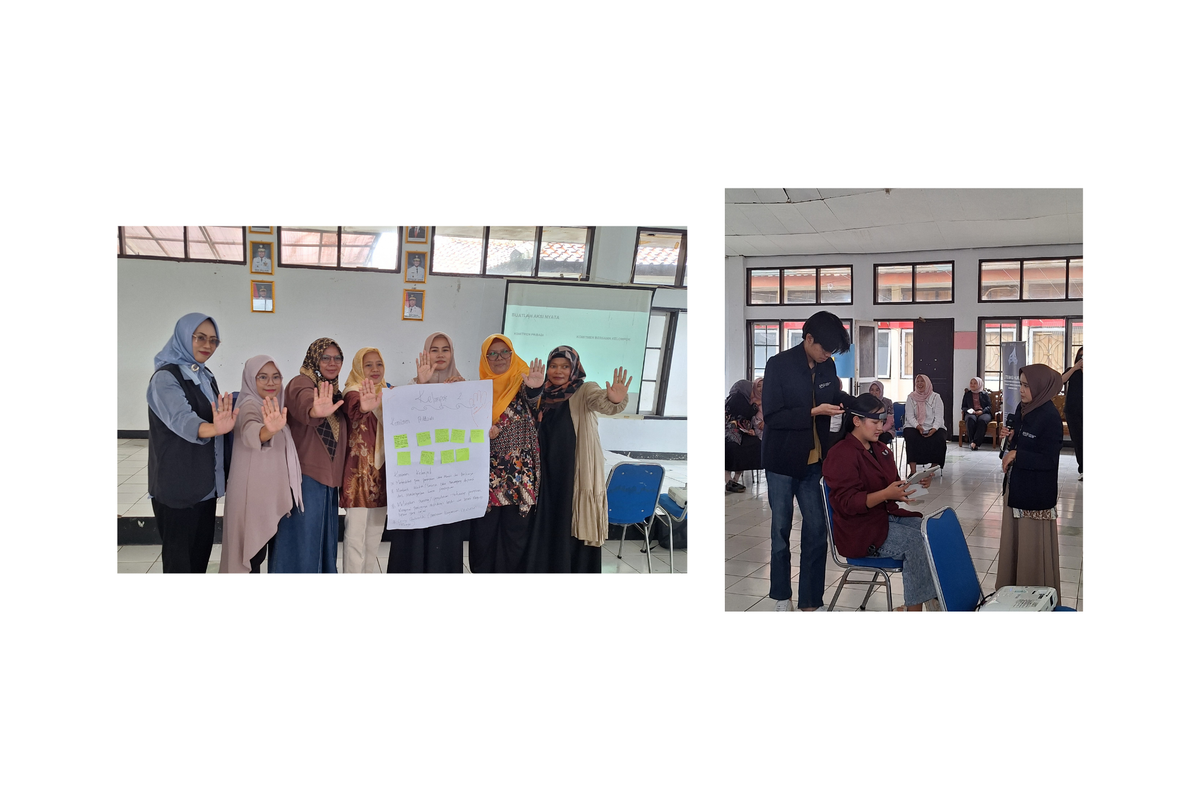
Workshop Literasi Hukum & Digital Perkuat Upaya Pencegahan KDRT di Kecamatan Cihampelas
Peningkatan kapasitas masyarakat dalam memahami pencegahan Kekerasan Dalam Rumah Tangga (KDRT) kembali dilakukan melalui Workshop Literasi Hukum & Digital untuk Pencegahan KDRT yang diselenggarakan oleh Digital Collaboration for Sustainability (DCS) Telkom University bekerja sama dengan Telkom Indonesia. Bertempat di Kecamatan Cihampelas, kegiatan ini diikuti oleh 30 peserta yang terdiri dari kader desa dan perwakilan masyarakat.
12 Nov 2025 1 menit bacaSSDGS Telkom University
THE Sustainability Impact Ratings 2027

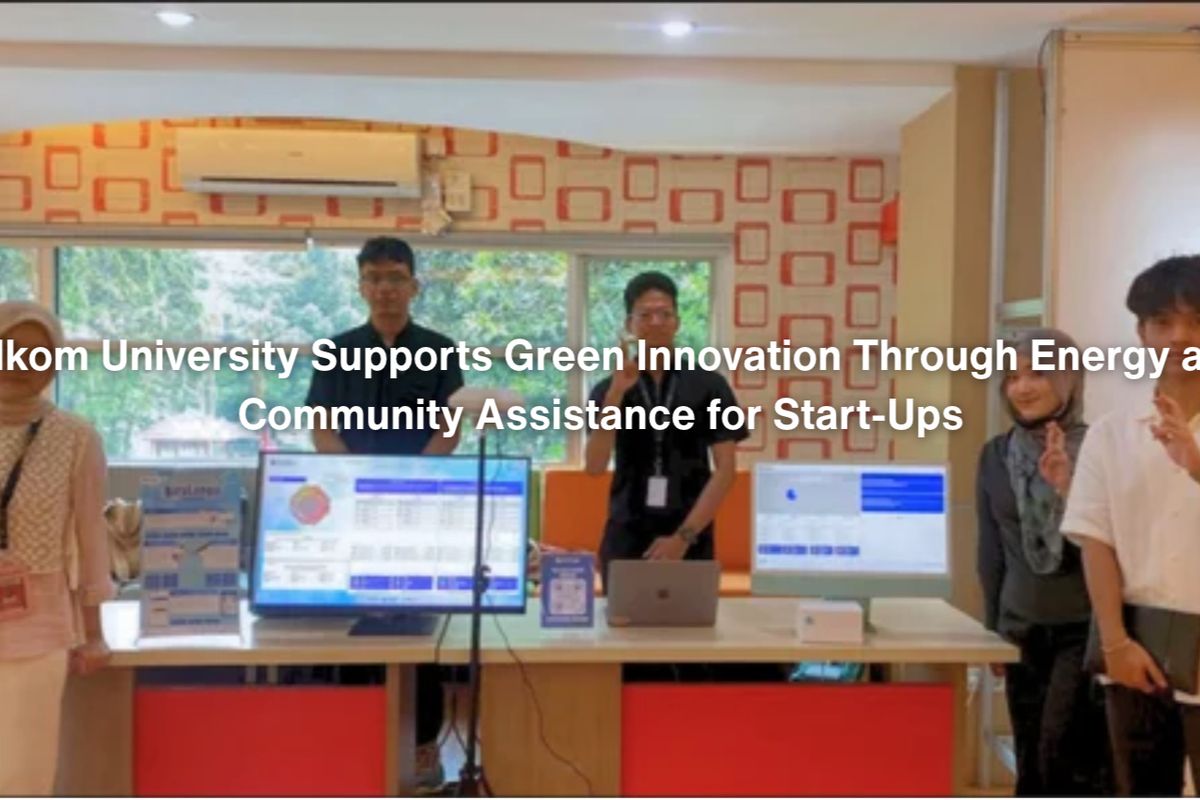
Telkom University Supports Green Innovation Through Energy and Community Assistance for Start-Ups
Telkom University provides energy and community assistance for start-ups through Bandung Techno Park innovation grants, a BRIN-funded carbon monitoring project with the university start-up PT Eskhalasi Langit Biru, a 2025 partnership with Hong Kong Cyberport to help start-ups reach overseas markets, and community service programmes. Together, these helped small enterprises adopt electric mobility, solar energy and waste-to-value technology.
09 Nov 2025
THE Sustainability Impact Ratings 2027
One River, One Lake, One Coast at a Time: Telkom University Tailors Water Protection to Local Ecosystems
Through maintaining local ecosystem watershed management strategy, Telkom University tailors water protection to each river, lake and coast. Its work includes flood monitoring, plastic recycling in the Citarum basin, species research in Lake Batur, and Crab House monitoring in Cirebon.
08 Nov 2025 1 menit baca
General
Energy Efficiency and Smart Building Implementation at Telkom University: Advancing Green Building and Campus Sustainability
Telkom University advances energy efficiency through its Digital Green Campus Masterplan by integrating smart energy management, renewable energy systems, and energy-efficient building technologies. With IoT-based monitoring, automated facilities, and 258,592 m² of smart building areas, the university strengthens its commitment to sustainable infrastructure and supports SDG 7: Affordable and Clean Energy, SDG 11: Sustainable Cities and Communities, and SDG 13: Climate Action.
THE Sustainability Impact Ratings 2027
Leave the Engine, Take the Path: Telkom University Gets Its Community Moving Greener
Through its sustainable practices actions, Telkom University encourages greener travel on campus with an over-4 km walking network, the TelUtizen 10,000-steps challenge on Instagram, and electric shuttles that link buildings, car parks and dormitories.
06 Nov 2025