Kumpulan update dan informasi terkini seputar SDGs.
1 SDG dipilih
SDGs Center Telkom University dan UIN Mataram menggelar rangkaian kegiatan kolaboratif di Lombok pada 20-21 November 2026. Kegiatannya meliputi penandatanganan MoU kerja sama pengembangan program SDGs, Coaching Clinic SDGs Center UIN Mataram, dan penanaman mangrove untuk mendukung SDGs 13 (Penanganan Perubahan Iklim) dan SDGs 14 (Ekosistem Lautan).
Telkom University dan UIN Mataram menandatangani MoU Joint Partnership SDGs dan menggelar Sharing Session di Mataram. Kolaborasi ini mendukung SDGs 13 (Penanganan Perubahan Iklim) dan SDGs 14 (Ekosistem Lautan) melalui program riset, inovasi, penguatan SDM, dan pengabdian masyarakat.
Discover how Telkom University is driving sustainable impact through innovation, environmental stewardship, and community empowerment. The 2025 Sustainability Report showcases major milestones, from climate resilience initiatives to nationally recognized digital solutions that advance the Sustainable Development Goals (SDGs).
Katalog Inovasi Telkom University merupakan publikasi yang menghimpun berbagai produk, layanan, dan solusi inovatif hasil karya sivitas akademika Telkom University. Katalog ini menampilkan beragam inovasi yang telah dikembangkan dan diimplementasikan untuk menjawab kebutuhan industri, pemerintah, serta masyarakat di berbagai bidang. Melalui katalog ini, Telkom University menunjukkan komitmennya dalam menghasilkan inovasi yang berdampak, mendorong kolaborasi, serta memperkuat hilirisasi hasil riset dan pengabdian kepada masyarakat.
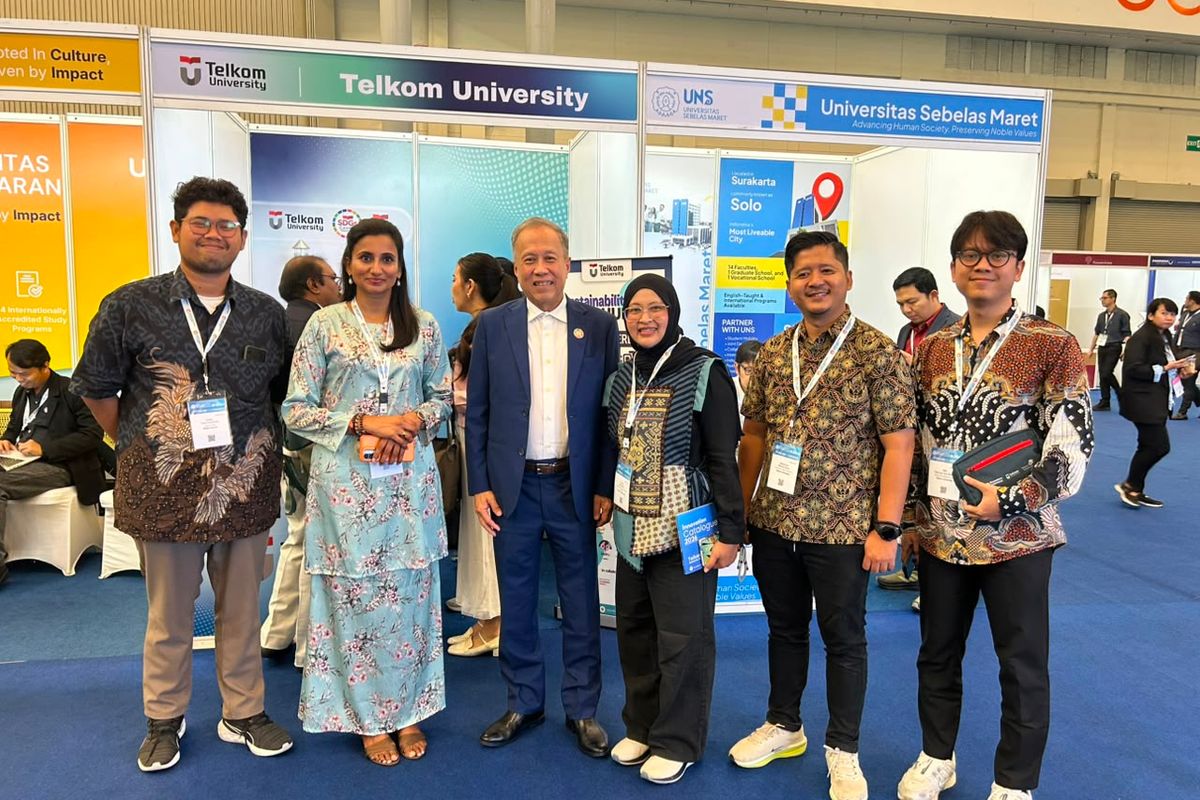
Telkom University berpartisipasi aktif dalam Global Sustainable Development Congress (GSDC) 2026 di ICE BSD, Tangerang, sebagai bentuk komitmen terhadap pencapaian Sustainable Development Goals (SDGs). Melalui kehadiran delegasi universitas dan pembukaan Booth SDGs Telkom University, Tel-U menampilkan berbagai inovasi, riset, serta praktik keberlanjutan yang mendorong kolaborasi global menuju pembangunan berkelanjutan pasca-2030.
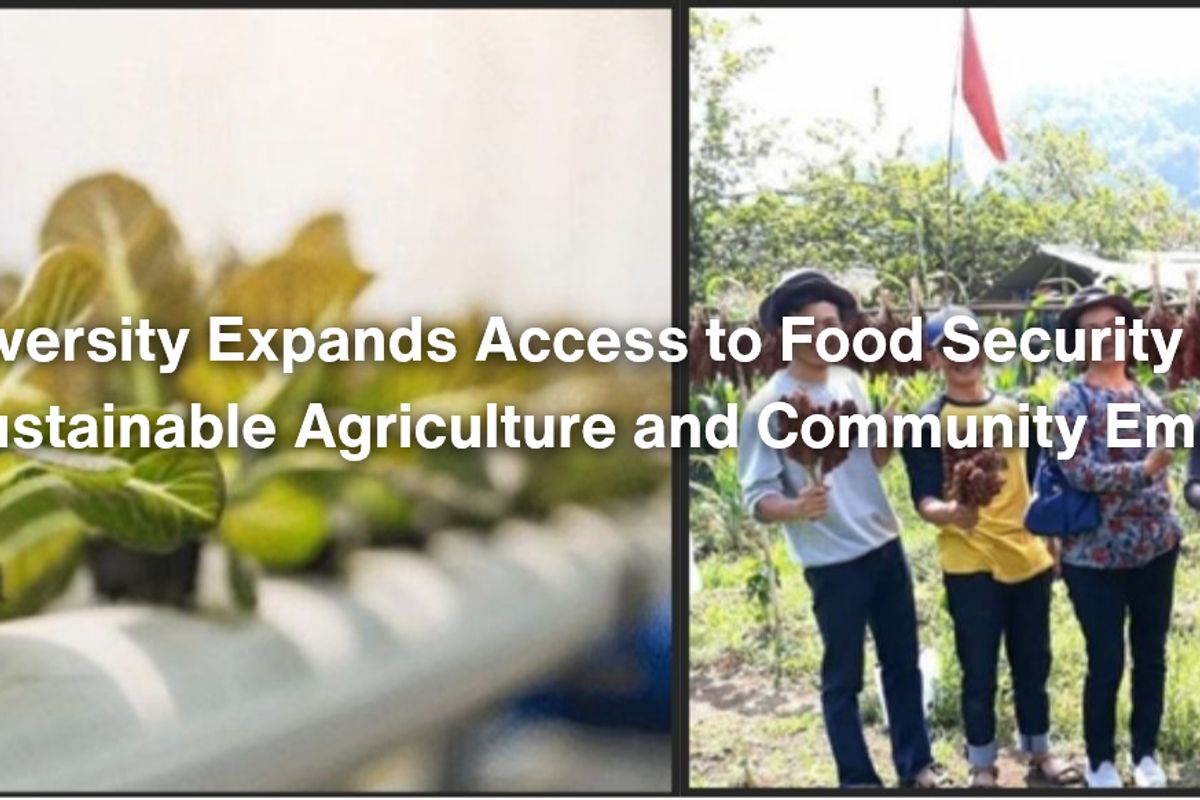
Telkom University expands access to food security knowledge through 161 food-related community programmes in 2025. The programmes bring smart irrigation, hydroponics, aquaponics, aquaculture technology and sorghum diversification to farmers, women farmer groups, fish farmers and food producers across Indonesia.
Through its water sensitive waste disposal policy preventing marine pollution, Telkom University requires the campus to cut single-use plastics, sort waste, treat wastewater, use grease traps and handle hazardous waste safely, with the SDGs Center reporting progress to the Rector every semester.
Through supporting aquatic ecosystems through action policy campus food sustainably harvested, Telkom University commits under Rector’s Decree KR.331/ORG01/SPS-P3I/2024 to ensuring that food on campus from aquatic ecosystems is sustainably harvested, backed by a circular that keeps canteen waste out of waterways.
Through maintaining local ecosystem watershed management strategy, Telkom University tailors water protection to each river, lake and coast. Its work includes flood monitoring, plastic recycling in the Citarum basin, species research in Lake Batur, and Crab House monitoring in Cirebon.
Bandung – Throughout 2025, Telkom University ran at least nine community service programmes that taught villagers and farmer groups about fresh-water ecosystems. The programmes covered water-efficient irrigation, village water management, water source conservation and water quality management for fish farmers. The activities were funded through the university's internal community service grants. Most fall under the Appropriate Technology scheme, Period I 2025, set out in Decree of the Vice Rector for Research, Innovation and Partnerships No. KWR4.072/ABD04/PPM-JPM/2025. The others ran under the Village Partnership (Desa Binaan) scheme. The programmes reached local communities in West Java, Central Java and East Java. Lecturers and students from the Bandung, Purwokerto and Surabaya campuses worked directly alongside residents.
Aligned with SDG 14, Telkom University protects marine ecosystems through IoT-based water quality monitoring for sea turtle conservation, mangrove planting in Indramayu and Pangandaran, coastal clean-ups, and blockchain-based plastic waste management.
Bandung – Through its 2025 community service grants, Telkom University ran a series of outreach programmes that taught fishers, fish farmers and village tourism managers how to manage fisheries, aquaculture and tourism sustainably. The programmes reached communities in West Java, Central Java, East Java, Yogyakarta and Terengganu, Malaysia. The activities were funded under several internal schemes: Appropriate Technology, Mentoring and Training, and Village Partnership (Desa Binaan) for Period I 2025, each set out in a decree from the Vice Rector for Research, Innovation and Partnerships. An international collaboration scheme added outreach abroad. Lecturers and students from the Bandung, Purwokerto and Surabaya campuses worked directly with fishing communities, fish farmer groups, a conservation foundation and tourism awareness groups.