Kumpulan update dan informasi terkini seputar SDGs.
5 SDG dipilih
Sebagai salah satu bentuk pemenuhan komitmen berkelanjutan terhadap Sustainable Development Goals (SDGs) poin 7, tim SDGs Telkom University melaksanakan kegiatan peresmian Pirolisis CSR PT Telkom Indonesia di Perumahan Cluster Panghegar, Jl. Paseban Raya, RT.04/RW.08, Cipadung Kulon, Kec. Panyileukan, Kota Bandung. Kegiatan ini difokuskan pada pemasangan dan uji coba alat pirolisis sebagai solusi pengelolaan sampah plastik skala kecil berbasis komunitas demi memotong rantai pembuangan sampah ke Tempat Pembuangan Akhir (TPA).
Discover how Telkom University is driving sustainable impact through innovation, environmental stewardship, and community empowerment. The 2025 Sustainability Report showcases major milestones, from climate resilience initiatives to nationally recognized digital solutions that advance the Sustainable Development Goals (SDGs).
Katalog Inovasi Telkom University merupakan publikasi yang menghimpun berbagai produk, layanan, dan solusi inovatif hasil karya sivitas akademika Telkom University. Katalog ini menampilkan beragam inovasi yang telah dikembangkan dan diimplementasikan untuk menjawab kebutuhan industri, pemerintah, serta masyarakat di berbagai bidang. Melalui katalog ini, Telkom University menunjukkan komitmennya dalam menghasilkan inovasi yang berdampak, mendorong kolaborasi, serta memperkuat hilirisasi hasil riset dan pengabdian kepada masyarakat.
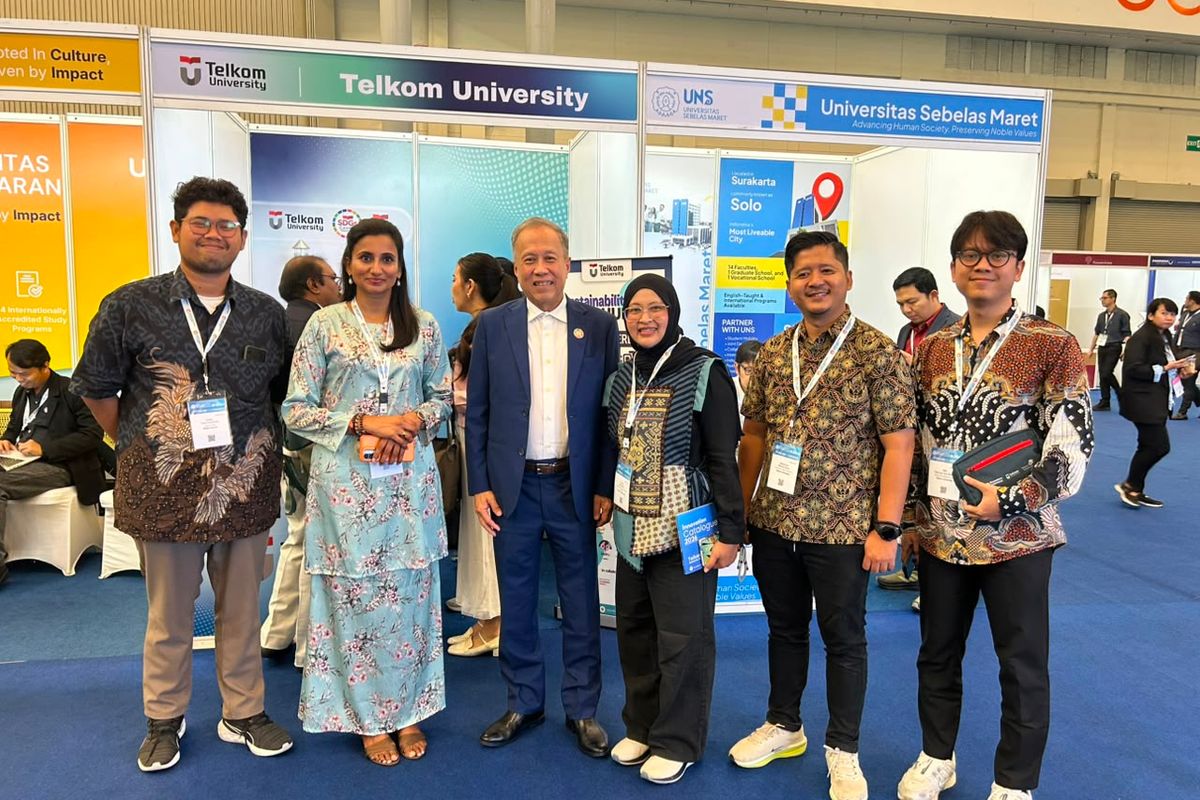
Telkom University berpartisipasi aktif dalam Global Sustainable Development Congress (GSDC) 2026 di ICE BSD, Tangerang, sebagai bentuk komitmen terhadap pencapaian Sustainable Development Goals (SDGs). Melalui kehadiran delegasi universitas dan pembukaan Booth SDGs Telkom University, Tel-U menampilkan berbagai inovasi, riset, serta praktik keberlanjutan yang mendorong kolaborasi global menuju pembangunan berkelanjutan pasca-2030.
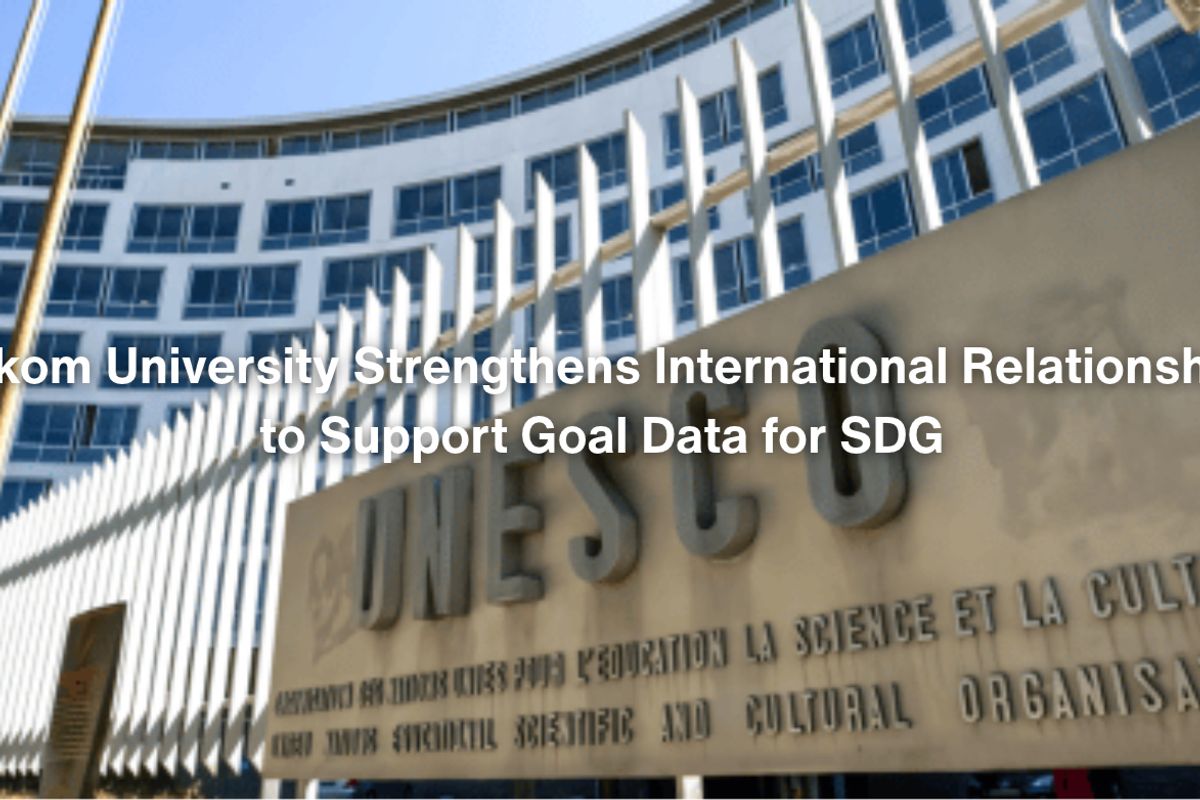
Telkom University strengthens SDG monitoring and evidence-based decision-making through international partnerships, joint research, and community-based data collection. With 144 international cooperation agreements across 23 countries and territories, the university collaborates on initiatives ranging from AIoT-based flood prediction and smart waste management to agricultural monitoring and disability inclusion research. By connecting data collection, technological innovation, and real-world applications, these collaborations support progress across multiple SDGs while reinforcing SDG 17 (Partnerships for the Goals).
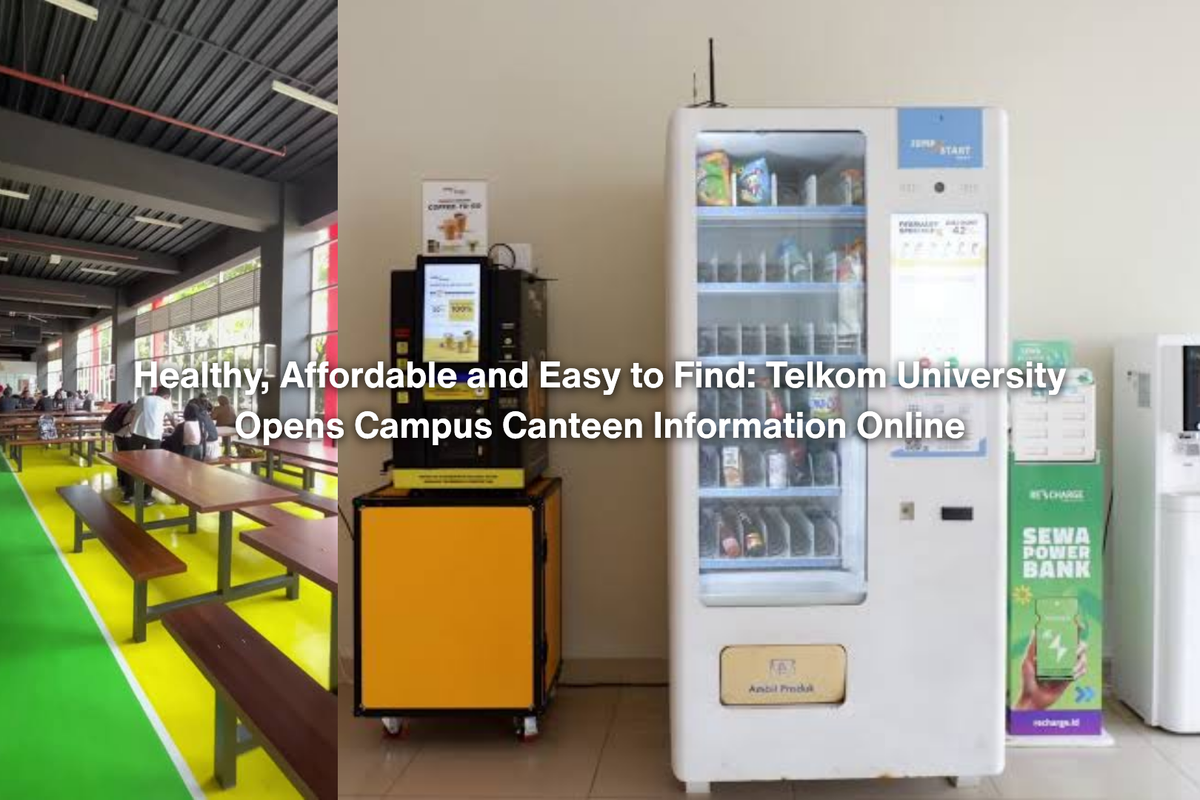
Telkom University supports its staff through integrated staff hunger interventions. These include more than 15 food tenants and canteens near offices, pantries in over 20 buildings, more than 10 vending machines that run 24 hours a day, and budgeted meeting refreshments ordered through Logas.id. Staff also receive a lunch facility guaranteed under Article 24 of YPT Remuneration Regulation No. PDB.0001/01/DGS-HK01/YPT/2023.
Through its sustainable practices planning development efforts, Telkom University works with the Cileunyi village government to rebuild uninhabitable houses for low-income families, alongside clean water facilities and a TPS3R waste site.
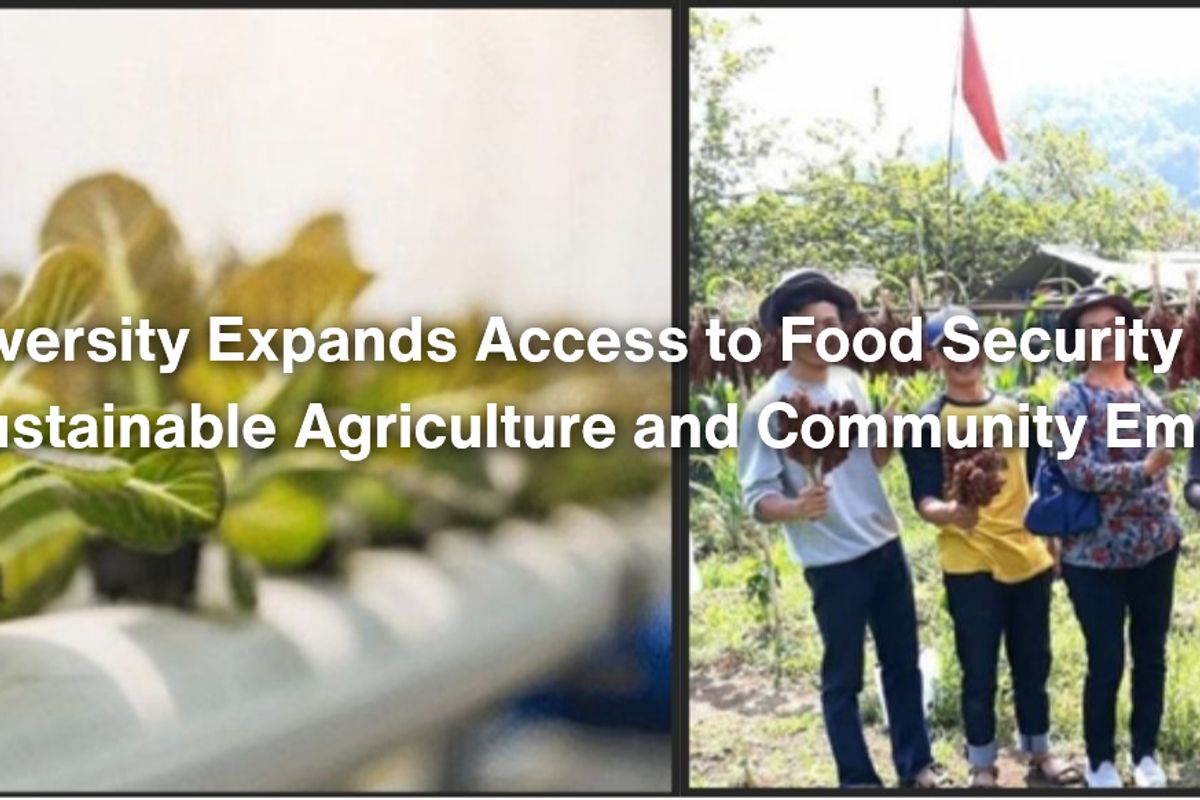
Telkom University opens its facilities, technology and expertise to local farmers and food producers. In 2025 this included SiMonA IoT aquaponics with Buruan SAE, which cut water use by 14.29% and fertiliser use by 98.33%, Teluphoenix greenhouses in Citeureup and Tarumajaya, a sorghum demonstration plot on campus with a new greenhouse built in October 2025, and stingless bee cultivation shared with Panghegar residents.
Telkom University expands access to food security knowledge through 161 food-related community programmes in 2025. The programmes bring smart irrigation, hydroponics, aquaponics, aquaculture technology and sorghum diversification to farmers, women farmer groups, fish farmers and food producers across Indonesia.
Telkom University provides healthy, diverse and affordable food for everyone on campus. Vendors are selected on food quality, hygiene, nutrition and menu diversity, including vegetarian, vegan and allergen-aware options. Canteen agreements require healthy, halal food in eco-friendly packaging, and food safety is backed by Bandung Regency Health Office hygiene certification and food handler training.
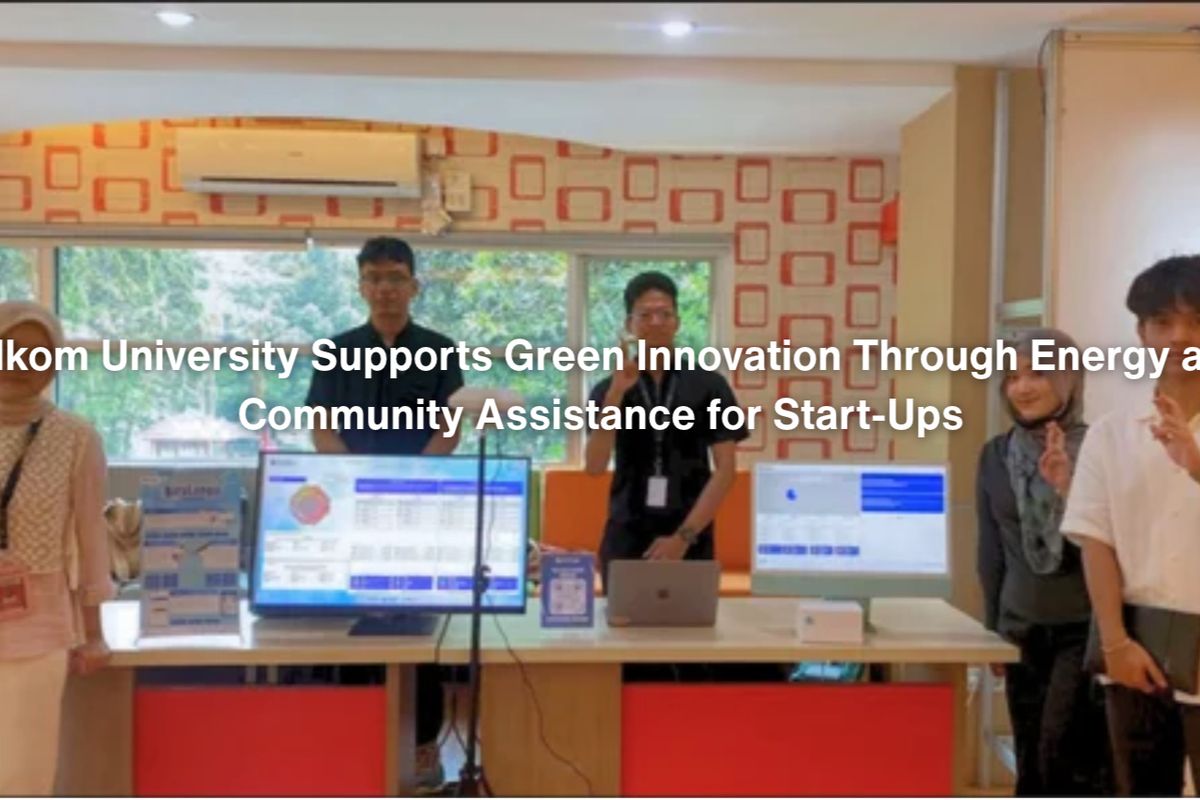
Telkom University provides energy and community assistance for start-ups through Bandung Techno Park innovation grants, a BRIN-funded carbon monitoring project with the university start-up PT Eskhalasi Langit Biru, a 2025 partnership with Hong Kong Cyberport to help start-ups reach overseas markets, and community service programmes. Together, these helped small enterprises adopt electric mobility, solar energy and waste-to-value technology.
Telkom University advances energy efficiency through its Digital Green Campus Masterplan by integrating smart energy management, renewable energy systems, and energy-efficient building technologies. With IoT-based monitoring, automated facilities, and 258,592 m² of smart building areas, the university strengthens its commitment to sustainable infrastructure and supports SDG 7: Affordable and Clean Energy, SDG 11: Sustainable Cities and Communities, and SDG 13: Climate Action.