Berita Terbaru
Kumpulan update dan informasi terkini seputar SDGs.

THE Sustainability Impact Ratings 2027
Volume Organic Waste
Volume Organic Waste
15 Sep 2025 1 menit bacaSSDGs Center
THE Sustainability Impact Ratings 2027
Telkom University Opens Its Galleries to the Public
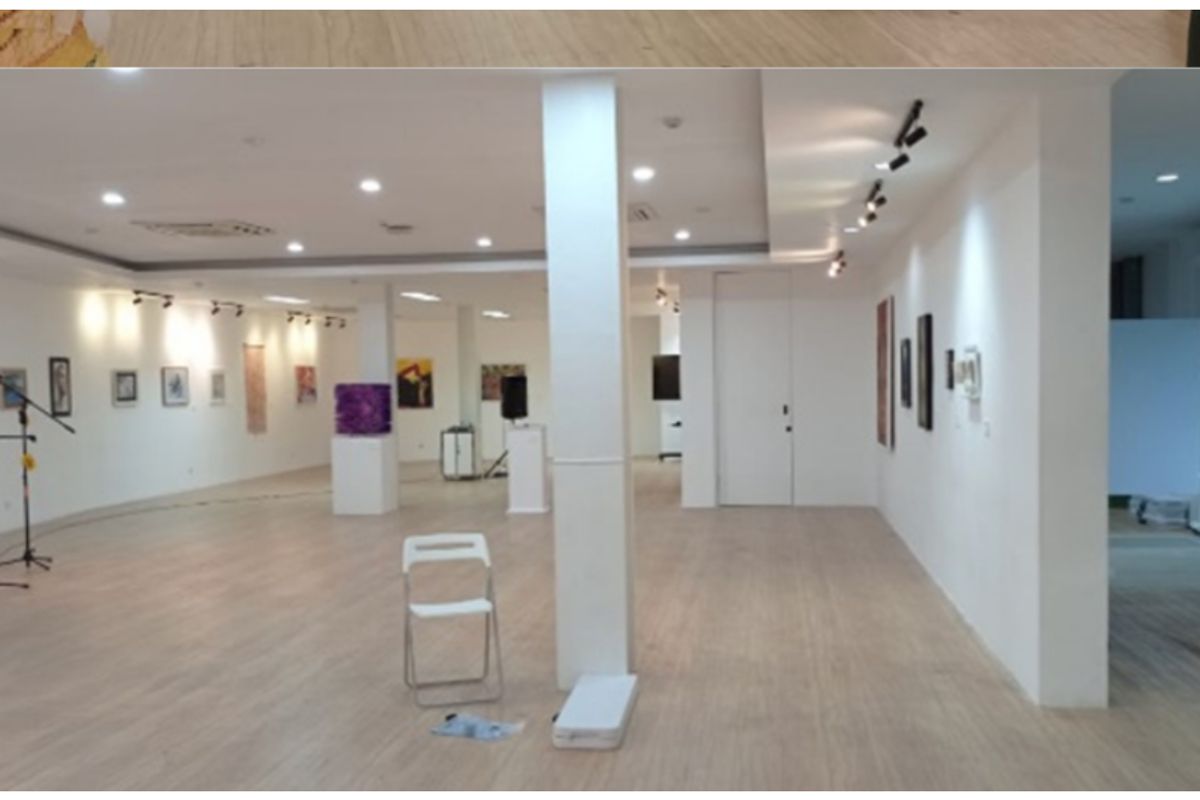
Telkom University continues to bring art closer to the public through two galleries run by its Faculty of Creative Industries. Gallery Idealoka and Gallery Ciptaloka give lecturers and students a place to present their creative work, and they give visitors from outside the campus a chance to enjoy it. Together, the two spaces turn the faculty into a meeting point between academic creativity and the wider community.
15 Sep 2025 1 menit baca
THE Sustainability Impact Ratings 2027
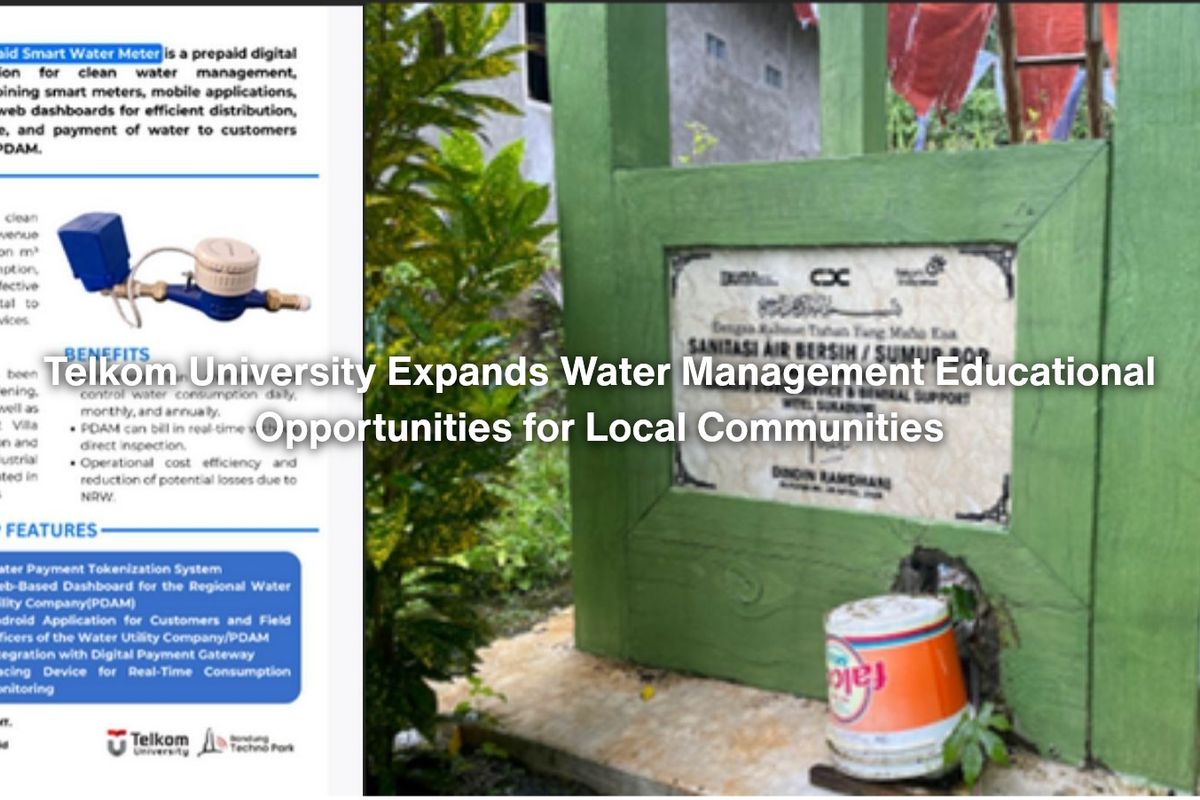
Telkom University Expands Water Management Educational Opportunities for Local Communities
In 2025, Telkom University delivered 27 free water management educational activities for local communities. Villages learned to use automated flood pumps, water-level monitoring and early warning systems such as CITRA BANJIR and NotiFlood. Farmers adopted IoT and LoRa-based drip irrigation and solar-powered pumps, while fish farmers, BUMDes and community groups were trained in water filtration, water-quality monitoring and pipe-leak detection, and high school students learned to measure water levels with IoT sensors. The university also evaluated clean water facilities and provided sanitation education in communities across Java through the Moneva SAB programme with PT Telkom Indonesia.
General
Telkom University implements an integrated water management system through groundwater monitoring, rainwater harvesting, wastewater treatment, and water reuse initiatives. Supported by sustainable infrastructure and IoT technology, these efforts aim to conserve water resources, maintain water quality, and reduce environmental impacts in support of SDG 6: Clean Water and Sanitation.
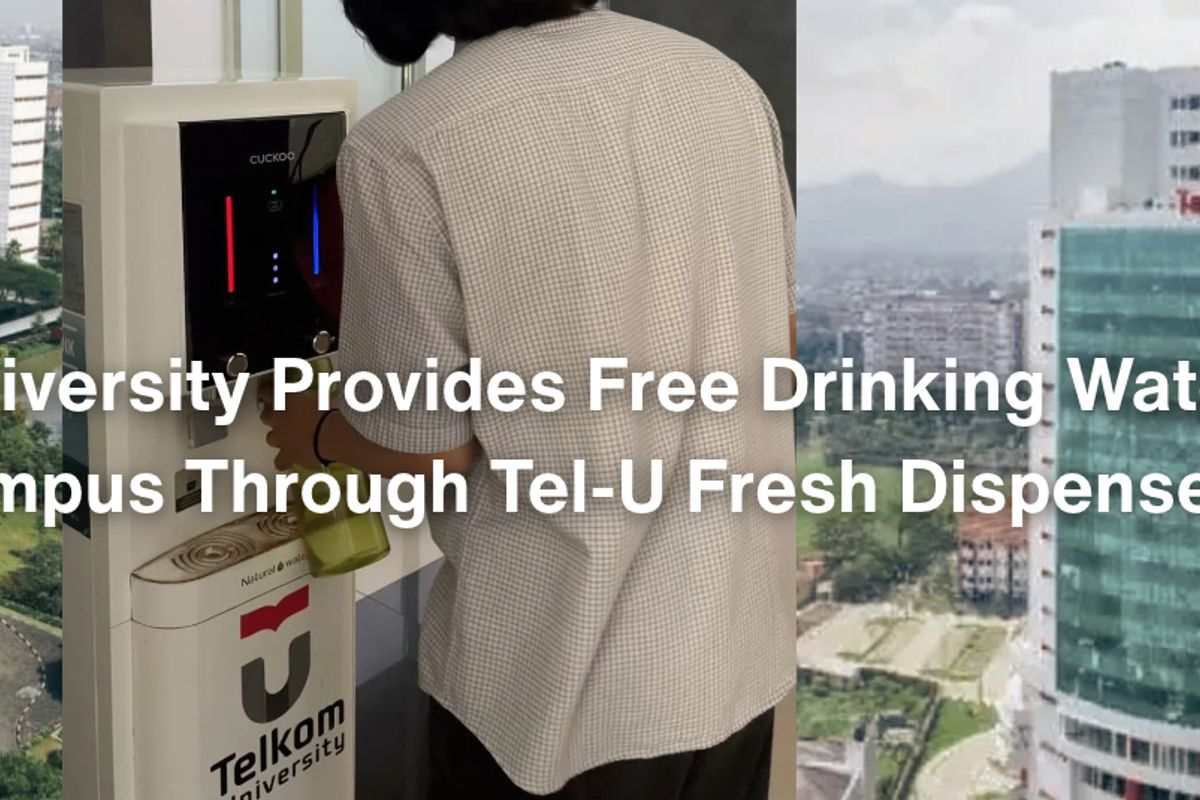
Telkom University provides free access to safe drinking water through more than 20 Tel-U Fresh dispensers across campus. Supported by a four-stage water filtration system, this initiative promotes healthy hydration, reduces single-use plastic waste, and encourages sustainable consumption in line with SDG 6: Clean Water and Sanitation and SDG 12: Responsible Consumption and Production.
THE Sustainability Impact Ratings 2027
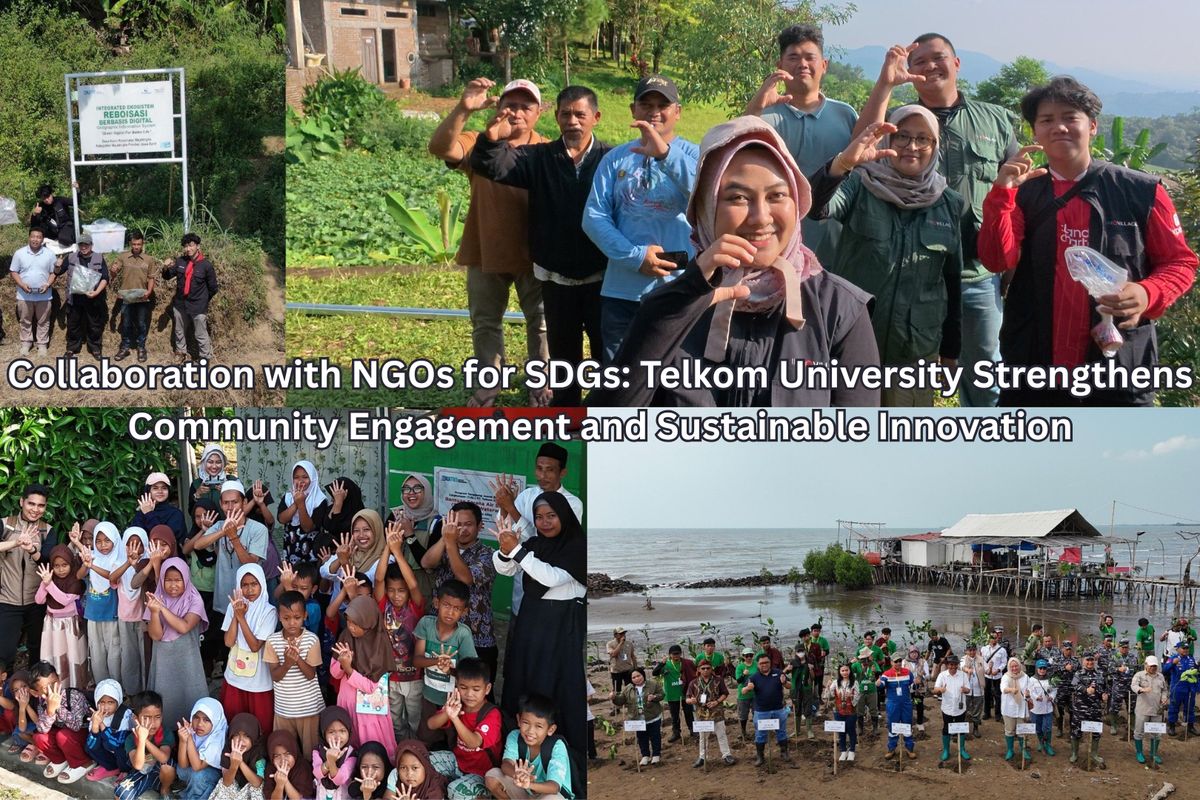
Collaboration with NGOs for SDGs: Telkom University Strengthens Community Engagement and Sustainable Innovation
Telkom University continues to advance the Sustainable Development Goals (SDGs) through collaboration with non-governmental organisations (NGOs), community groups, and social enterprises. By combining student volunteering, joint research, and educational resource development, the university connects academic expertise with practical solutions to environmental and social challenges. This collaboration with NGOs for SDGs reflects the university’s commitment to SDG 17, Partnerships for the Goals, while supporting progress in quality education, environmental conservation, innovation, and inclusive economic development. Through these partnerships, sustainability initiatives are translated into activities that respond to community needs and create opportunities for long-term impact.
05 Sep 2025
General
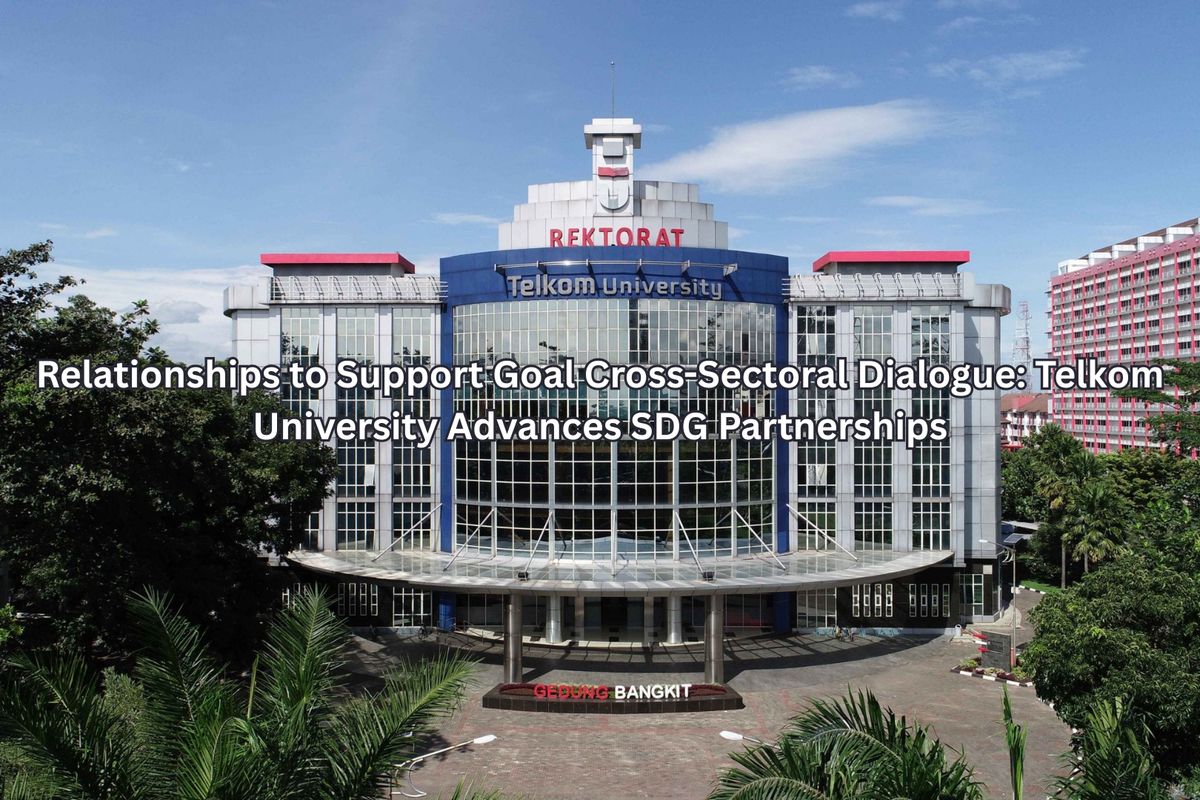
Relationships to Support Goal Cross-Sectoral Dialogue: Telkom University Advances SDG Partnerships
Telkom University strengthens SDG 17 (Partnerships for the Goals) by fostering cross-sectoral dialogue among government institutions, universities, industries, NGOs, and communities through its SDGs Center and Bandung Techno Park. From contributing to regional SDG policy planning and village development initiatives to supporting entrepreneurship and international ICT collaboration through ASEAN IVO, the university connects research, policy, and technological innovation to address shared sustainability challenges. These partnerships turn knowledge exchange into collaborative action, supporting inclusive development and progress towards the SDGs at local, national, and international levels.
20 Agu 2025
THE Sustainability Impact Ratings 2027
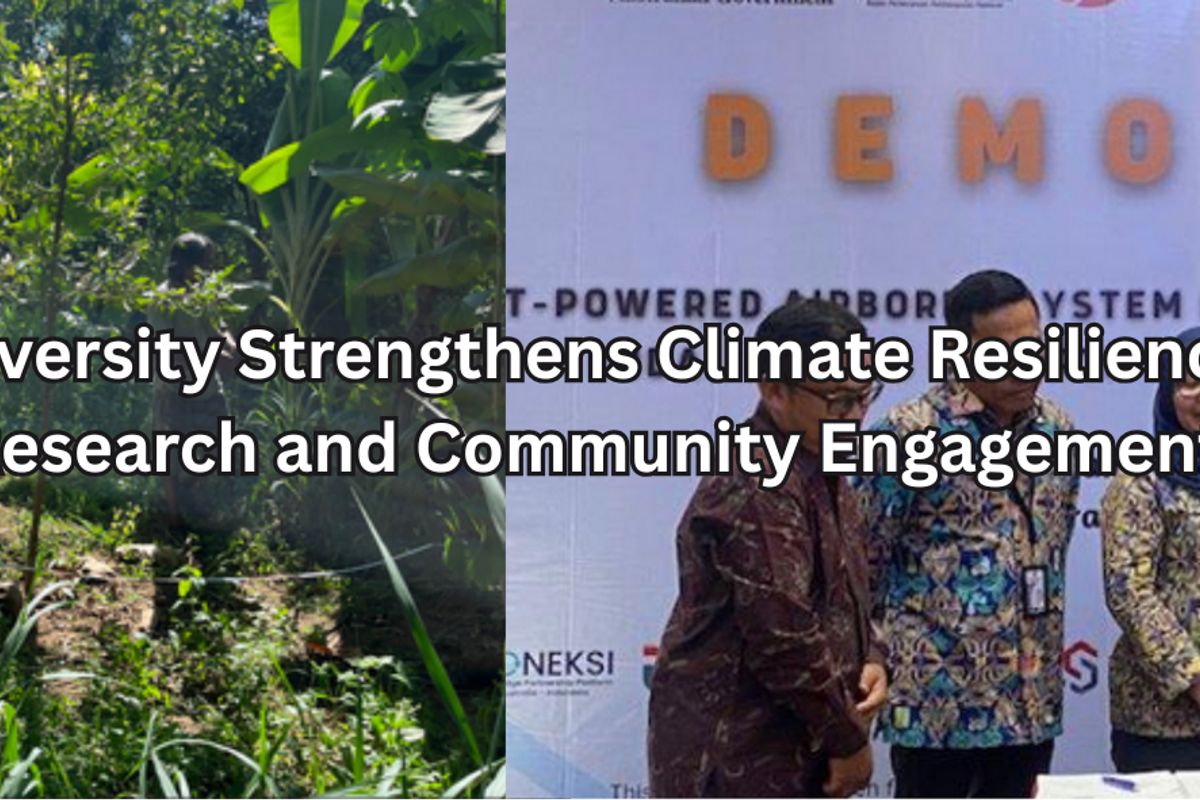
Telkom University Strengthens Climate Resilience Through Research and Community Engagement
Telkom University strengthens its commitment to climate action through research, community engagement, and strategic partnerships focused on climate mitigation, adaptation, and resilience. Through carbon stock measurements, technology-based environmental initiatives, and international research collaborations, the university promotes science-based solutions to address climate challenges and supports progress toward SDG 13: Climate Action.
20 Agu 2025 1 menit baca
THE Sustainability Impact Ratings 2027
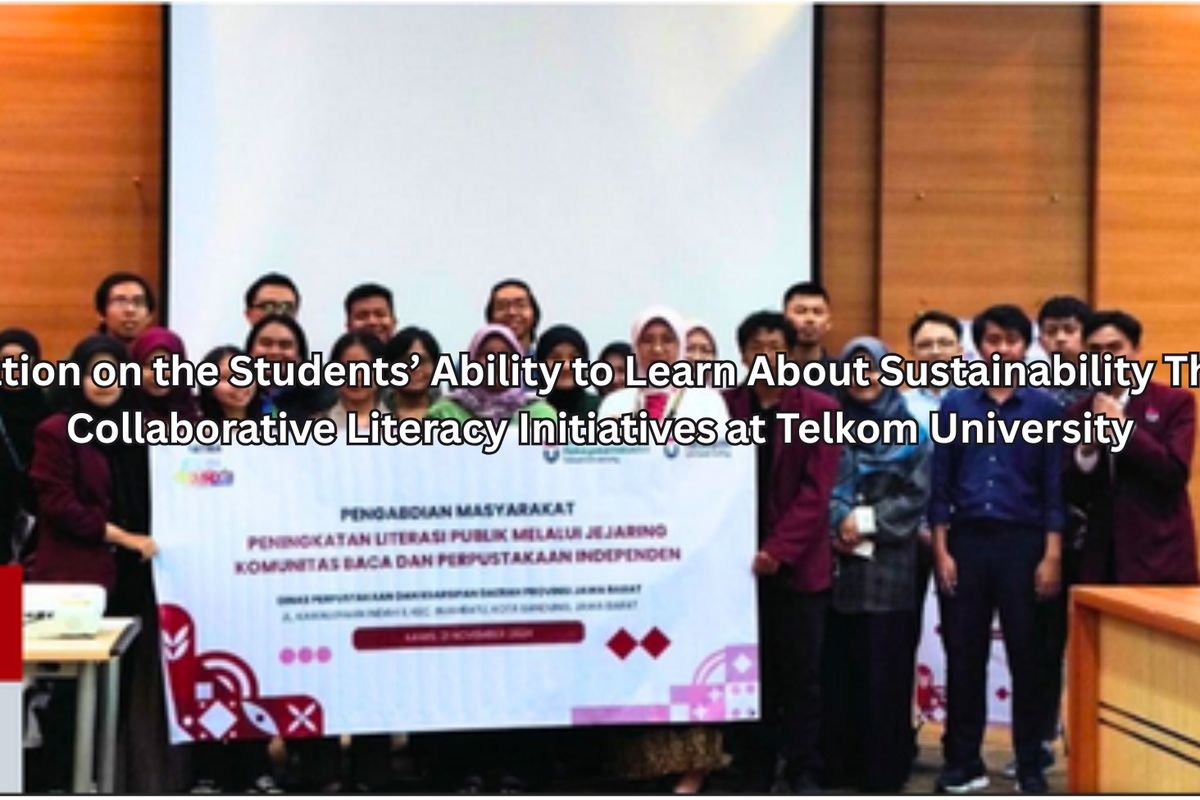
Telkom University Strengthens Student Sustainability Literacy Through Education and SDGs Initiatives
Telkom University continues to promote student sustainability literacy through educational activities, sustainability-related coursework, and active participation in programs aligned with the United Nations Sustainable Development Goals (SDGs). These efforts aim to enhance students’ understanding of sustainable development, including environmental protection, climate change, responsible consumption, waste management, social inclusion, and sustainable innovation. Sustainability literacy is an important foundation for preparing students to understand and contribute to addressing environmental and social challenges at both local and global levels.
19 Agu 2025
THE Sustainability Impact Ratings 2027

Enhancing Health and Well-being Through Inclusive Sports Facilities at Telkom University
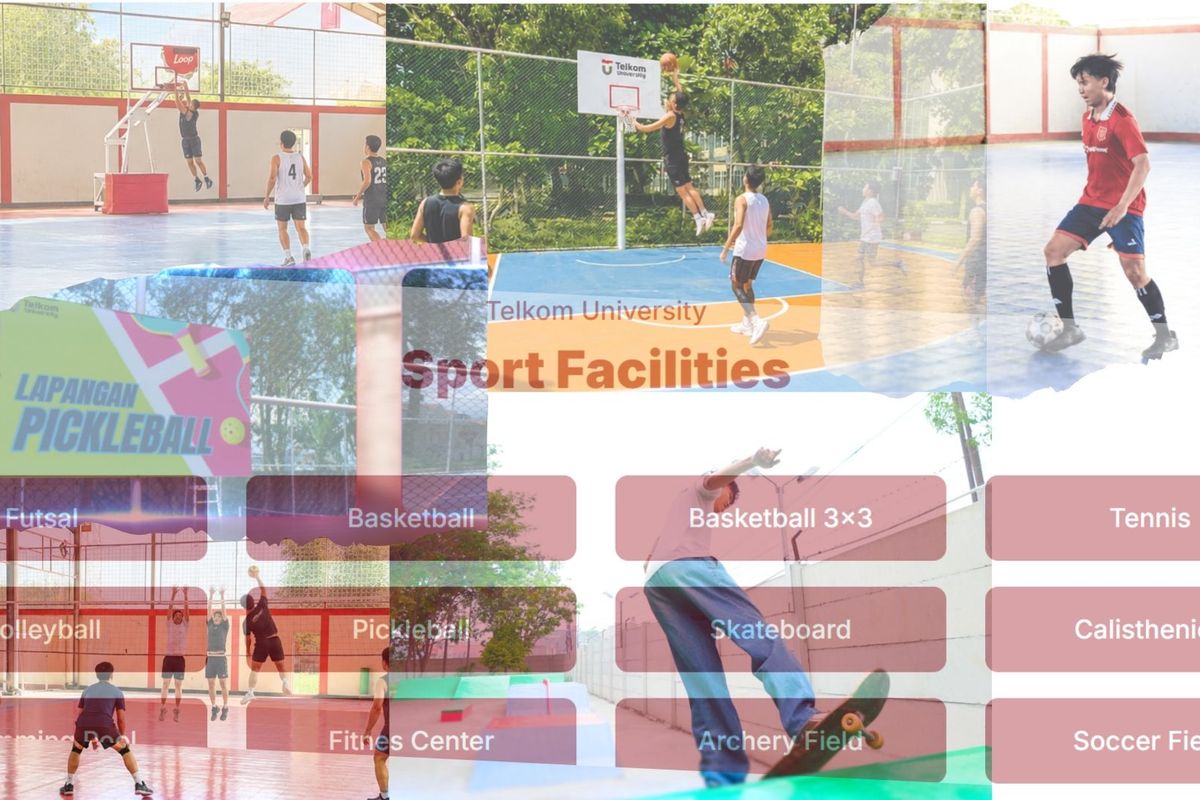
The Student Center Building features a multipurpose indoor sports court designed to accommodate various activities, including basketball, volleyball, and badminton. Beyond recreational use, this facility serves as a venue for friendly competitions and inter-faculty tournaments, fostering teamwork, sportsmanship, and stronger connections among students.
THE Sustainability Impact Ratings 2027
Fair Pay, Clear Channels: Telkom University Opens Payroll Appeal Process With New YPT Payroll System
Telkom University has moved all salaries to the new YPT Payroll Application from August 2026. Employees can appeal unexplained pay discrepancies through an online form or by contacting the Payroll admin on WhatsApp at +62 821-2148-5066, and the Payroll Team verifies every report.
15 Agu 2025
THE Sustainability Impact Ratings 2027
Telkom University Builds the SDGs into Learning for Every Student
elkom University, learning about the Sustainable Development Goals (SDGs) is not left to a single elective. It is written into the rules that shape every curriculum, so that each student, whatever their field, learns how their discipline can help solve real social, economic and environmental problems. This commitment rests on two university regulations: the Curriculum 2024 Guidelines, Regulation No. PU.023/AKD06/AKD-BPA/2023, and the Academic Guidelines, Regulation No. PU.022/AKD01/AKD-BPA/2024. Together they make Education for Sustainable Development the goal of every study programme, require SDG-linked learning outcomes in each programme, and set compulsory courses that all students take.
13 Agu 2025 1 menit baca
THE Sustainability Impact Ratings 2027
Every Service, One Standard: Telkom University Holds Outsourced Providers to Its Zero-Waste Goals
Through its operational measures policy extensions services, Telkom University requires outsourced cleaning, catering, maintenance and procurement providers to separate and recycle waste, avoid single-use materials, use minimal packaging and report on their waste, with sustainability criteria built into their contracts.
13 Agu 2025 1 menit baca