Berita Terbaru
Kumpulan update dan informasi terkini seputar SDGs.

THE Sustainability Impact Ratings 2027
A Home Within Reach: Telkom University Helps Employees Afford Their Own Homes
Through its sustainable practices housing employees programme, Telkom University helps staff afford homes with a Bank Mandiri housing scheme offering mortgage rates from 2.65% and terms of up to 20 years. It also runs a survey of staff housing needs for the Bestari Mas area next to campus.
09 Jun 2025 1 menit bacaSSDGs Center
THE Sustainability Impact Ratings 2027
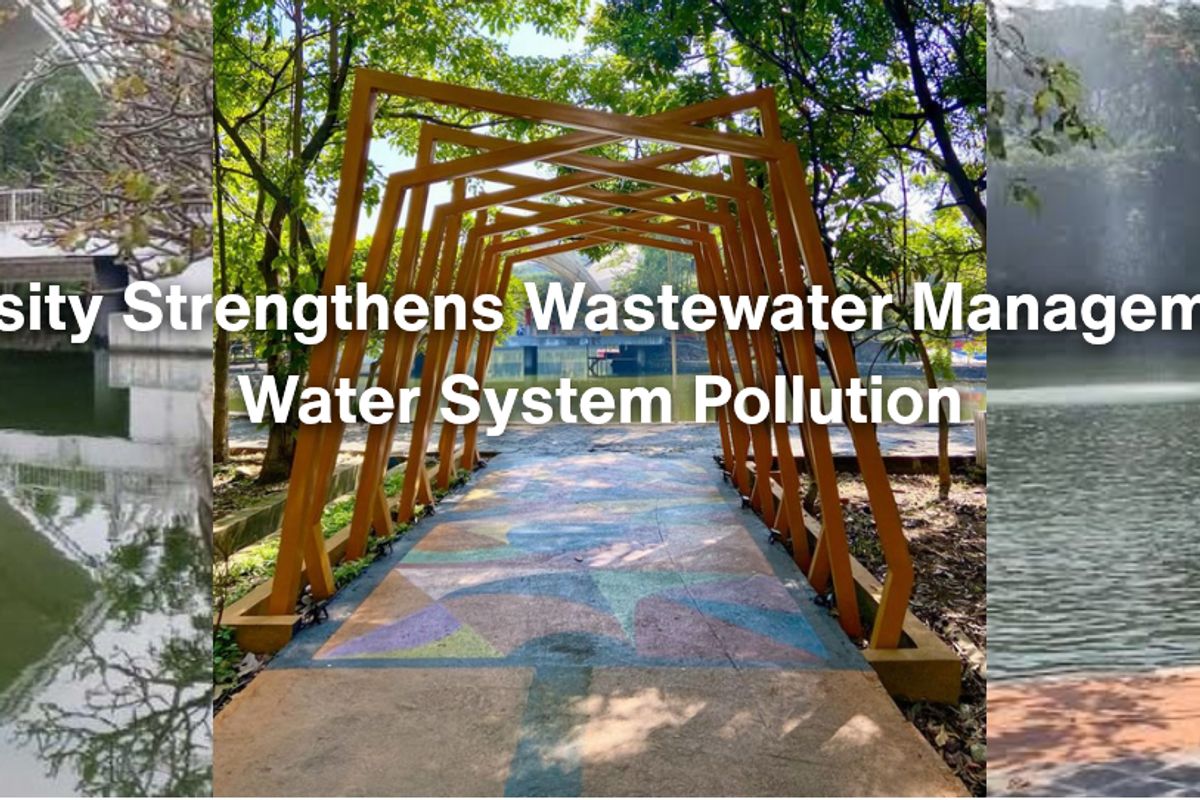
Telkom University Strengthens Wastewater Management to Prevent Water System Pollution
Telkom University operates a campus-wide waste water treatment system of 6 active STPs and 22 passive IPAL units serving 53 building locations. It includes separate treatment for cafeteria and laboratory wastewater and reuses treated water for gardens, toilets, fish ponds and aquaponics, supporting SDG 6: Clean Water and Sanitation.
26 Mei 2025 1 menit baca
THE Sustainability Impact Ratings 2027

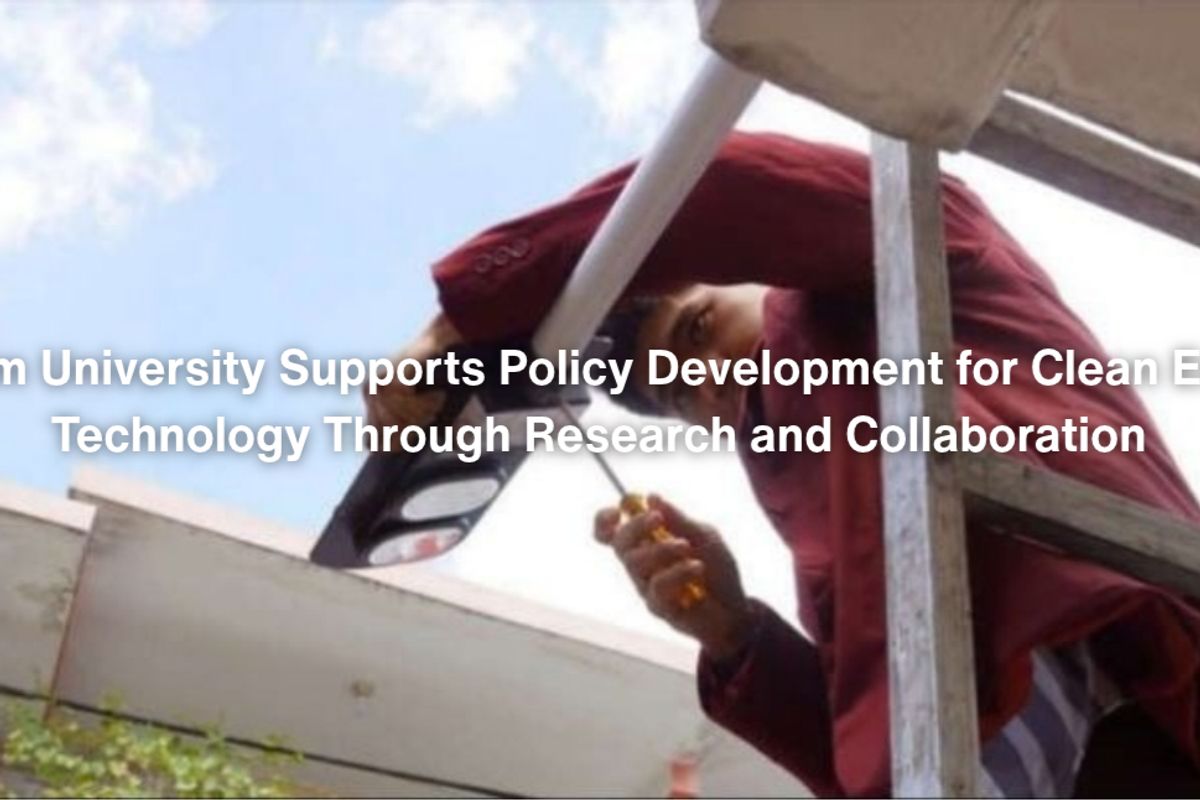
Telkom University Supports Policy Development for Clean Energy Technology Through Research and Collaboration
Throughout 2025, Telkom University strengthened its policy development for clean energy technology, supporting decision-makers from villages to the international stage. The university served on West Java’s RAD-SDGs 2025–2030 expert team, carried out energy research funded by BRIN and the Ministry of Higher Education, Science and Technology, and built community biodigesters in Boyolali. It is also developing a biogas and hydrogen safety SOP with Universiti Malaysia Pahang Al-Sultan Abdullah.
23 Mei 2025 1 menit baca
THE Sustainability Impact Ratings 2027
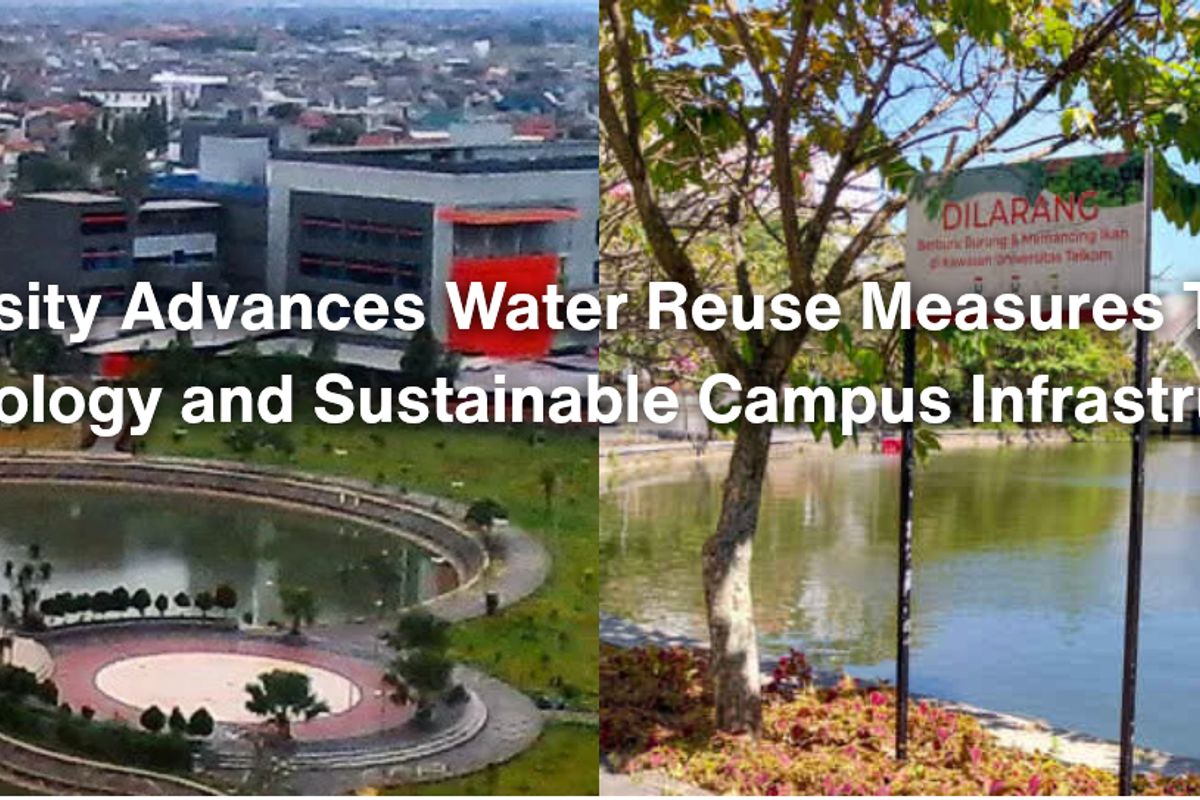
Telkom University Advances Water Reuse Measures Through Smart Technology and Sustainable Campus Infrastructure
Telkom University applies a water reuse measure that tracks harvested rainwater with IoT sensors for volume, pH, turbidity, UV and TDS on a 15 m³ ground tank, and records water retained in ponds and Situ Tekno. Water meters at STP outlets and campus-wide IoT monitoring are planned for 2026.
16 Mei 2025 1 menit baca
THE Sustainability Impact Ratings 2027
Working Smarter, Commuting Less: Telkom University Puts Remote Working Into Practice
Through its sustainable practices remote working policy, Telkom University applies a hybrid model of four office days and one remote day across all four campuses. It also allows work from anywhere around the Nyepi and Eid al-Fitr holidays, reducing commuting and energy use.
14 Mei 2025
THE Sustainability Impact Ratings 2027
Telkom University Builds and Renovates to Save Energy
Under Rector's Decree KR.331/ORG01/SPS-P3I/2024, new buildings at Telkom University must follow energy-saving and sustainable building standards, and the latest assessment shows that buildings meeting smart building criteria cover 89.22% of the university's total building area.
12 Mei 2025 1 menit bacaSSDGs Center
THE Sustainability Impact Ratings 2027
Telkom University Sources Food and Supplies Ethically
What ends up on a plate in a Telkom University canteen, and the supplies used across its campus, are shaped by a clear commitment: they should be sourced ethically and sustainably. Through two Rector's Decrees on sustainability, the university commits to a policy on the ethical sourcing of food and supplies, gives priority to local and sustainable products, and links these choices to its wider goals on responsible consumption, healthy food and environmental protection.
12 Mei 2025 1 menit baca
THE Sustainability Impact Ratings 2027
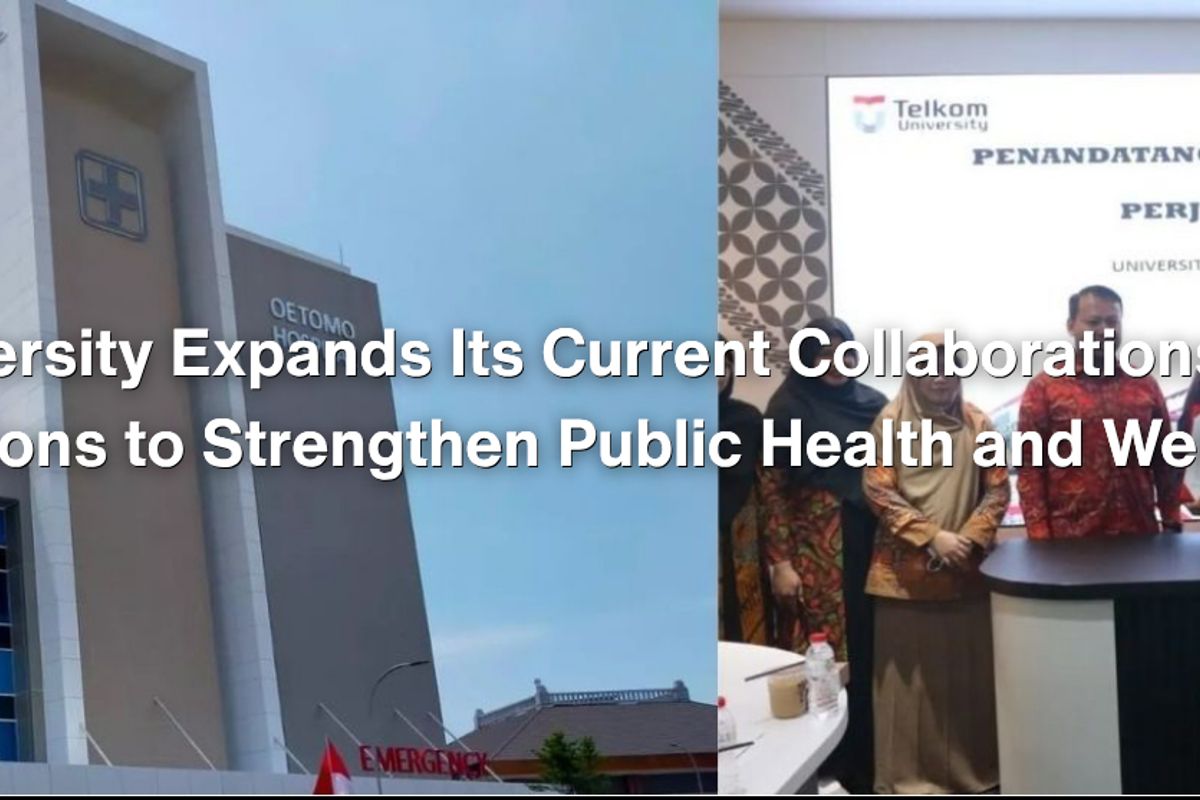
Telkom University Expands Its Current Collaborations with Health Institutions to Strengthen Public Health and Well-Being
Telkom University strengthens current collaborations with health institutions through a partnership with RSUD Oto Iskandar Di Nata Soreang and a digital health research agreement with Yakes Telkom. It is also piloting its AI clinical copilot HeyAI with pharmacists and health facilities across Indonesia, and hosting the international IBITeC 2026 biomedical conference with IEEE, advancing SDG 3: Good Health and Well-being.
08 Mei 2025 1 menit baca
Implementasi Program
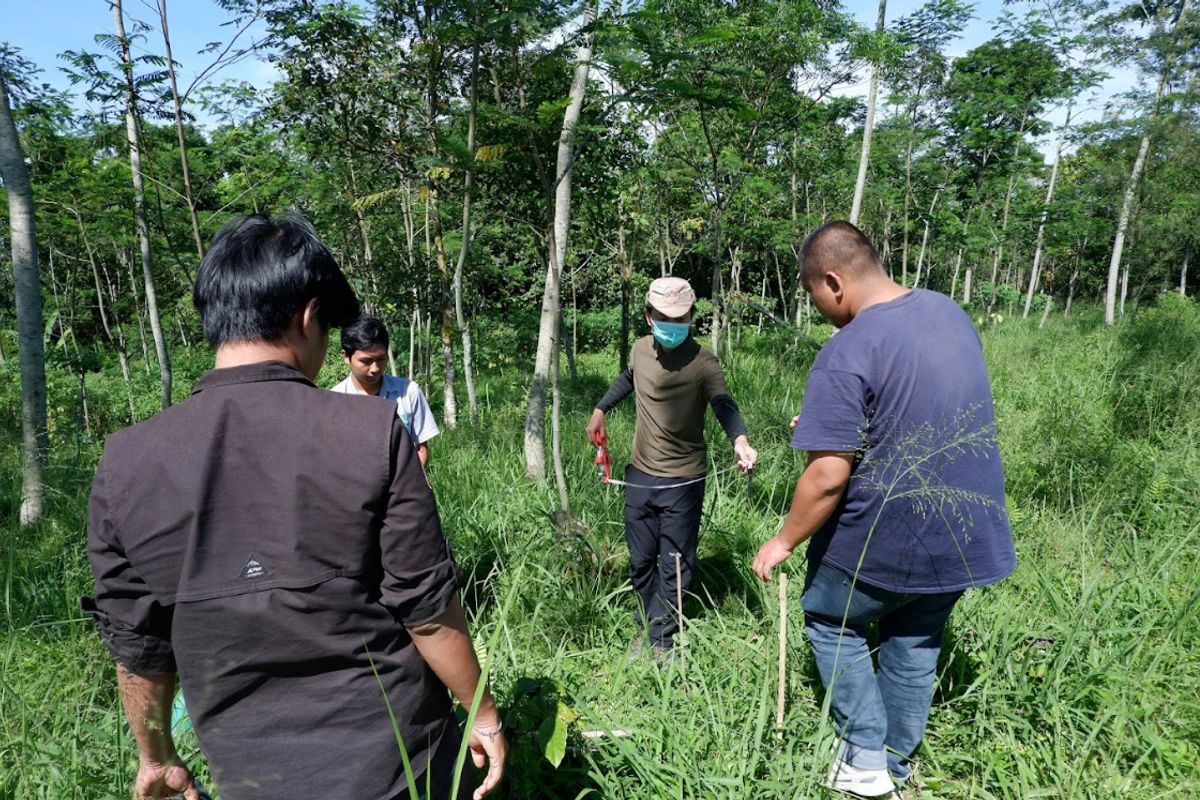
Telkom Group Lakukan Pengukuran Carbon Stock di 25 Lokasi untuk Validasi Dampak Keberlanjutan Lingkungan
Untuk memperkuat komitmen menjaga keberlanjutan lingkungan Telkom Group bersama dengan desa binaan SRC Telkom melaksanakan program pengukuran carbon stock di berbagai wilayah. Kegiatan ini dilaksanakan pada bulan April hingga Juni 2025 dengan cakupan lokasi sebanyak 25 titik yang tersebar di tujuh provinsi, yakni Jawa Barat, Jawa Timur, Banten, Bali, Sulawesi Selatan, dan DI Yogyakarta.
01 Mei 2025 1 menit bacaSSDGS Telkom University
THE Sustainability Impact Ratings 2027
Telkom University Strengthens Energy and Community Programmes to Learn Clean Energy
In 2025, Telkom University ran 43 energy and community programmes to learn clean energy. Activities ranged from household energy-efficiency education and solar panel installation in schools and pesantren to electric bicycle conversion training, solar-powered farming tools and a biogas digester for farmers, helping communities save energy and adopt renewable sources.
19 Apr 2025
THE Sustainability Impact Ratings 2027
Telkom University Cuts Plastic Use Across Campus
Two Rector's Decrees commit Telkom University to limiting plastic use, drawing up an action plan to reduce plastic waste and putting a plastic reduction policy in place, backed by waste sorting, recycling and a growing zero waste culture on campus.
15 Apr 2025 1 menit bacaSSDGs Center
General