Berita Terbaru
Kumpulan update dan informasi terkini seputar SDGs.
THE Sustainability Impact Ratings 2027

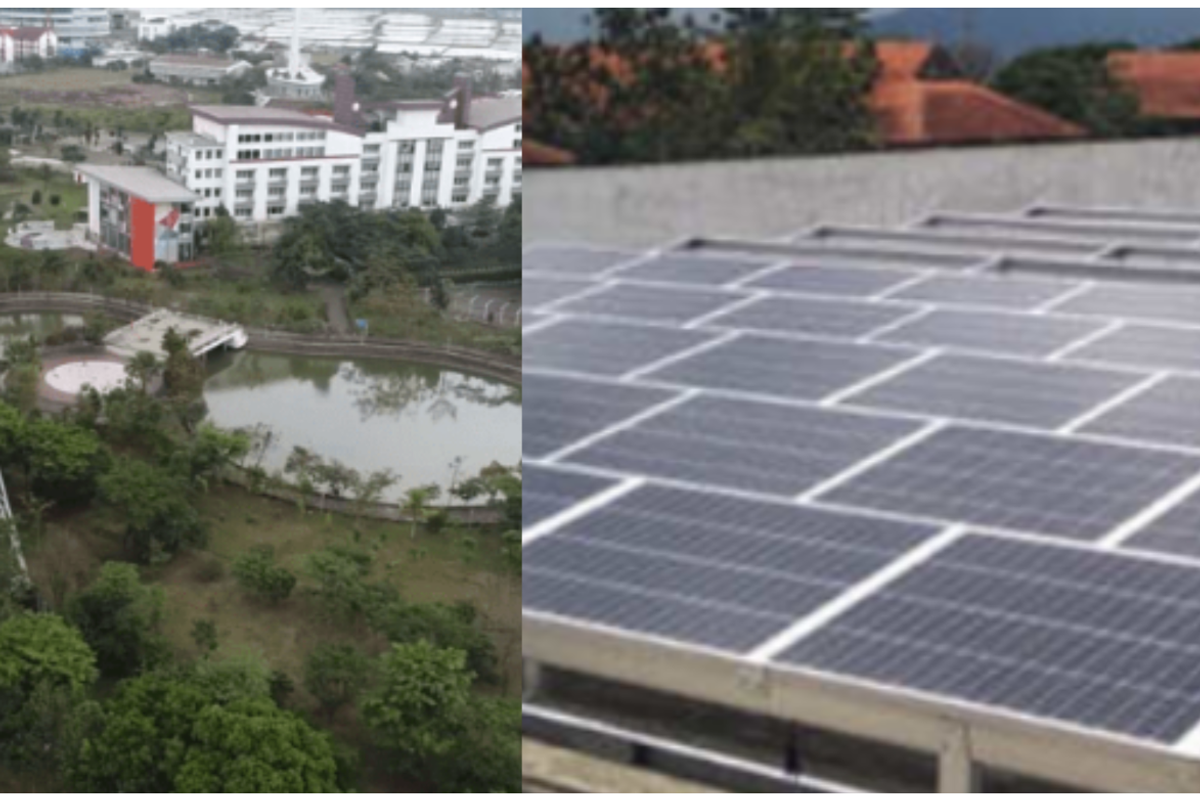
Telkom University Puts Its Energy Efficiency Plan into Action
Telkom University has a clear plan to use less energy across its campus. Guided by its Digital Green Campus Masterplan, the university combines efficient building technology, smart monitoring, renewable energy and everyday energy-saving habits to bring down its overall consumption. With campus buildings using more than 6.7 million kWh of electricity in 2024, every saving counts, both for the budget and for the climate.
14 Jul 2025 1 menit bacaSSDGs Center
THE Sustainability Impact Ratings 2027
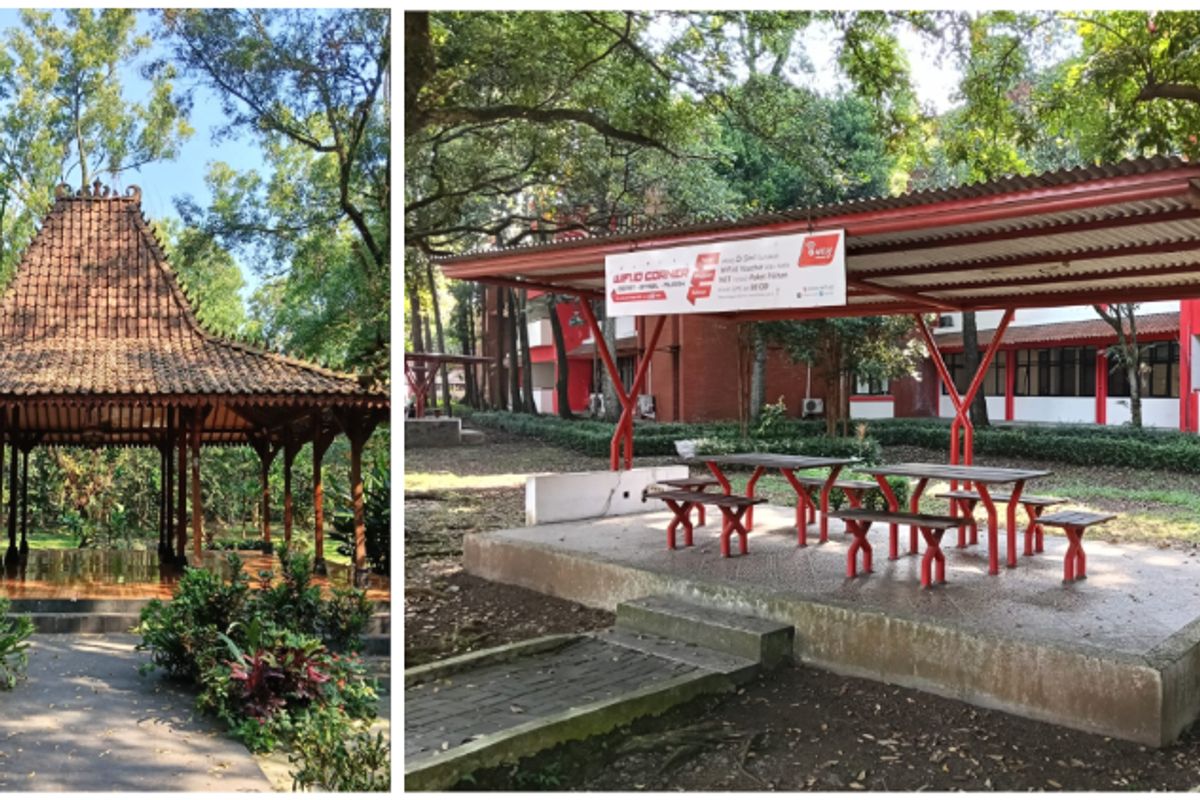
Telkom University Welcomes the Public to Its Green Spaces
Telkom University's campus is more than a place for lectures and research. Its green and open spaces welcome everyone, from students to people living nearby, as places to relax, explore nature and learn how to care for the environment. By keeping these areas open to the public, the university turns its grounds into a living laboratory where environmental protection and education go hand in hand.
14 Jul 2025 1 menit baca
THE Sustainability Impact Ratings 2027
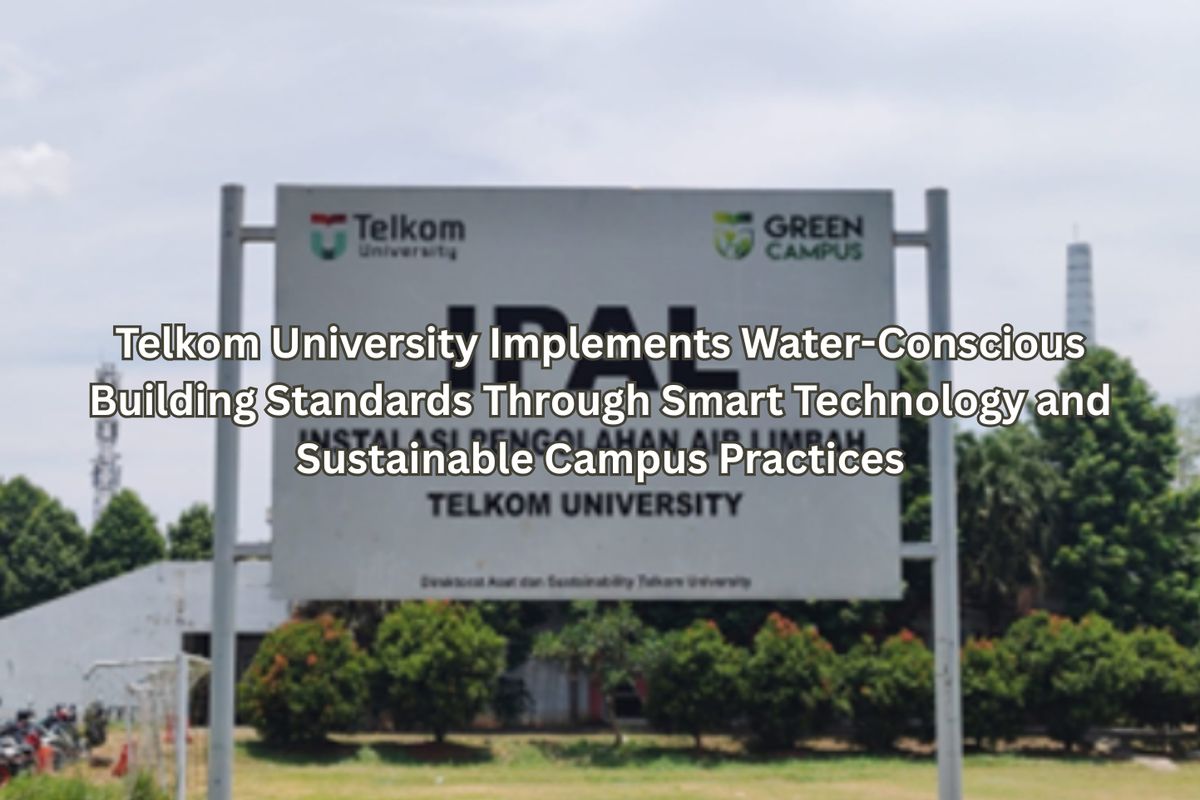
Telkom University Implements Water-Conscious Building Standards Through Smart Technology and Sustainable Campus Practices
Telkom University applies water-conscious building standards, fitting new buildings with dual-flush toilets, installing sensor and push taps, and making showers standard in dormitories housing 7,000 students. Water-saving devices now make up 73% of campus fixtures, supported by rainwater harvesting and IoT monitoring.
13 Jul 2025
THE Sustainability Impact Ratings 2027
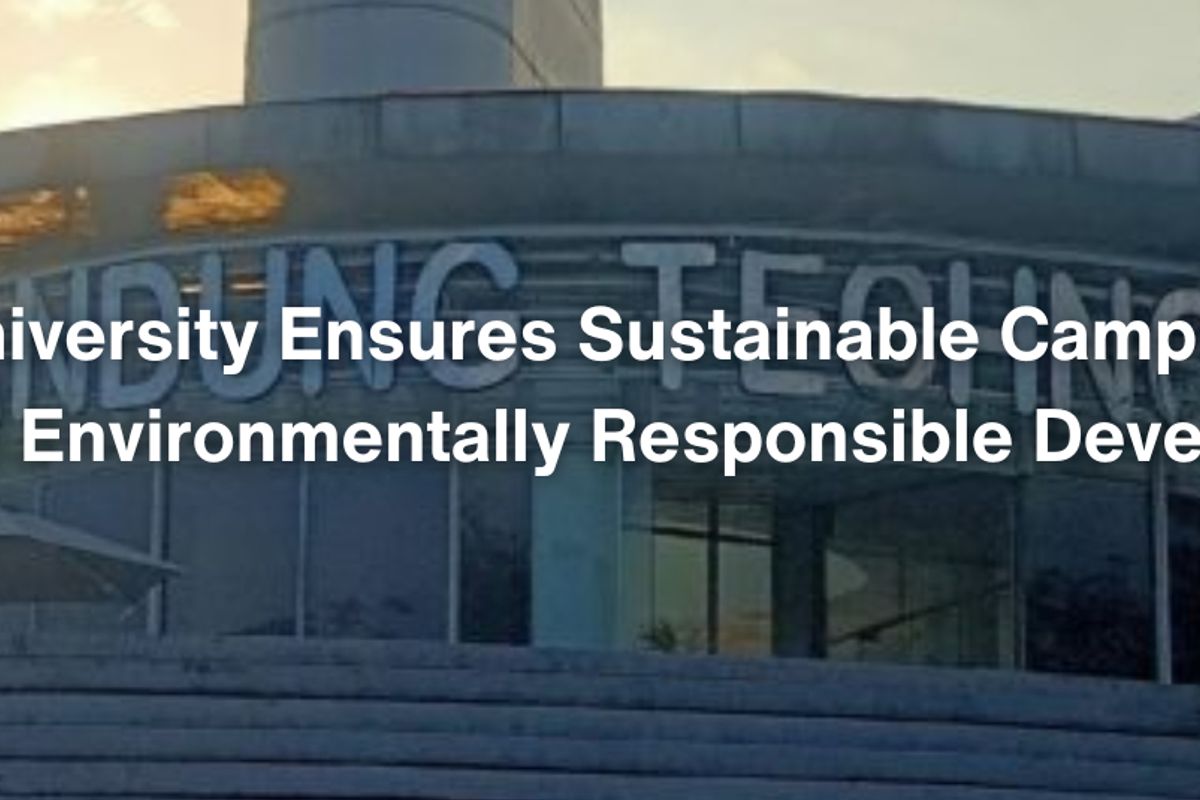
Telkom University Ensures Sustainable Campus Growth Through Environmentally Responsible Development
Telkom University integrates environmental and social considerations into campus development through compliance with national regulations and Environmental Impact Assessments (AMDAL). By evaluating potential impacts on air and water quality, infrastructure, public health, and surrounding communities before construction begins, the university promotes responsible infrastructure planning in support of SDG 9: Industry, Innovation and Infrastructure, and SDG 11: Sustainable Cities and Communities.
10 Jul 2025
THE Sustainability Impact Ratings 2027
Telkom University Manages and Cuts Its Carbon Emissions
Telkom University manages its carbon footprint through a clear cycle: measure, act and check again. The university counts the emissions produced by its electricity use, transport, fuel and waste, uses those numbers to set reduction targets and policies, and then puts them into practice through energy efficiency, renewable energy, greening and low-emission transport. This process is part of its Green Campus programme and its commitment to climate action.
07 Jul 2025 1 menit baca

THE Sustainability Impact Ratings 2027

Less Plastic, Less Waste: Telkom University Puts Limits on Disposable Items Across Campus
Through its operational measures policy minimisation disposable items, Telkom University limits plastic, paper and styrofoam under two Rector’s decrees, encourages refillable bottles, eco-bags and reusable cutlery, and provides separate recycling bins across campus.
03 Jul 2025 1 menit baca
THE Sustainability Impact Ratings 2027
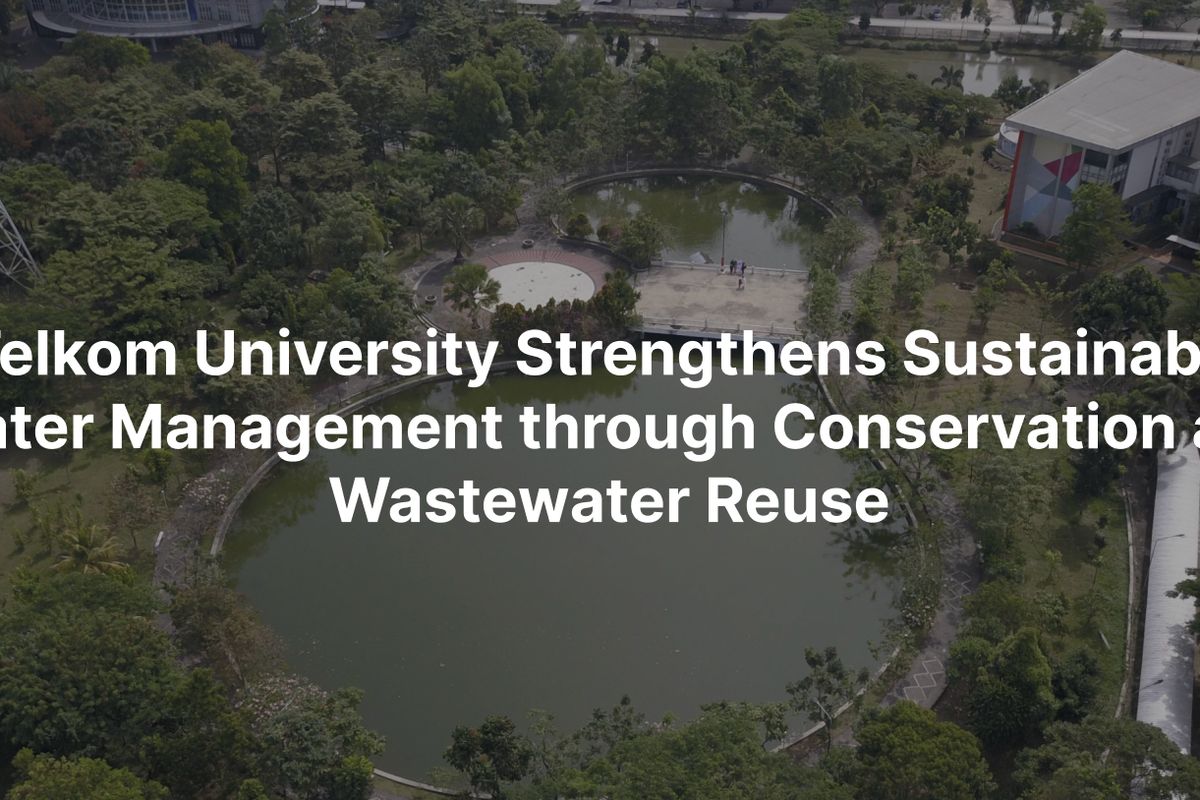
Telkom University Strengthens Sustainable Water Management through Conservation and Wastewater Reuse
Telkom University’s water reuse policy, set out in rector decrees KR.963/2023 and KR.331/2024, commits the campus to maximising recycled water. Treated STP water, filtered canal water and harvested rainwater are reused for gardens, crops, fish ponds, a recycled-water car wash and greenhouse irrigation, reducing reliance on groundwater.
25 Jun 2025
THE Sustainability Impact Ratings 2027
Telkom University Measures Every Ton of Campus Waste
Through its Integrated Waste Management System (I-WANT), set by Rector's Decree in 2020 and guided by a 2024–2027 strategic plan, Telkom University sorts, weighs and reports its campus waste so it knows how much is recycled, composted or sent for final disposal, on the way to a Zero Waste Campus by 2030.
17 Jun 2025 1 menit bacaS
THE Sustainability Impact Ratings 2027
Telkom University Plans Energy-Efficient Upgrades for Campus Buildings
Telkom University is steadily upgrading its existing buildings to use energy more efficiently. Guided by its Digital Green Campus Masterplan, the university is fitting older buildings with smart features for lighting, automation, energy and indoor comfort. Its latest data show that 46 campus buildings, covering 289,831 square metres, have been assessed against smart building criteria, and buildings that meet the standard now make up about 89% of the total building area.
17 Jun 2025 1 menit baca
THE Sustainability Impact Ratings 2027
Telkom University Handles Hazardous Waste Safely
Laboratories, workshops and campus facilities produce some waste that cannot simply go in the bin. Chemical residues, contaminated liquids and other hazardous materials need special care to protect people, soil and water. Telkom University addresses this through its sustainability policies, which require hazardous liquid waste to be managed to proper standards through the campus's integrated wastewater treatment plant (IPAL), and which set rules to keep wastewater away from clean water supplies.
16 Jun 2025 1 menit baca
General

Telkom University Strengthens Staff Well-Being Through Accessible Food Support
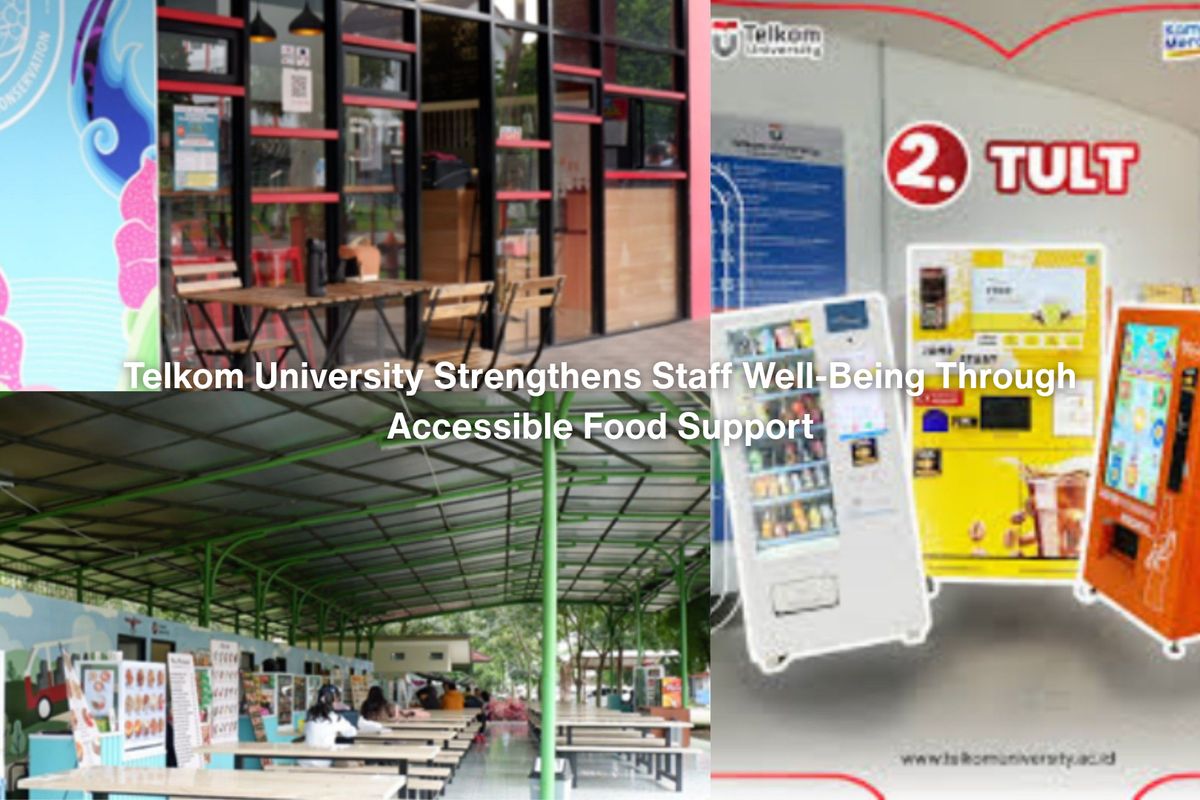
Telkom University supports employee welfare and food security through various workplace initiatives, including food tenants, office pantries, food banks, vending machines, meeting refreshments, and monthly meal allowances. These efforts aim to ensure convenient access to food while promoting a healthy and supportive working environment in line with SDG 2: Zero Hunger and SDG 3: Good Health and Well-Being.
10 Jun 2025
THE Sustainability Impact Ratings 2027
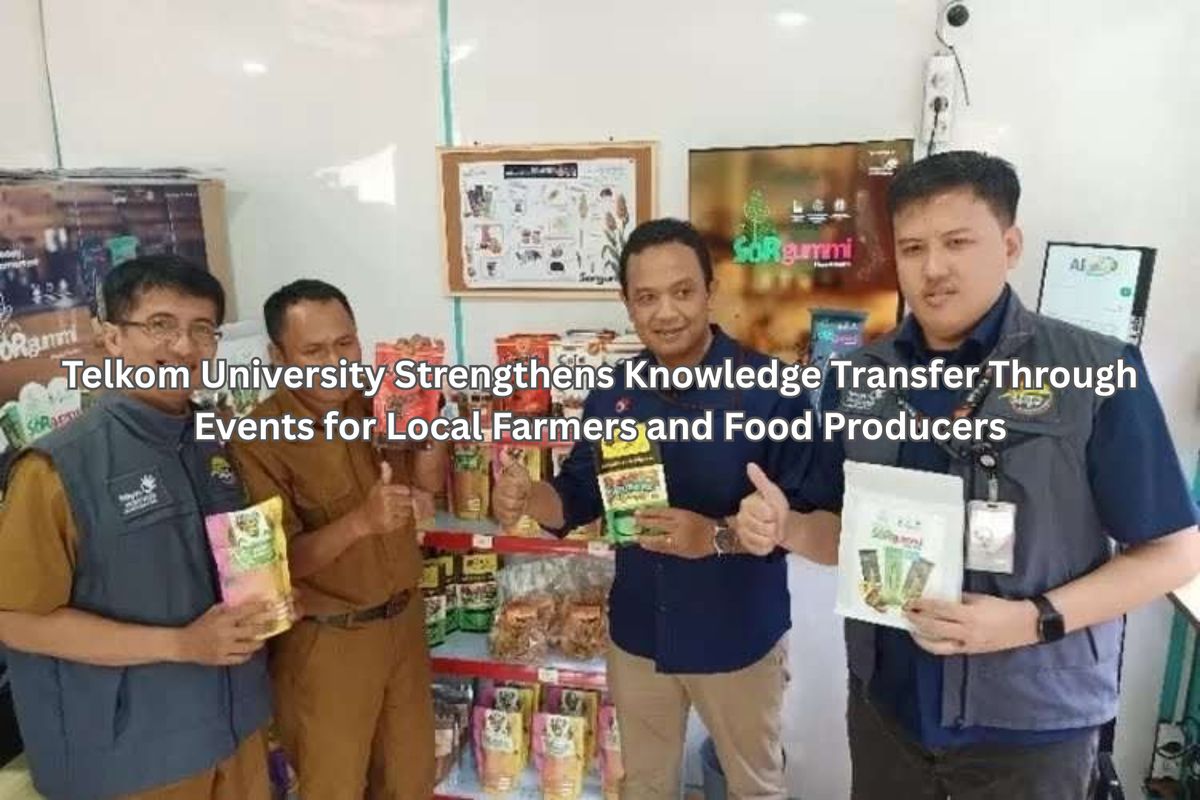
Telkom University Strengthens Knowledge Transfer Through Events for Local Farmers and Food Producers
In 2025, Telkom University held at least 24 events for local farmers and food producers across West, Central and East Java, reaching farmer groups, fish farmers, livestock farmers and small food businesses. The events ran from pest and disease education at the Selaawi Agricultural Extension Centre and LoRa-based irrigation training to aquaculture business management, processing of fish, milk and coconut sugar, and halal certification support. They gave local producers practical skills and a place to connect with university experts and with one another, supporting SDG 2, SDG 12 and SDG 14.