Berita Terbaru
Kumpulan update dan informasi terkini seputar SDGs.
THE Sustainability Impact Ratings 2026
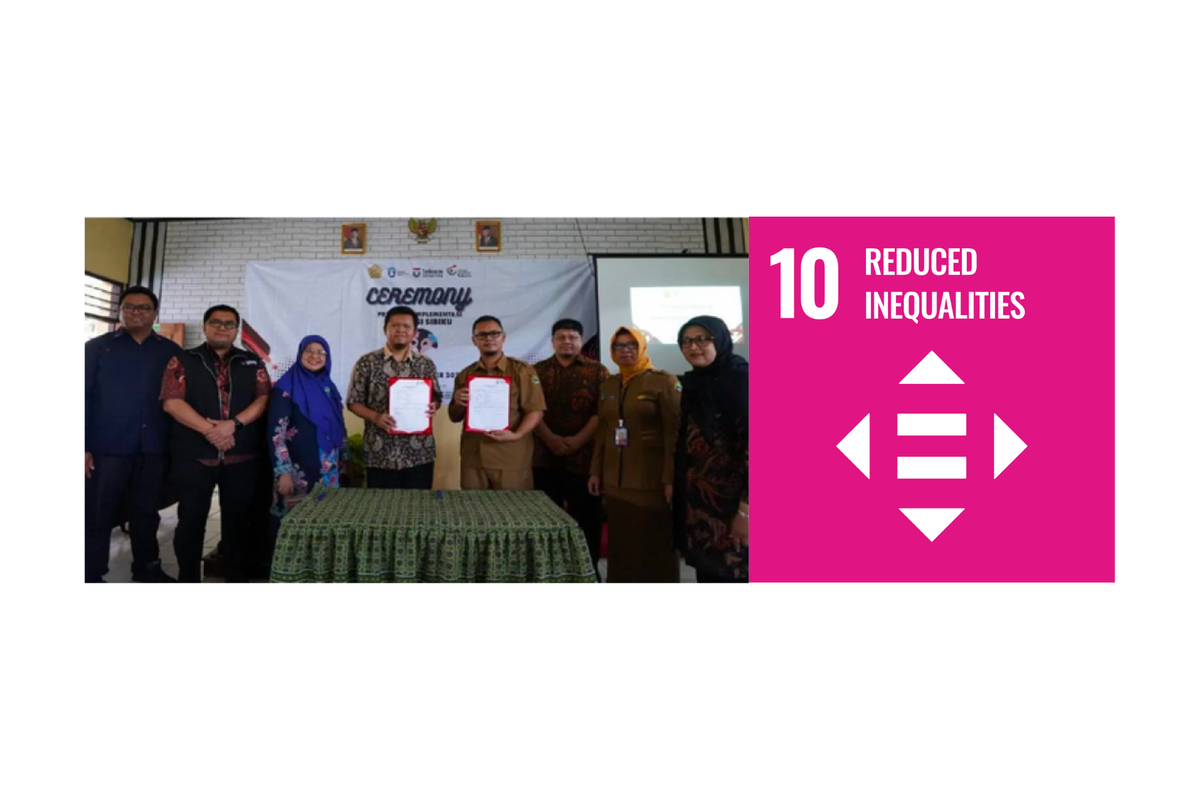
Telkom University’s Commitment to Reducing Inequalities
Through the SDGs Report 2024, Telkom University reaffirms its commitment to SDG 10 – Reduced Inequalities by advancing inclusive education and technology through initiatives such as entrepreneurship training for the deaf, navigation apps for the visually impaired, and financial literacy programs, promoting accessibility, empowerment, and social equity for all communities.
17 Nov 2024 1 menit bacaSSDGS Telkom University
THE Sustainability Impact Ratings 2026
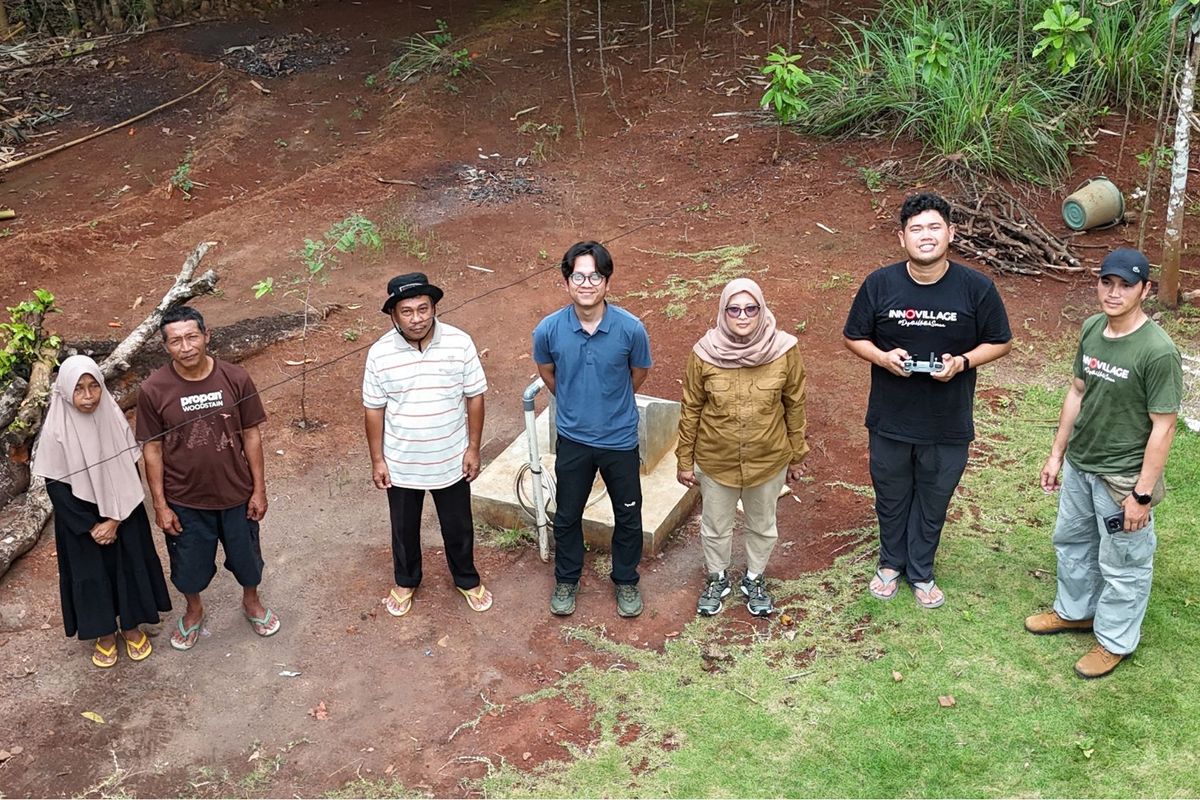
Strengthening Partnerships for Clean Water and Sanitation: Telkom University’s Collaborative Action Toward SDG 6
Through the SDGs Report 2024, Telkom University underscores its strong commitment to SDG 6: Clean Water and Sanitation by advancing initiatives that ensure equitable access to safe and sustainable water resources. The Clean Water Facility (SAB) Moneva Program served as a flagship effort, conducting monitoring and evaluation across 17 locations in Indonesia to enhance water quality and community-managed infrastructure. Complemented by educational outreach and research innovations—such as solar-powered electrolysis for clean water production and IoT-based smart monitoring systems—Telkom University continues to integrate technology, education, and community collaboration to promote water security and environmental sustainability.
16 Nov 2024 1 menit baca
THE Sustainability Impact Ratings 2026
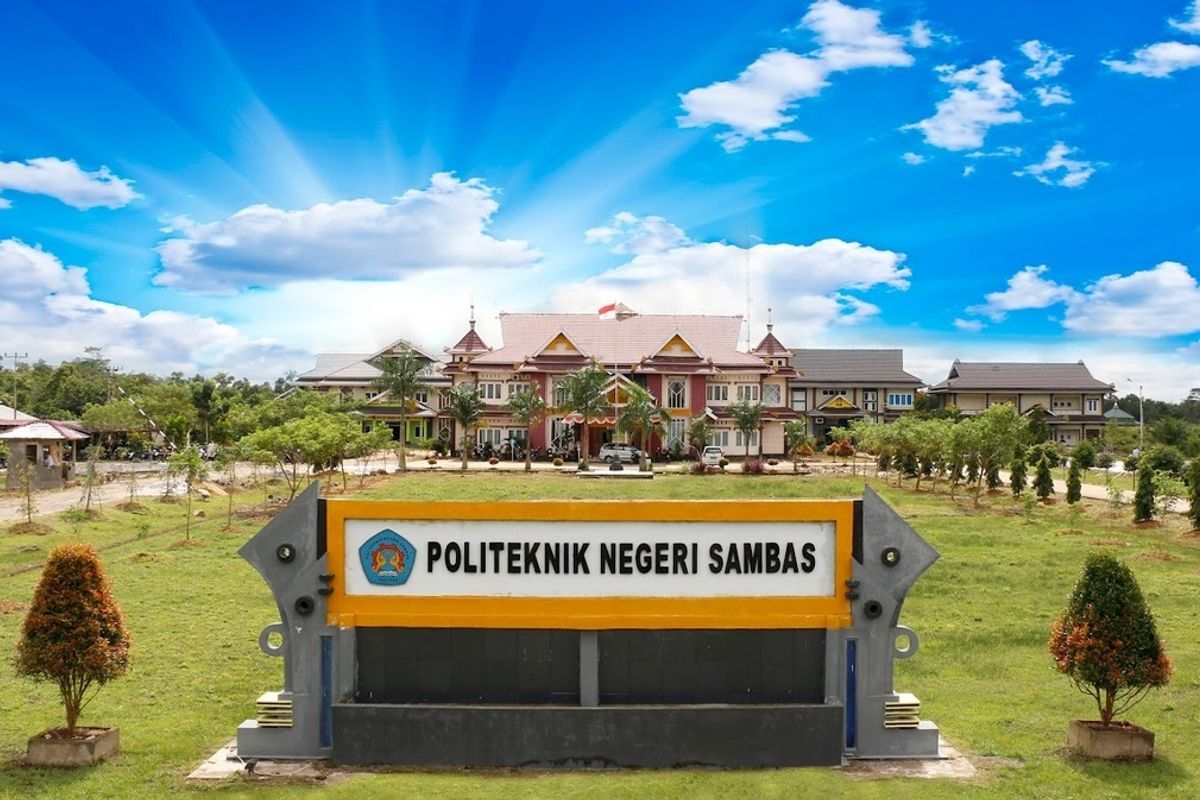
Collaboration for SDG Best Practice: Partnership with Politeknik Negeri Sambas (Poltesa)
Telkom University advances its commitment to the SDGs, particularly SDG 4 (Quality Education) and SDG 17 (Partnerships for the Goals), through strategic collaborations and knowledge sharing. In partnership with Politeknik Negeri Sambas (Poltesa), the university donated the EAZY Education application and integrated systems to support accreditation and improve academic administration. This collaboration exemplifies how Telkom University leverages digital innovation and institutional partnerships to strengthen educational quality, governance, and sustainable transformation in Indonesia’s higher education ecosystem.
13 Nov 2024 1 menit baca
THE Sustainability Impact Ratings 2026
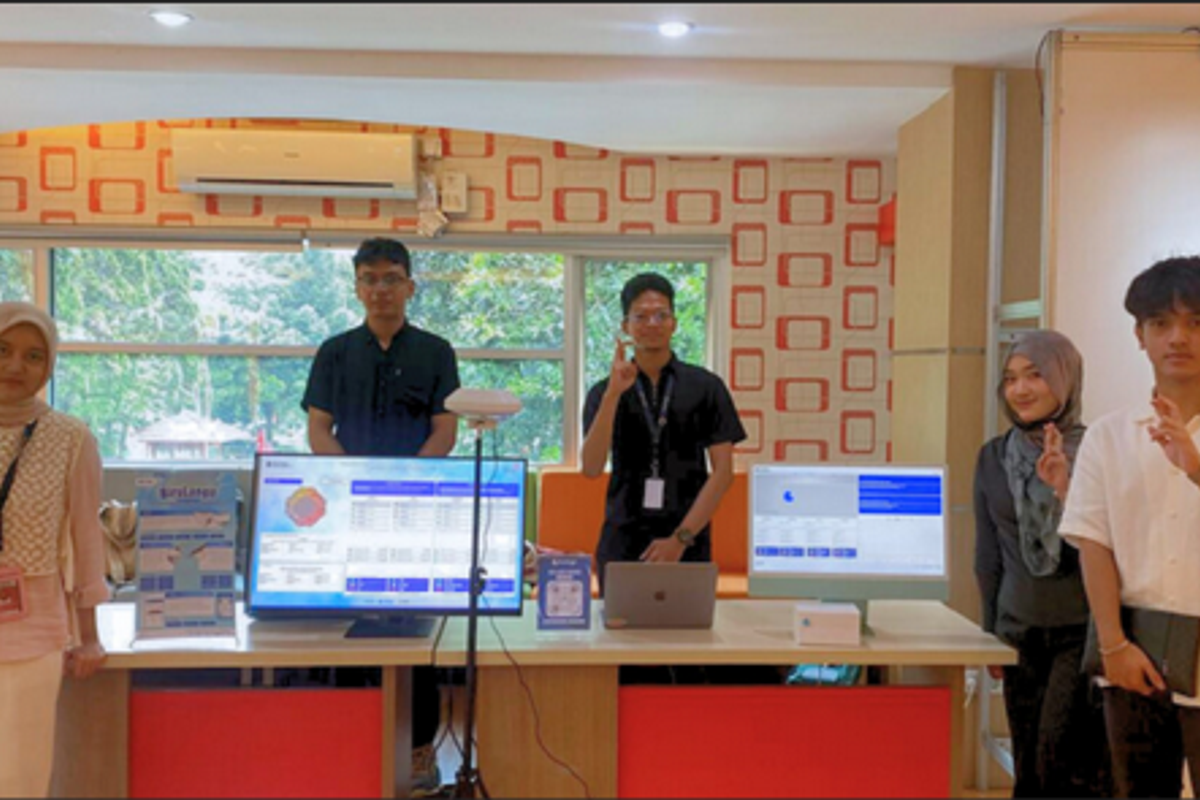
Telkom University Drives Low-Carbon Innovation Through Green Technology and Sustainable Start-Ups
Telkom University continues to strengthen its role in advancing Indonesia’s low-carbon transformation by nurturing start-ups and research innovations centered on green technology and sustainable energy solutions. Through Bandung Techno Park (BTP), Telkom University provides research funding, incubation, and business acceleration programs that bridge academia, industry, and government to build a sustainable innovation ecosystem that supports national climate goals.
08 Nov 2024 1 menit bacaS
THE Sustainability Impact Ratings 2026
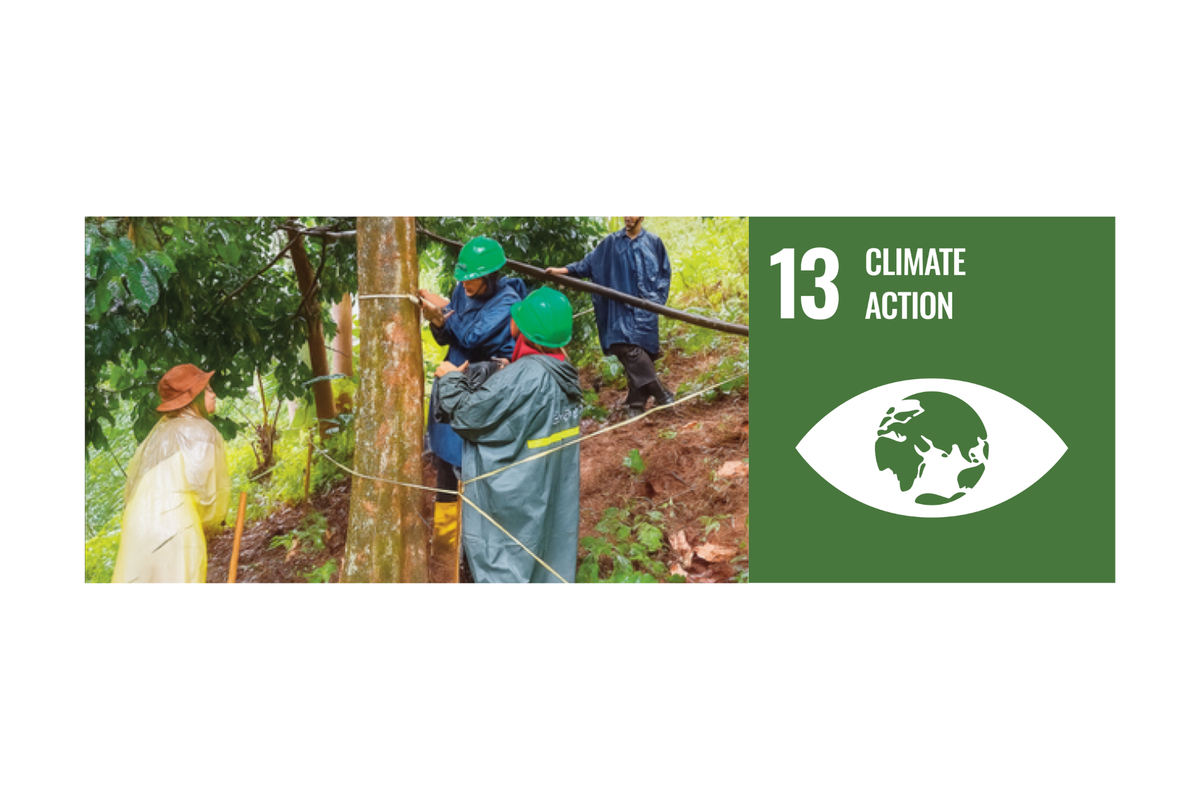
Telkom University’s SDG 13 Report: Advancing Climate Action through Innovation, Research, and Technology
Telkom University demonstrates its strong commitment to SDG 13 – Climate Action through transparent reporting, innovative research, and technology-driven initiatives that reduce carbon emissions, promote renewable energy, and strengthen environmental resilience for a sustainable future.
07 Nov 2024 1 menit bacaSSDGS Telkom University
THE Sustainability Impact Ratings 2026
Telkom University Publishes Annual Sustainability Report Highlighting SDGs Achievements
Telkom University reaffirms its commitment to the Sustainable Development Goals (SDGs) through the annual publication of its Sustainability Report, which documents the university’s progress, initiatives, and measurable impact on global sustainability. The 2024 SDGs Report highlights achievements in waste reduction, climate action, renewable energy, and inclusive education, while showcasing collaborations with government, industry, and NGOs. Through transparent reporting and continuous improvement, Telkom University strengthens its role as a leader in innovation and sustainability, advancing shared responsibility toward the 2030 Agenda for Sustainable Development.
07 Nov 2024 1 menit baca
THE Sustainability Impact Ratings 2026
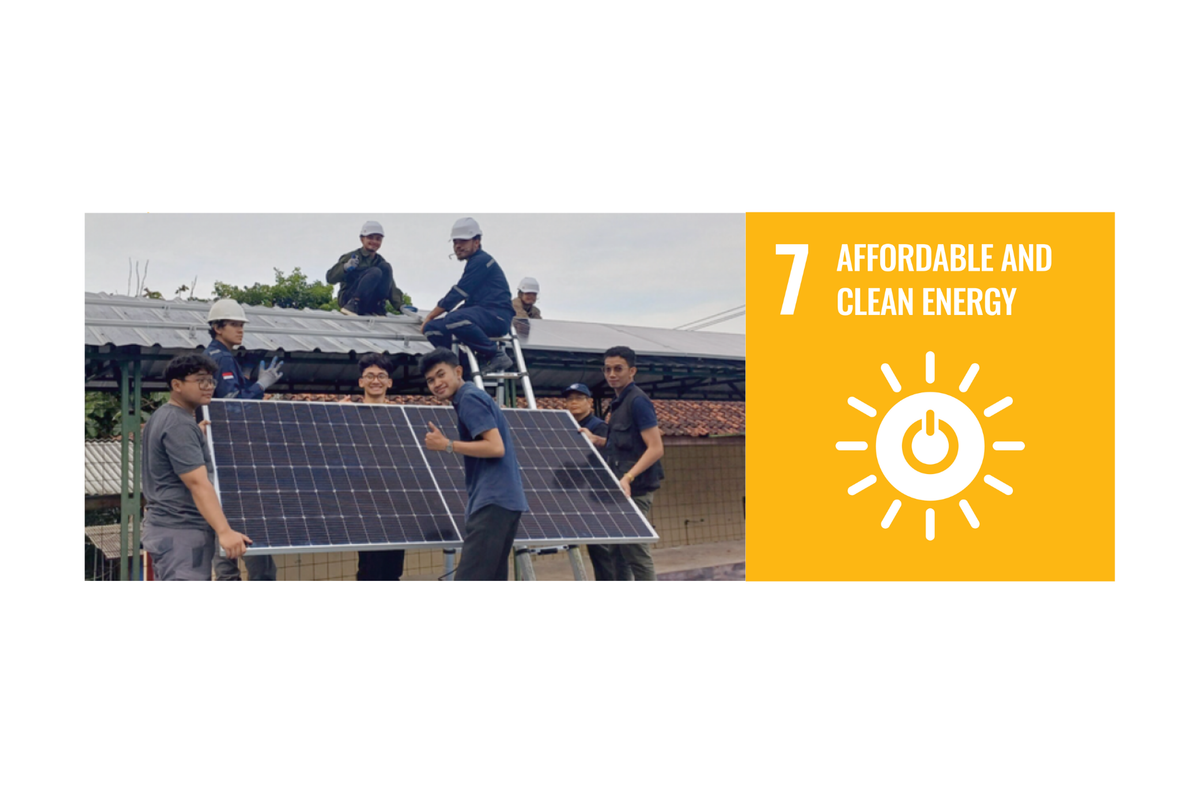
Advancing Renewable Energy Innovation: Telkom University’s Collaborative Efforts Toward SDG 7
Through the SDGs Report 2024, Telkom University reaffirms its commitment to SDG 7 – Affordable and Clean Energy by advancing renewable energy innovation, exemplified through projects like the Sampalan Indah renewable energy pilot site, clean energy research, and AI-driven technological developments that promote sustainable power solutions and community empowerment.
06 Nov 2024 1 menit bacaSSDGS Telkom University
THE Sustainability Impact Ratings 2026
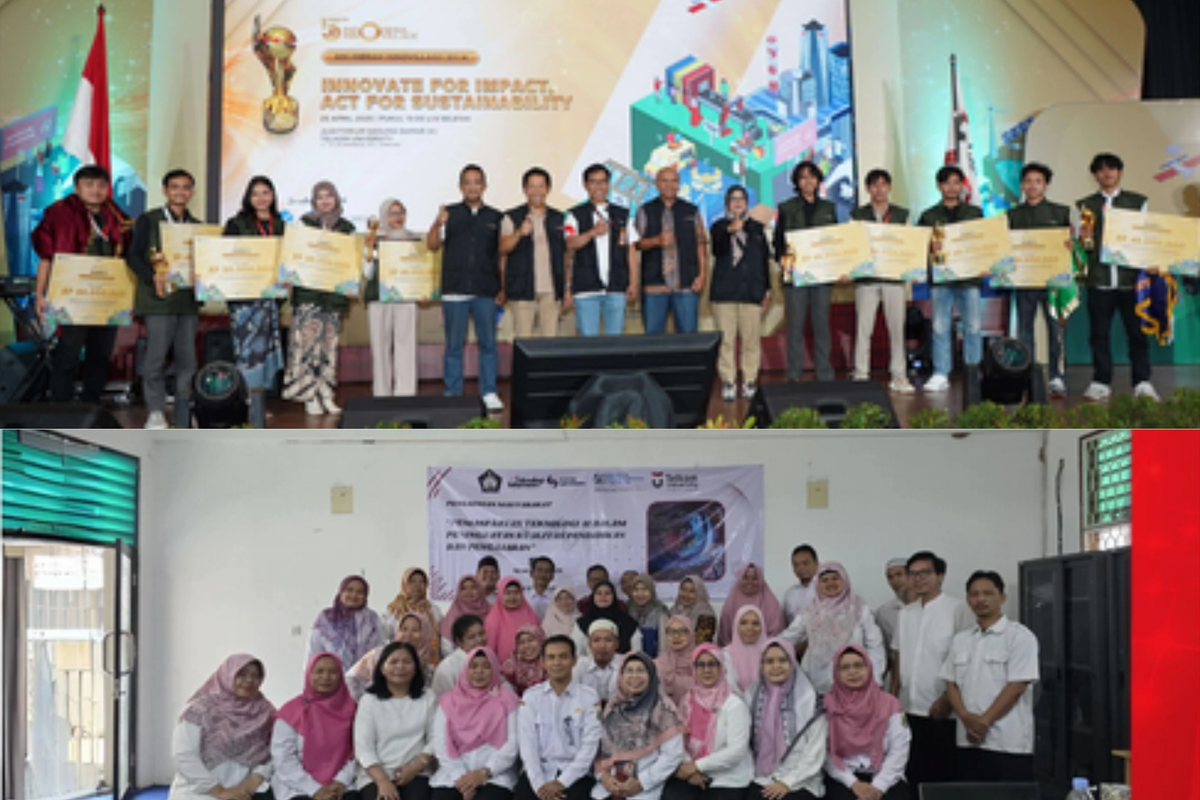
Telkom University Strengthens Climate Change Education through Innovillage and Community Programs
Telkom University actively advances SDG 13: Climate Action by promoting climate change education, community engagement, and disaster risk reduction through initiatives such as Innovillage, a national social innovation program fostering technology-based solutions for environmental challenges. The university also implements Abdimas projects and publishes an annual SDGs Report that documents its measurable progress in sustainability, research, and climate resilience. Through these programs, Telkom University empowers communities with knowledge and innovation to strengthen local adaptation and build a sustainable future.
05 Nov 2024 1 menit baca
THE Sustainability Impact Ratings 2026
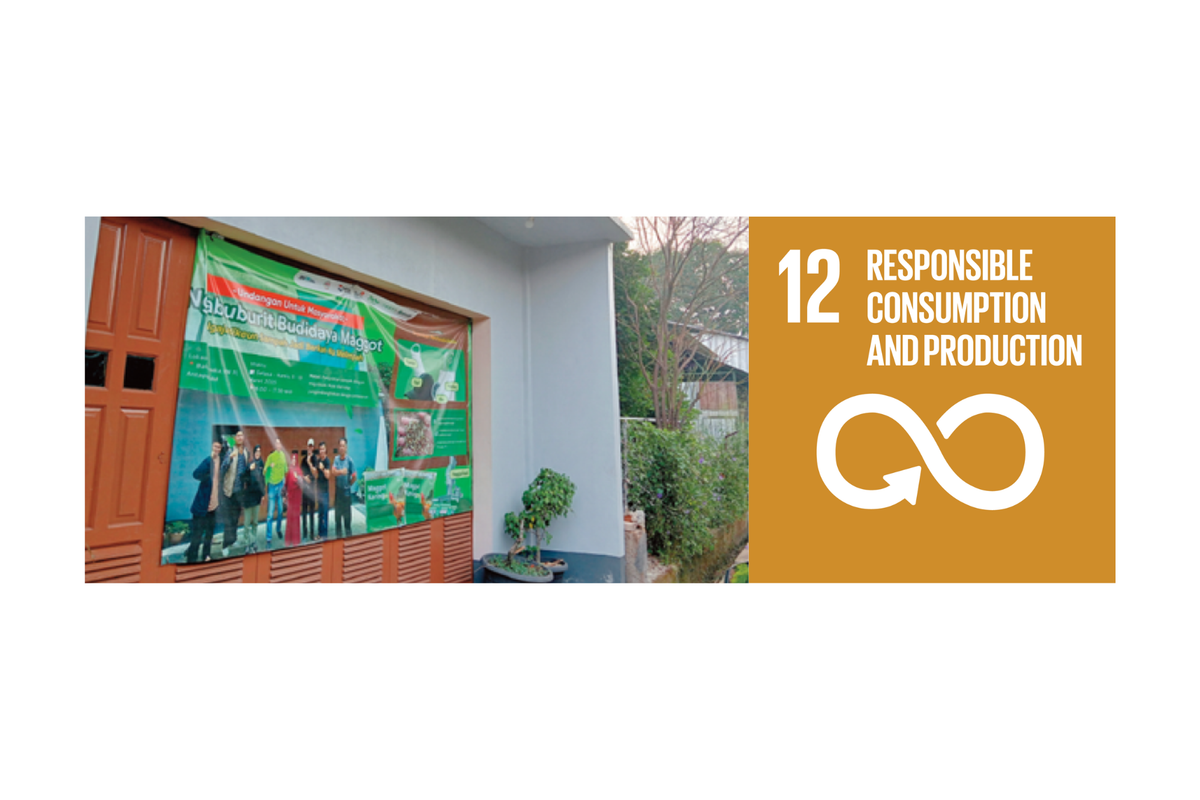
Telkom University’s SDG 12 Report: Strengthening Responsible Consumption and Sustainable Production through Innovation and Community Empowerment
Telkom University demonstrates its strong commitment to SDG 12 – Responsible Consumption and Production through integrated initiatives, technological innovations, community engagement, and transparent reporting that promote sustainable resource management and circular economy practices.
04 Nov 2024 1 menit bacaS
THE Sustainability Impact Ratings 2026
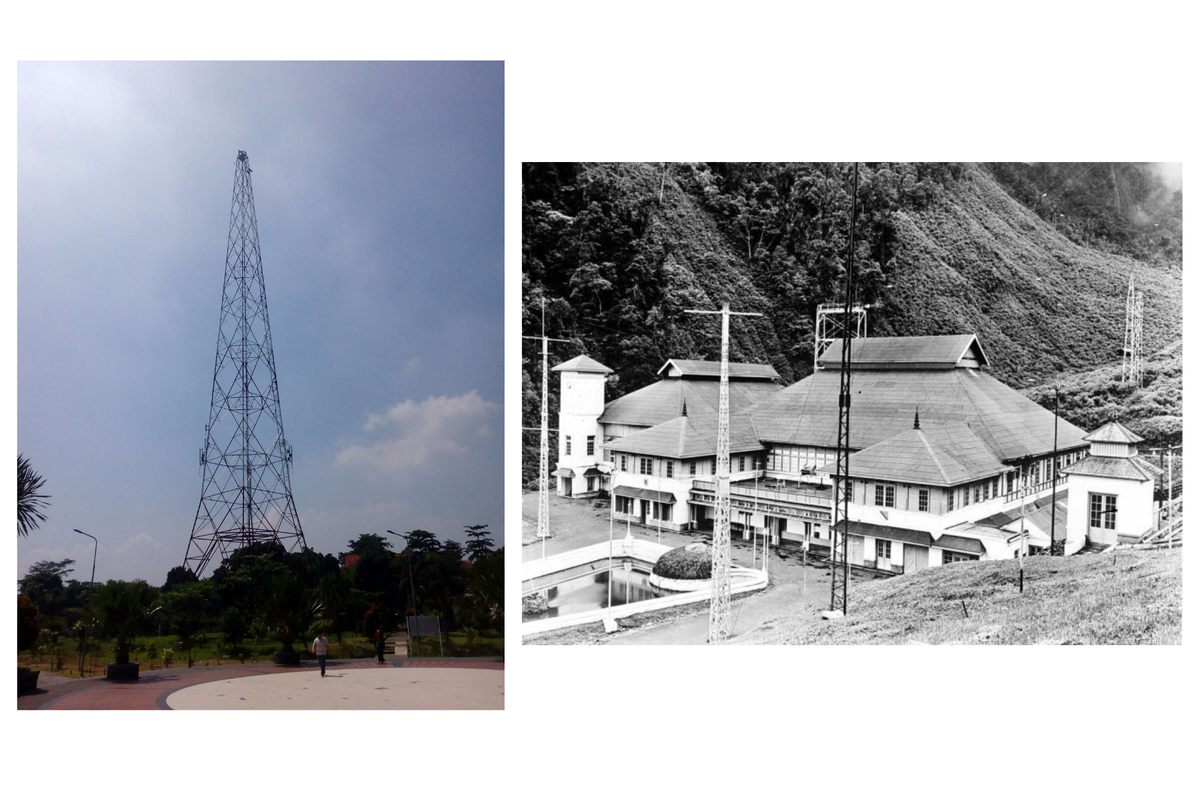
Telkom University Preserves the Legacy of Radio Malabar as a Symbol of Indonesia’s Communication History
Telkom University preserves the historic Radio Malabar towers as symbols of Indonesia’s pioneering role in global communication. Through heritage conservation, public education, and academic integration, the university bridges history and innovation ensuring that the legacy of Radio Malabar continues to inspire future generations and strengthen national pride.
31 Okt 2024 1 menit bacaSSDGS Telkom University

THE Sustainability Impact Ratings 2026
Telkom University Commits to 100% Renewable Energy and Sustainable Education
Telkom University has officially pledged to achieve 100% renewable energy, reinforcing its commitment to environmental sustainability and alignment with the Sustainable Development Goals SDG 7 Affordable and Clean Energy.
29 Okt 2024 1 menit bacaSSDGS Telkom University
THE Sustainability Impact Ratings 2026
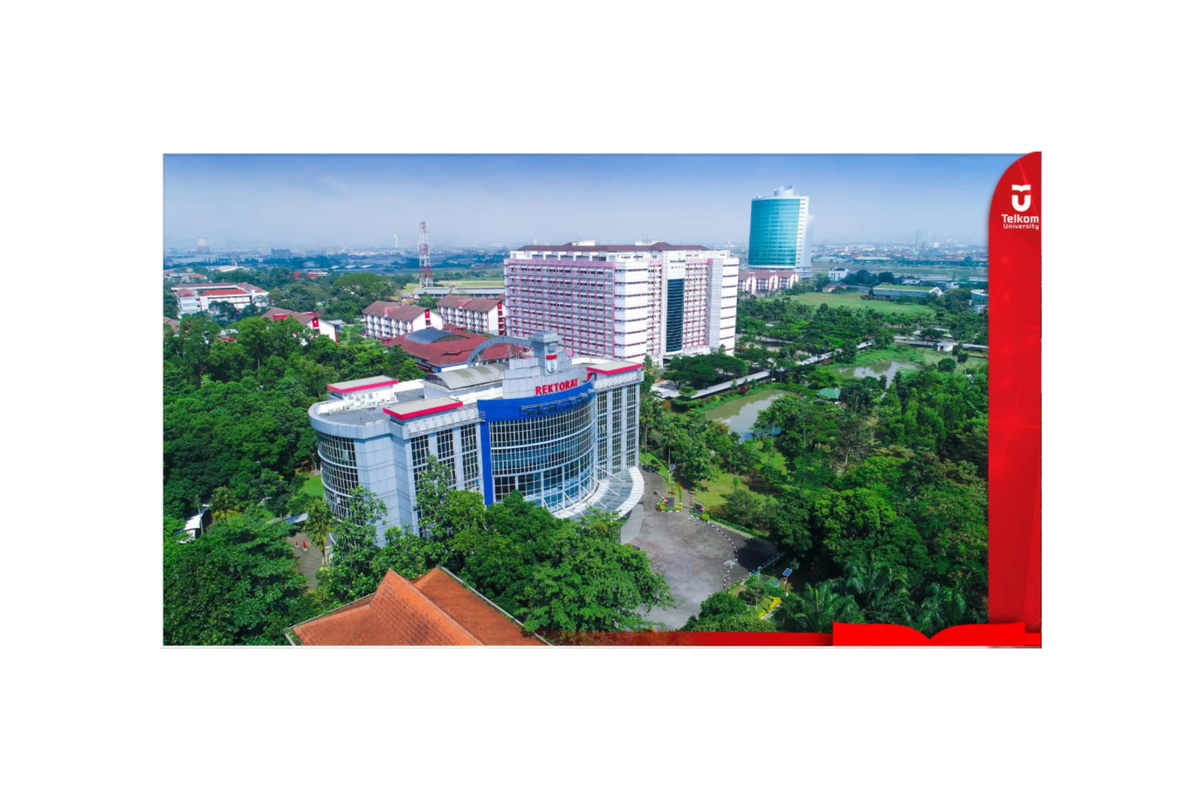
Telkom University Implements Energy Divestment Policy to Support Renewable Transition and Clean Energy Education
In alignment with the Sustainable Development Goals (SDG 7: Affordable and Clean Energy), Telkom University (Tel-U) has strengthened its commitment to reducing reliance on fossil fuels through the implementation of a comprehensive Energy Divestment Policy. This initiative is a key part of the university’s long-term sustainability strategy to accelerate the transition toward renewable energy and contribute to Indonesia’s net-zero emissions target.
29 Okt 2024 1 menit bacaS