Berita Terbaru
Kumpulan update dan informasi terkini seputar SDGs.
THE Sustainability Impact Ratings 2026
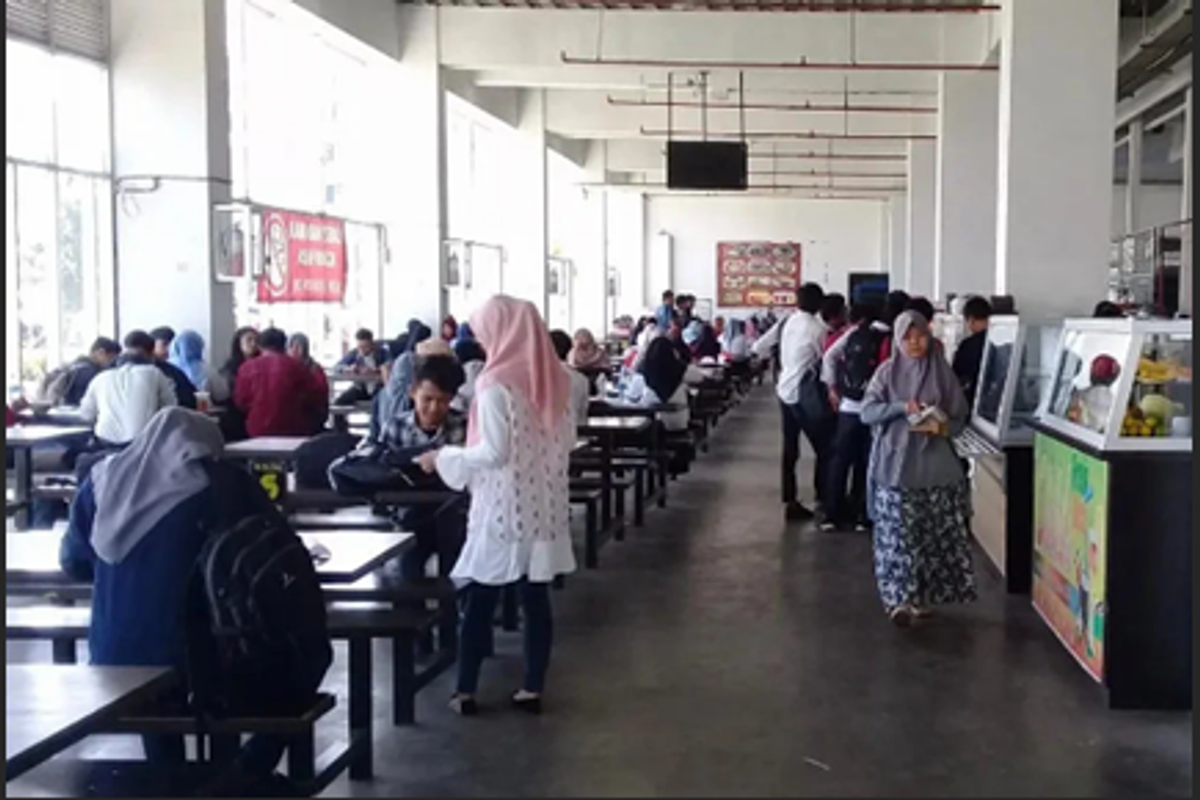
Telkom University Prioritizes Sustainable Food Procurement and Local Partnerships
Telkom University advances SDG 2 and SDG 12 by promoting sustainable food procurement, ethical sourcing, and smart agriculture innovations, integrating technology, community partnerships, and research to support local producers, reduce waste, and ensure food safety.
25 Okt 2024 1 menit bacaSSDGS Telkom University
THE Sustainability Impact Ratings 2026
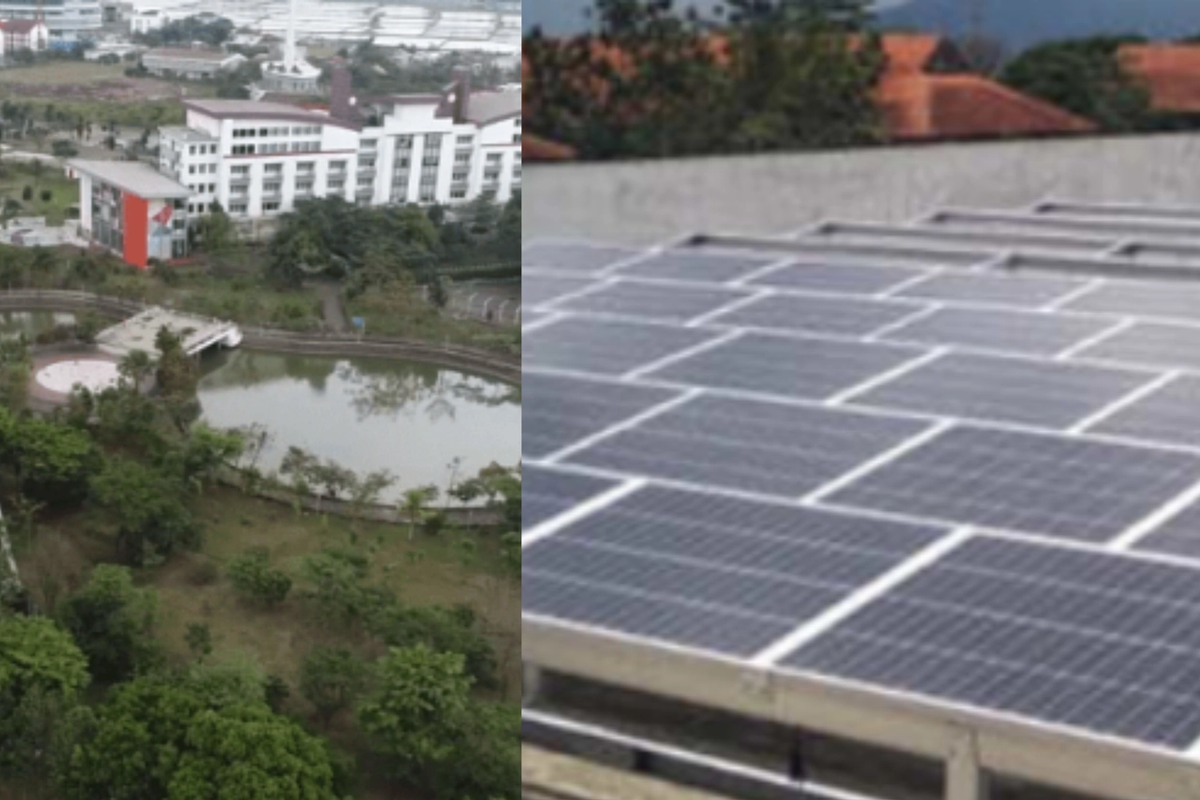
Telkom University Implements Energy Efficiency Initiatives to Reduce Overall Energy Consumption
Telkom University continues to advance its sustainability mission through comprehensive initiatives aimed at reducing overall energy consumption and increasing the use of renewable energy sources across campus.
24 Okt 2024 1 menit bacaSSDGS Telkom University
THE Sustainability Impact Ratings 2026
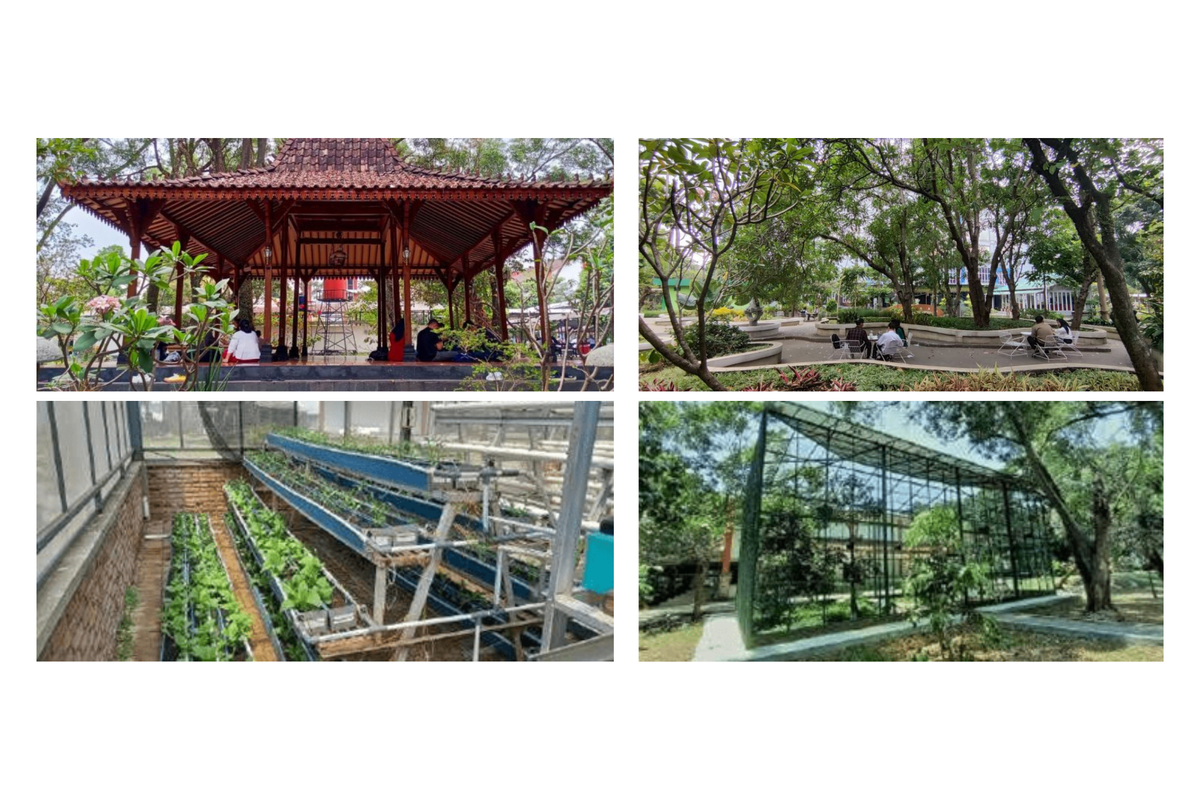
Telkom University Opens Its Green Spaces for Public Learning and Environmental Awareness
Telkom University integrates sustainability, education, and community engagement through its freely accessible green and open spaces. Serving as living laboratories, these areas promote biodiversity, environmental learning, and public participation in conservation. By combining nature and knowledge, the university strengthens its role as an inclusive and eco-conscious institution that inspires future generations to care for the environment.
21 Okt 2024 1 menit bacaSSDGS Telkom University
THE Sustainability Impact Ratings 2026
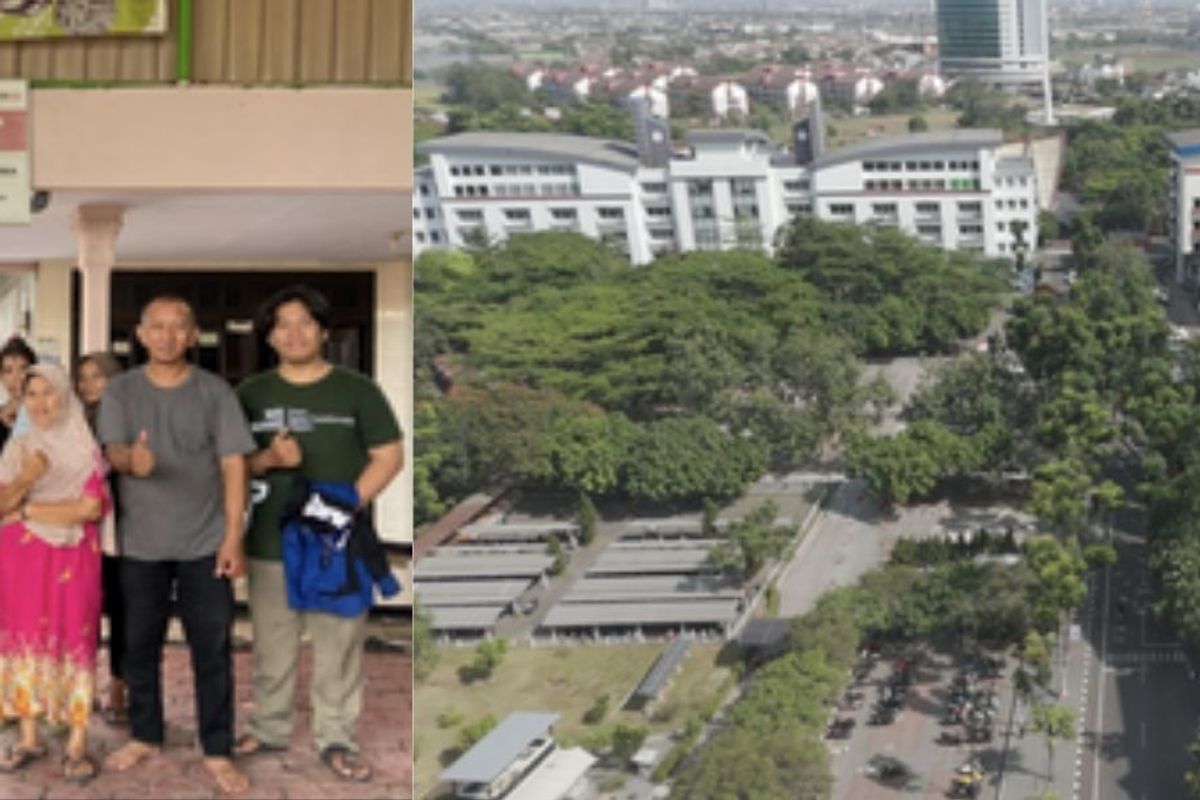
Telkom University Strengthens Commitment to Sustainability through Curriculum and Collaboration
Telkom University integrates sustainability into its curriculum and collaborations across faculties, industries, and communities, empowering students to become innovative changemakers who advance the Sustainable Development Goals through education, research, and real-world impact.
13 Okt 2024 1 menit bacaSSDGS Telkom University
THE Sustainability Impact Ratings 2026
Telkom University Strengthens Partnerships with Government and NGOs in Advancing SDG Policy Development
Telkom University strengthens partnerships with governments, NGOs, and international organizations to advance the Sustainable Development Goals (SDGs) through policy collaboration, innovation, and community engagement. In 2024, the university contributed to major initiatives such as the ESD-Net 2030 Asia-Pacific Regional Meeting, the ESD Country Initiative Indonesia, and the ITU Asia-Pacific Regional Development Forum. By integrating academic expertise and technological innovation into programs like Bandung Bergerak, Lokadesa, and Lamun Warrior, Telkom University reinforces its leadership in fostering inclusive and sustainable development.
10 Okt 2024 1 menit baca
THE Sustainability Impact Ratings 2026
Driving Sustainable Innovation: Telkom University’s Commitment to Advancing SDG 9
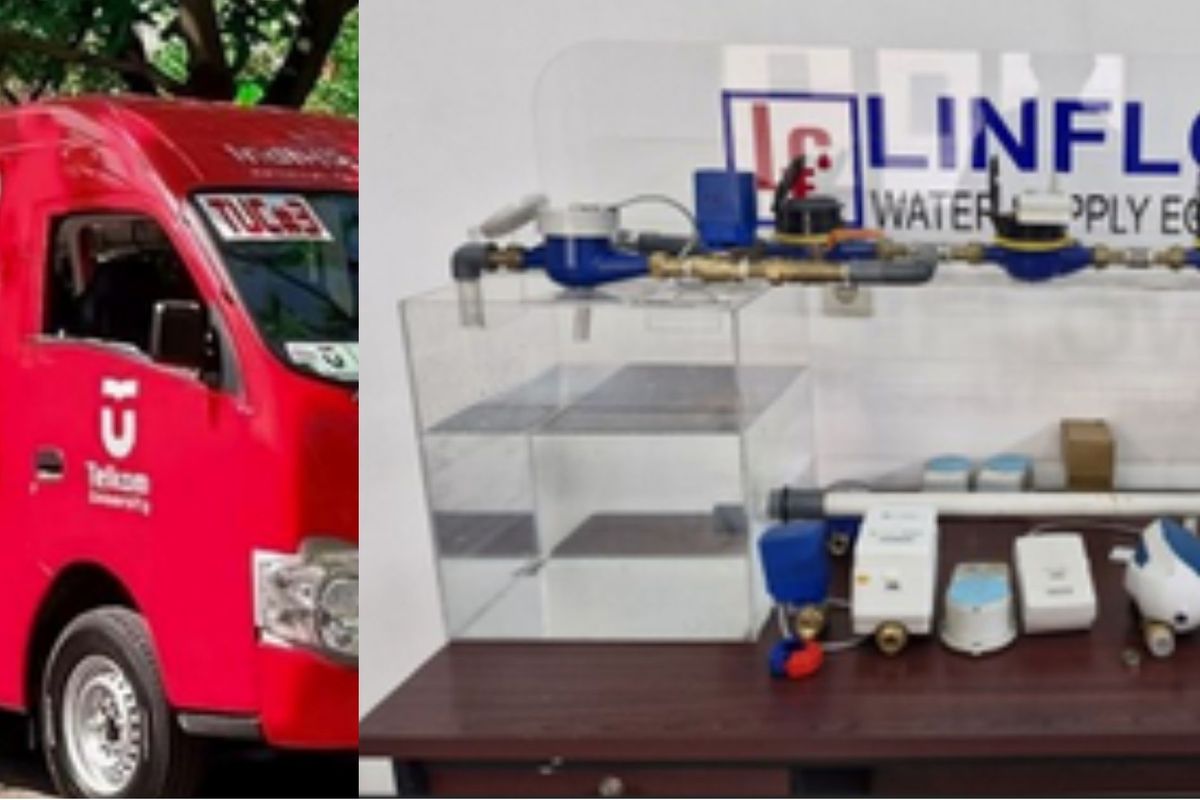
Through the SDGs Report 2024, Telkom University reaffirms its commitment to SDG 9 – Industry, Innovation, and Infrastructure by advancing sustainable technologies such as the TucTuc Electric Vehicle, real-time water quality monitoring devices, and the Innovillage program, which collectively foster green innovation, industrial collaboration, and inclusive infrastructure development.
05 Okt 2024 1 menit bacaSSDGS Telkom University
THE Sustainability Impact Ratings 2026
Telkom University Implements Comprehensive Waste Tracking and Recycling System
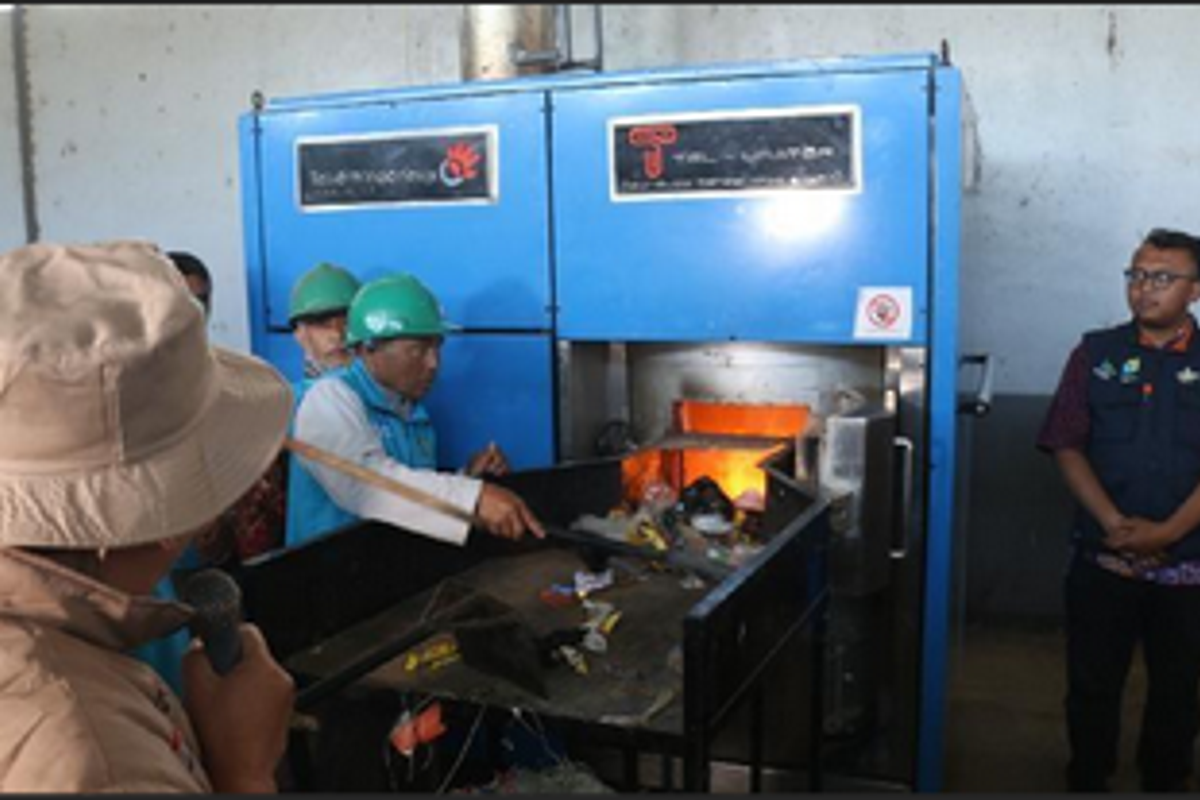
Telkom University continues to strengthen its position as a leading sustainable university in Indonesia by implementing a comprehensive digital waste management system that supports Sustainable Development Goal (SDG) 12: Responsible Consumption and Production.
26 Sep 2024 1 menit bacaSSDGS Telkom University
THE Sustainability Impact Ratings 2026
Telkom University’s Strengthening Collaboration to Advance Quality Education
Telkom University strengthens its commitment to SDG 4 – Quality Education through strategic partnerships that integrate technology, innovation, and inclusivity, expanding access to equitable and high-quality learning opportunities while fostering sustainable human development.
18 Sep 2024 1 menit bacaSSDGS Telkom University
THE Sustainability Impact Ratings 2026
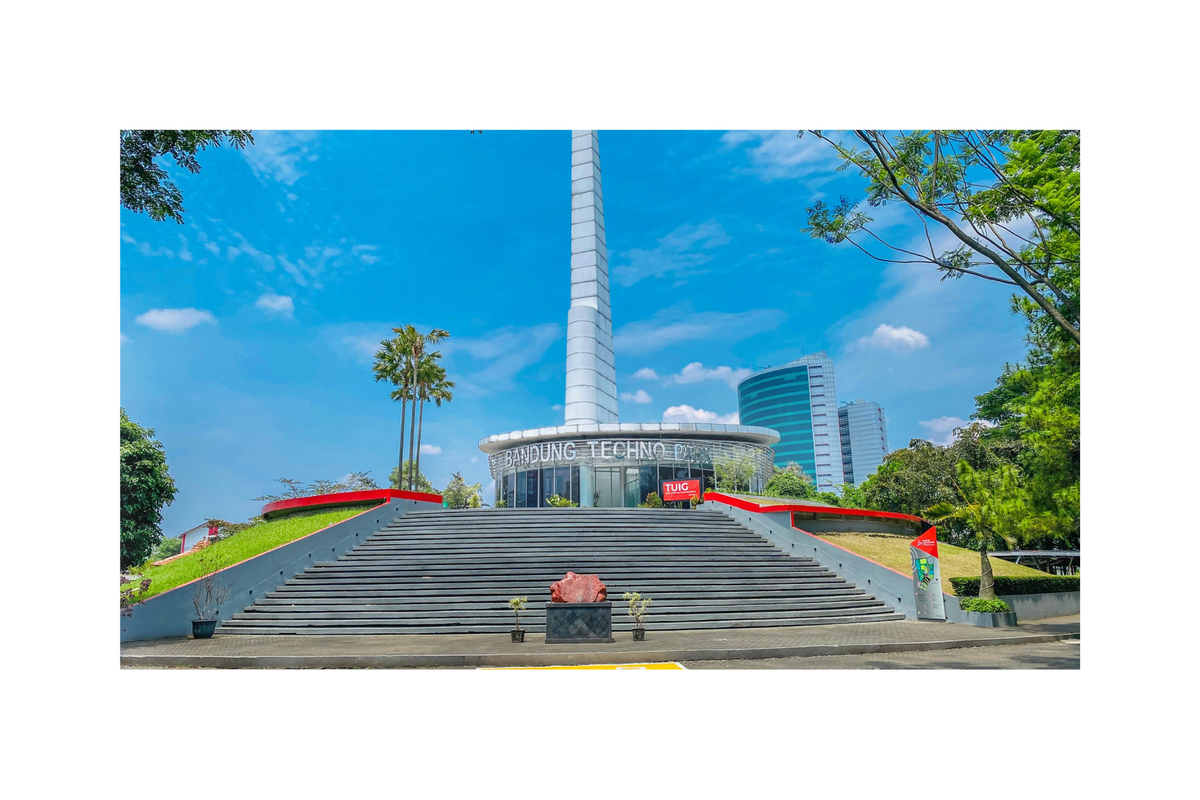
Ensuring Sustainable Campus Growth through Environmentally Responsible Development at Telkom University
Telkom University ensures that every stage of its development aligns with national environmental standards and sustainability principles. Through comprehensive Environmental Impact Assessments (AMDAL) and collaboration with the Bandung Regency Government, the university guarantees that each construction project minimizes ecological risks while supporting innovation and community well-being. Exemplified by the Bandung Techno Park project, Telkom University integrates eco-friendly materials, efficient energy systems, and green spaces demonstrating that growth and environmental stewardship can progress together toward a sustainable future.
17 Sep 2024 1 menit baca
THE Sustainability Impact Ratings 2026
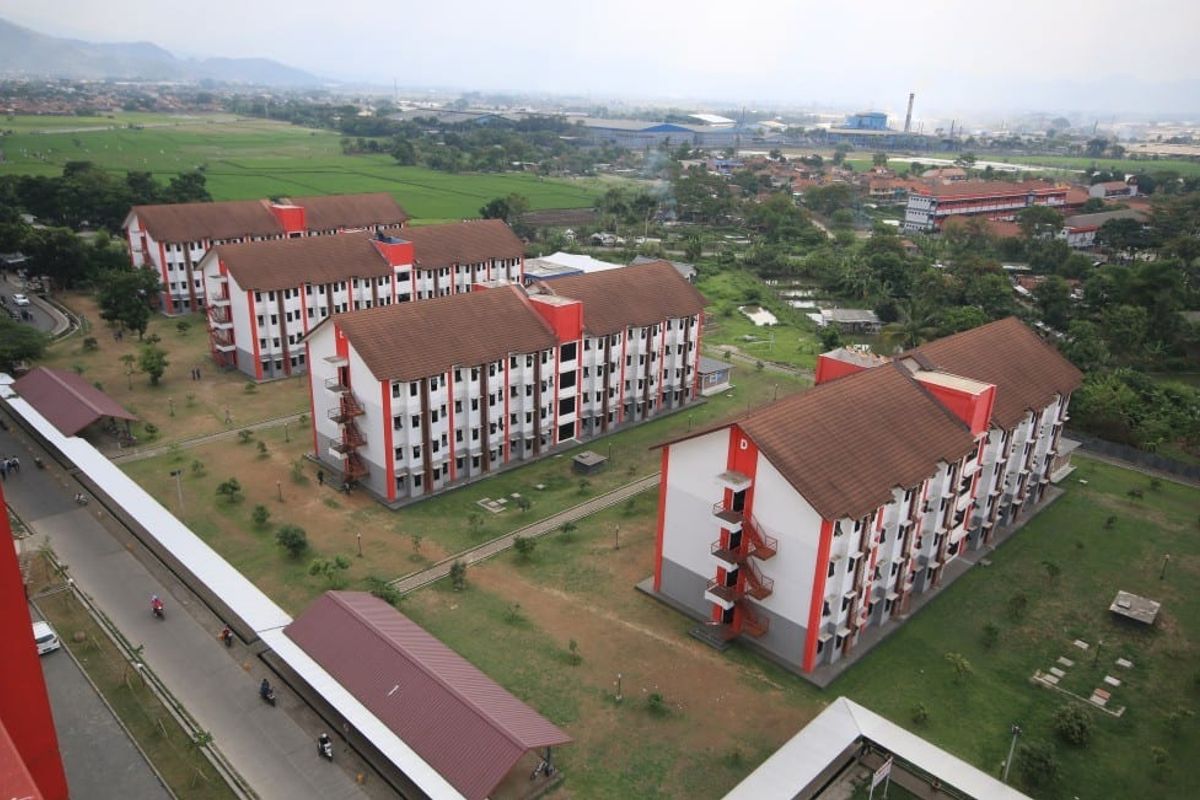
Fostering Student Growth through Accessible and Supportive Housing at Telkom University
Telkom University provides affordable, safe, and well-managed student housing that supports both academic success and personal growth. Through its on-campus dormitories, the university fosters community, character development, and well-being while ensuring accessibility for students from all backgrounds. More than just accommodation, the dormitory serves as a living-learning environment that embodies Telkom University’s commitment to holistic education and equal opportunities for all students.
16 Sep 2024 1 menit bacaSSDGS Telkom University
THE Sustainability Impact Ratings 2026
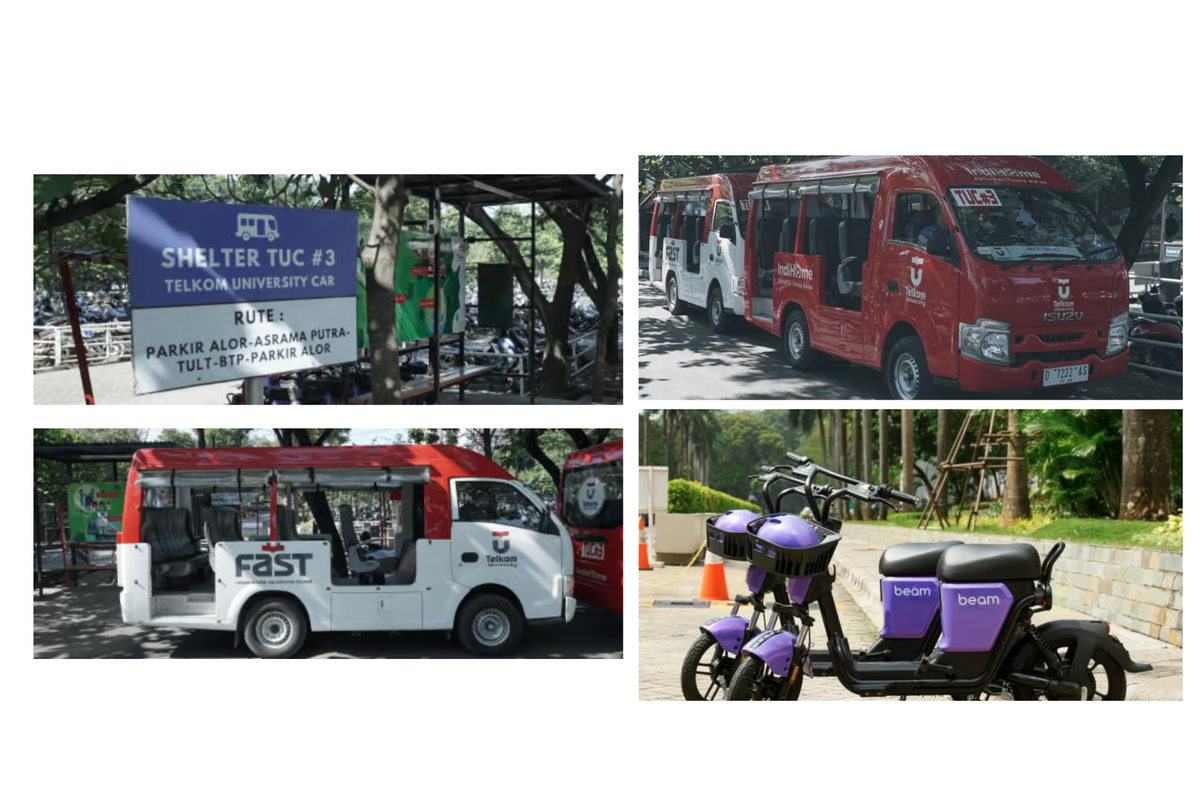
Telkom University Strengthens Sustainable Mobility Through Green Commuting Initiatives
Telkom University promotes sustainable campus mobility by integrating walking, cycling, and electric transportation to reduce emissions and support the SDGs. Through initiatives like motor vehicle-free days, electric mobility programs, and the TelUtizen Step Together Challenge, the university fosters a healthy, eco-friendly, and community-driven approach to everyday commuting.
09 Sep 2024 1 menit bacaSSDGS Telkom University
THE Sustainability Impact Ratings 2026
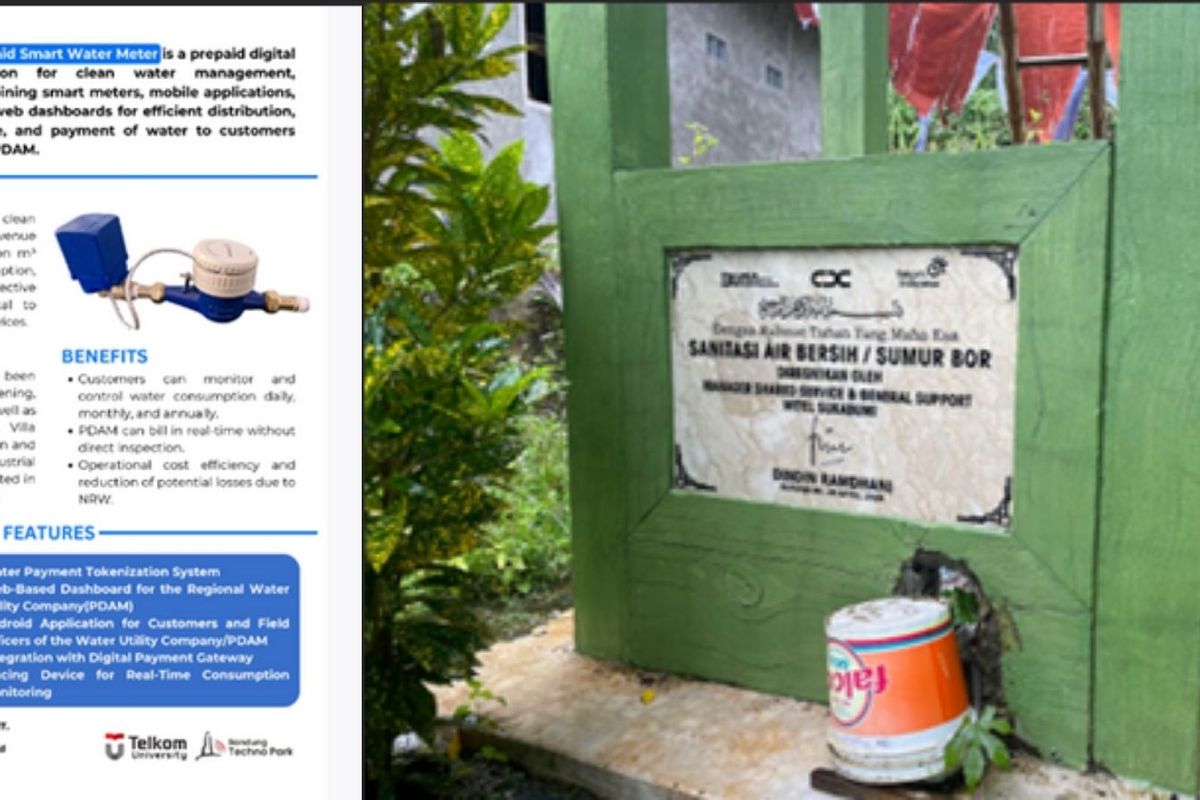
Telkom University Provides Water Management Educational Opportunities for Local Communities
As part of its strong commitment to sustainability and community development, Telkom University continues to advance educational initiatives that promote good water management practices among local communities. Through the integration of technology-based systems, participatory education, and field-based community programs, the university plays a vital role in supporting the Sustainable Development Goals (SDG 6 – Clean Water and Sanitation, SDG 11 – Sustainable Cities and Communities, and SDG 12 – Responsible Consumption and Production).
09 Sep 2024 1 menit bacaS