Berita Terbaru
Kumpulan update dan informasi terkini seputar SDGs.
THE Impact Ranking 2025
Climate Action
Telkom University supports climate action through innovations such as the renewable-energy-based APSSBIET river-cleaning tool and micro-sensor air-pollution detection system, reinforced by 17 SDG-13 research publications in 2023.
12 Nov 2023 1 menit bacaSSDGS Telkom University
THE Impact Ranking 2025
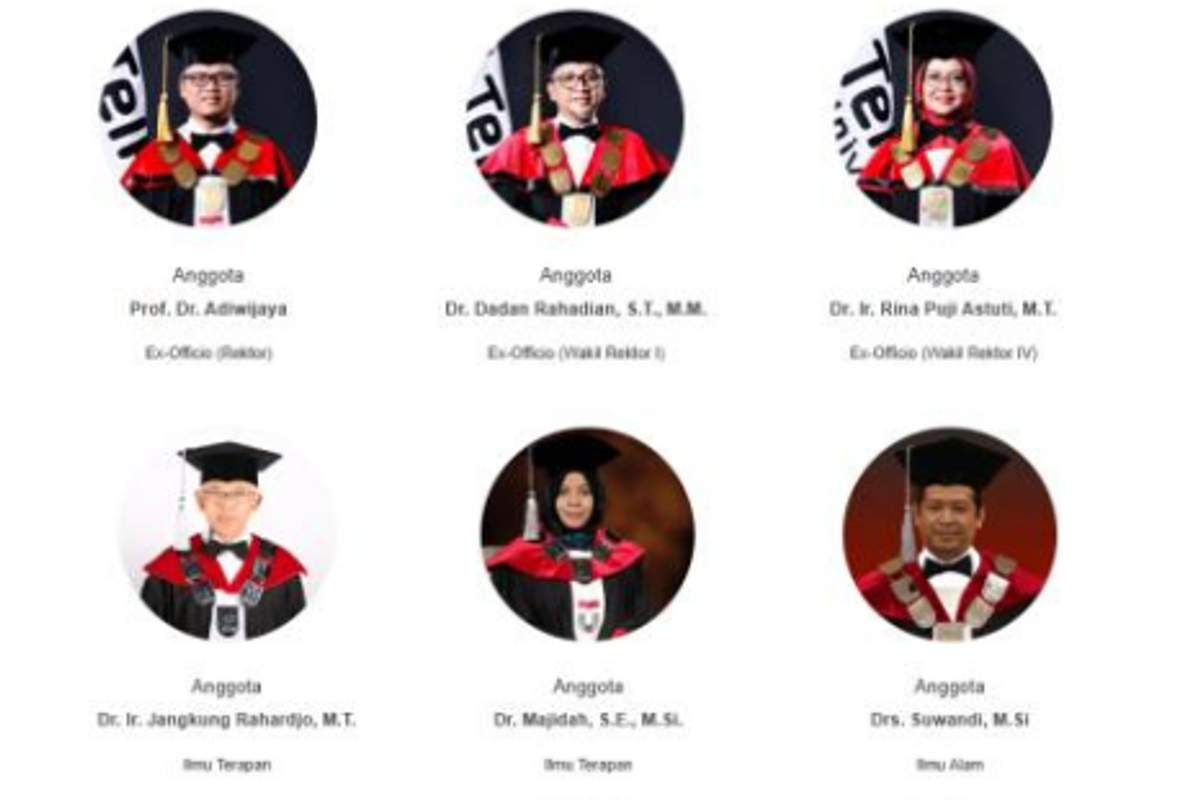
The Senate of Telkom University: The Highest Governing Body
The Senate of Telkom University serves as the highest governing body within the institution, playing a crucial role in shaping the academic and administrative landscape of the university. Composed of senior faculty members and experienced non-faculty staff, the Senate embodies a commitment to good governance and academic excellence.
10 Nov 2023 1 menit bacaSSDGS Telkom University
THE Impact Ranking 2025
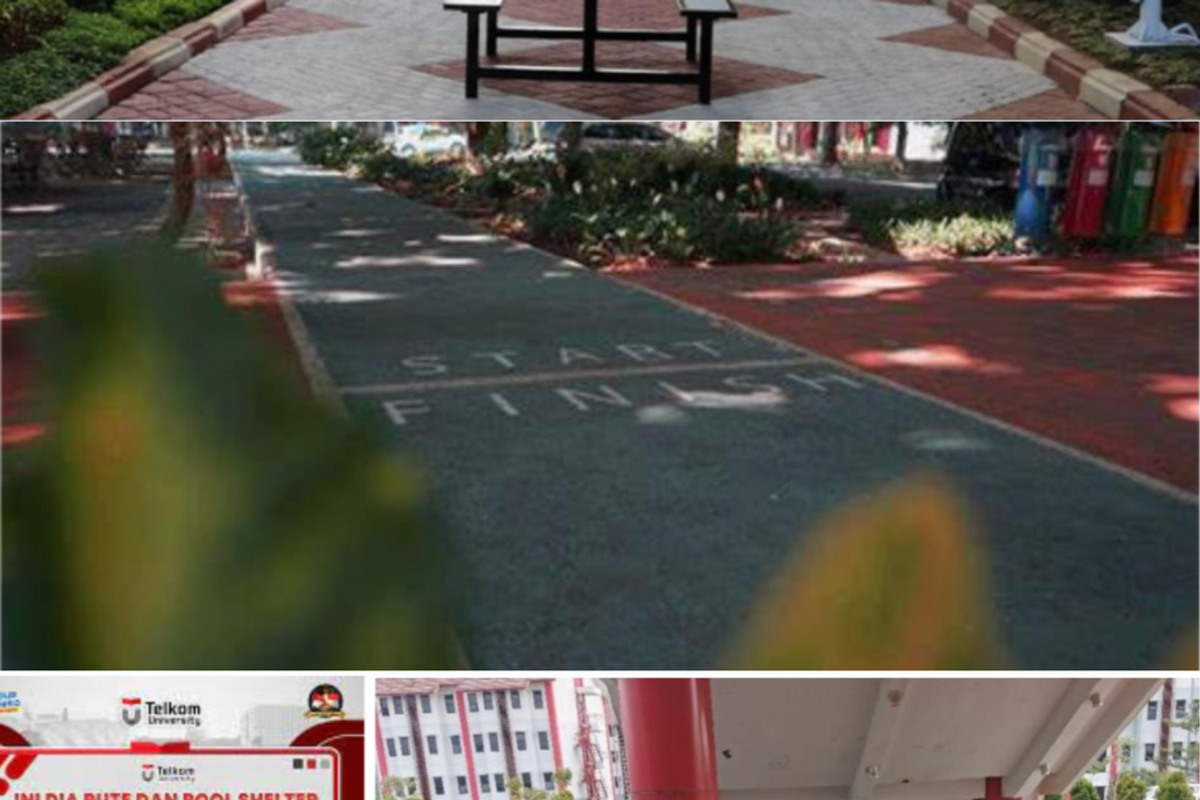
Promoting Sustainable Commuting at Telkom University
Telkom University enhances sustainable mobility through eco-friendly commuting initiatives that promote health, accessibility, and environmental responsibility. With upgraded pedestrian pathways up to 300 cm wide, the university ensures safe and comfortable walkways connecting major facilities, encouraging walking as a daily habit. Campaigns like “Walk on Campus” further engage the community in reducing emissions and embracing a green lifestyle. Recreational spaces, including jogging tracks around Situ Tekno Lake, provide healthy outdoor alternatives to vehicle use. Meanwhile, the partnership with Beam for electric bicycles and the Telkom University Car (TUC) service offers efficient, zero-emission transport options. Through these initiatives, Telkom University exemplifies its commitment to creating a clean, connected, and sustainable campus environment.
09 Nov 2023 1 menit baca
THE Impact Ranking 2025
Sustainable Cities and Communities
Telkom University supports safe and sustainable cities through innovations like DIPAYBO and the Live Victim Radar, backed by 24 SDG-11 research publications in 2023.
08 Nov 2023 1 menit bacaSSDGS Telkom University
THE Impact Ranking 2025
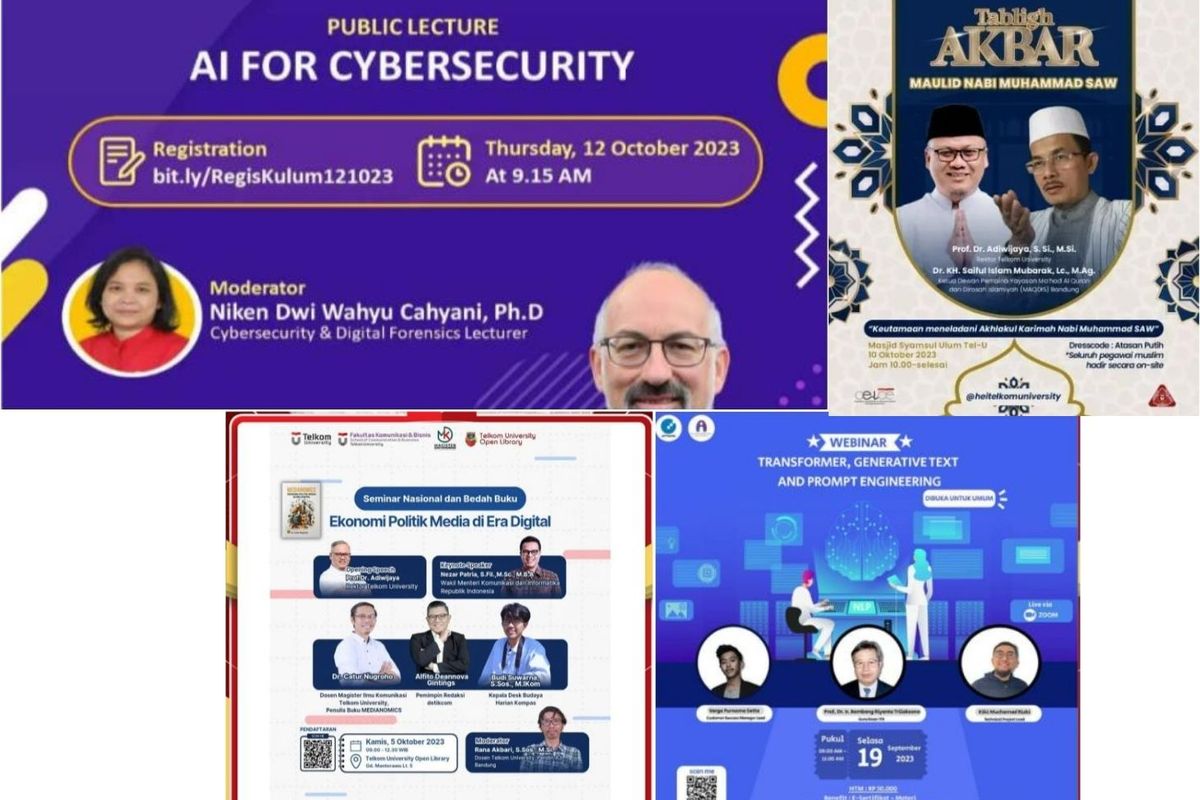
Telkom University Hosts Public Educational Events to Foster Knowledge Sharing
Telkom University actively promotes accessible education for the public by hosting diverse events—including seminars, webinars, religious gatherings, and scholarship launches—focused on technology, culture, and digital transformation, with information available through its website and Instagram.
03 Nov 2023 1 menit bacaSSDGS Telkom University

THE Impact Ranking 2025
Telkom University is committed to providing support for low-income students to enable them to complete their university education.
Telkom University demonstrates strong support for low-income students by providing affordable housing through its student dormitory program, accessible campus transportation via eco-friendly electric vehicles, and free legal services, ensuring financial limitations do not hinder students’ ability to complete their education.
03 Nov 2023 1 menit bacaSSDGS Telkom University
THE Impact Ranking 2025
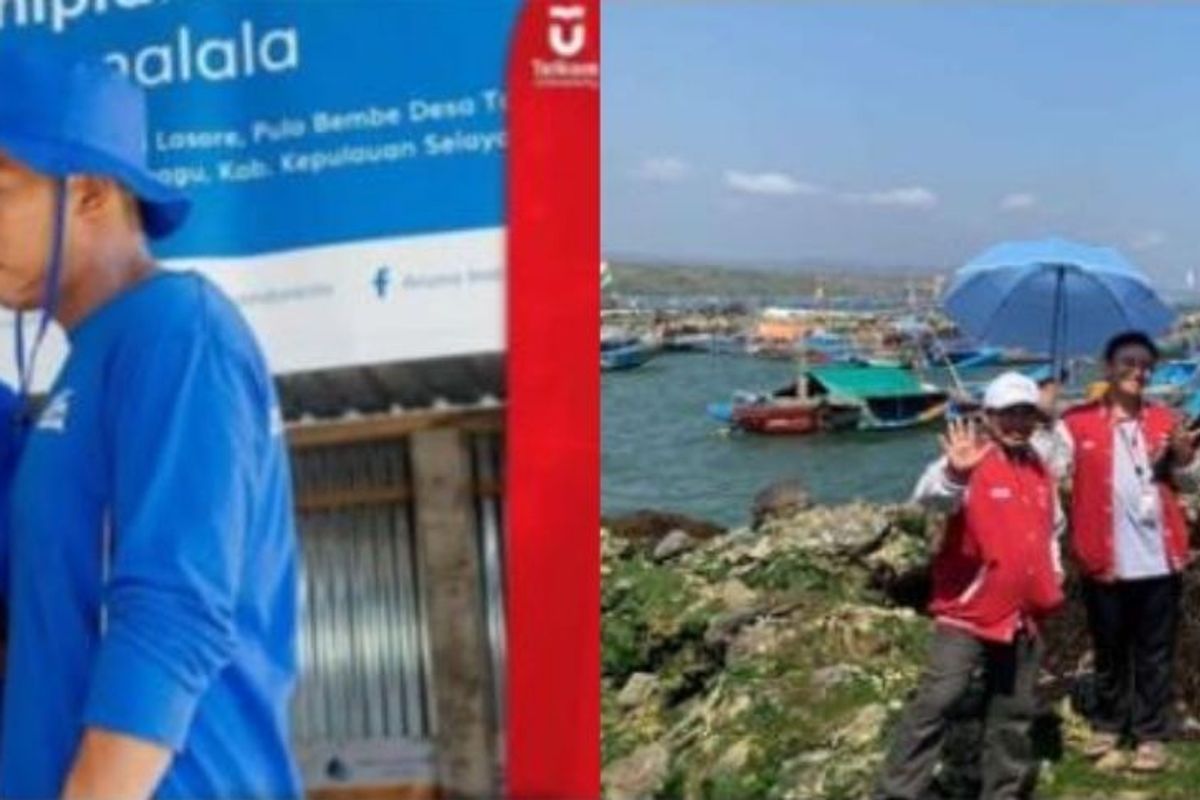
Life Below Water
Telkom University advances sustainable maritime innovation through initiatives like Aruna’s fisheries startup and the IoT-based Smart Boat, supported by 7 SDG-14 research publications in 2023.
01 Nov 2023 1 menit bacaSSDGS Telkom University
THE Impact Ranking 2025
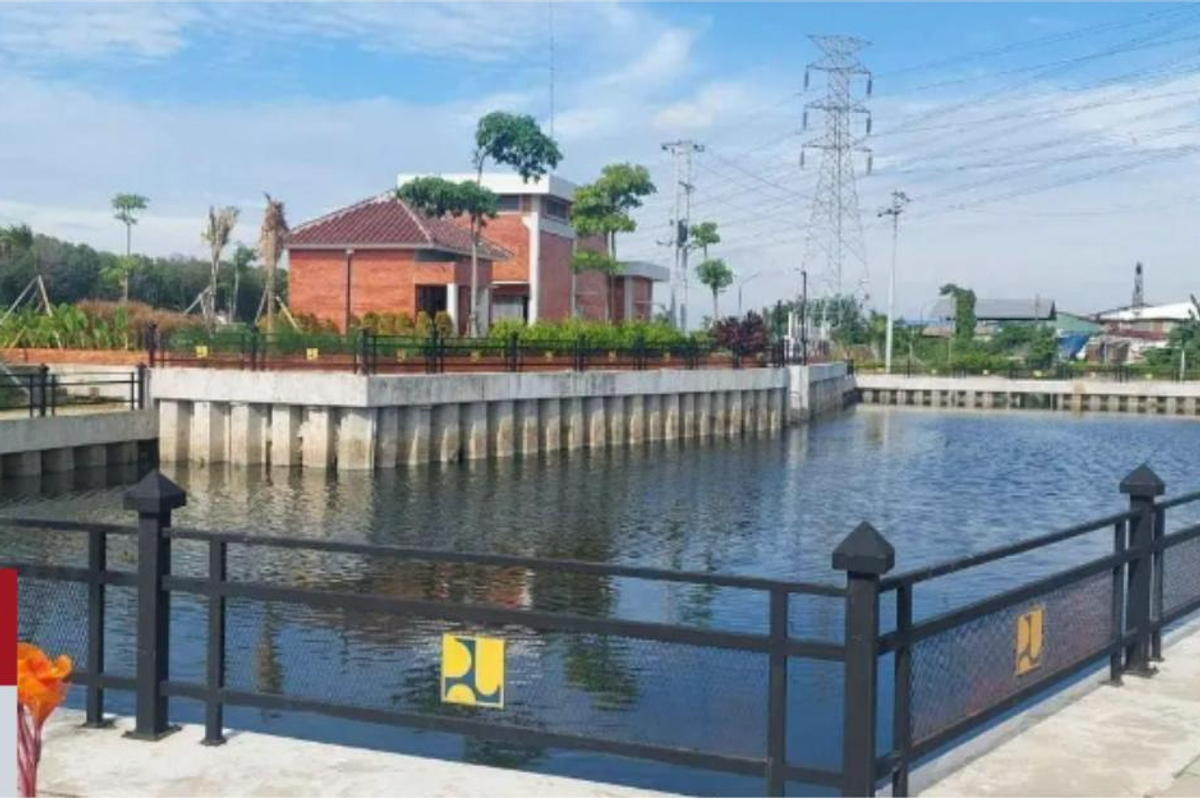
Telkom University’s Collaboration for Sustainable Aquatic Ecosystems
Telkom University drives sustainable water management through two initiatives: the Citarum River collaboration with Plastic Fischer and the TideEye project with the University of Wollongong. The Citarum program tackles plastic pollution and supports zero-waste efforts in Bandung, while TideEye uses AI and IoT to monitor tidal floods in Central Java. Both initiatives reflect Telkom University’s commitment to innovation and environmental sustainability in protecting Indonesia’s waterways.
13 Okt 2023 1 menit bacaSSDGS Telkom University
THE Impact Ranking 2025
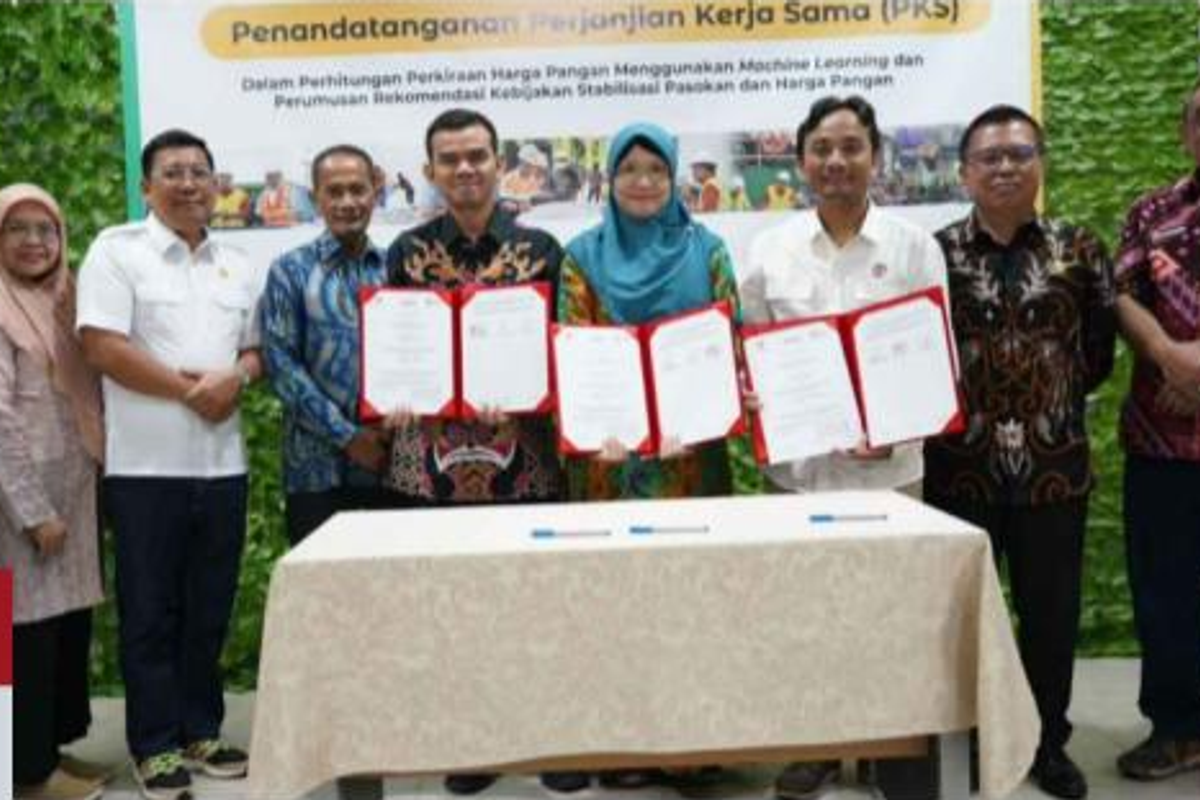
Addressing Poverty: Telkom University's Collaborative Efforts
In July 2023, Telkom University partnered with BRIN and the National Food Agency to leverage machine learning for food price analysis and policy recommendations, aiming to enhance food security and reduce poverty.
04 Okt 2023 1 menit bacaSSDGS Telkom University
THE Impact Ranking 2025
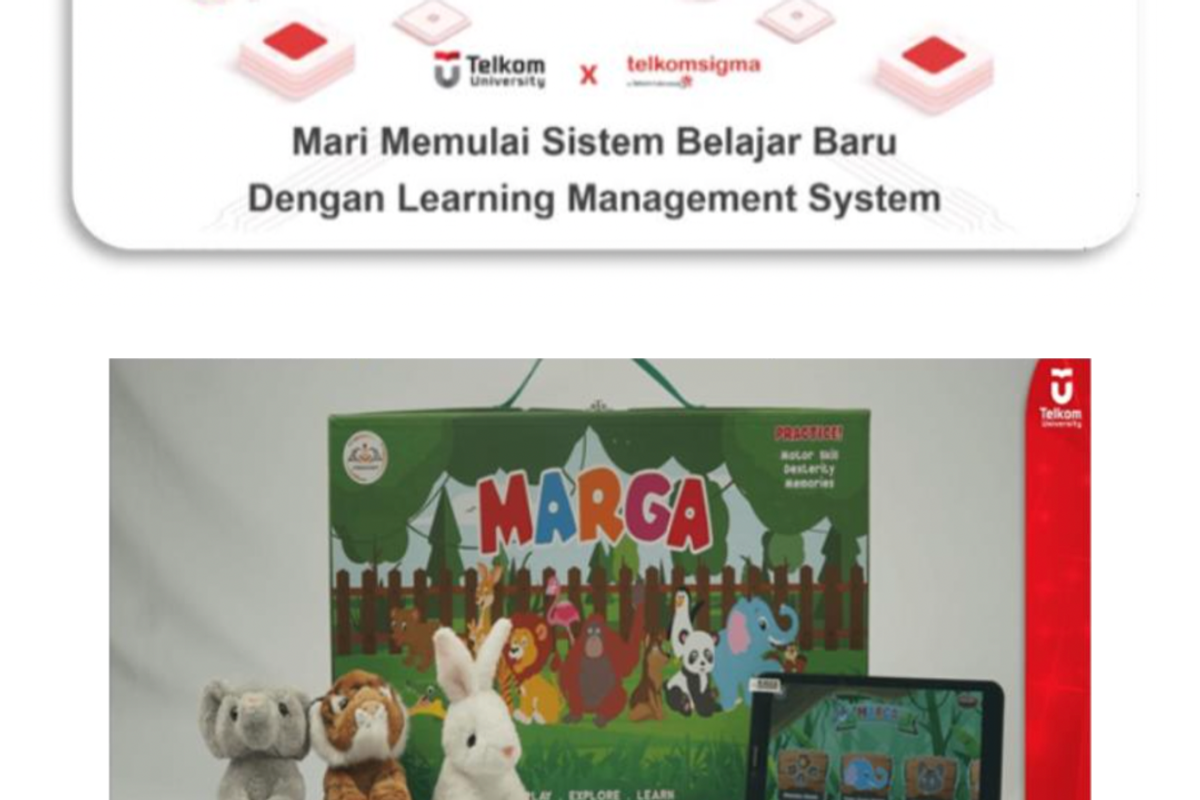
Telkom University Report On Progress of SDGs 4. Quality Education
Telkom University is committed to advancing inclusive and high-quality education by integrating technology and accessibility into the learning process. Embracing the era of Society 5.0, the university utilizes IoT, AI, and VR/AR to enhance educational experiences. Innovations such as MARGA, an interactive RFID-based educational toy, and ANGKASA LMS, a user-friendly web platform for online learning, exemplify Telkom University’s dedication to digital education. In 2023, the university further reinforced its contribution to SDG 4 through 117 research publications promoting accessible, innovative, and technology-driven learning for all.
04 Okt 2023 1 menit bacaS
THE Impact Ranking 2025
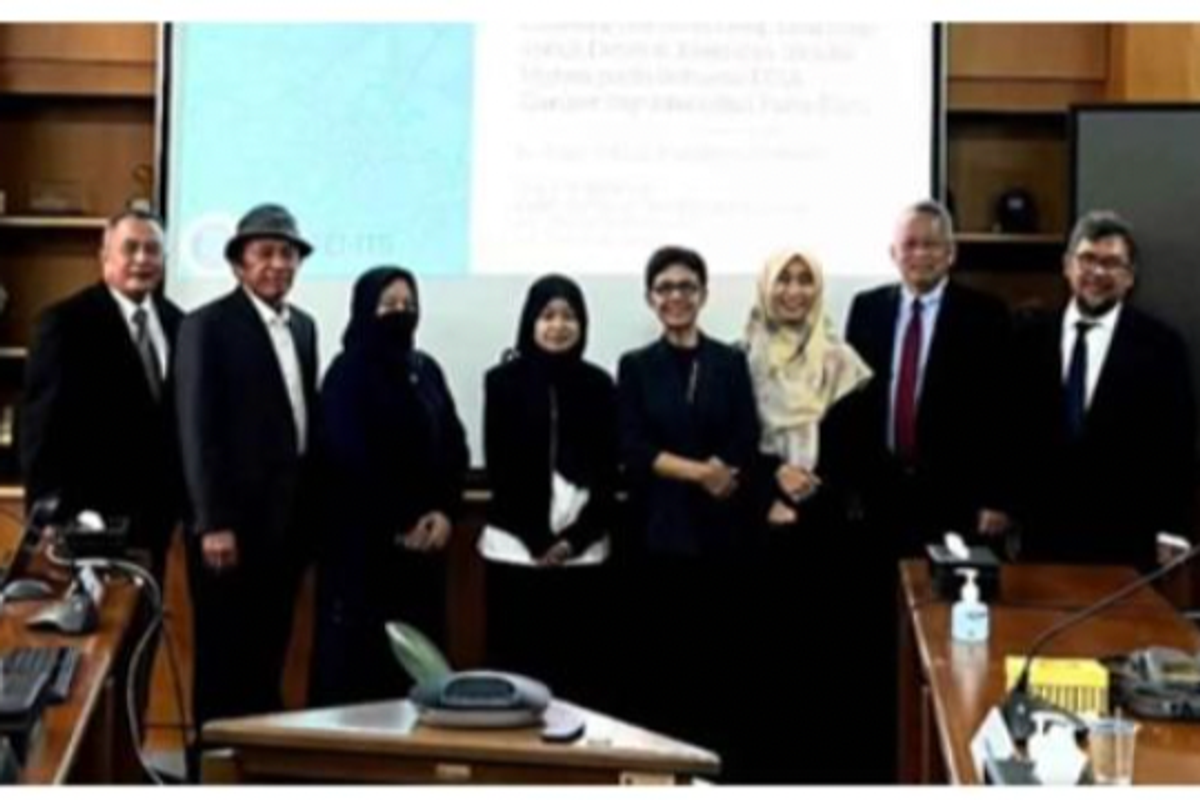
Telkom University Report On Progress of SDGs 3. Good Health and Well-Being
04 Okt 2023 1 menit bacaSSDGS Telkom University
THE Impact Ranking 2025
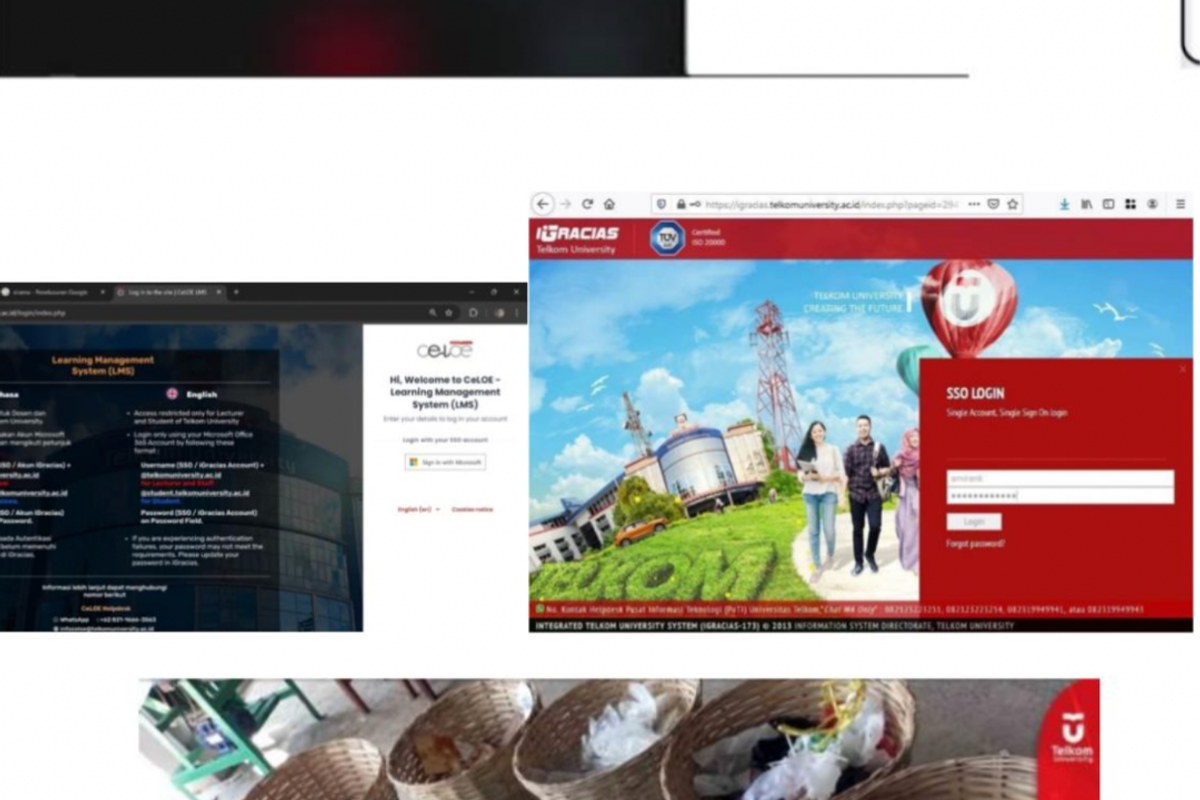
Action Plan to Reduce Plastic and Paper Waste at Telkom University
Telkom University promotes a sustainable campus by reducing plastic and paper waste through digital innovation and eco-friendly practices. The university has adopted a paperless system for exams, assignments, and administrative services using platforms like LMS, i-Gracias, SIMKUG, and SIRAMA. To cut plastic use, non-gallon water dispensers provide filtered drinking water, encouraging the use of reusable bottles. Through these initiatives, Telkom University continues to build a greener, smarter, and more sustainable campus community.
14 Agu 2023 1 menit bacaSSDGS Telkom University