Berita Terbaru
Kumpulan update dan informasi terkini seputar SDGs.
THE Impact Ranking 2025
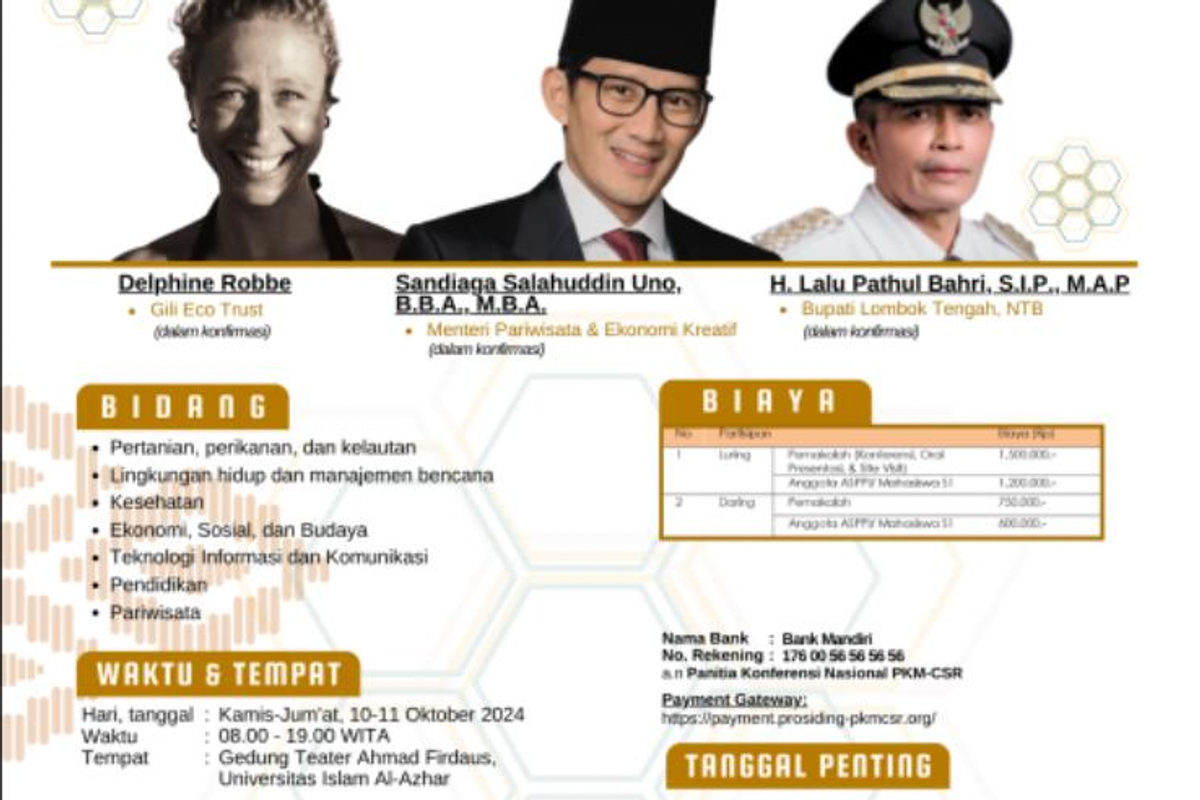
Telkom University’s Commitment to Sustainable Land Use Through Conferences and Seminars
Events such as the National Conference on Community Engagement and CSR (2023), Bandung Creative Movement (2022), and the 14th International Conference on Sustainable Collaboration in Business, Technology, Information, and Innovation (2023) highlighted sustainable practices across tourism, creative industries, and business. By fostering dialogue and collaboration among academia, industry, and communities, Telkom University continues to champion responsible land use and environmental sustainability in alignment with global goals.
17 Jul 2023 1 menit bacaSSDGS Telkom University
THE Impact Ranking 2025
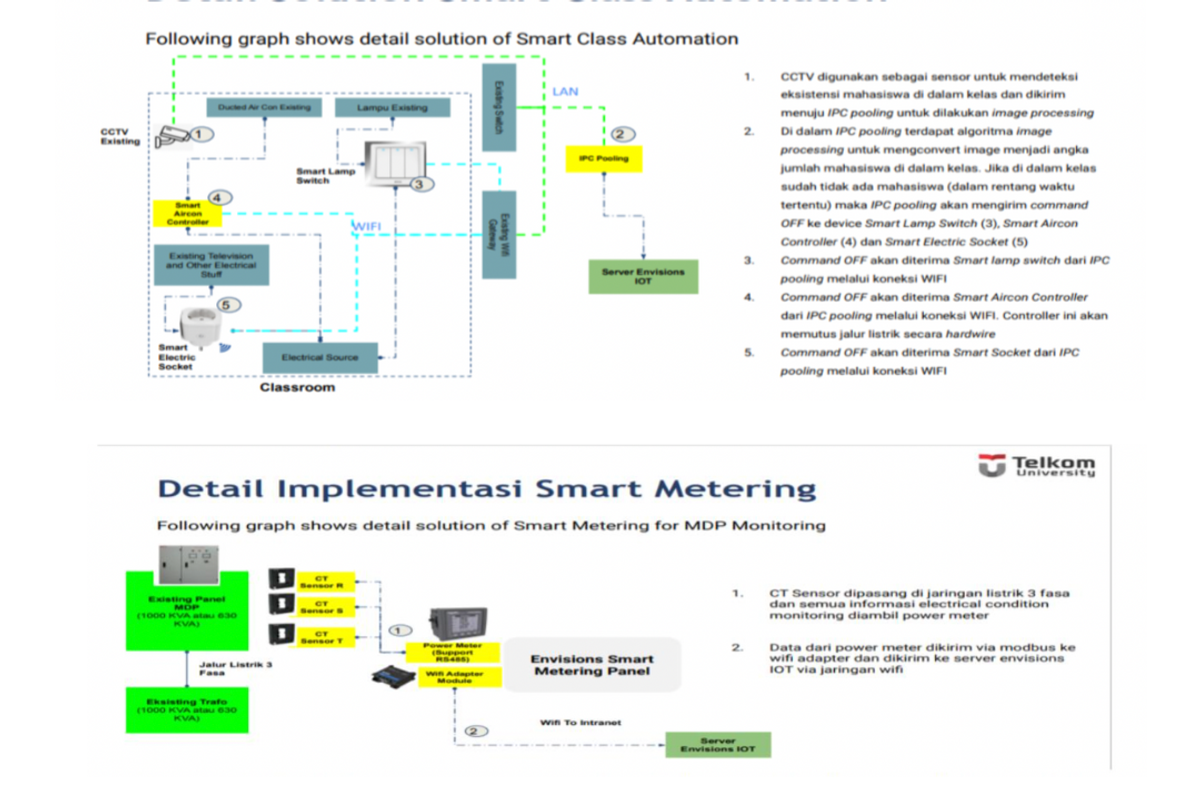
Telkom University: Pioneering Sustainable Energy Solutions Through Research and Innovation
Telkom University is committed to energy efficiency through research-based innovations and smart monitoring systems that reduce unnecessary energy consumption across campus. Initiatives such as Smart Class Automation, Smart Meter implementation, and the Electrical Monitoring System (EMS) enable real-time tracking and automatic control of electricity use. The university has also adopted energy-saving measures, including LED lighting, energy-efficient devices, and optimized AC temperature settings. Supported by research on intelligent energy management and renewable energy simulation, these efforts reflect Telkom University’s dedication to sustainable energy use and environmental responsibility.
01 Jul 2023 1 menit baca
THE Impact Ranking 2025
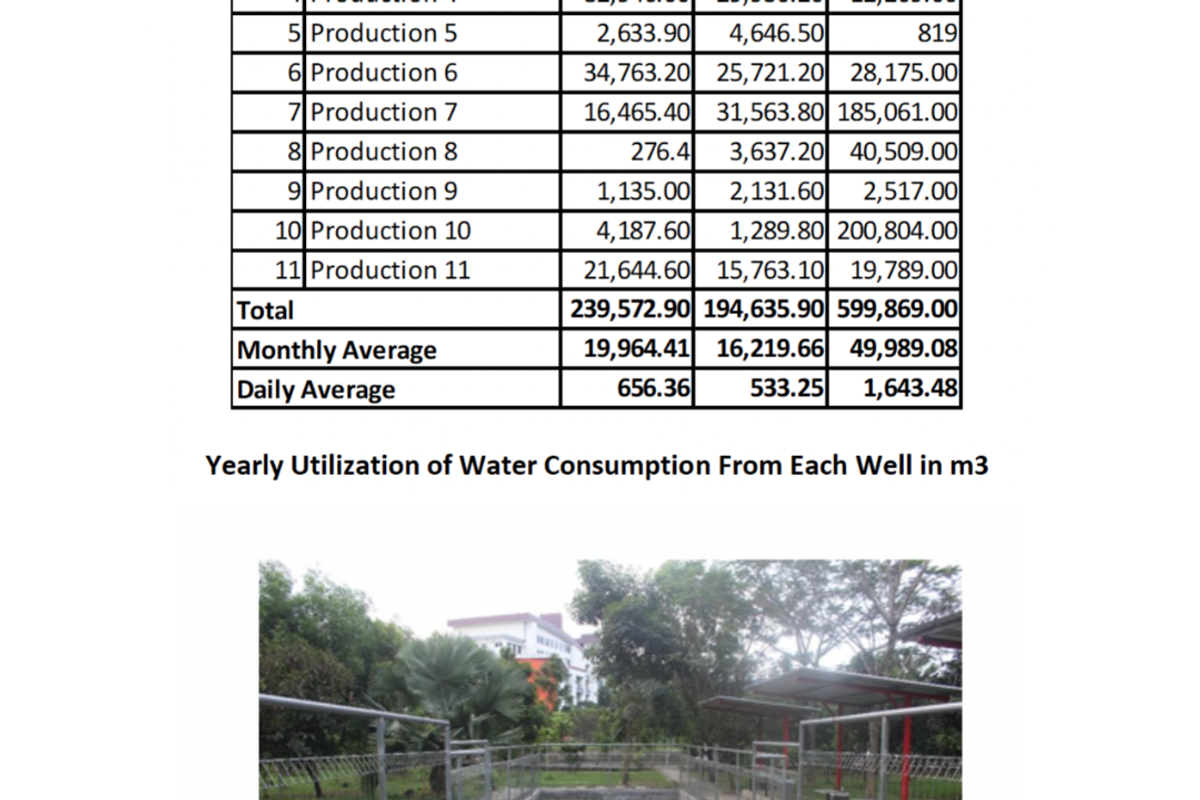
Sustainable Water Management at Telkom University: Ensuring a Hydrated Future Telkom University's Efforts in Tracking Campus Water Consumption
Telkom University actively manages groundwater to support SDG 6 on clean water and sanitation through responsible conservation, utilization, and monitoring practices. Guided by Government Regulation No. 43 of 2008, the university sources water from 11 production wells, three artificial lakes, and six infiltration wells across campus. Water from artesian pumps and Lake Tekno undergoes treatment and filtration to ensure potable quality. With an average annual consumption of 194,636 cubic meters, Telkom University continuously monitors usage to maintain sustainability and secure clean water availability for the entire campus community.
04 Jun 2023 1 menit baca
THE Impact Ranking 2025
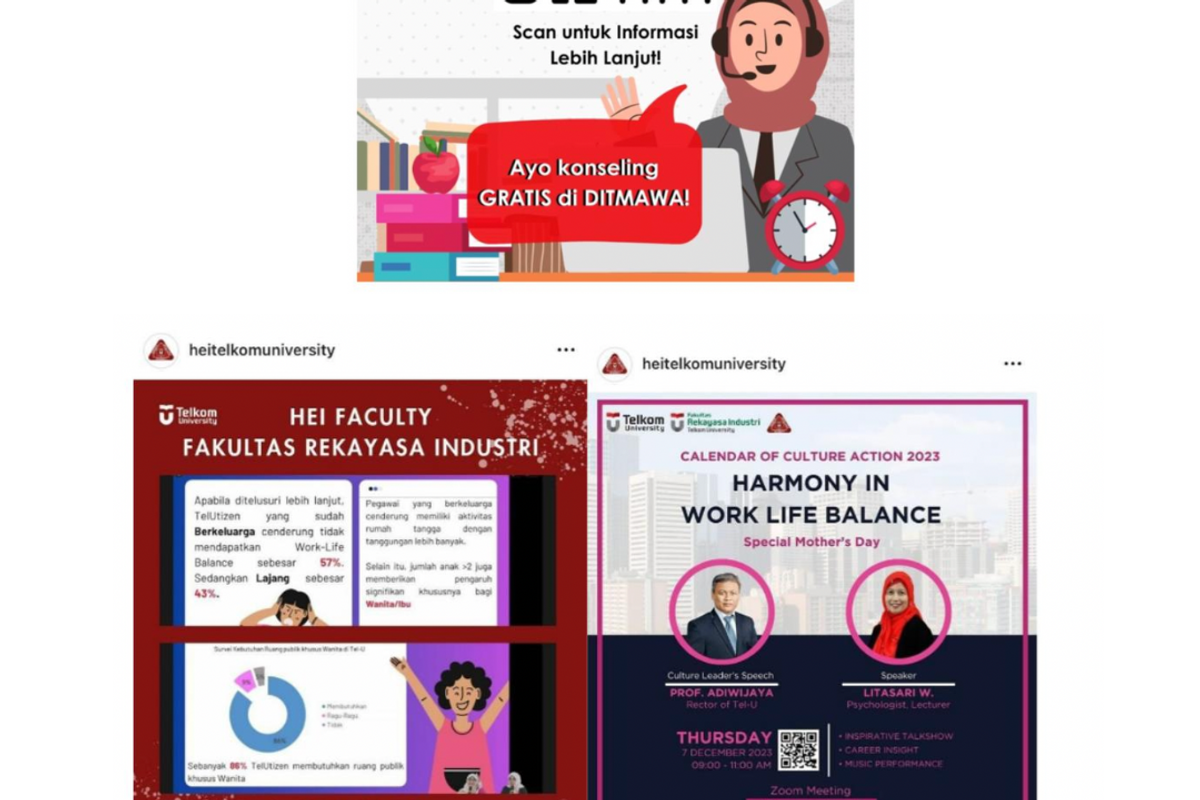
Mental Health Support for Staff: Telkom University’s Commitment to Employee Well-being
Telkom University places strong emphasis on mental well-being as part of its commitment to building an inclusive and caring campus culture. Through initiatives such as the HR Hotline, professional counseling services, mental health-focused CoCA events, and BPJS Healthcare coverage, the university ensures accessible support for staff and faculty. By prioritizing mental health, Telkom University fosters a balanced, productive, and compassionate work environment that empowers its academic community to thrive both personally and professionally.
02 Jun 2023 1 menit bacaS
THE Impact Ranking 2025
Telkom University Commitment To Meaningful Education Around SDGs
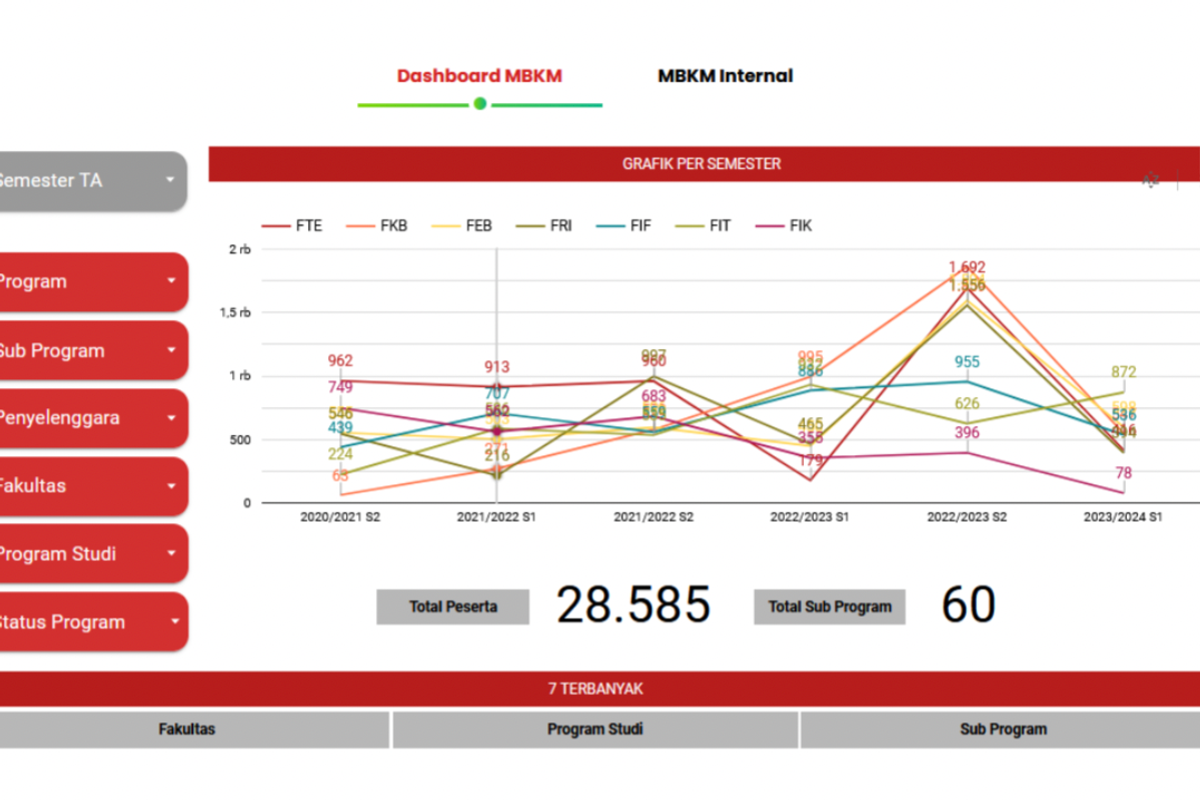
Telkom University is dedicated to delivering quality education through active participation in Indonesia’s “Independent Campus” (Kampus Merdeka) program, initiated by the Ministry of Education and Culture to prepare future-ready generations. The program offers eight experiential learning paths including internships, research, entrepreneurship, teaching, and community development that can be converted into academic credits. To further strengthen this initiative, Telkom University developed the WRAP (Work Ready Program), which provides hands-on experience in internships, apprenticeships, entrepreneurship, and research. Through Kampus Merdeka and WRAP, Telkom University equips students with practical skills, industry readiness, and innovative mindsets to excel in the evolving global landscape.
15 Mei 2023 1 menit baca
THE Impact Ranking 2025
Telkom University: Leading the Charge in Water Conservation Awareness
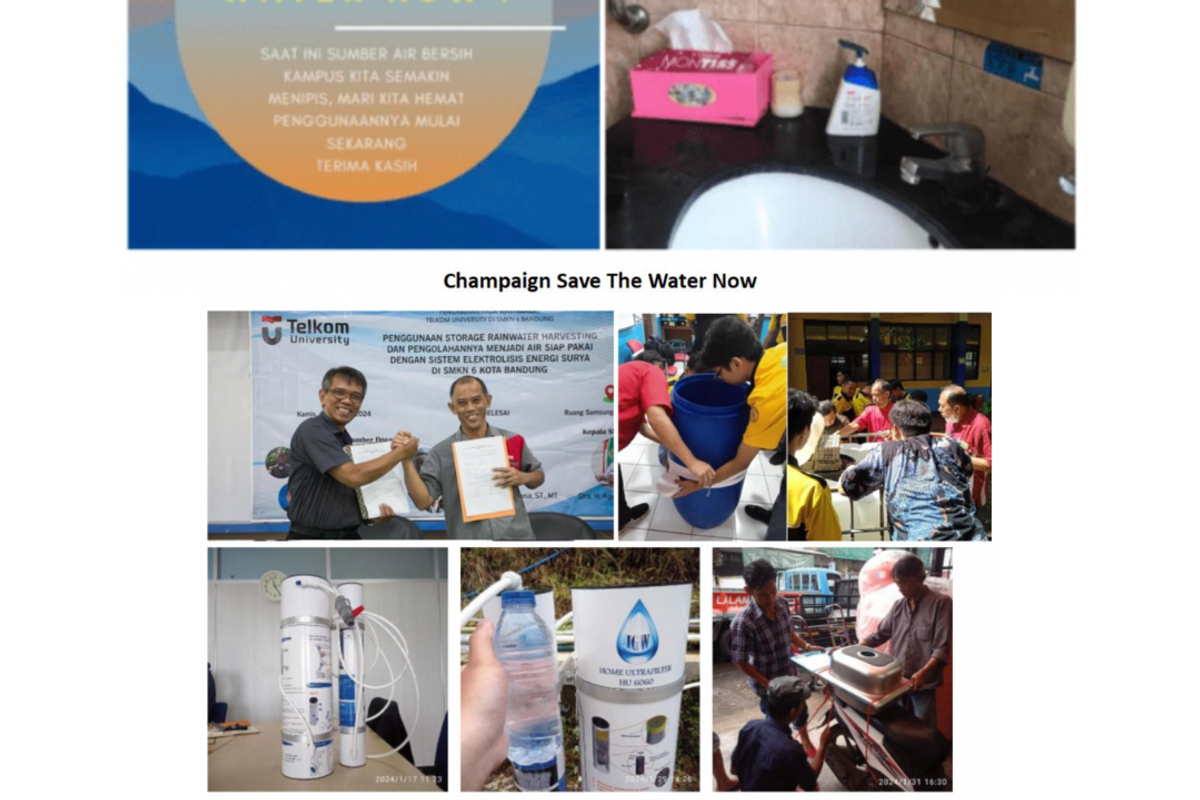
Telkom University promotes water conservation both within the campus and in surrounding communities. Internally, awareness campaigns are conducted through posters placed in all restrooms and continuous promotion of the Indonesian Water Conservation Movement. The university emphasizes that saving water should become a shared necessity rather than a routine activity, encouraging participation from all members of the academic community. Externally, Telkom University extends its efforts through community service programs such as Innovillage, which includes initiatives like developing a Water Supply System with Ultrafiltration Membrane Technology in Sukamulya and Cupunagara Villages, Subang Regency. Other outreach activities include training in rainwater and tap water treatment, as well as projects on rainwater harvesting and conversion to usable water through electrolysis systems. These initiatives reflect Telkom University’s commitment to fostering sustainable water use and environmental
02 Mei 2023 1 menit baca
THE Impact Ranking 2025
Collaborative Relationships with Regional NGOs and Government for SDG Policy Development
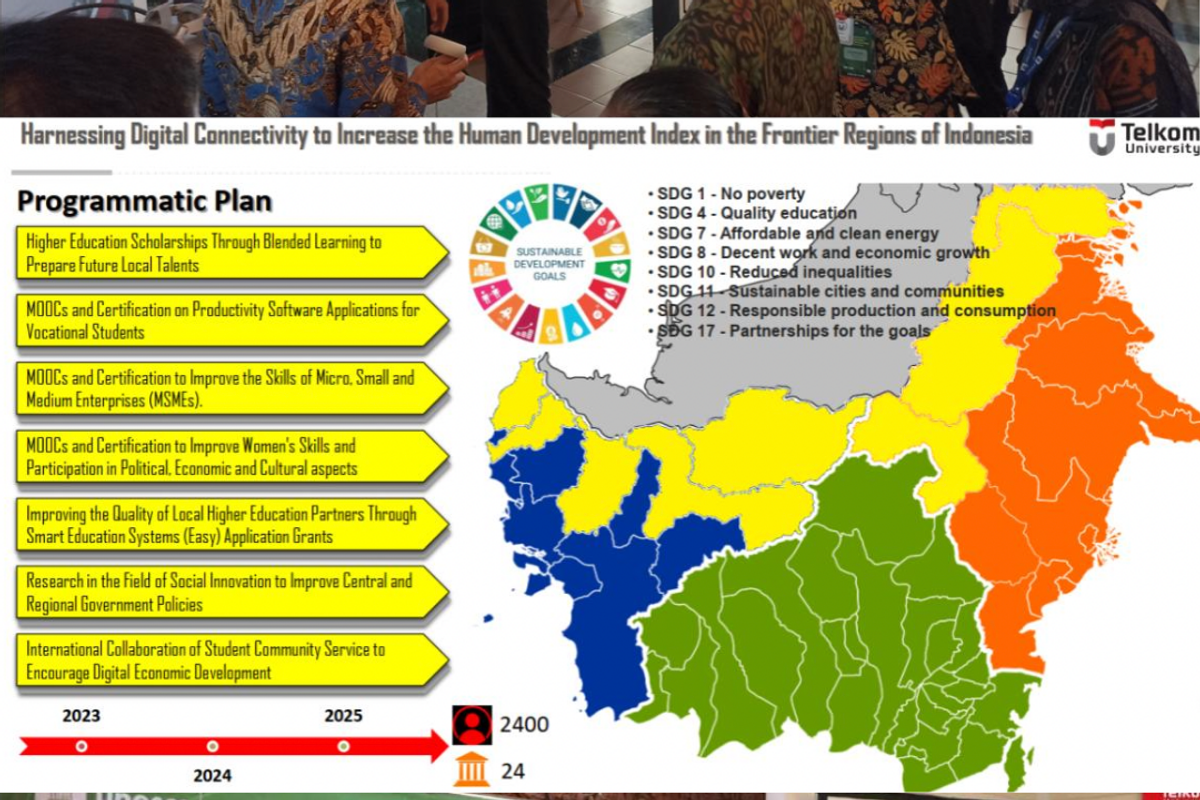
Telkom University actively collaborates with government agencies, NGOs, and international institutions to advance policies aligned with the UN Sustainable Development Goals (SDGs). Through initiatives such as the ESD-Net 2030 Asia-Pacific Meeting, the ESD Country Initiative Indonesia, and the ITU Asia-Pacific Regional Development Forum, the university contributes to shaping sustainable education, digital transformation, and adaptive policy strategies. These collaborations reflect Telkom University’s strong commitment to driving regional and national progress toward a more sustainable and inclusive future.
01 Mei 2023 1 menit baca
THE Impact Ranking 2025
Telkom University Report On Progress of SDGs 6. Clean Water and Sanitation
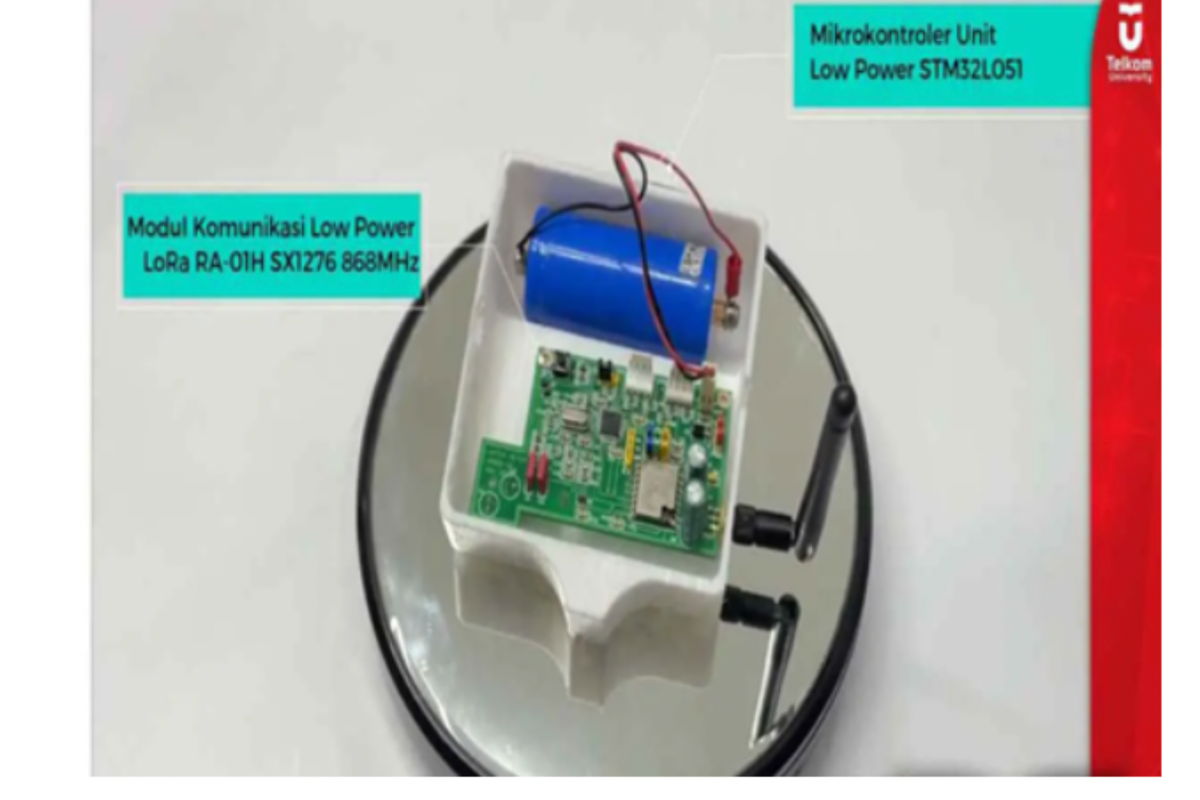
Telkom University contributes to achieving Clean Water and Sanitation (SDG 6) through innovative research and sustainable water management initiatives. In collaboration with PT Multi Instrumentasi, Dr. Hanif Fakhrurroja from the Faculty of Industrial Engineering developed the Automated Water Meter (AMR), an IoT-based device that enables real-time monitoring and efficient management of water usage through a Smart Dashboard. In 2023, the university also published eight research papers supporting advancements in clean water technology and sustainable sanitation practices.
13 Apr 2023 1 menit bacaS
THE Impact Ranking 2025
Empowering Futures: Telkom University's Commitment to Equal Education and Graduation Opportunities
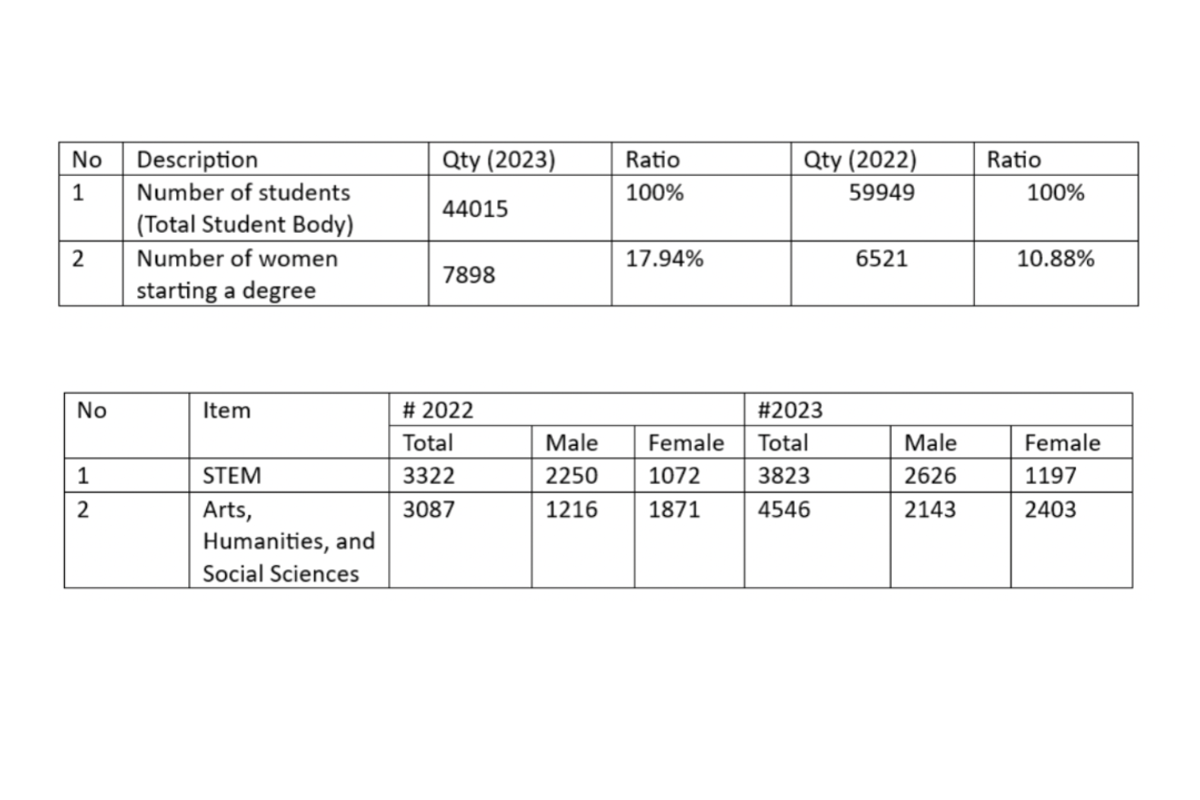
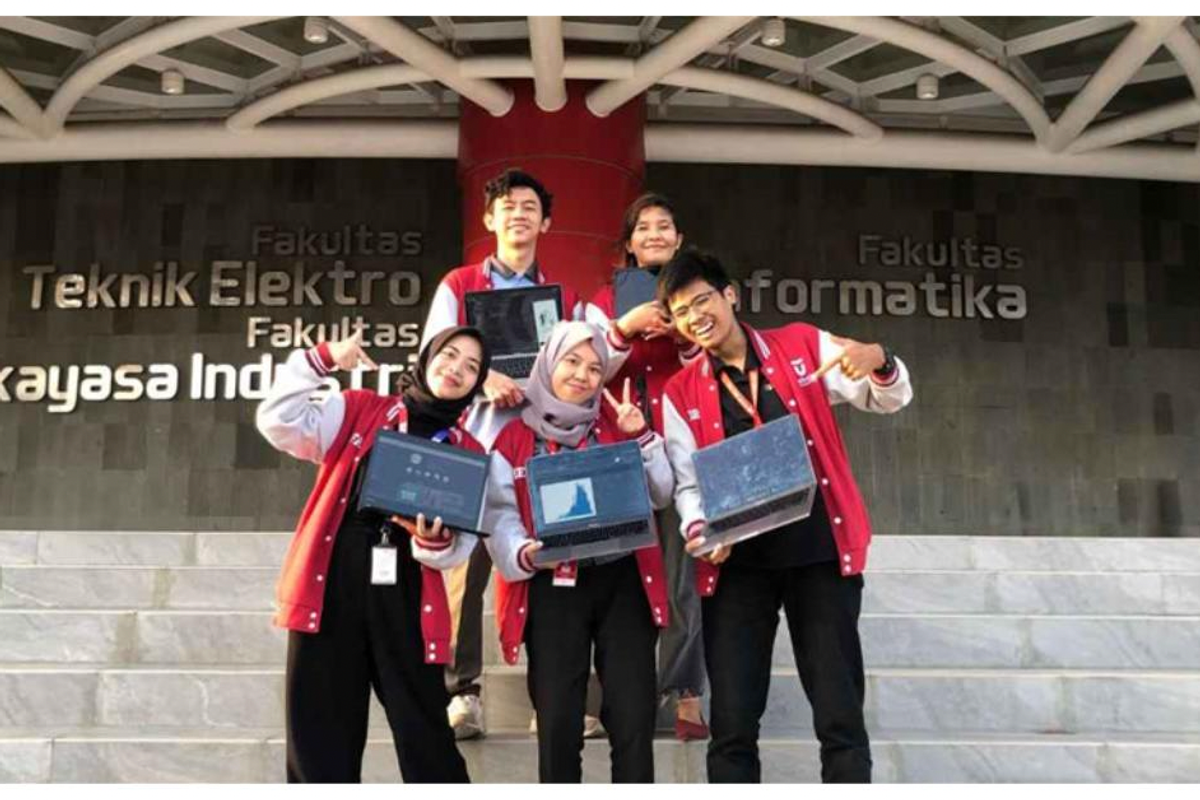
Telkom University is dedicated to advancing equal education and transforming lives through inclusivity and excellence. In 2023, 66.94% of its 16,230 students were first-generation learners, reflecting the university’s commitment to accessibility. Among them, 6,521 were women, with 4,190 being first-generation students. The year also marked the graduation of 8,369 students—3,823 in STEM and 4,546 in Arts, Humanities, and Social Projects—with 3,600 women among the graduates, including 1,197 excelling in STEM. Through these achievements, Telkom University continues to empower individuals, promote gender equality, and build a more inclusive and sustainable future for all.
01 Apr 2023 1 menit baca
THE Impact Ranking 2025
Telkom University Report On Progress of SDGs 8. Decent Work and Economic Growth
Telkom University supports economic growth and innovation (SDG 8) by empowering MSMEs through technology-driven solutions and creative economy initiatives. Students developed RoastMaster a combination of the IcyRoast cooling machine and RoastRighteous sorting system to enhance productivity and quality in coffee roasting for MSMEs in Alamendah Tourism Village. Another innovation, ThriftMee, uses Augmented Reality (AR) to promote sustainable fashion and strengthen the local creative economy through virtual fitting and smart thrifting features. In 2023, Telkom University reinforced its commitment to inclusive economic growth with 251 research publications related to SDG 8.
01 Apr 2023 1 menit baca
THE Impact Ranking 2025
Telkom University Report On Progress of SDGs 9. Industry, Innovation and Infrastructure
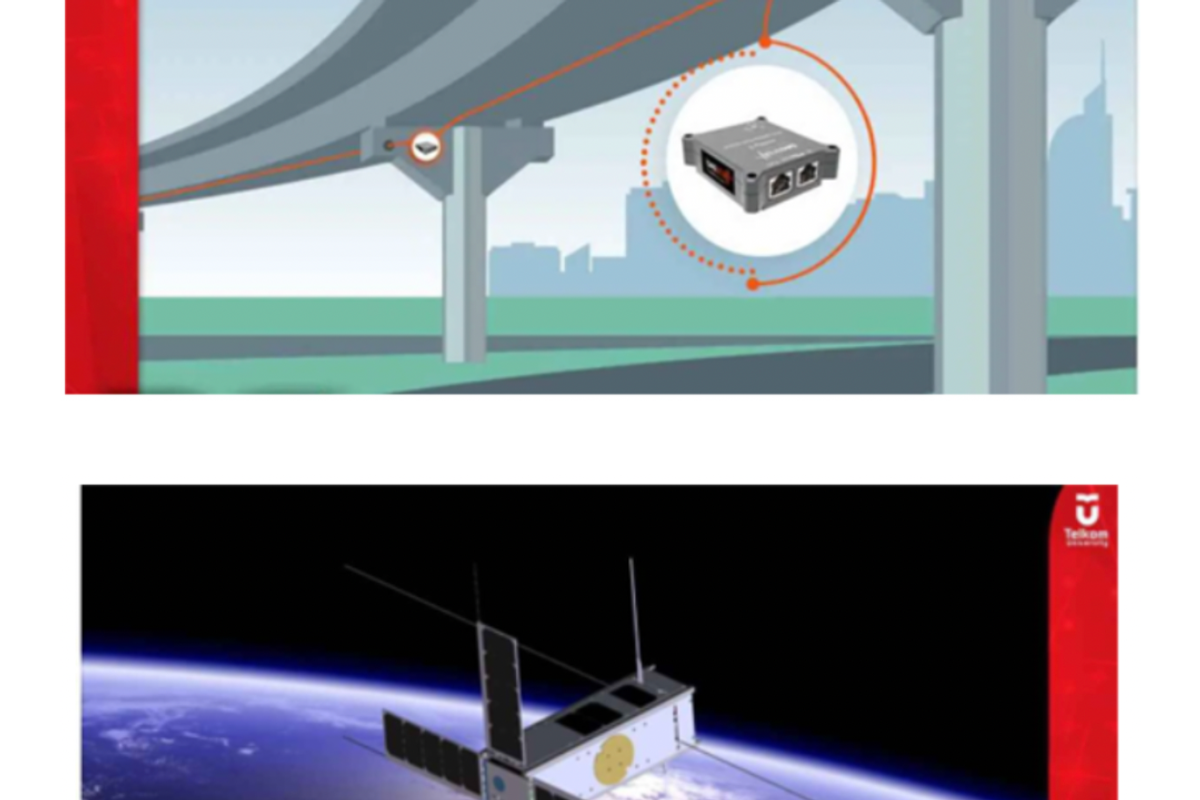
Telkom University advances innovation for sustainable infrastructure through cutting-edge research and technology aligned with SDG 9. Among its breakthroughs are the IoT-based Bridge Structural Health Monitoring System (SHMS) by Dr. Seno Adi Putra, which enhances public safety through real-time bridge monitoring, and a nano-satellite prototype by Dr. Bambang Setia Nugroho and team, designed for air traffic surveillance and disaster communication. These innovations highlight Telkom University’s role in driving technological solutions for resilient infrastructure, supported by 236 research publications in 2023 related to industry, innovation, and infrastructure.
01 Apr 2023 1 menit baca
THE Impact Ranking 2025
Telkom University Report On Progress of SDGs 5. Gender Equality
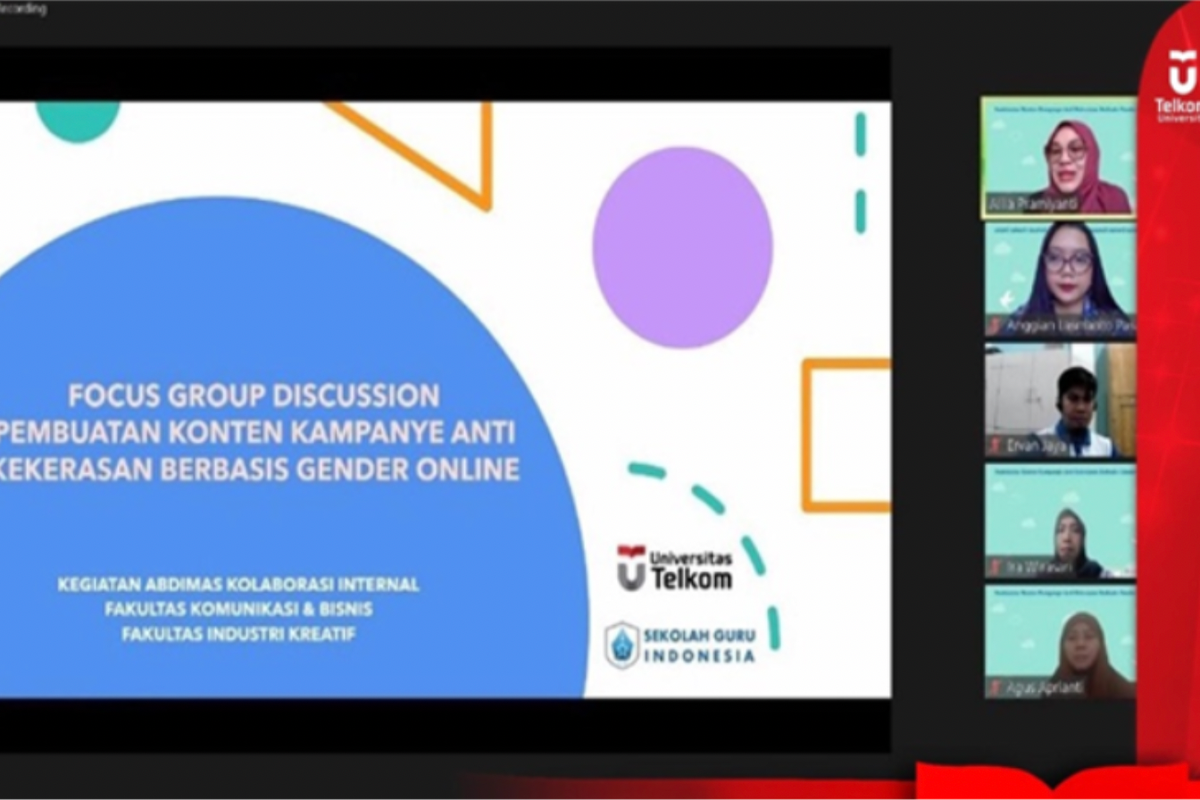
Telkom University actively promotes gender equality through initiatives that empower Indonesian women in creativity, entrepreneurship, and digital literacy. The university upholds equal access to education, with 40.18% of its 2023 student body being women, including 4,190 first-generation female students. Through a community service project with the Indonesian Teacher School (SGI), Telkom University lecturers launched an online campaign against gender-based violence (GBV), combining communication and design expertise to raise awareness through educational and digital media. Supporting SDG 5, the university also published 11 research papers in 2023 focused on gender equality and women’s empowerment.
16 Mar 2023 1 menit baca